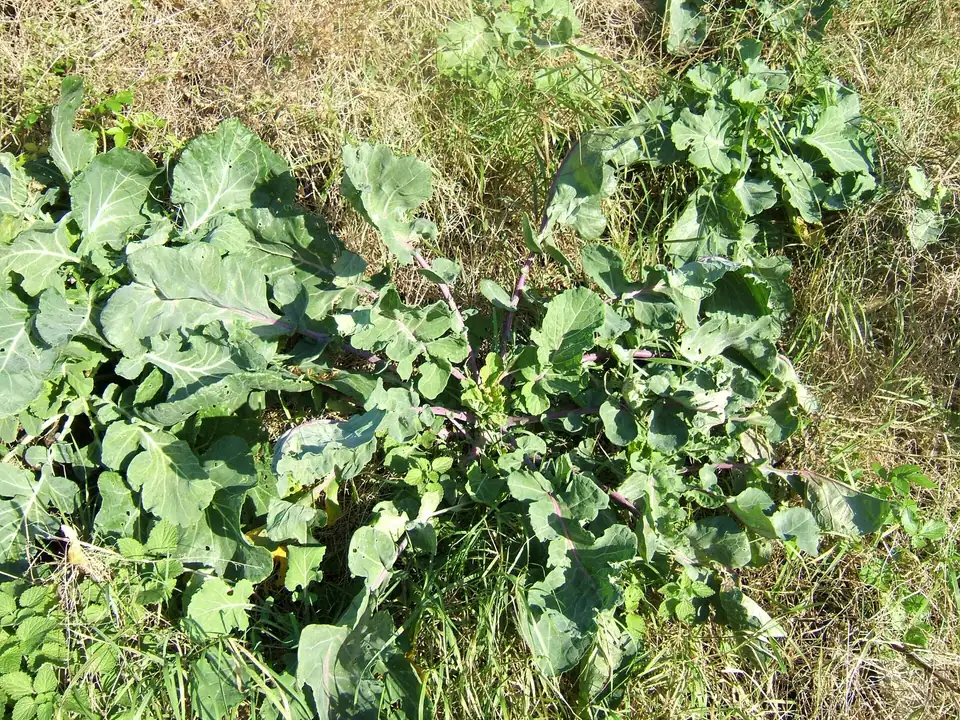
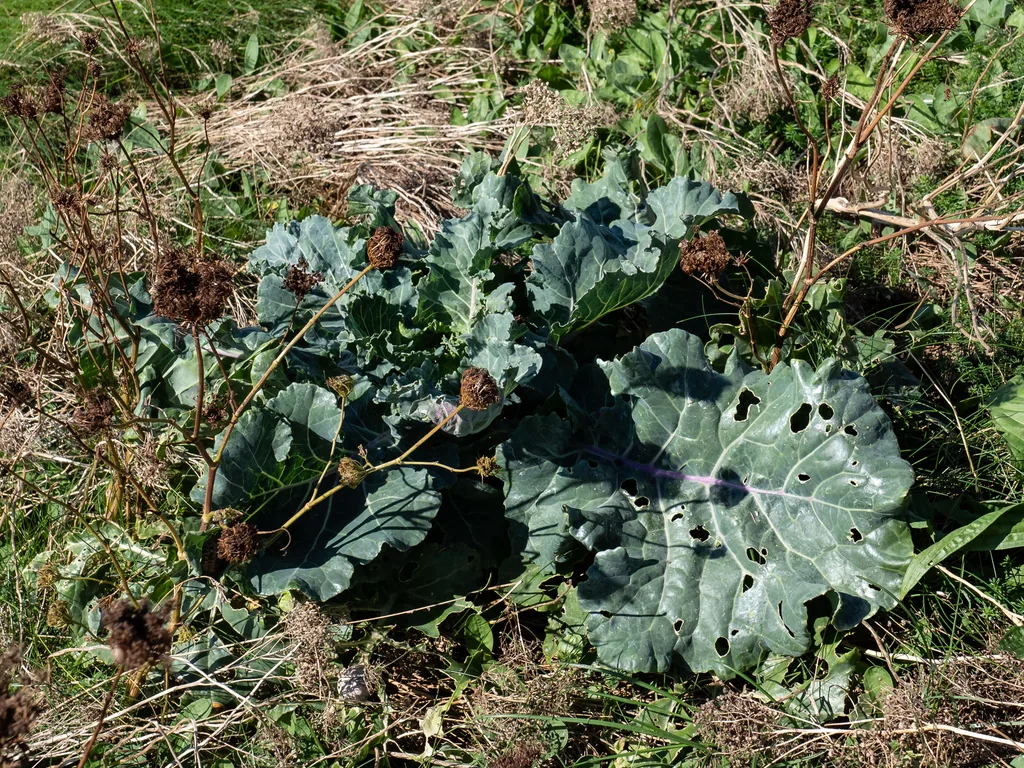

How to Grow and Care for Cabbage
Brassica oleracea
Written by Emilio Marruso · last checked
At a glance
Kale is a cool-season crop that loves full sun and plentiful, steady water. Plant it out 3–4 weeks before the last frost date or grow it for the fall garden, then pick the big outer leaves as they reach full size. A touch of frost even tends to improve its flavor, and you can enjoy it raw in salads or cooked.
- Sun
Full sun in spring and fall; light shade in hot weather
What the sources say (4)
Light: Full sun to partial shade
Spring and fall: Prefers full sun in spring and fall, but can benefit from light shade during hot weather.
— Kale | Cooperative Extension | University of Delaware [8] Hot weather: Prefers full sun in spring and fall, but can benefit from light shade during hot weather.
— Kale | Cooperative Extension | University of Delaware [8] Sunlight: full sun to part shade. Prefers full sun in spring and fall, but can benefit from light shade during hot weather.
— Kale | Cooperative Extension | University of Delaware [8] It can grow in a wide range of conditions but will perform best when located in full sun in nitrogen-rich soil with good drainage.
— Brassica oleracea (Bresych Gwyllt, Wild Cabbage, Wild Mustard) | North Carolina Extension Gardener Plant Toolbox [1] - Water
Plenty of steady, even water; a layer of mulch keeps the soil moist
What the sources say (4)
Watering: Kale needs plentiful, consistent moisture and uniform watering; ornamental cabbage and kale are kept well watered
Soil Conditions: prefers well-drained, fertile soil high in organic matter. Needs plentiful, consistent moisture.
— Kale | Cooperative Extension | University of Delaware [8] Water the plants uniformly. Control weeds when plants are small.
— Kale (Brassica oleracea (Acephala group))-Hort Answers - University of Illinois Extension [2] Bury the stem so the lowest leaves are flush with the soil surface . Keep the plants well watered.
— Ornamental Cabbage and Kale, Brassica oleracea – Wisconsin Horticulture [5] Watering notes: A good layer of mulch after planting helps stabilize soil temperatures and conserve moisture (ornamental cabbage and kale)
Add a good layer of mulch after planting to help stabilize soil temperatures and conserve moisture.
— Brassica Oleracea (Ornamental Cabbage and Kale) - Brunswick County Center | N.C. Cooperative Extension [6] - Cold
Survives winters down to −10 °F (−23.3 °C)
Very hardy · USDA 6a · RHS H7 · Z6
What the sources say (2)
Hardiness, coldest zone: 6a [winter low −23.3 to −20.6 °C (−10 to −5 °F)]
6a, 6b, 7a, 7b, 8a, 8b, 9a, 9b
— Brassica oleracea (Bresych Gwyllt, Wild Cabbage, Wild Mustard) | North Carolina Extension Gardener Plant Toolbox [1] Hardiness, warmest zone: 9b [winter low −3.9 to −1.1 °C (25 to 30 °F)]
6a, 6b, 7a, 7b, 8a, 8b, 9a, 9b
— Brassica oleracea (Bresych Gwyllt, Wild Cabbage, Wild Mustard) | North Carolina Extension Gardener Plant Toolbox [1] - Spacing
12–18 in between plants, 2 ft between rows
What the sources say (4)
Spacing: 30.5-45.7 cm (12-18 in) apart within rows 61.0 cm (24 in) apart (kale, direct seeded or transplanted)
Kale: Kale direct seeded or transplanted should be spaced 12 to 18 inches within the rows that are 24 inches apart.
— Kale (Brassica oleracea (Acephala group))-Hort Answers - University of Illinois Extension [2] Ornamental cabbage and kale: Space them according to label recom-mendations – normally 12- to 18-in. apart.
— Brassica Oleracea (Ornamental Cabbage and Kale) - Brunswick County Center | N.C. Cooperative Extension [6] Kale direct seeded or transplanted should be spaced 12 to 18 inches within the rows that are 24 inches apart.
— Kale (Brassica oleracea (Acephala group))-Hort Answers - University of Illinois Extension [2] Row spacing: 61 cm (24 in) (kale)
Kale direct seeded or transplanted should be spaced 12 to 18 inches within the rows that are 24 inches apart.
— Kale (Brassica oleracea (Acephala group))-Hort Answers - University of Illinois Extension [2] - Planting
Plant out 3–4 weeks before the last frost date, or later for a fall crop
What the sources say (4)
Planting: Kale transplants 3-4 weeks before the last frost-free date and for the fall garden; ornamental cabbage and kale once temperatures start cooling down in fall
Kale: Transplants can be planted 3-4 weeks before the last frost free date.
— Kale (Brassica oleracea (Acephala group))-Hort Answers - University of Illinois Extension [2] Ornamental cabbage and kale: Wait until temperatures start cooling down, then plant in a sunny location in a moderately moist, fertile soil.
— Ornamental Cabbage and Kale, Brassica oleracea – Wisconsin Horticulture [5] Transplants can be planted 3-4 weeks before the last frost free date.
— Kale (Brassica oleracea (Acephala group))-Hort Answers - University of Illinois Extension [2] Wait until temperatures start cooling down, then plant in a sunny location in a moderately moist, fertile soil.
— Ornamental Cabbage and Kale, Brassica oleracea – Wisconsin Horticulture [5] - Feeding
Before planting, mix well-rotted manure or compost into the soil
What the sources say (4)
When: Before planting, worked into the bed during soil preparation
Prepare soil by incorporating 3 to 4 inches of organic matter and 2 pounds of a slow-release, 12-6-6 fertilizer per 100 square feet of bed space.
— Brassica Oleracea (Ornamental Cabbage and Kale) - Brunswick County Center | N.C. Cooperative Extension [6] Add about 10 pounds of well rotted manure or compost or 1-1 1/2 pounds of complete fertilizer (such as 10-10-10) per 100 square feet and worked it well into the soil.
— Kale (Brassica oleracea (Acephala group))-Hort Answers - University of Illinois Extension [2] Natural fertilizers: Well-rotted manure or compost, 488 g/m², worked well into the soil before planting
ornamental cabbage and kale: Prepare soil by incorporating 3 to 4 inches of organic matter and 2 pounds of a slow-release, 12-6-6 fertilizer per 100 square feet of bed space.
— Brassica Oleracea (Ornamental Cabbage and Kale) - Brunswick County Center | N.C. Cooperative Extension [6] Add about 10 pounds of well rotted manure or compost or 1-1 1/2 pounds of complete fertilizer (such as 10-10-10) per 100 square feet and worked it well into the soil.
— Kale (Brassica oleracea (Acephala group))-Hort Answers - University of Illinois Extension [2] - Harvest
Pick full-size leaves, oldest first; a little frost makes them tastier. Eat raw or cooked
What the sources say (2)
How to harvest: Harvest kale when the leaves reach full size, removing the older leaves; it tolerates some frost, which tends to improve its flavor.
Kale should be harvested when the leaves reach full size by removing older leaves.
— Kale (Brassica oleracea (Acephala group))-Hort Answers - University of Illinois Extension [2] kale can tolerate some frost, which tends to improve its flavor.
— Kale (Brassica oleracea (Acephala group))-Hort Answers - University of Illinois Extension [2] - Pests
Slugs, snails, aphids and cabbageworms; downy mildew can appear without full sun
What the sources say (4)
Pests: slugs, snails, aphids, white caterpillars, cabbageworms, cutworms, cabbage loopers, flea beetles
Some pests affecting this plant include slugs, snails, aphids, and white caterpillars.
— Brassica oleracea (Bresych Gwyllt, Wild Cabbage, Wild Mustard) | North Carolina Extension Gardener Plant Toolbox [1] Cabbageworms , cutworms , aphids , and slugs may damage these plants
— Ornamental Cabbage and Kale, Brassica oleracea – Wisconsin Horticulture [5] Cabbage worms, cabbage loopers, flea beetles, slugs, aphids, and caterpillars are insects that may affect the plants' health.
— Brassica Oleracea (Ornamental Cabbage and Kale) - Brunswick County Center | N.C. Cooperative Extension [6] Diseases: downy mildew
In locations where full sun is not provided, downy mildew can form.
— Brassica oleracea (Bresych Gwyllt, Wild Cabbage, Wild Mustard) | North Carolina Extension Gardener Plant Toolbox [1] - Watch out
Grows best below 75 °F (24 °C); it tastes best when it matures before summer heat
What the sources say (4)
Heat: Cool-season crop: grows best below 23.9 °C [75 °F] and tastes best when it matures before the summer heat; light shade helps in hot weather.
ornamental cabbage and kale: Ornamental cabbages and kales do not tolerate summer heat and plants set out in spring will likely have bolted or declined in appearance
— Ornamental Cabbage and Kale, Brassica oleracea – Wisconsin Horticulture [5] Kale grows best when temperatures do not exceed 75°F.
— [9] Kale tastes best when plants grow rapidly and mature before the heat of summer or after fall frosts occur.
— [9] Prefers full sun in spring and fall, but can benefit from light shade during hot weather.
— Kale | Cooperative Extension | University of Delaware [8] - Size
10 in to 2 ft tall and 1 to 2 ft wide
What the sources say (4)
Mature height: 25-61 cm (10 in-2 ft)
ornamental cabbage and kale: The plants usually grow about a foot wide and 15 inches tall.
— Ornamental Cabbage and Kale, Brassica oleracea – Wisconsin Horticulture [5] Height: 0 ft. 10 in. - 2 ft. 0 in.
— Brassica oleracea (Bresych Gwyllt, Wild Cabbage, Wild Mustard) | North Carolina Extension Gardener Plant Toolbox [1] Mature width: 30-61 cm (1-2 ft)
ornamental cabbage and kale: The plants usually grow about a foot wide and 15 inches tall.
— Ornamental Cabbage and Kale, Brassica oleracea – Wisconsin Horticulture [5] Width: 1 ft. 0 in. - 2 ft. 0 in.
— Brassica oleracea (Bresych Gwyllt, Wild Cabbage, Wild Mustard) | North Carolina Extension Gardener Plant Toolbox [1] - Propagation
From seed, stem cuttings or young transplants
What the sources say (2)
Propagation: Seed; stem cutting; transplants
Life Cycle: Biennial Perennial Recommended Propagation Strategy: Seed Stem Cutting
— Brassica oleracea (Bresych Gwyllt, Wild Cabbage, Wild Mustard) | North Carolina Extension Gardener Plant Toolbox [1] It can grow in a wide range of conditions but will perform best when located in full sun in nitrogen-rich soil with good drainage. Propagate by seed.
— Brassica oleracea (Bresych Gwyllt, Wild Cabbage, Wild Mustard) | North Carolina Extension Gardener Plant Toolbox [1] - Sowing
Sow in early spring, and again for the fall garden
What the sources say (5)
Sowing: Kale: early spring and for the fall garden; ornamental cabbage and kale: mid-summer, sown indoors about 12 weeks before the first fall frost
Kale: Kale is a cool season vegetable that should be planted in early spring and for the fall garden.
— Kale (Brassica oleracea (Acephala group))-Hort Answers - University of Illinois Extension [2] Ornamental cabbage and kale: Sow seed indoors about 12 weeks before the first fall frost.
— Ornamental Cabbage and Kale, Brassica oleracea – Wisconsin Horticulture [5] Kale is a cool season vegetable that should be planted in early spring and for the fall garden. It can be grown from seeds or transplants.
— Kale (Brassica oleracea (Acephala group))-Hort Answers - University of Illinois Extension [2] so it is necessary to either start from seed in mid-summer or purchase transplants for a good fall show.
— Ornamental Cabbage and Kale, Brassica oleracea – Wisconsin Horticulture [5] Sow seed indoors about 12 weeks before the first fall frost.
— Ornamental Cabbage and Kale, Brassica oleracea – Wisconsin Horticulture [5] - Containers
Grows in containers too
What the sources say (2)
In containers: Yes
Use them in mass plantings, in mixed or single container plantings and as edgings.
— Ornamental Cabbage and Kale, Brassica oleracea – Wisconsin Horticulture [5] The seeds of the wild-type species are difficult to find, but if available, the plants would make an interesting container display.
— Brassica oleracea (Bresych Gwyllt, Wild Cabbage, Wild Mustard) | North Carolina Extension Gardener Plant Toolbox [1]
Overview
Brassica oleracea is the wild cabbage species from which kale, broccoli, cauliflower, collards, cabbage and kohlrabi derive, collectively called cole crops. [1] Kale is a cool season vegetable planted in early spring and for the fall garden. [2] Ornamental cabbage and kale belong to the same species but are grown for colorful foliage and do not tolerate summer heat. [5][6]
Cabbage care
How to water Cabbage
Watering
Kale needs plentiful, consistent moisture and uniform watering; ornamental cabbage and kale are kept well watered
What the sources say (3)
Soil Conditions: prefers well-drained, fertile soil high in organic matter. Needs plentiful, consistent moisture.Water the plants uniformly. Control weeds when plants are small.Bury the stem so the lowest leaves are flush with the soil surface . Keep the plants well watered.Watering notes
A good layer of mulch after planting helps stabilize soil temperatures and conserve moisture (ornamental cabbage and kale)
What the sources say (1)
Add a good layer of mulch after planting to help stabilize soil temperatures and conserve moisture.How much light Cabbage needs
Full sun to partial shade
What each source says
Spring and fall: Full sun
Hot weather: Light shade
What the sources say (4)
Spring and fall: Prefers full sun in spring and fall, but can benefit from light shade during hot weather.Hot weather: Prefers full sun in spring and fall, but can benefit from light shade during hot weather.Sunlight: full sun to part shade. Prefers full sun in spring and fall, but can benefit from light shade during hot weather.It can grow in a wide range of conditions but will perform best when located in full sun in nitrogen-rich soil with good drainage.How much cold Cabbage can take
Hardiness, coldest zone
6a [winter low −23.3 to −20.6 °C (−10 to −5 °F)]
What the sources say (1)
6a, 6b, 7a, 7b, 8a, 8b, 9a, 9bHardiness, warmest zone
9b [winter low −3.9 to −1.1 °C (25 to 30 °F)]
What the sources say (1)
6a, 6b, 7a, 7b, 8a, 8b, 9a, 9bWhere to grow Cabbage
In containers
Yes
What the sources say (2)
Use them in mass plantings, in mixed or single container plantings and as edgings.The seeds of the wild-type species are difficult to find, but if available, the plants would make an interesting container display.Spacing
30.5-45.7 cm (12-18 in) apart within rows 61.0 cm (24 in) apart (kale, direct seeded or transplanted)
What each source says
Kale: 30.5-45.7 cm (12-18 in) apart within rows 61.0 cm (24 in) apart
Ornamental cabbage and kale: 30.5-45.7 cm (12-18 in)
What the sources say (3)
Kale: Kale direct seeded or transplanted should be spaced 12 to 18 inches within the rows that are 24 inches apart.Ornamental cabbage and kale: Space them according to label recom-mendations – normally 12- to 18-in. apart.Kale direct seeded or transplanted should be spaced 12 to 18 inches within the rows that are 24 inches apart.How to propagate Cabbage
Seed; stem cutting; transplants
What the sources say (2)
Life Cycle:
Biennial
Perennial
Recommended Propagation Strategy:
Seed
Stem CuttingIt can grow in a wide range of conditions but will perform best when located in full sun in nitrogen-rich soil with good drainage. Propagate by seed.How to grow Cabbage
The plant
Life cycle
biennial, perennial
What the sources say (1)
Genus:
Brassica
Species:
oleracea
Family:
Brassicaceae
Life Cycle:
Biennial
Perennial
Recommended Propagation Strategy:
Seed
Stem CuttingFamily
Brassicaceae
What the sources say (2)
Wild cabbage is in the mustard family (Brassicaceae).Genus:
Brassica
Species:
oleracea
Family:
Brassicaceae
Life Cycle:
Biennial
Perennial
Recommended Propagation Strategy:
Seed
Stem CuttingMature height
25-61 cm (10 in-2 ft)
What each source says
ornamental cabbage and kale:
What the sources say (2)
ornamental cabbage and kale: The plants usually grow about a foot wide and 15 inches tall.Height: 0 ft. 10 in. - 2 ft. 0 in.Mature width
30-61 cm (1-2 ft)
What each source says
ornamental cabbage and kale:
What the sources say (2)
ornamental cabbage and kale: The plants usually grow about a foot wide and 15 inches tall.Width: 1 ft. 0 in. - 2 ft. 0 in.Sowing and growth
Sowing depth
0.6-1.9 cm (1/4-3/4 in) (kale)
What the sources say (1)
Seeds are planted 1/4 to 3/4 inch deep and thinned when plants have 3 to 4 leaves.Row spacing
61 cm (24 in) (kale)
What the sources say (1)
Kale direct seeded or transplanted should be spaced 12 to 18 inches within the rows that are 24 inches apart.Harvest and storage
How to harvest
Harvest kale when the leaves reach full size, removing the older leaves; it tolerates some frost, which tends to improve its flavor.
What the sources say (2)
Kale should be harvested when the leaves reach full size by removing older leaves.kale can tolerate some frost, which tends to improve its flavor.Storage
Harvested kale leaves can be frozen and stored at 95% relative humidity for 2-3 weeks.
What the sources say (1)
Harvested leaves can be frozen and stored at 95% rlative humidity for 2-3 weeks.Pests and diseases
Pests
slugs, snails, aphids, white caterpillars, cabbageworms, cutworms, cabbage loopers, flea beetles
What the sources say (3)
Some pests affecting this plant include slugs, snails, aphids, and white caterpillars.Cabbageworms , cutworms , aphids , and slugs may damage these plantsCabbage worms, cabbage loopers, flea beetles, slugs, aphids, and caterpillars are insects that may affect the plants' health.Diseases
downy mildew
What the sources say (1)
In locations where full sun is not provided, downy mildew can form.Fertilizing
When
Before planting, worked into the bed during soil preparation
What the sources say (2)
Prepare soil by incorporating 3 to 4 inches of organic matter and 2 pounds of a slow-release, 12-6-6 fertilizer per 100 square feet of bed space.Add about 10 pounds of well rotted manure or compost or 1-1 1/2 pounds of complete fertilizer (such as 10-10-10) per 100 square feet and worked it well into the soil.Natural fertilizers
Well-rotted manure or compost, 488 g/m², worked well into the soil before planting
What each source says
ornamental cabbage and kale: 7.6–10.2 cm [3–4 in] of organic matter worked into the bed before planting
What the sources say (2)
ornamental cabbage and kale: Prepare soil by incorporating 3 to 4 inches of organic matter and 2 pounds of a slow-release, 12-6-6 fertilizer per 100 square feet of bed space.Add about 10 pounds of well rotted manure or compost or 1-1 1/2 pounds of complete fertilizer (such as 10-10-10) per 100 square feet and worked it well into the soil.Mineral fertilizers
Complete fertilizer such as 10-10-10, 48.8–73.2 g/m², worked into the soil before planting
What each source says
ornamental cabbage and kale: Slow-release 12-6-6 fertilizer, 97.6 g/m², worked into the bed before planting
What the sources say (2)
ornamental cabbage and kale: Prepare soil by incorporating 3 to 4 inches of organic matter and 2 pounds of a slow-release, 12-6-6 fertilizer per 100 square feet of bed space.Add about 10 pounds of well rotted manure or compost or 1-1 1/2 pounds of complete fertilizer (such as 10-10-10) per 100 square feet and worked it well into the soil.Spacing
Between plants
30.5-45.7 cm [12–18 in] in the row, for direct-sown or transplanted kale.
What the sources say (2)
Spacing Kale direct seeded or transplanted should be spaced 12 to 18 inches within the rows that are 24 inches apart.Thin seedlings or transplant kale 12-18 inches apart in the row with rows 2 feet apart.Between rows
61 cm [24 in] between rows.
What the sources say (2)
Spacing Kale direct seeded or transplanted should be spaced 12 to 18 inches within the rows that are 24 inches apart.Thin seedlings or transplant kale 12-18 inches apart in the row with rows 2 feet apart.Propagation
Germination
The sources give different values depending on region, zone or growing conditions.
What each source says
ornamental cabbage and kale: Seed germinates at 21.1-23.9 °C [70–75 °F]; seedlings prefer 15.6-18.3 °C [60–65 °F]
What the sources say (1)
ornamental cabbage and kale: Seed germinates at 70 to 75 °F, but seedlings prefer relatively cool conditions (60 to 65 °F or a bit cooler) to thriveAfter harvest
Storage
2-3 weeks at 0 °C [32 °F] and 95% relative humidity.
What the sources say (1)
Kale can be stored for 2-3 weeks at 32°F and 95% relative humidity.Heat and drought
Heat
Cool-season crop: grows best below 23.9 °C [75 °F] and tastes best when it matures before the summer heat; light shade helps in hot weather.
What each source says
ornamental cabbage and kale: Do not tolerate summer heat; plants set out in spring bolt or decline in appearance
What the sources say (4)
ornamental cabbage and kale: Ornamental cabbages and kales do not tolerate summer heat and plants set out in spring will likely have bolted or declined in appearanceKale grows best when temperatures do not exceed 75°F.Kale tastes best when plants grow rapidly and mature before the heat of summer or after fall frosts occur.Prefers full sun in spring and fall, but can benefit from light shade during hot weather.Cabbage pests and problems
Downy mildew
Symptom: Downy mildew can form where full sun is not provided.
What the sources say (1)
In locations where full sun is not provided, downy mildew can form. Some pests affecting this plant include slugs, snails, aphids, and white caterpillars.
— Brassica oleracea (Bresych Gwyllt, Wild Cabbage, Wild Mustard) | North Carolina Extension Gardener Plant Toolbox [1] Summer heat and bolting (ornamental cabbage and kale)
Symptom: Plants set out in spring will likely have bolted or declined in appearance.
What to do: Start from seed in mid-summer or purchase transplants for a good fall show.
What the sources say (1)
Ornamental cabbages and kales do not tolerate summer heat and plants set out in spring will likely have bolted or declined in appearance
— Ornamental Cabbage and Kale, Brassica oleracea – Wisconsin Horticulture [5] Cabbageworms, cutworms, aphids and slugs (ornamental cabbage and kale)
Symptom: May damage the plants, though late-season plants will likely have few pest problems compared to spring planted vegetable crops.
What the sources say (1)
Cabbageworms , cutworms , aphids , and slugs may damage these plants, but because of the late season, the plants will likely have few pest problems compared to spring planted vegetable crops.
— Ornamental Cabbage and Kale, Brassica oleracea – Wisconsin Horticulture [5]
Remedies
Each remedy shows what official sources say about it; traditional remedies without an official source are marked as such. Harmful ones are listed so you know to avoid them.
Treating the plant
aphids
neem oil spray Works
Mix it with water and mild soap, spray under leaves in the evening, and avoid drenching blooms to protect bees and other pollinators.
— thegroundedhomestead.com [10] always check the labels of the products for specific usage guidelines prior to use.
— plantvillage.psu.edu [11] How: Mix 1-2 teaspoons neem oil with a tablespoon of mild soap in a quart of water. Spray under leaves weekly, especially after rain.
Mix 1–2 teaspoons neem oil with a tablespoon of mild soap in a quart of water. Spray under leaves weekly, especially after rain.
— thegroundedhomestead.com [10] What the evidence says insecticidal soaps or oils such as neem or canola oil are usually the best method of control; always check the labels of the products for specific usage guidelines prior to use.
— plantvillage.psu.edu [11] strong jet of water Works
How: Spray sturdy plants with a strong jet of water to knock aphids from the leaves.
sturdy plants can be sprayed with a strong jet of water to knock aphids from leaves
— plantvillage.psu.edu [11] What the evidence says sturdy plants can be sprayed with a strong jet of water to knock aphids from leaves
— plantvillage.psu.edu [11]
caterpillars
hand-picking Works
How: Hand-pick caterpillars from the plants and destroy them; scrape eggs from leaves prior to hatching. Inspect under leaves and near stems in the cool morning or evening and drop pests into a bucket of soapy water.
Hand-pick caterpillars from plants and destroy; scrape eggs from leaves prior to hatching; apply appropriate insecticide if infestation is very heavy.
— plantvillage.psu.edu [11] What the evidence says Many insect and disease issues can be solved in the home garden by hand-picking insects or clipping and disposing of diseased plant parts.
— extension.unh.edu [12]
slugs
beer traps Not verified
Traditional remedy, not verified by an official source.
How: Hand-pick at dusk or use beer traps; keep mulch layers thin and debris cleared to reduce slug habitat.
cutworms
foil collars around stems Works
How: Fit plastic or foil collars around plant stems, covering the bottom 3 inches above the soil line and extending a couple of inches into the soil.
plastic or foil collars fitted around plant stems to cover the bottom 3 inches above the soil line and extending a couple of inches into the soil can prevent larvae severing plants
— plantvillage.psu.edu [11] What the evidence says plastic or foil collars fitted around plant stems to cover the bottom 3 inches above the soil line and extending a couple of inches into the soil can prevent larvae severing plants
— plantvillage.psu.edu [11] diatomaceous earth barrier Official source, not independently tested
How: Spread diatomaceous earth around the base of the plants: it creates a sharp barrier that will cut the insects if they try to crawl over it.
spread diatomaceous earth around the base of the plants (this creates a sharp barrier that will cut the insects if they try and crawl over it)
— plantvillage.psu.edu [11]
flea beetles
floating row covers Works
How: Use floating row covers before the beetles emerge, as a physical barrier to protect young plants.
floating row covers may have to be used prior to the emergence of the beetles to provide a physical barrier to protect young plants
— plantvillage.psu.edu [11] What the evidence says floating row covers may have to be used prior to the emergence of the beetles to provide a physical barrier to protect young plants
— plantvillage.psu.edu [11] mustard or radish trap crop Partly works
How: Use mustard or radish as a trap crop: pests flock to them first, sparing the kale.
Use mustard or radish as a trap crop — pests flock to them first, sparing your kale.
— thegroundedhomestead.com [10] What the evidence says trap crops may provide a measure of control - cruciferous plants are best
— plantvillage.psu.edu [11]
whiteflies
yellow sticky traps Not verified
Traditional remedy, not verified by an official source.
How: Set out yellow sticky traps, spray with a mild insecticidal soap solution, and keep weeds down to remove alternate hosts.
Calendar
Sowing
Kale: early spring and for the fall garden; ornamental cabbage and kale: mid-summer, sown indoors about 12 weeks before the first fall frost
What each source says
Kale: Early spring and for the fall garden
Ornamental cabbage and kale: Mid-summer; sow seed indoors about 12 weeks before the first fall frost
What the sources say (5)
Kale: Kale is a cool season vegetable that should be planted in early spring and for the fall garden.Ornamental cabbage and kale: Sow seed indoors about 12 weeks before the first fall frost.Kale is a cool season vegetable that should be planted in early spring and for the fall garden. It can be grown from seeds or transplants.so it is necessary to either start from seed in mid-summer or purchase transplants for a good fall show.Sow seed indoors about 12 weeks before the first fall frost.Planting
Kale transplants 3-4 weeks before the last frost-free date and for the fall garden; ornamental cabbage and kale once temperatures start cooling down in fall
What each source says
Kale: Transplants 3-4 weeks before the last frost-free date and for the fall garden
Ornamental cabbage and kale: Once temperatures start cooling down in fall
What the sources say (4)
Kale: Transplants can be planted 3-4 weeks before the last frost free date.Ornamental cabbage and kale: Wait until temperatures start cooling down, then plant in a sunny location in a moderately moist, fertile soil.Transplants can be planted 3-4 weeks before the last frost free date.Wait until temperatures start cooling down, then plant in a sunny location in a moderately moist, fertile soil.Harvest
Kale when the leaves reach full size, removing older leaves; it tolerates some frost, which tends to improve flavor
What the sources say (1)
Kale should be harvested when the leaves reach full size by removing older leaves. kale can tolerate some frost, which tends to improve its flavor.Months as given by the sources, which are mostly from the United States (northern hemisphere). In the southern hemisphere they shift by about six months.
Relative to frost
Less precise estimate: there is no weather station within 300 km.
Find frost dates by ZIP code or city
Transplant: 3 to 4 weeks before the last frost
Transplants can be planted 3-4 weeks before the last frost free date.
— Kale (Brassica oleracea (Acephala group))-Hort Answers - University of Illinois Extension [2] Sow indoors: 12 weeks before the first frost
Sow seed indoors about 12 weeks before the first fall frost.
— Ornamental Cabbage and Kale, Brassica oleracea – Wisconsin Horticulture [5]
Count from the average frost dates where you live.
Edibility
Reported by the source, quoted verbatim. Do not eat a plant on the basis of this page alone: identification mistakes can be dangerous.
The foliage is edible raw or cooked but when cooked can emit an unpleasant odor. The flowers are edible.
[1]Both ornamental cabbage and kale are edible, although they tend to be more bitter than the edible cultivars
[5]Flowering varieties can be used as ornamentals. Kale plants can be used as garnish, in salads, and may be cooked.
[2]
Indicative values
Values from a secondary source, not checked word for word like the rest of this page. Use them as a starting point.
- Hours of sun
- 6-8 hoursIndicative value, adapt it to your climate · Secondary source · Data for the variety Brassica oleracea (Acephala Group) 'Redbor'
- Drought tolerant
- yesIndicative value, adapt it to your climate · Secondary source · Data for the variety Brassica oleracea (Acephala Group) 'Redbor'
- Soil pH
- 6-7.5Indicative value, adapt it to your climate · Secondary source · Data for the variety Brassica oleracea (Acephala Group) 'Redbor'
- Care level
- MediumIndicative value, adapt it to your climate · Secondary source · Data for the variety Brassica oleracea (Acephala Group) 'Redbor'
- Growth rate
- LowIndicative value, adapt it to your climate · Secondary source · Data for the variety Brassica oleracea (Acephala Group) 'Redbor'
- Pruning
- MayIndicative value, adapt it to your climate · Secondary source · Data for the variety Brassica oleracea (Acephala Group) 'Redbor'
Similar plants
- Black Mustard Brassica nigra
- Brown Mustard Brassica juncea
- Rape Brassica napus
- Field mustard Brassica rapa
- Mediterranean cabbage Brassica fruticulosa
- American Yellow Rocket Barbarea orthoceras
- Annual Candytuft Iberis umbellata
- Basket-of-Gold Aurinia saxatilis
Sources
Every value above is quoted from these documents. Links lead to the original publisher.
- Brassica oleracea (Bresych Gwyllt, Wild Cabbage, Wild Mustard) | North Carolina Extension Gardener Plant Toolbox · plants.ces.ncsu.edu, consulted
- Kale (Brassica oleracea (Acephala group))-Hort Answers - University of Illinois Extension · web.extension.illinois.edu, consulted
- Bresych Gwyllt - Brassica oleracea | North Carolina Extension Gardener Plant Toolbox · plants.ces.ncsu.edu, consulted
- Wild Mustard - Brassica oleracea | North Carolina Extension Gardener Plant Toolbox · plants.ces.ncsu.edu, consulted
- Ornamental Cabbage and Kale, Brassica oleracea – Wisconsin Horticulture · hort.extension.wisc.edu, consulted
- Brassica Oleracea (Ornamental Cabbage and Kale) - Brunswick County Center | N.C. Cooperative Extension · brunswick.ces.ncsu.edu, consulted
- Find a Plant | North Carolina Extension Gardener Plant Toolbox · plants.ces.ncsu.edu, consulted
- Kale | Cooperative Extension | University of Delaware · udel.edu, consulted
- extension.usu.edu · extension.usu.edu
- thegroundedhomestead.com · thegroundedhomestead.com
- plantvillage.psu.edu · plantvillage.psu.edu
- extension.unh.edu · extension.unh.edu
Written by Emilio Marruso · last checked