
How to Grow and Care for Caucasian Rockcress
Arabis caucasica
Written by Emilio Marruso · last checked
At a glance
Arabis is a low, tough perennial for sunny spots, happy in dry, sandy or rocky soil where many plants struggle. It stays just 6 to 12 inches tall, grows in containers too, and asks only for a trim after it blooms. You can even pick its leaves and use them as an edible garnish on your plate.
- Sun
Full sun
What the sources say (1)
Light: Full sun
Full sun (6 or more hours of direct sunlight a day)
— Arabis caucasica (Caucasian Rockcress, Garden Rock Cross, Rock Cross, Wall Rock Cross) | North Carolina Extension Gardener Plant Toolbox [1] - Water
Handles drought well; too much water rots the roots
What the sources say (2)
Watering: Drought tolerant, suited to dry, sandy or rocky soil
Particularly Resistant To (Insects/Diseases/Other Problems): dry, sandy, or rocky soil; drought; somewhat infertile soils
— Arabis caucasica (Caucasian Rockcress, Garden Rock Cross, Rock Cross, Wall Rock Cross) | North Carolina Extension Gardener Plant Toolbox [1] Watering notes: Root rot, white rust and downy mildew may occur in overly moist or poorly drained soils
Root rot, white rust, and downy mildew may occur in overly moist or poorly drained soils.
— Arabis caucasica (Caucasian Rockcress, Garden Rock Cross, Rock Cross, Wall Rock Cross) | North Carolina Extension Gardener Plant Toolbox [1] - Cold
Survives winters down to −30 °F (−34.4 °C)
Very hardy · USDA 4a · RHS H7 · Z4
What the sources say (2)
Hardiness, coldest zone: 4a [winter low −34.4 to −31.7 °C (−30 to −25 °F)]
USDA Plant Hardiness Zone: 4a, 4b, 5a, 5b, 6a, 6b, 7a, 7b
— Arabis caucasica (Caucasian Rockcress, Garden Rock Cross, Rock Cross, Wall Rock Cross) | North Carolina Extension Gardener Plant Toolbox [1] Hardiness, warmest zone: 7b [winter low −15 to −12.2 °C (5 to 10 °F)]
USDA Plant Hardiness Zone: 4a, 4b, 5a, 5b, 6a, 6b, 7a, 7b
— Arabis caucasica (Caucasian Rockcress, Garden Rock Cross, Rock Cross, Wall Rock Cross) | North Carolina Extension Gardener Plant Toolbox [1] - Soil
Dry, sandy or rocky soil that drains well
What the sources say (1)
Watering: Drought tolerant, suited to dry, sandy or rocky soil
Particularly Resistant To (Insects/Diseases/Other Problems): dry, sandy, or rocky soil; drought; somewhat infertile soils
— Arabis caucasica (Caucasian Rockcress, Garden Rock Cross, Rock Cross, Wall Rock Cross) | North Carolina Extension Gardener Plant Toolbox [1] - Pruning
Trim it after it blooms
What the sources say (1)
Pruning: After bloom
Cut back foliage after bloom to promote denser growth habit.
— Arabis caucasica (Caucasian Rockcress, Garden Rock Cross, Rock Cross, Wall Rock Cross) | North Carolina Extension Gardener Plant Toolbox [1] - Harvest
The leaves are edible, mostly used as a garnish
- Pests
Aphids now and then; root rot, white rust and downy mildew in wet soil
What the sources say (2)
Pests: aphids
No serious insect or disease problems. Aphids are an occasional issue.
— Arabis caucasica (Caucasian Rockcress, Garden Rock Cross, Rock Cross, Wall Rock Cross) | North Carolina Extension Gardener Plant Toolbox [1] Diseases: root rot, white rust, downy mildew
No serious insect or disease problems. Aphids are an occasional issue. Root rot, white rust, and downy mildew may occur in overly moist or poorly drained soils.
— Arabis caucasica (Caucasian Rockcress, Garden Rock Cross, Rock Cross, Wall Rock Cross) | North Carolina Extension Gardener Plant Toolbox [1] - Watch out
It tends to suffer in hot summers
- Size
6–12 in tall and 6–18 in wide
What the sources say (2)
Mature height: 15.24-30.48 cm (0.5-1 ft)
Dimensions: Height: 0 ft. 6 in. - 1 ft. 0 in. Width: 0 ft. 6 in. - 1 ft. 6 in.
— Arabis caucasica (Caucasian Rockcress, Garden Rock Cross, Rock Cross, Wall Rock Cross) | North Carolina Extension Gardener Plant Toolbox [1] Mature width: 15.24-45.72 cm (0.5-1.5 ft)
Dimensions: Height: 0 ft. 6 in. - 1 ft. 0 in. Width: 0 ft. 6 in. - 1 ft. 6 in.
— Arabis caucasica (Caucasian Rockcress, Garden Rock Cross, Rock Cross, Wall Rock Cross) | North Carolina Extension Gardener Plant Toolbox [1] - Propagation
By dividing the clump, from seed or from stem cuttings
What the sources say (1)
Propagation: Division, seed, stem cutting
Recommended Propagation Strategy: Division Seed Stem Cutting Country Or Region Of Origin:
— Arabis caucasica (Caucasian Rockcress, Garden Rock Cross, Rock Cross, Wall Rock Cross) | North Carolina Extension Gardener Plant Toolbox [1] - Containers
Grows in containers too
What the sources say (1)
In containers: Yes
Landscape Location: Container Meadow Naturalized Area Patio Slope/Bank
— Arabis caucasica (Caucasian Rockcress, Garden Rock Cross, Rock Cross, Wall Rock Cross) | North Carolina Extension Gardener Plant Toolbox [1]
Overview
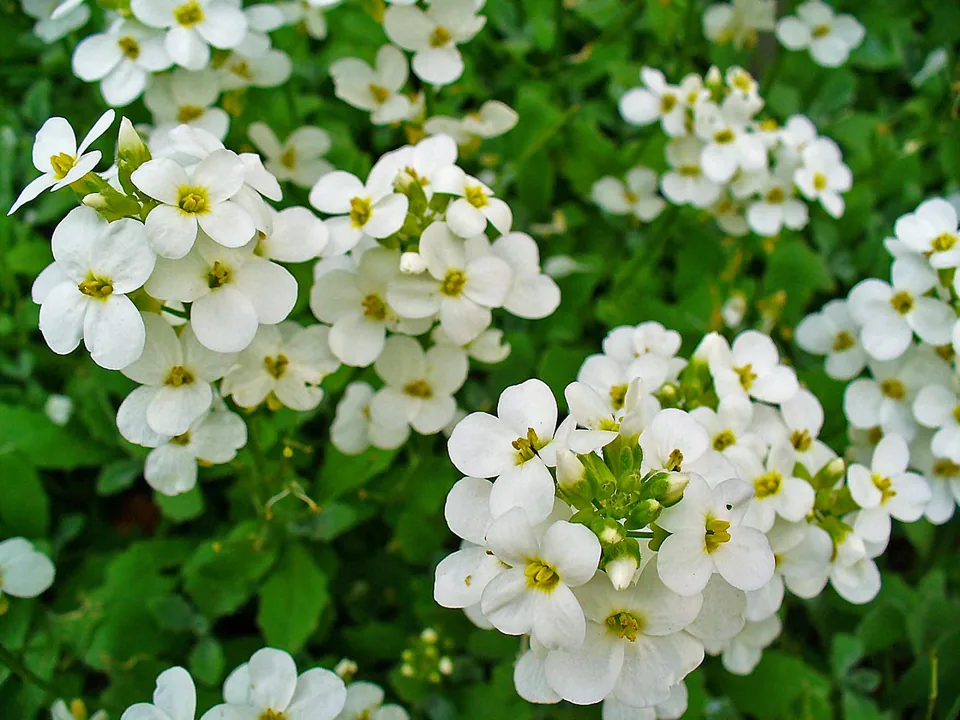
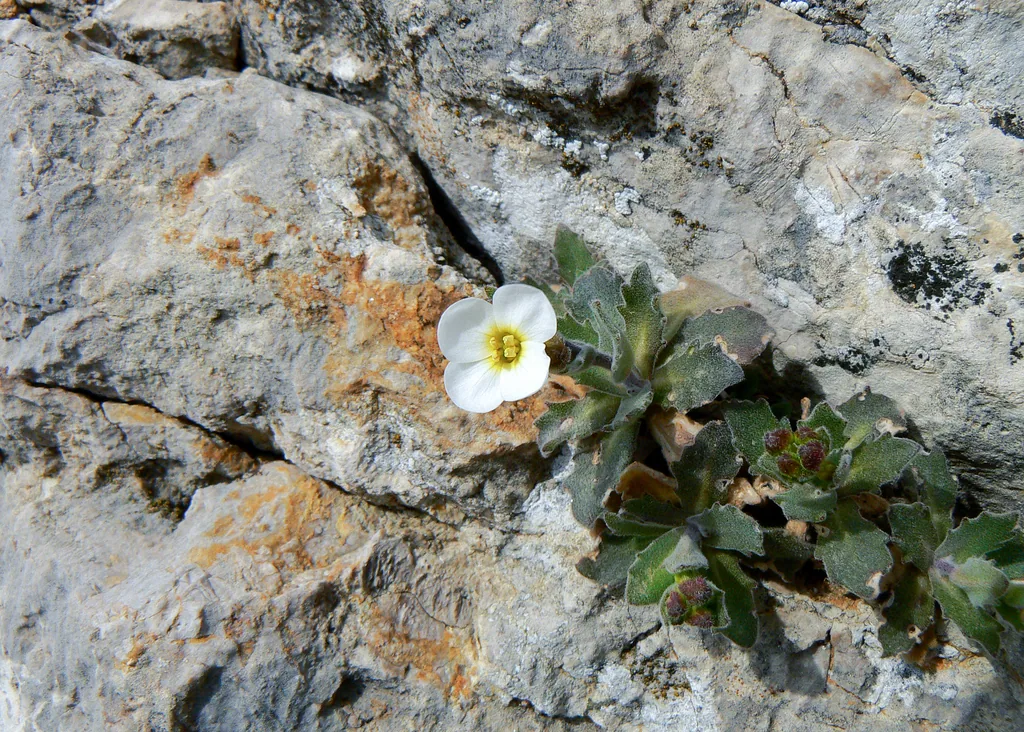
Caucasian rockcress is a sprawling evergreen perennial with sweet-scented white flowers, used as a groundcover and in rock gardens. [1] It grows in full sun and gritty, alkaline, well-drained soil, and the leaves are edible. [1]
Caucasian Rockcress care
How to water Caucasian Rockcress
Watering
Drought tolerant, suited to dry, sandy or rocky soil
What the sources say (1)
Particularly Resistant To (Insects/Diseases/Other Problems):
dry, sandy, or rocky soil; drought; somewhat infertile soilsWatering notes
Root rot, white rust and downy mildew may occur in overly moist or poorly drained soils
What the sources say (1)
Root rot, white rust, and downy mildew may occur in overly moist or poorly drained soils.How much light Caucasian Rockcress needs
Full sun
What the sources say (1)
Full sun (6 or more hours of direct sunlight a day)How much cold Caucasian Rockcress can take
Hardiness, coldest zone
4a [winter low −34.4 to −31.7 °C (−30 to −25 °F)]
What the sources say (1)
USDA Plant Hardiness Zone:
4a, 4b, 5a, 5b, 6a, 6b, 7a, 7bHardiness, warmest zone
7b [winter low −15 to −12.2 °C (5 to 10 °F)]
What the sources say (1)
USDA Plant Hardiness Zone:
4a, 4b, 5a, 5b, 6a, 6b, 7a, 7bWhere to grow Caucasian Rockcress
Yes
What the sources say (1)
Landscape Location:
Container
Meadow
Naturalized Area
Patio
Slope/BankHow to propagate Caucasian Rockcress
Division, seed, stem cutting
What the sources say (1)
Recommended Propagation Strategy:
Division
Seed
Stem Cutting
Country Or Region Of Origin:How to grow Caucasian Rockcress
The plant
Life cycle
perennial
What the sources say (1)
Genus: Arabis Species: caucasica Family: Brassicaceae Uses (Ethnobotany): Ground cover Life Cycle: PerennialFamily
Brassicaceae
What the sources say (1)
Genus: Arabis Species: caucasica Family: Brassicaceae Uses (Ethnobotany): Ground cover Life Cycle: PerennialMature height
15.24-30.48 cm (0.5-1 ft)
What the sources say (1)
Dimensions: Height: 0 ft. 6 in. - 1 ft. 0 in. Width: 0 ft. 6 in. - 1 ft. 6 in.Mature width
15.24-45.72 cm (0.5-1.5 ft)
What the sources say (1)
Dimensions: Height: 0 ft. 6 in. - 1 ft. 0 in. Width: 0 ft. 6 in. - 1 ft. 6 in.Pests and diseases
Pests
aphids
What the sources say (1)
No serious insect or disease problems. Aphids are an occasional issue.Diseases
root rot, white rust, downy mildew
What the sources say (1)
No serious insect or disease problems. Aphids are an occasional issue. Root rot, white rust, and downy mildew may occur in overly moist or poorly drained soils.Caucasian Rockcress pests and problems
Aphids
Symptom: Aphids are an occasional issue.
What to do: No serious insect or disease problems; aphids occasional.
What the sources say (1)
No serious insect or disease problems. Aphids are an occasional issue.
— Arabis caucasica (Caucasian Rockcress, Garden Rock Cross, Rock Cross, Wall Rock Cross) | North Carolina Extension Gardener Plant Toolbox [1] Root rot, white rust and downy mildew
Symptom: Root rot, white rust, and downy mildew in overly moist or poorly drained soils.
What to do: Grow in well-drained soil.
What the sources say (1)
Root rot, white rust, and downy mildew may occur in overly moist or poorly drained soils.
— Arabis caucasica (Caucasian Rockcress, Garden Rock Cross, Rock Cross, Wall Rock Cross) | North Carolina Extension Gardener Plant Toolbox [1] Summer heat
Symptom: Plants tend to suffer in summer heat south of Zone 6.
What to do: Not stated.
What the sources say (1)
Plants tend to suffer in summer heat south of Zone 6.
— Arabis caucasica (Caucasian Rockcress, Garden Rock Cross, Rock Cross, Wall Rock Cross) | North Carolina Extension Gardener Plant Toolbox [1]
Remedies
Each remedy shows what official sources say about it; traditional remedies without an official source are marked as such. Harmful ones are listed so you know to avoid them.
Treating the plant
aphids
strong spray of water Not verified
Traditional remedy, not verified by an official source.
How: Aphids are typically manageable with a strong spray of water.
insecticidal soap spray Works
Regardless of what product is used, be sure to test soap sprays for plant toxicity on a small area of the plant for a couple days prior to widespread use.
— site.extension.uga.edu [4] How: Aphids are typically manageable with insecticidal soap if necessary.
aphids occasionally appear but are typically manageable with a strong spray of water or insecticidal soap if necessary.
— ritasgardenpath.com [3] What the evidence says Aphids, whiteflies, thrips, mealybugs, and spider mites are all good candidates for soapy water sprays.
— site.extension.uga.edu [4]
fungal diseases
good air circulation and full sun Not verified
Traditional remedy, not verified by an official source.
How: Good air circulation and planting in full sun help mitigate fungal challenges.
Calendar
Pruning
After bloom
What the sources say (1)
Cut back foliage after bloom to promote denser growth habit.Months as given by the sources, which are mostly from the United States (northern hemisphere). In the southern hemisphere they shift by about six months.
Edibility
Reported by the source, quoted verbatim. Do not eat a plant on the basis of this page alone: identification mistakes can be dangerous.
The leaves are edible, primarily used as a garnish.
[1]
Indicative values
Values from a secondary source, not checked word for word like the rest of this page. Use them as a starting point.
- Hours of sun
- 6-8 hoursIndicative value, adapt it to your climate · Secondary source
- Drought tolerant
- yesIndicative value, adapt it to your climate · Secondary source
- Soil pH
- 6-7.5Indicative value, adapt it to your climate · Secondary source
- Growth rate
- LowIndicative value, adapt it to your climate · Secondary source
Similar plants
- American Yellow Rocket Barbarea orthoceras
- Annual Candytuft Iberis umbellata
- Basket-of-Gold Aurinia saxatilis
- Cabbage Brassica oleracea
- Candytuft Iberis amara
- Candytuft Iberis sempervirens
- Dame's Rocket Hesperis matronalis
- Field Pennycress Thlaspi arvense
Sources
Every value above is quoted from these documents. Links lead to the original publisher.
- Arabis caucasica (Caucasian Rockcress, Garden Rock Cross, Rock Cross, Wall Rock Cross) | North Carolina Extension Gardener Plant Toolbox · plants.ces.ncsu.edu, consulted
- Rock Cross - Arabis caucasica | North Carolina Extension Gardener Plant Toolbox · plants.ces.ncsu.edu, consulted
- ritasgardenpath.com · ritasgardenpath.com
- site.extension.uga.edu · site.extension.uga.edu
Written by Emilio Marruso · last checked