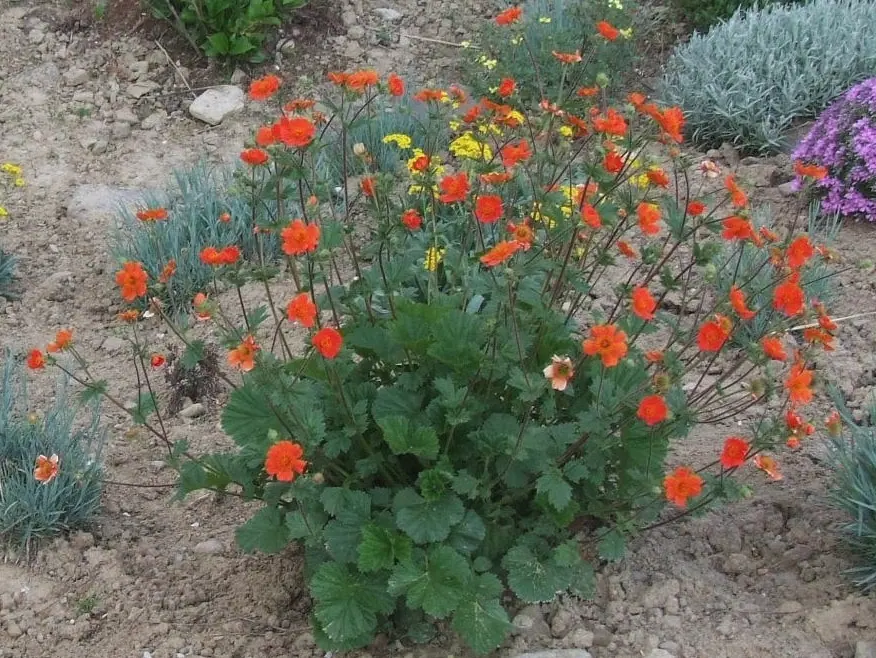
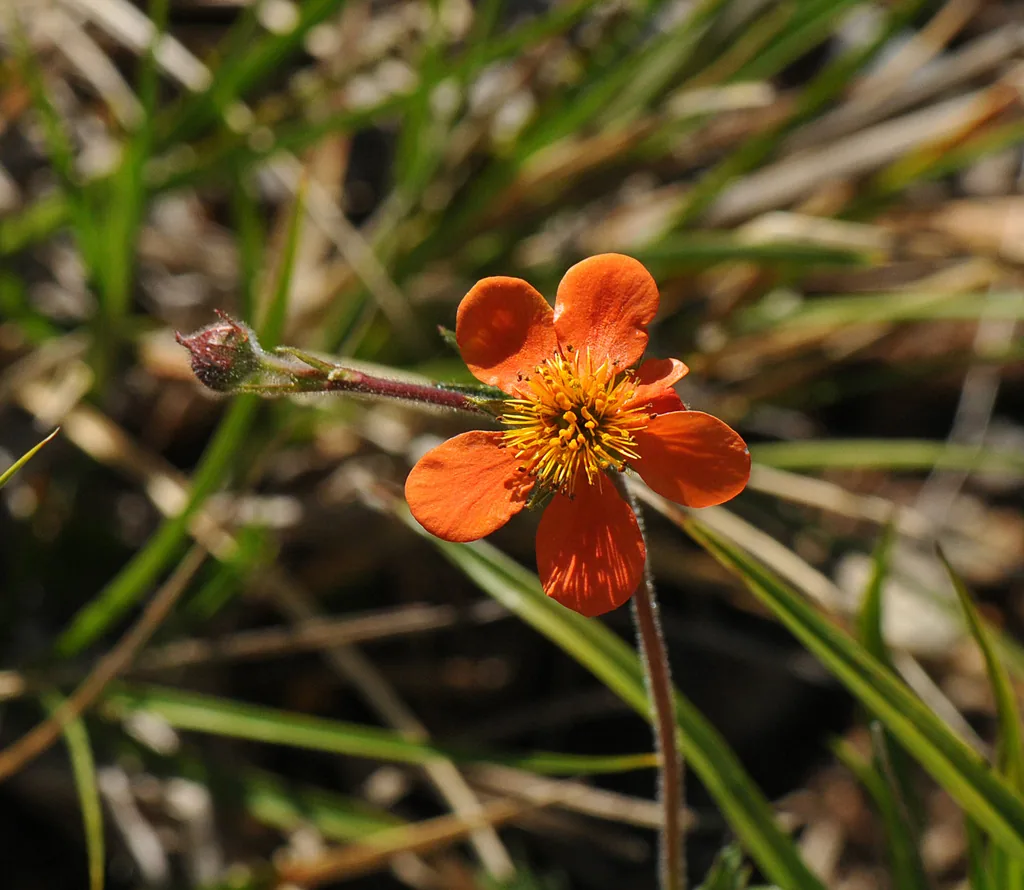

How to Grow and Care for Geum coccineum
Geum coccineum
Written by Emilio Marruso · last checked
At a glance
This geum is an easygoing choice for beginners: it grows happily in full sun or light shade, in the garden or in a container. Keep the soil always moist but never soggy, and give it less water in winter. Plant it in spring or fall, sow seeds in early spring or summer, or divide the plant in early spring to get more.
- Sun
Full sun or light shade
What the sources say (1)
Light: Full sun or light shade
Geum coccineum needs full sun or light shade exposure
— Geum coccineum or Red avens | Care and Growing [1] - Water
Keep the soil always moist but never soggy; water less in winter
What the sources say (1)
Watering: Keep the soil always humid but without puddling; reduce the water supply during the winter
Water in such a way that the soil is always humid but without puddling, reducing the water supply during the winter.
— Geum coccineum or Red avens | Care and Growing [1] - Planting
Plant in spring or fall
What the sources say (1)
Planting: Spring or fall
Planting in its final location can be done in spring or fall.
— Geum coccineum or Red avens | Care and Growing [1] - Propagation
From seed, or divide the plant in early spring
What the sources say (1)
Propagation: Seed (transplant seedlings at 6 months); division of the plant in early spring
Dwarf orange avens propagates from seeds sown in early spring or summer; seedlings can be transplanted at 6 months. It's also possible to do it by division of the plant in early spring.
— Geum coccineum or Red avens | Care and Growing [1] - Sowing
Sow in early spring or summer; move the seedlings when they are 6 months old
What the sources say (2)
Sowing: Early spring or summer
Dwarf orange avens propagates from seeds sown in early spring or summer
— Geum coccineum or Red avens | Care and Growing [1] Propagation: Seed (transplant seedlings at 6 months); division of the plant in early spring
Dwarf orange avens propagates from seeds sown in early spring or summer; seedlings can be transplanted at 6 months. It's also possible to do it by division of the plant in early spring.
— Geum coccineum or Red avens | Care and Growing [1] - Containers
Grows in containers too
What the sources say (1)
In containers: Yes
Red avens is used for alpine rockery, flower beds and borders and in pots for patios and terraces.
— Geum coccineum or Red avens | Care and Growing [1]
Overview
Geum coccineum is a small perennial native to the Eastern Mediterranean region, used in rock gardens, borders and pots. [1] It needs full sun or light shade and is propagated by seed or division. [1]
This record is incomplete: the sources we read do not cover every field yet.
Not yet covered by our sources: Hardiness, coldest zone, Hardiness, warmest zone, Pruning
Geum coccineum care
How to water Geum coccineum
Keep the soil always humid but without puddling; reduce the water supply during the winter
What the sources say (1)
Water in such a way that the soil is always humid but without puddling, reducing the water supply during the winter.How much light Geum coccineum needs
Full sun or light shade
What the sources say (1)
Geum coccineum needs full sun or light shade exposureHow much cold Geum coccineum can take
Hardiness, coldest zone
Not stated in the sources we read.
Hardiness, warmest zone
Not stated in the sources we read.
Where to grow Geum coccineum
Yes
What the sources say (1)
Red avens is used for alpine rockery, flower beds and borders and in pots for patios and terraces.How to propagate Geum coccineum
Seed (transplant seedlings at 6 months); division of the plant in early spring
What the sources say (1)
Dwarf orange avens propagates from seeds sown in early spring or summer; seedlings can be transplanted at 6 months. It's also possible to do it by division of the plant in early spring.Remedies
The sources we checked give no remedies for this plant.
Calendar
Sowing
Early spring or summer
What the sources say (1)
Dwarf orange avens propagates from seeds sown in early spring or summerPlanting
Spring or fall
What the sources say (1)
Planting in its final location can be done in spring or fall.Pruning
Not stated in the sources we read.
Months as given by the sources, which are mostly from the United States (northern hemisphere). In the southern hemisphere they shift by about six months.
Indicative values
Values from a secondary source, not checked word for word like the rest of this page. Use them as a starting point.
- Life cycle
- Herbaceous PerennialIndicative value, adapt it to your climate · Secondary source
- Mature height
- 30.5-45.7 cm (1-1.5 ft)Indicative value, adapt it to your climate · Secondary source
- Hours of sun
- 6-8 hoursIndicative value, adapt it to your climate · Secondary source
- Drought tolerant
- yesIndicative value, adapt it to your climate · Secondary source
- Soil pH
- 6-7Indicative value, adapt it to your climate · Secondary source
- USDA hardiness zones
- 5-7 [winter low −28.9 to −12.2 °C (−20 to 10 °F)]Indicative value, adapt it to your climate · Secondary source
- Care level
- MediumIndicative value, adapt it to your climate · Secondary source
- Growth rate
- LowIndicative value, adapt it to your climate · Secondary source
- Pruning
- AugustIndicative value, adapt it to your climate · Secondary source
- Pests
- Pest resistant, Disease resistant, Deer resistant, Drought resistantIndicative value, adapt it to your climate · Secondary source
Similar plants
- Herb bennet Geum urbanum
- Largeleaf Avens Geum macrophyllum
- Old man's whiskers Geum triflorum
- Abies grandis Abies grandis
- Abraham Trachystemon orientalis
- Abyssinian banana Ensete ventricosum
- Acacia longifolia Acacia longifolia
- Acanthus hungaricus Acanthus hungaricus
Sources
Every value above is quoted from these documents. Links lead to the original publisher.
- Geum coccineum or Red avens | Care and Growing · consultaplantas.com, consulted
- Günther's Site - Photos of European Plants - Geum coccineum · guenther-blaich.de, consulted
Written by Emilio Marruso · last checked