
How to Grow and Care for Maximilian Sunflower
Helianthus maximiliani
Written by Emilio Marruso · last checked
At a glance
Maximilian sunflower is a perennial that comes back year after year and can reach 2 to 10 feet tall. Give it full sun and well-drained soil, and once settled in it shrugs off dry spells. Its seeds also feed birds and squirrels, so your garden fills with life.
- Sun
Full sun
What the sources say (1)
Light: Full sun
Prefers full sun, medium-moist to dry, well-drained soils of clay, loam, or sand.
— Helianthus maximiliani (Maximilian Sunflower, Max Sunflower, Michaelmas Daisy) | North Carolina Extension Gardener Plant Toolbox [1] - Water
Handles dry spells once it is settled in
What the sources say (1)
Watering: Drought tolerant once established
It is drought-tolerant once established and is tolerant of deer, dry, clay, and rocky soil.
— Helianthus maximiliani (Maximilian Sunflower, Max Sunflower, Michaelmas Daisy) | North Carolina Extension Gardener Plant Toolbox [1] - Cold
Survives winters down to −30 °F (−34.4 °C)
Very hardy · USDA 4a · RHS H7 · Z4
What the sources say (2)
Hardiness, coldest zone: 4a [winter low −34.4 to −31.7 °C (−30 to −25 °F)]
USDA Plant Hardiness Zone: 4a, 4b, 5a, 5b, 6a, 6b, 7a, 7b, 8a, 8b, 9a, 9b
— Helianthus maximiliani (Maximilian Sunflower, Max Sunflower, Michaelmas Daisy) | North Carolina Extension Gardener Plant Toolbox [1] Hardiness, warmest zone: 9b [winter low −3.9 to −1.1 °C (25 to 30 °F)]
USDA Plant Hardiness Zone: 4a, 4b, 5a, 5b, 6a, 6b, 7a, 7b, 8a, 8b, 9a, 9b
— Helianthus maximiliani (Maximilian Sunflower, Max Sunflower, Michaelmas Daisy) | North Carolina Extension Gardener Plant Toolbox [1] - Soil
Well-drained soil, medium-moist to dry, pH 6.0–8.0
What the sources say (3)
Watering notes: Medium-moist to dry, well-drained soils
Prefers full sun, medium-moist to dry, well-drained soils of clay, loam, or sand.
— Helianthus maximiliani (Maximilian Sunflower, Max Sunflower, Michaelmas Daisy) | North Carolina Extension Gardener Plant Toolbox [1] Soil pH, minimum: 6.0
Soil pH: Neutral (6.0-8.0) Soil Drainage: Good Drainage Moist
— Helianthus maximiliani (Maximilian Sunflower, Max Sunflower, Michaelmas Daisy) | North Carolina Extension Gardener Plant Toolbox [1] Soil pH, maximum: 8.0
Soil pH: Neutral (6.0-8.0) Soil Drainage: Good Drainage Moist
— Helianthus maximiliani (Maximilian Sunflower, Max Sunflower, Michaelmas Daisy) | North Carolina Extension Gardener Plant Toolbox [1] - Feeding
A balanced fertilizer like 10-10-10; too much nitrogen means leaves instead of flowers
What the sources say (2)
Mineral fertilizers: Balanced fertilizer such as 10-10-10
Sunflowers do best with a balanced fertilizer (for example, NPK = 10-10-10). Avoid high nitrogen fertilizers as these promote leaf growth rather than flower formation.
— [2] Avoid: High-nitrogen fertilizers: they favour leaves over flowers
Sunflowers do best with a balanced fertilizer (for example, NPK = 10-10-10). Avoid high nitrogen fertilizers as these promote leaf growth rather than flower formation.
— [2] - Size
2 to 10 ft tall and 2 to 4 ft wide
What the sources say (2)
Mature height: 61-305 cm (2 ft - 10 ft)
Height: 2 ft. 0 in. - 10 ft. 0 in.
— Helianthus maximiliani (Maximilian Sunflower, Max Sunflower, Michaelmas Daisy) | North Carolina Extension Gardener Plant Toolbox [1] Mature width: 61-122 cm (2 ft - 4 ft)
Width: 2 ft. 0 in. - 4 ft. 0 in.
— Helianthus maximiliani (Maximilian Sunflower, Max Sunflower, Michaelmas Daisy) | North Carolina Extension Gardener Plant Toolbox [1] - Propagation
Grows from seed
What the sources say (1)
Propagation: Seed
It is easily grown from seed and can self-seed, forming large colonies.
— Helianthus maximiliani (Maximilian Sunflower, Max Sunflower, Michaelmas Daisy) | North Carolina Extension Gardener Plant Toolbox [1]
Overview
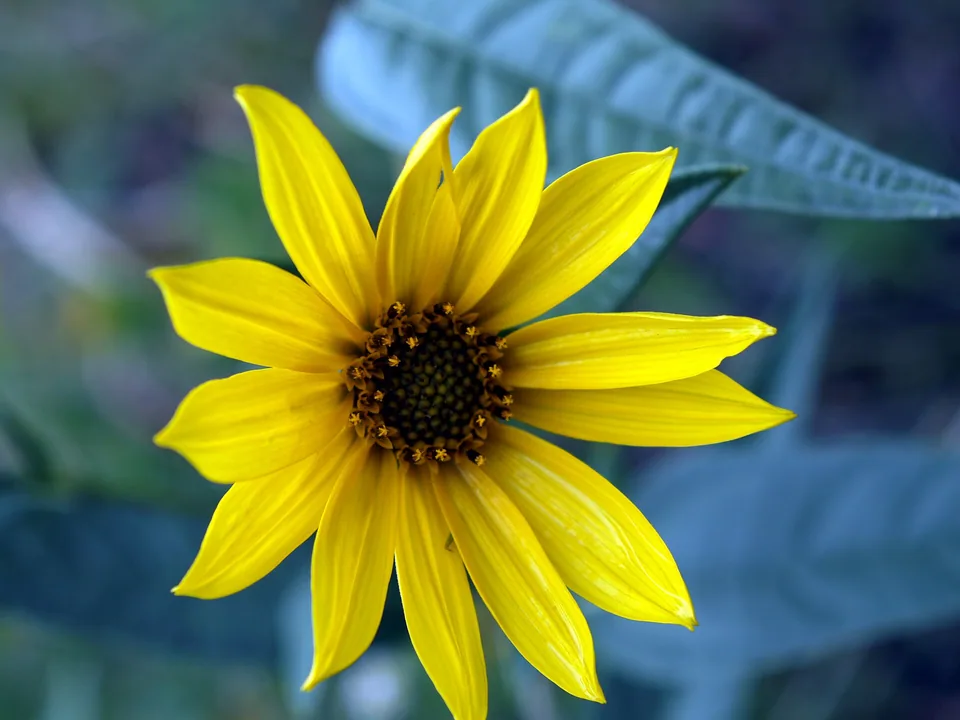
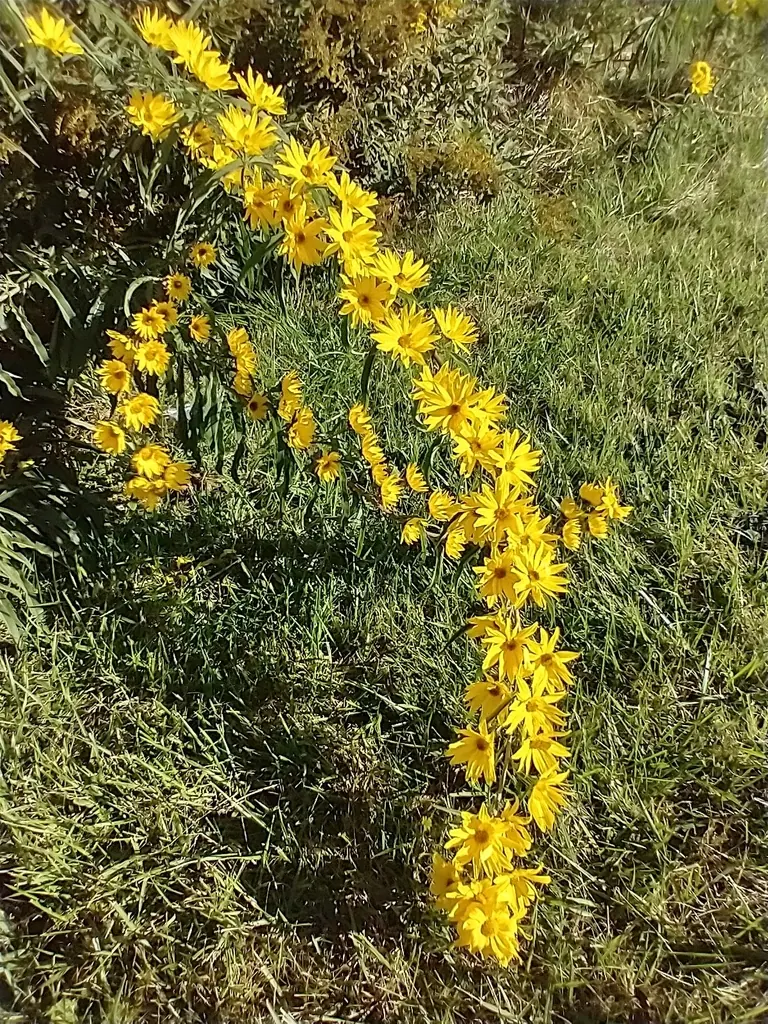
Maximilian sunflower is a tall, rhizomatous perennial prairie wildflower native to Canada, the United States and Northeast Mexico. [1] It prefers full sun and well-drained soil, and is drought tolerant once established. [1] It self-seeds and can form large colonies. [1]
This record is incomplete: the sources we read do not cover every field yet.
Not yet covered by our sources: Pruning
Maximilian Sunflower care
How to water Maximilian Sunflower
Watering
Drought tolerant once established
What the sources say (1)
It is drought-tolerant once established and is tolerant of deer, dry, clay, and rocky soil.Watering notes
Medium-moist to dry, well-drained soils
What the sources say (1)
Prefers full sun, medium-moist to dry, well-drained soils of clay, loam, or sand.How much light Maximilian Sunflower needs
Full sun
What the sources say (1)
Prefers full sun, medium-moist to dry, well-drained soils of clay, loam, or sand.How much cold Maximilian Sunflower can take
Hardiness, coldest zone
4a [winter low −34.4 to −31.7 °C (−30 to −25 °F)]
What the sources say (1)
USDA Plant Hardiness Zone:
4a, 4b, 5a, 5b, 6a, 6b, 7a, 7b, 8a, 8b, 9a, 9bHardiness, warmest zone
9b [winter low −3.9 to −1.1 °C (25 to 30 °F)]
What the sources say (1)
USDA Plant Hardiness Zone:
4a, 4b, 5a, 5b, 6a, 6b, 7a, 7b, 8a, 8b, 9a, 9bBest soil for Maximilian Sunflower
Soil pH, minimum
6.0
What the sources say (1)
Soil pH:
Neutral (6.0-8.0)
Soil Drainage:
Good Drainage
MoistSoil pH, maximum
8.0
What the sources say (1)
Soil pH:
Neutral (6.0-8.0)
Soil Drainage:
Good Drainage
MoistHow to propagate Maximilian Sunflower
Seed
What the sources say (1)
It is easily grown from seed and can self-seed, forming large colonies.How to grow Maximilian Sunflower
The plant
Life cycle
perennial
What the sources say (1)
Maximilian sunflower is a tall, rhizomatous, perennial prairie wildflower native to portions of Canada, the United States, and Northeast MexicoFamily
Asteraceae
What the sources say (1)
It is a member of the daisy family (Asteraceae).Mature height
61-305 cm (2 ft - 10 ft)
What the sources say (1)
Height: 2 ft. 0 in. - 10 ft. 0 in.Mature width
61-122 cm (2 ft - 4 ft)
What the sources say (1)
Width: 2 ft. 0 in. - 4 ft. 0 in.Fertilizing
Mineral fertilizers
Balanced fertilizer such as 10-10-10
What the sources say (1)
Sunflowers do best with a balanced fertilizer (for example, NPK = 10-10-10). Avoid high nitrogen fertilizers as these promote leaf growth rather than flower formation.Avoid
High-nitrogen fertilizers: they favour leaves over flowers
What the sources say (1)
Sunflowers do best with a balanced fertilizer (for example, NPK = 10-10-10). Avoid high nitrogen fertilizers as these promote leaf growth rather than flower formation.Remedies
Each remedy shows what official sources say about it; traditional remedies without an official source are marked as such. Harmful ones are listed so you know to avoid them.
Treating the plant
powdery mildew
picking off affected leaves Partly works
How: pick off affected leaves as soon as symptoms are evident, placing them in a plastic bag to avoid spreading spores
Disease can be minimized by avoiding overcrowded spacing of plants and by carefully picking off affected leaves as soon as symptoms are evident.
— portal.ct.gov [3] What the evidence says Disease can be minimized by avoiding overcrowded spacing of plants and by carefully picking off affected leaves as soon as symptoms are evident.
— portal.ct.gov [3]
rust
autumn clean-up of plant refuse Partly works
How: clean up plant refuse in the fall and space the plants for good air circulation
This disease can be minimized by cleaning up plant refuse in the fall and by adequate spacing of the plants to promote good air circulation.
— portal.ct.gov [3] What the evidence says This disease can be minimized by cleaning up plant refuse in the fall and by adequate spacing of the plants to promote good air circulation.
— portal.ct.gov [3]
flopping stems
staking Official source, not independently tested
How: taller plants may benefit from staking
It is easily grown from seed and can self-seed, forming large colonies. Taller plants may benefit from staking.
— Helianthus maximiliani (Maximilian Sunflower, Max Sunflower, Michaelmas Daisy) | North Carolina Extension Gardener Plant Toolbox [1]
Calendar
Pruning
Not stated in the sources we read.
Months as given by the sources, which are mostly from the United States (northern hemisphere). In the southern hemisphere they shift by about six months.
Edibility
Reported by the source, quoted verbatim. Do not eat a plant on the basis of this page alone: identification mistakes can be dangerous.
Indicative values
Values from a secondary source, not checked word for word like the rest of this page. Use them as a starting point.
- Hours of sun
- 6-8 hoursIndicative value, adapt it to your climate · Secondary source
- Drought tolerant
- yesIndicative value, adapt it to your climate · Secondary source
- Soil
- Sandy Loamy Clay Humus RockyIndicative value, adapt it to your climate · Secondary source
- Care level
- MediumIndicative value, adapt it to your climate · Secondary source
- Growth rate
- HighIndicative value, adapt it to your climate · Secondary source
- Pruning
- February, March, AprilIndicative value, adapt it to your climate · Secondary source
Similar plants
- Appalachian Sunflower Helianthus atrorubens
- Jerusalem Artichoke Helianthus tuberosus
- Muck Sunflower Helianthus simulans
- Naked-stem Sunflower Helianthus occidentalis
- Resinous Sunflower Helianthus resinosus
- Schweinitz's Sunflower Helianthus schweinitzii
- Sunflower Helianthus angustifolius
- Sunflower Helianthus annuus
Sources
Every value above is quoted from these documents. Links lead to the original publisher.
- Helianthus maximiliani (Maximilian Sunflower, Max Sunflower, Michaelmas Daisy) | North Carolina Extension Gardener Plant Toolbox · plants.ces.ncsu.edu, consulted
- extension.oregonstate.edu · extension.oregonstate.edu
- portal.ct.gov · portal.ct.gov
Written by Emilio Marruso · last checked