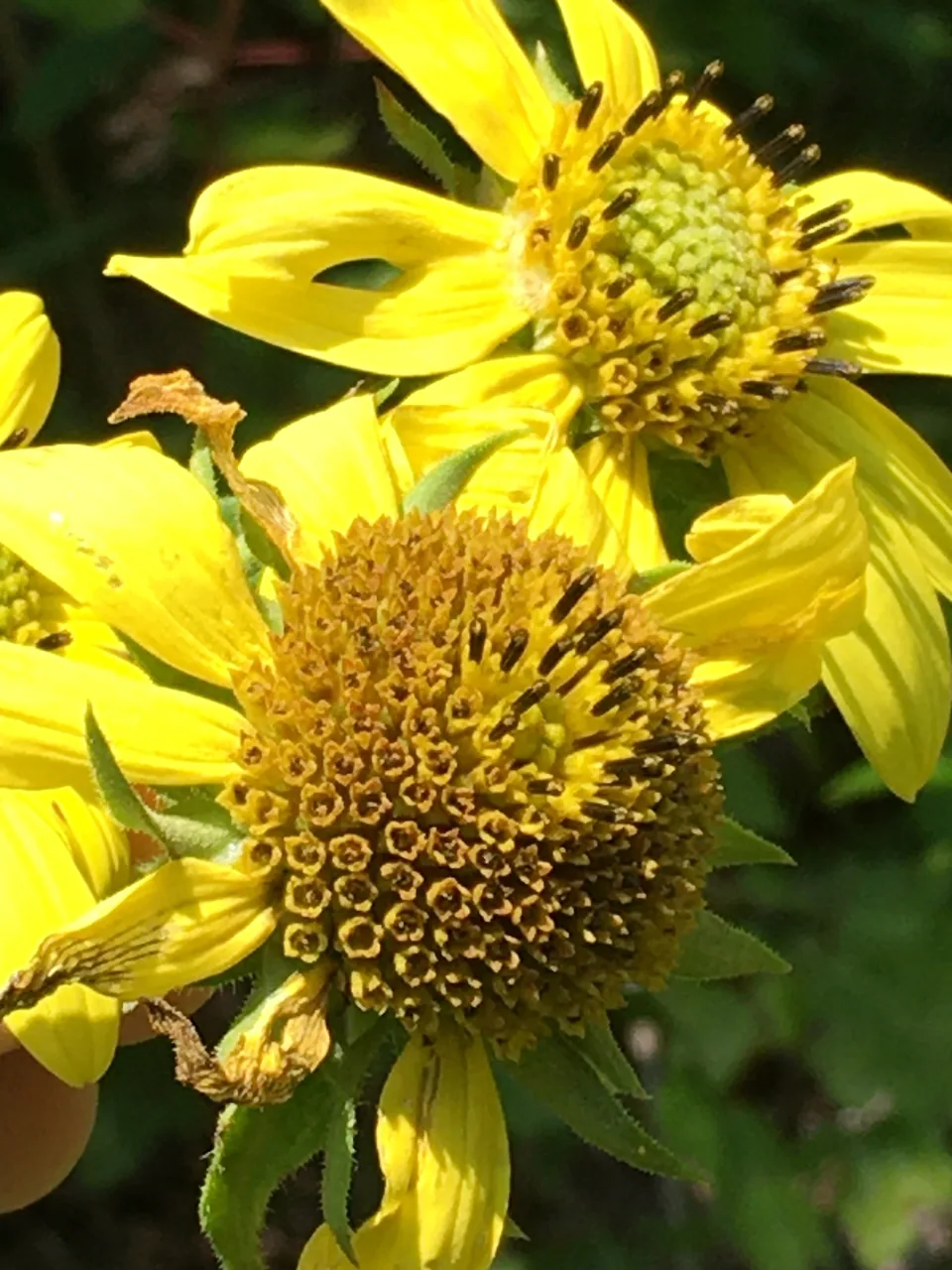
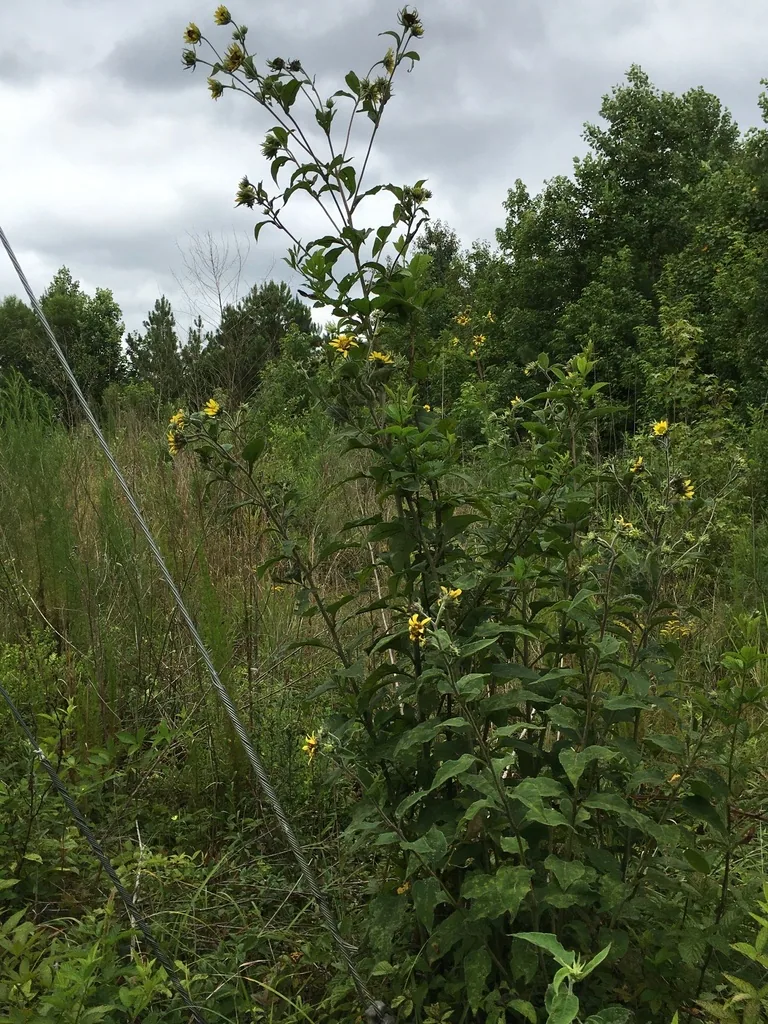

How to Grow and Care for Resinous Sunflower
Helianthus resinosus
Written by Emilio Marruso · last checked
At a glance
This perennial sunflower is an easygoing giant: it grows up to 8 feet tall and is happy in full sun or partial shade. It likes average moisture but tolerates dry soil, so it forgives a missed watering. It spreads by seed and underground suckers, giving you plenty of new plants to dig up, pot and share with other gardeners.
- Sun
Full sun to partial shade
What the sources say (1)
Light: Full sun to partial shade
This plant is native to North Carolina and prefers full sun to partial shade and soil of average moisture.
— Helianthus resinosus (Resindot Sunflower, Resinous Sunflower) | North Carolina Extension Gardener Plant Toolbox [1] - Water
Average moisture is best, but it tolerates dry soil
What the sources say (2)
Watering: Average moisture soil; tolerates dry soil
prefers full sun to partial shade and soil of average moisture. However, it does tolerate dry soil and soils of most texture, including clay.
— Helianthus resinosus (Resindot Sunflower, Resinous Sunflower) | North Carolina Extension Gardener Plant Toolbox [1] Watering notes: Soil drainage: moist, occasionally dry
Soil Texture: Clay High Organic Matter Loam (Silt) Soil pH: Acid (<6.0) Alkaline (>8.0) Neutral (6.0-8.0) Soil Drainage: Moist Occasionally Dry
— Helianthus resinosus (Resindot Sunflower, Resinous Sunflower) | North Carolina Extension Gardener Plant Toolbox [1] - Cold
Survives winters down to 0 °F (−17.8 °C)
Hardy in very cold winters · USDA 7a · RHS H6 · Z7
What the sources say (2)
Hardiness, coldest zone: 7a [winter low −17.8 to −15 °C (0 to 5 °F)]
USDA Plant Hardiness Zone: 7a, 7b, 8a, 8b, 9a, 9b
— Helianthus resinosus (Resindot Sunflower, Resinous Sunflower) | North Carolina Extension Gardener Plant Toolbox [1] Hardiness, warmest zone: 9b [winter low −3.9 to −1.1 °C (25 to 30 °F)]
USDA Plant Hardiness Zone: 7a, 7b, 8a, 8b, 9a, 9b
— Helianthus resinosus (Resindot Sunflower, Resinous Sunflower) | North Carolina Extension Gardener Plant Toolbox [1] - Watch out
Spreads by seed and underground suckers; dig suckers up with a small trowel to keep it in check
What the sources say (1)
Propagation: Division, root cutting, seed; also by underground suckers
Recommended Propagation Strategy: Division Root Cutting Seed Country Or Region Of Origin: Southeastern United States
— Helianthus resinosus (Resindot Sunflower, Resinous Sunflower) | North Carolina Extension Gardener Plant Toolbox [1] - Size
Up to 8 ft tall
What the sources say (1)
Mature height: up to 243.84 cm (8 ft)
Each stem can grow up to 8 feet in height and will produce 1 to 5 flower heads.
— Helianthus resinosus (Resindot Sunflower, Resinous Sunflower) | North Carolina Extension Gardener Plant Toolbox [1] - Propagation
By division, root cuttings, seed or potted-up suckers
What the sources say (1)
Propagation: Division, root cutting, seed; also by underground suckers
Recommended Propagation Strategy: Division Root Cutting Seed Country Or Region Of Origin: Southeastern United States
— Helianthus resinosus (Resindot Sunflower, Resinous Sunflower) | North Carolina Extension Gardener Plant Toolbox [1]
Overview
Resinous sunflower is a tall herbaceous perennial wildflower native to several southeastern US states. [1] It is used in butterfly, native and pollinator gardens. [1] Its ease of spread can make it a problem to keep under control. [1]
This record is incomplete: the sources we read do not cover every field yet.
Not yet covered by our sources: Pruning
Resinous Sunflower care
How to water Resinous Sunflower
Watering
Average moisture soil; tolerates dry soil
What the sources say (1)
prefers full sun to partial shade and soil of average moisture. However, it does tolerate dry soil and soils of most texture, including clay.Watering notes
Soil drainage: moist, occasionally dry
What the sources say (1)
Soil Texture:
Clay
High Organic Matter
Loam (Silt)
Soil pH:
Acid (<6.0)
Alkaline (>8.0)
Neutral (6.0-8.0)
Soil Drainage:
Moist
Occasionally DryHow much light Resinous Sunflower needs
Full sun to partial shade
What the sources say (1)
This plant is native to North Carolina and prefers full sun to partial shade and soil of average moisture.How much cold Resinous Sunflower can take
Hardiness, coldest zone
7a [winter low −17.8 to −15 °C (0 to 5 °F)]
What the sources say (1)
USDA Plant Hardiness Zone:
7a, 7b, 8a, 8b, 9a, 9bHardiness, warmest zone
9b [winter low −3.9 to −1.1 °C (25 to 30 °F)]
What the sources say (1)
USDA Plant Hardiness Zone:
7a, 7b, 8a, 8b, 9a, 9bHow to propagate Resinous Sunflower
Division, root cutting, seed; also by underground suckers
What the sources say (1)
Recommended Propagation Strategy:
Division
Root Cutting
Seed
Country Or Region Of Origin:
Southeastern United StatesHow to grow Resinous Sunflower
The plant
Life cycle
perennial
What the sources say (1)
Resinous Sunflower is an herbaceous perennial wildflower native to several southeastern states.Family
Asteraceae
What the sources say (1)
Genus:
Helianthus
Species:
resinosus
Family:
Asteraceae
Life Cycle:
PerennialMature height
up to 243.84 cm (8 ft)
What the sources say (1)
Each stem can grow up to 8 feet in height and will produce 1 to 5 flower heads.Resinous Sunflower pests and problems
Weedy spread
Symptom: Self-seeds and multiplies by underground suckers; the ease of spread can make it a problem to keep under control.
What to do: Suckers can be dug up with a small trowel, potted and shared with other gardeners.
What the sources say (1)
It will also multiply by underground suckers. The suckers can be shared with other gardeners.
— Helianthus resinosus (Resindot Sunflower, Resinous Sunflower) | North Carolina Extension Gardener Plant Toolbox [1]
Remedies
Each remedy shows what official sources say about it; traditional remedies without an official source are marked as such. Harmful ones are listed so you know to avoid them.
Treating the plant
powdery mildew
picking off affected leaves Official source, not independently tested
How: Carefully pick off affected leaves as soon as symptoms are evident; place them in a plastic bag to avoid spreading spores.
Disease can be minimized by avoiding overcrowded spacing of plants and by carefully picking off affected leaves as soon as symptoms are evident.
— portal.ct.gov [3]
rust
cleaning up plant refuse in the fall Official source, not independently tested
How: Clean up plant refuse in the fall and space plants adequately for good air circulation.
This disease can be minimized by cleaning up plant refuse in the fall and by adequate spacing of the plants to promote good air circulation.
— portal.ct.gov [3]
Calendar
Pruning
Not stated in the sources we read.
Months as given by the sources, which are mostly from the United States (northern hemisphere). In the southern hemisphere they shift by about six months.
Similar plants
- Appalachian Sunflower Helianthus atrorubens
- Jerusalem Artichoke Helianthus tuberosus
- Maximilian Sunflower Helianthus maximiliani
- Muck Sunflower Helianthus simulans
- Naked-stem Sunflower Helianthus occidentalis
- Schweinitz's Sunflower Helianthus schweinitzii
- Sunflower Helianthus angustifolius
- Sunflower Helianthus annuus
Sources
Every value above is quoted from these documents. Links lead to the original publisher.
- Helianthus resinosus (Resindot Sunflower, Resinous Sunflower) | North Carolina Extension Gardener Plant Toolbox · plants.ces.ncsu.edu, consulted
- Helianthus (Sunflower) | North Carolina Extension Gardener Plant Toolbox · plants.ces.ncsu.edu, consulted
- portal.ct.gov · portal.ct.gov
Written by Emilio Marruso · last checked