
How to Grow and Care for Licorice-plant
Helichrysum petiolare
Written by Emilio Marruso · last checked
At a glance
You can start licorice plant from seed or stem cuttings, and it grows happily in containers too. Sow it in autumn in warm climates, or in spring once the danger of frost has passed where winters are colder. Water two to three times a week in summer and once a week in winter, letting the soil dry out in between.
- Water
2–3 times a week in summer, once a week in winter; let the soil dry between waterings
What the sources say (3)
Watering: 2-3 times a week in summer and once a week in winter, waiting for the soil to dry between waterings
Containers (summer): it may be necessary to water every day in summer when growing licorice plant in containers. Hot temperatures and small containers may even require water more than once daily.
— Licorice Vine - Information On The Care Of Helichrysum Licorice Plant | Gardening Know How [3] En cuanto al riego se recomienda regar 2 - 3 veces a la semana en verano y durante el invierno disminuir la cantidad de riegos semanales a uno.
— Helichrysum petiolare - EcuRed [4] Hay que esperar a que la tierra esté seca para administrar el siguiente riego.
— Helichrysum petiolare - EcuRed [4] - Watch out
It can spread into dense patches that crowd out native plants
- Propagation
From seed or stem cuttings
What the sources say (2)
Propagation: Seed and stem cuttings
Para sembrar, tome esquejes del crecimiento de la temporada actual, en algún momento a fines del verano .
— Helichrysum petiolare - EcuRed [4] It reproduces by seed and vegetatively from stem fragments.
— Helichrysum petiolare Profile – California Invasive Plant Council [1] - Sowing
Autumn in warm climates; spring, after the danger of frost, in colder ones
What the sources say (3)
Sowing: Autumn in warm climates; spring after the danger of frost in colder climates
clima cálido (warm climate): Si esta especie vive en un clima cálido, plante las semillas al aire libre en otoño
— Helichrysum petiolare - EcuRed [4] climas más fríos (colder climates): En climas más fríos , plante las semillas en primavera después de que haya pasado el peligro de las heladas.
— Helichrysum petiolare - EcuRed [4] Si esta especie vive en un clima cálido, plante las semillas al aire libre en otoño . En climas más fríos , plante las semillas en primavera después de que haya pasado el peligro de las heladas.
— Helichrysum petiolare - EcuRed [4] - Containers
Grows in containers; in summer it may need water every day
What the sources say (4)
In containers: Yes
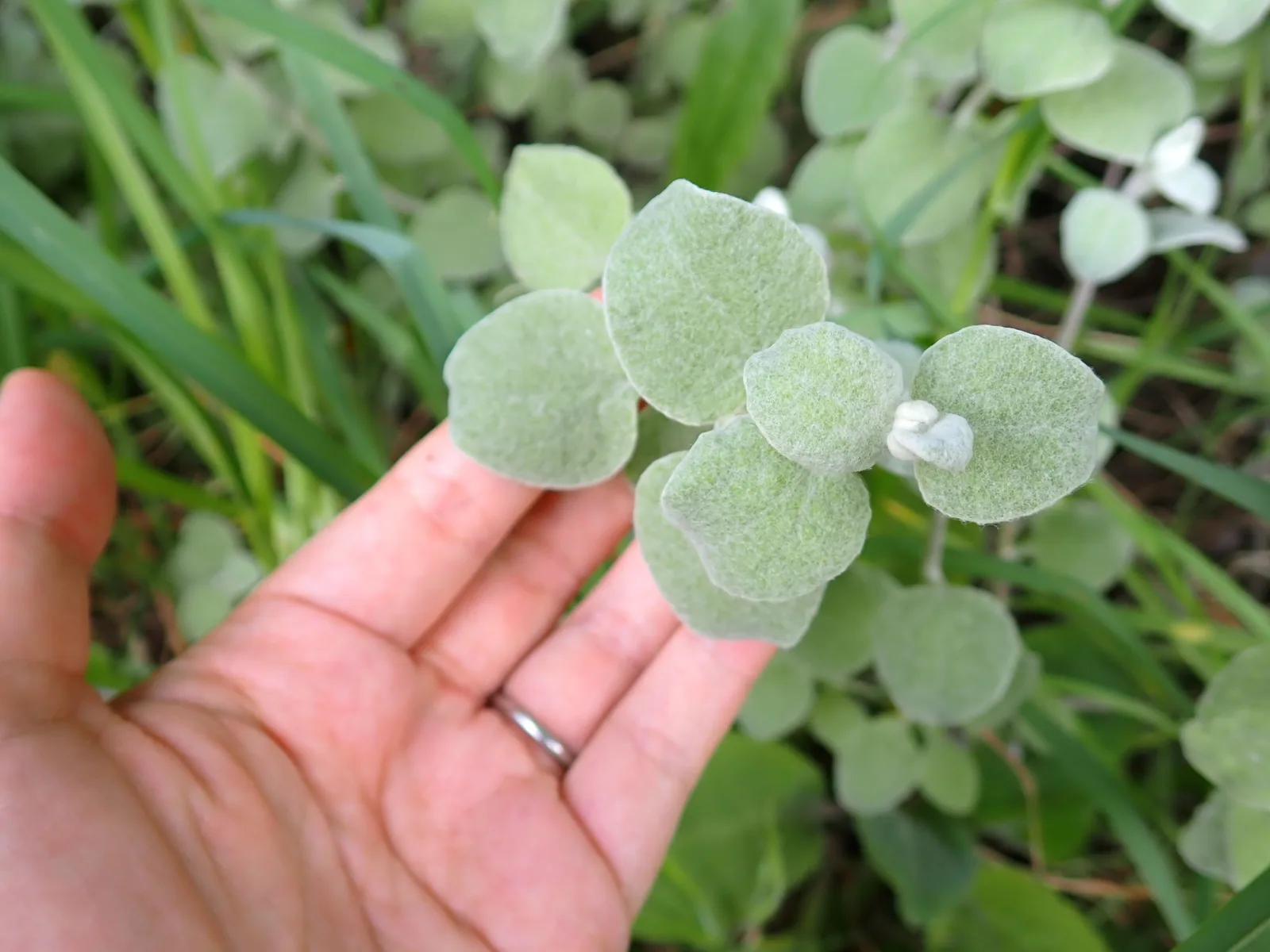
Growing licorice plants ( Helichrysum petiolare ) offer an interesting cascade in the container garden, and a trailing mass of gray foliage.
— Licorice Vine - Information On The Care Of Helichrysum Licorice Plant | Gardening Know How [3] Watering: 2-3 times a week in summer and once a week in winter, waiting for the soil to dry between waterings
Containers (summer): it may be necessary to water every day in summer when growing licorice plant in containers. Hot temperatures and small containers may even require water more than once daily.
— Licorice Vine - Information On The Care Of Helichrysum Licorice Plant | Gardening Know How [3] En cuanto al riego se recomienda regar 2 - 3 veces a la semana en verano y durante el invierno disminuir la cantidad de riegos semanales a uno.
— Helichrysum petiolare - EcuRed [4] Hay que esperar a que la tierra esté seca para administrar el siguiente riego.
— Helichrysum petiolare - EcuRed [4]
Overview
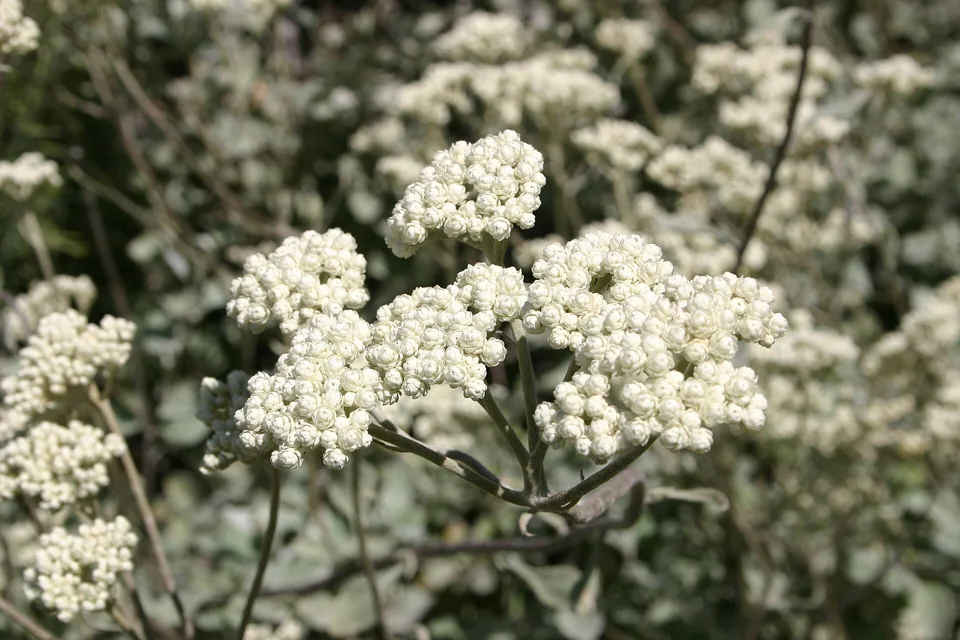
Licorice plant is a white-woolly, sprawling shrub grown as a landscape ornamental. [5][1] It has escaped cultivation in California and is listed as an environmental weed in New Zealand. [1][2]
This record is incomplete: the sources we read do not cover every field yet.
Not yet covered by our sources: Light, Hardiness, coldest zone, Hardiness, warmest zone, Pruning
Licorice-plant care
How to water Licorice-plant
2-3 times a week in summer and once a week in winter, waiting for the soil to dry between waterings
What each source says
Containers (summer): May need watering every day, more than once daily with hot temperatures and small containers
What the sources say (3)
Containers (summer): it may be necessary to water every day in summer when growing licorice plant in containers. Hot temperatures and small containers may even require water more than once daily.En cuanto al riego se recomienda regar 2 - 3 veces a la semana en verano y durante el invierno disminuir la cantidad de riegos semanales a uno.Hay que esperar a que la tierra esté seca para administrar el siguiente riego.How much light Licorice-plant needs
Not stated in the sources we read.
How much cold Licorice-plant can take
Hardiness, coldest zone
Not stated in the sources we read.
Hardiness, warmest zone
Not stated in the sources we read.
Where to grow Licorice-plant
Yes
What the sources say (1)
Growing licorice plants ( Helichrysum petiolare ) offer an interesting cascade in the container garden, and a trailing mass of gray foliage.How to propagate Licorice-plant
Seed and stem cuttings
Licorice-plant pests and problems
Escape from cultivation
Symptom: Can grow to form dense stands that may crowd out native plants
What the sources say (1)
The extent of its impacts are unknown, but it can grow to form dense stands that may crowd out native plants.
— Helichrysum petiolare Profile – California Invasive Plant Council [1]
Remedies
Each remedy shows what official sources say about it; traditional remedies without an official source are marked as such. Harmful ones are listed so you know to avoid them.
Getting rid of it
invasive spread
hand pulling small infestations Not verified
Traditional remedy, not verified by an official source.
How: Small infestations are easily removed by hand pulling.
Calendar
Sowing
Autumn in warm climates; spring after the danger of frost in colder climates
What each source says
clima cálido (warm climate): Autumn
climas más fríos (colder climates): Spring, after the danger of frost has passed
What the sources say (3)
clima cálido (warm climate): Si esta especie vive en un clima cálido, plante las semillas al aire libre en otoñoclimas más fríos (colder climates): En climas más fríos , plante las semillas en primavera después de que haya pasado el peligro de las heladas.Si esta especie vive en un clima cálido, plante las semillas al aire libre en otoño . En climas más fríos , plante las semillas en primavera después de que haya pasado el peligro de las heladas.Pruning
Not stated in the sources we read.
Months as given by the sources, which are mostly from the United States (northern hemisphere). In the southern hemisphere they shift by about six months.
Indicative values
Values from a secondary source, not checked word for word like the rest of this page. Use them as a starting point.
- Life cycle
- Herbaceous PerennialIndicative value, adapt it to your climate · Secondary source
- Mature height
- 15.2-22.9 cm (0.5-0.75 ft)Indicative value, adapt it to your climate · Secondary source
- Light
- Full sun, part shadeIndicative value, adapt it to your climate · Secondary source
- Hours of sun
- 6-8 hoursIndicative value, adapt it to your climate · Secondary source
- Soil pH
- 6-7.5Indicative value, adapt it to your climate · Secondary source
- USDA hardiness zones
- 9-11 [winter low −6.7 to 10 °C (20 to 50 °F)]Indicative value, adapt it to your climate · Secondary source
- Care level
- MediumIndicative value, adapt it to your climate · Secondary source
- Growth rate
- LowIndicative value, adapt it to your climate · Secondary source
- Pruning
- February, March, April, March, April, AugustIndicative value, adapt it to your climate · Secondary source
Similar plants
- Helichrysum italicum Helichrysum italicum
- Yellow amaranth Helichrysum stoechas
- Aaron's Beard Hypericum calycinum
- Abies grandis Abies grandis
- Abraham Trachystemon orientalis
- Abyssinian banana Ensete ventricosum
- Acacia longifolia Acacia longifolia
- Acacia retinodes Acacia retinodes
Sources
Every value above is quoted from these documents. Links lead to the original publisher.
- Helichrysum petiolare Profile – California Invasive Plant Council · cal-ipc.org, consulted
- Helichrysum petiolare • New Zealand Plant Conservation Network · nzpcn.org.nz, consulted
- Licorice Vine - Information On The Care Of Helichrysum Licorice Plant | Gardening Know How · gardeningknowhow.com, consulted
- Helichrysum petiolare - EcuRed · ecured.cu, consulted
- IPCW Plant Report – California Invasive Plant Council · cal-ipc.org, consulted
Written by Emilio Marruso · last checked