
How to Grow and Care for Oceanspray
Holodiscus discolor
Written by Emilio Marruso · last checked
Toxic to: People · Why
At a glance
Oceanspray is an easygoing plant that handles drought and grows happily anywhere from full sun to partial shade. Plant it in late spring or early summer, once the last frosts are behind you, and it can reach 10–15 ft tall. Trim it each year after flowering, and enjoy its fruit raw or cooked.
- Sun
Full sun to partial shade
What the sources say (1)
Light: Full sun to partial shade
Full sun to partial shade. Prefers open areas
— Holodiscus Discolor [5] - Water
Handles drought well
What the sources say (1)
Watering: Drought tolerant
It is drought tolerant– ideal for drier areas of a landscape.
— Ocean Spray, Holodiscus discolor | Native Plants PNW [6] - Cold
Survives winters down to −20 °F (−28.9 °C)
Very hardy · USDA 5 · RHS H7 · Z5
What the sources say (1)
Hardiness, coldest zone: 5 [winter low −28.9 to −23.3 °C (−20 to −10 °F)]
Hardy to USDA Zone 5.
— Holodiscus discolor | Landscape Plants | Oregon State University [1] - Planting
Plant in late spring or early summer, after the last frosts
What the sources say (1)
Planting: Late spring or early summer, after the last expected frosts
Plant them out into their permanent positions in late spring or early summer, after the last expected frosts.
— Holodiscus discolor - Useful Temperate Plants [4] - Pruning
Prune every year after flowering
What the sources say (1)
Pruning: Each year after flowering
Prune severely each year after flowering to maintain a loose, graceful shrub.
— Holodiscus discolor | Landscape Plants | Oregon State University [1] - Harvest
The fruit can be eaten raw or cooked
- Size
10 to 15 ft tall
What the sources say (1)
Mature height: 304.8-457.2 cm (10-15 ft)
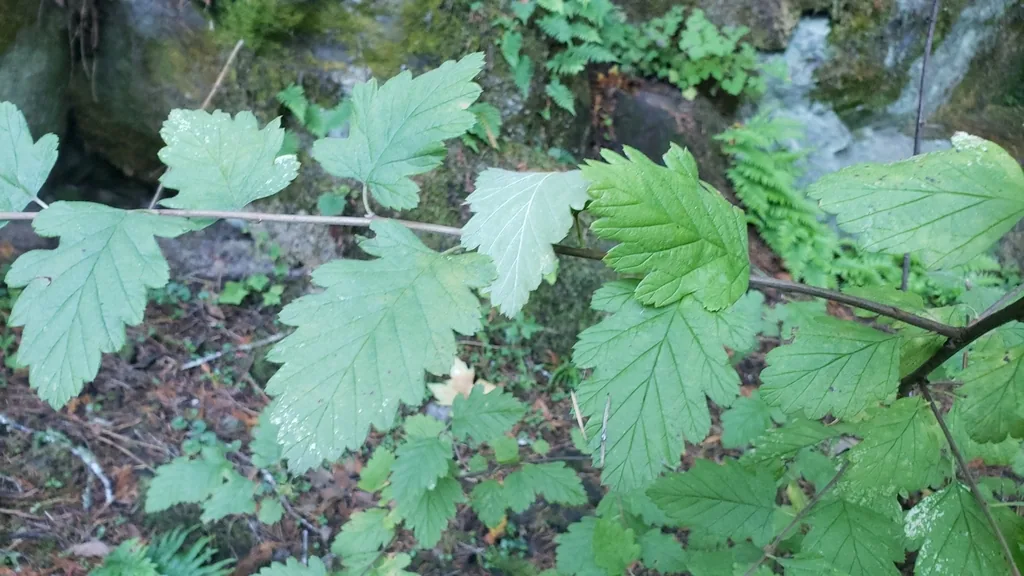
Broadleaf deciduous shrub, 10-15 ft (3-6 m) high, erect.
— Holodiscus discolor | Landscape Plants | Oregon State University [1] - Propagation
From seed after a cold spell, cuttings, layering, division or suckers
What the sources say (2)
Propagation: Seed (after cold stratification), hardwood or semi-hardwood cuttings, layering, division, suckers
Hardwood or (semi-hardwood) cuttings may have some success. Layering and division are also possible.
— Ocean Spray, Holodiscus discolor | Native Plants PNW [6] Suckers | Good | Fall or early spring
— Holodiscus Discolor [5] - Sowing
Sow in fall, in an outdoor bed
What the sources say (1)
Sowing: Fall, in an outside bed
It is easiest just to sow the seeds in an outside bed in fall for later transplanting.
— Ocean Spray, Holodiscus discolor | Native Plants PNW [6] - Safety
No known hazards to people
Overview
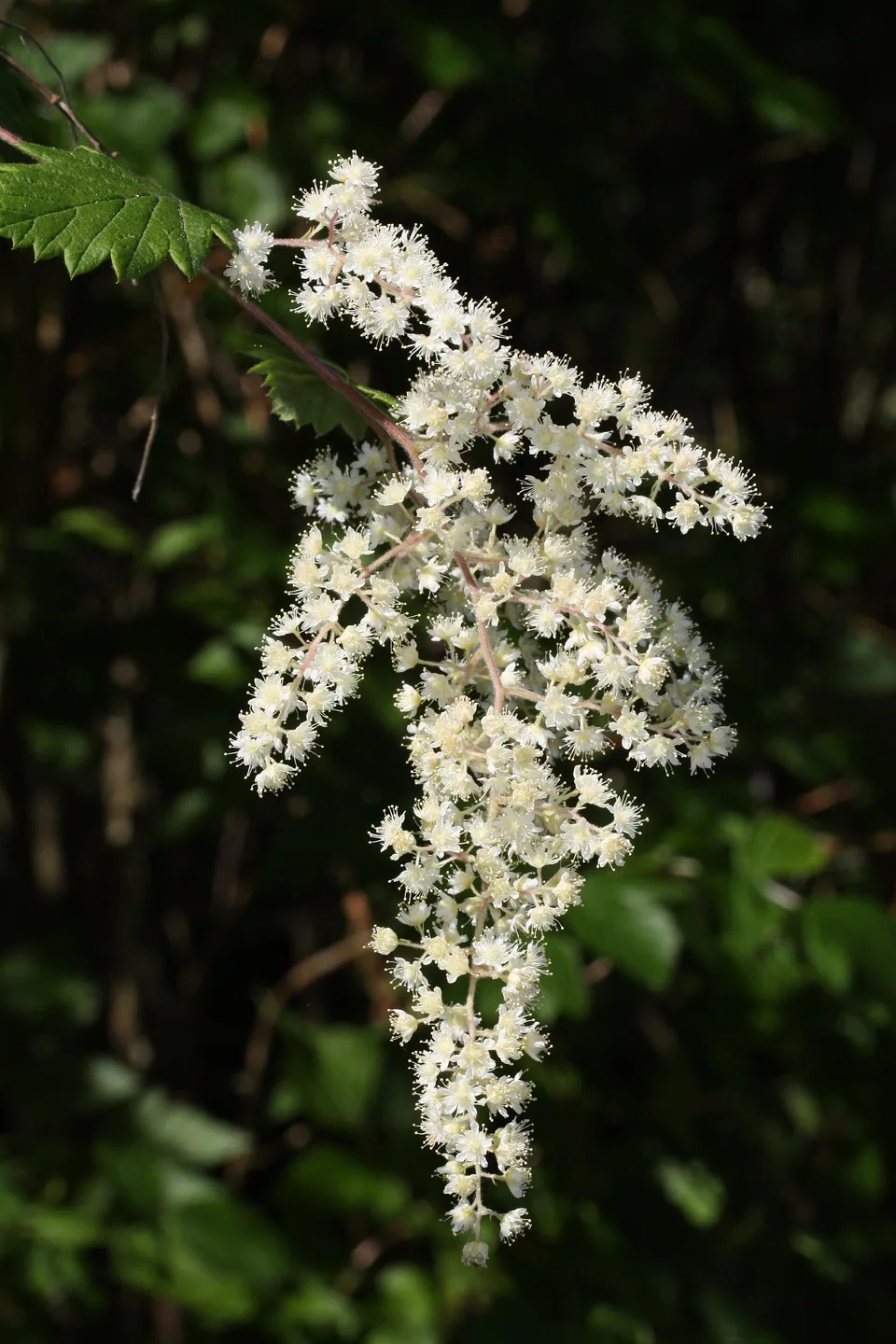
Oceanspray is a deciduous shrub native to western North America, grown for its creamy-white drooping flower clusters. [1][6] It tolerates dry sites and grows in sun to part shade in well-drained soil. [6][5]
This record is incomplete: the sources we read do not cover every field yet.
Not yet covered by our sources: Hardiness, warmest zone
Oceanspray care
How to water Oceanspray
Drought tolerant
What the sources say (1)
It is drought tolerant– ideal for drier areas of a landscape.How much light Oceanspray needs
Full sun to partial shade
What the sources say (1)
Full sun to partial shade. Prefers open areasHow much cold Oceanspray can take
Hardiness, coldest zone
5 [winter low −28.9 to −23.3 °C (−20 to −10 °F)]
What the sources say (1)
Hardy to USDA Zone 5.Hardiness, warmest zone
Not stated in the sources we read.
How to propagate Oceanspray
Seed (after cold stratification), hardwood or semi-hardwood cuttings, layering, division, suckers
How to grow Oceanspray
The plant
Family
Rosaceae
What the sources say (1)
Common name:
Oceanspray
Creambush
Arrowwood
Pronunciation:
ho-lo-DIS-kus DIS-ko-lor
Family:
RosaceaeMature height
304.8-457.2 cm (10-15 ft)
What the sources say (1)
Broadleaf deciduous shrub, 10-15 ft (3-6 m) high, erect.Remedies
The sources we checked give no remedies for this plant.
Is Oceanspray poisonous?
Reported by the source, quoted verbatim. This is not medical or veterinary advice: if a person or an animal may have eaten this plant, contact a poison control centre or a veterinarian.
Known Hazards None known
[4]
Calendar
Sowing
Fall, in an outside bed
What the sources say (1)
It is easiest just to sow the seeds in an outside bed in fall for later transplanting.Planting
Late spring or early summer, after the last expected frosts
What the sources say (1)
Plant them out into their permanent positions in late spring or early summer, after the last expected frosts.Pruning
Each year after flowering
What the sources say (1)
Prune severely each year after flowering to maintain a loose, graceful shrub.Months as given by the sources, which are mostly from the United States (northern hemisphere). In the southern hemisphere they shift by about six months.
Edibility
Reported by the source, quoted verbatim. Do not eat a plant on the basis of this page alone: identification mistakes can be dangerous.
Fruit - raw or cooked
[4]
Indicative values
Values from a secondary source, not checked word for word like the rest of this page. Use them as a starting point.
- Life cycle
- PerennialIndicative value, adapt it to your climate · Secondary source
- Hours of sun
- 4-6 hoursIndicative value, adapt it to your climate · Secondary source
- Soil
- Humus rich, Well-drainedIndicative value, adapt it to your climate · Secondary source
- Soil pH
- 5.5-7.5Indicative value, adapt it to your climate · Secondary source
- Growth rate
- HighIndicative value, adapt it to your climate · Secondary source
- Pests
- Blight, needle cast, Fungal leaf spot, Pest resistant, Deer resistantIndicative value, adapt it to your climate · Secondary source
Similar plants
- Afghan Cherry Prunus jacquemontii
- Alabama Snow Wreath Neviusia alabamensis
- American Plum Prunus americana
- Amur chokecherry Prunus maackii
- Apple Rose Rosa villosa
- Apricot Prunus armeniaca
- Aria edulis Aria edulis
- Asian Pear Pyrus pyrifolia
Sources
Every value above is quoted from these documents. Links lead to the original publisher.
- Holodiscus discolor | Landscape Plants | Oregon State University · landscapeplants.oregonstate.edu, consulted
- Species (common name, Latin name) · depts.washington.edu, consulted
- Selecting native plants for home landscapes in Central Oregon | OSU Extension Service · extension.oregonstate.edu, consulted
- Holodiscus discolor - Useful Temperate Plants · temperate.theferns.info, consulted
- Holodiscus Discolor · goert.ca, consulted
- Ocean Spray, Holodiscus discolor | Native Plants PNW · nativeplantspnw.com, consulted
Written by Emilio Marruso · last checked