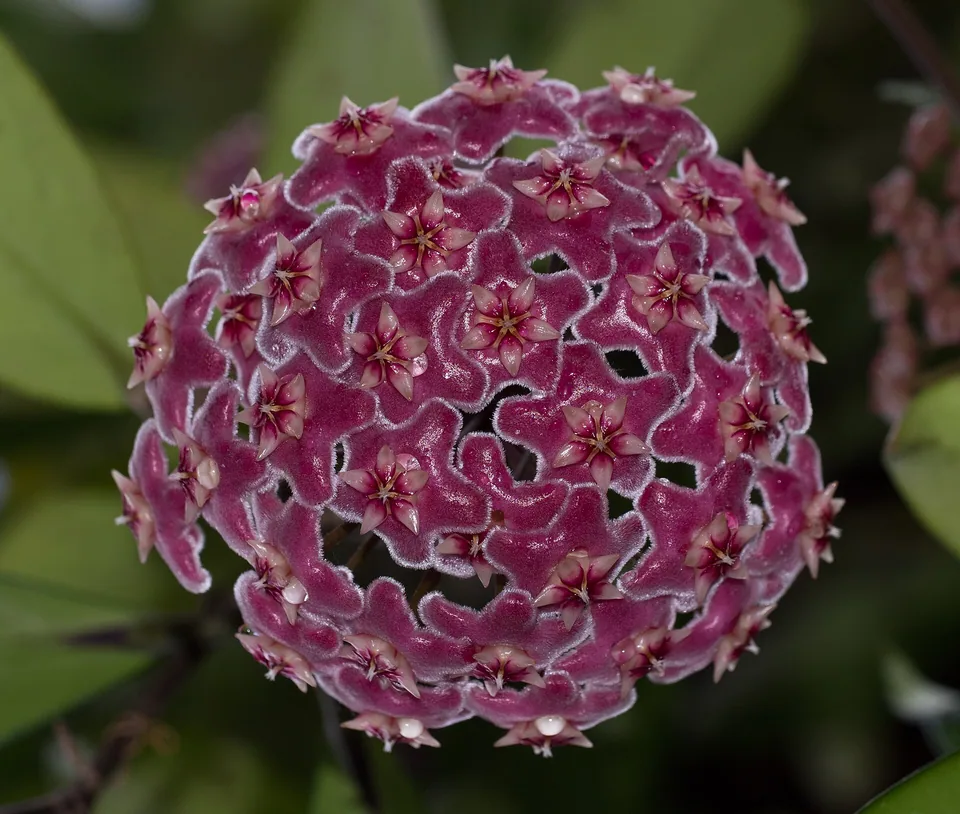


How to Grow and Care for Wax Plant
Hoya pubicalyx
Written by Emilio Marruso · last checked
Not toxic to cats and dogs, according to the sources · Sources
At a glance
This hoya is an easygoing perennial that grows happily indoors and in containers. Give it bright, indirect light, water often in the growing season while letting the potting mix dry out between drinks, and feed it lightly in spring and summer. Let it rest in winter, without fertilizer, and it will reward you with better flowers in the warm months.
- Sun
Bright, indirect light; no more than 2 hours of direct morning sun
What the sources say (2)
Light: Bright, indirect sunlight; direct morning sunlight limited to no more than 2 hours
Wax plant does best when grown in bright, indirect sunlight, such as near a sunny window.
— Hoya pubicalyx (Pink Silver, Porcelain Flower, Silver Pink Vine, Wax Plant) | North Carolina Extension Gardener Plant Toolbox [1] Direct sunlight can be provided in the morning but, limit it to no more than 2 hours.
— Hoya pubicalyx (Pink Silver, Porcelain Flower, Silver Pink Vine, Wax Plant) | North Carolina Extension Gardener Plant Toolbox [1] - Water
Water often in the growing season, letting the mix dry between waterings; less in fall and winter
What the sources say (4)
Watering: Water frequently during the growing season, letting the potting medium dry out between waterings; less water in fall and winter
During its growing season, water frequently, allowing the potting medium to dry out between waterings. During the fall and winter months, the plant needs less water and can dry out more frequently.
— Hoya pubicalyx (Pink Silver, Porcelain Flower, Silver Pink Vine, Wax Plant) | North Carolina Extension Gardener Plant Toolbox [1] Watering notes: Water with filtered or rainwater; provide good drainage; too much water can lead to root rot and leaf drop
Care should include watering with filtered or rainwater.
— Hoya pubicalyx (Pink Silver, Porcelain Flower, Silver Pink Vine, Wax Plant) | North Carolina Extension Gardener Plant Toolbox [1] Like other succulents, providing good drainage is imperative.
— Hoya pubicalyx (Pink Silver, Porcelain Flower, Silver Pink Vine, Wax Plant) | North Carolina Extension Gardener Plant Toolbox [1] Too much water can lead to root rot and leaf drop.
— Hoya pubicalyx (Pink Silver, Porcelain Flower, Silver Pink Vine, Wax Plant) | North Carolina Extension Gardener Plant Toolbox [1] - Cold
Survives winters down to 30 °F (−1.1 °C)
Half hardy: mild winters or an unheated greenhouse · USDA 10a · RHS H3 · Z10
What the sources say (2)
Hardiness, coldest zone: 10a [winter low −1.1 to 1.7 °C (30 to 35 °F)]
USDA Plant Hardiness Zone: 10a, 10b, 11a, 11b
— Hoya pubicalyx (Pink Silver, Porcelain Flower, Silver Pink Vine, Wax Plant) | North Carolina Extension Gardener Plant Toolbox [1] Hardiness, warmest zone: 11b [winter low 7.2 to 10 °C (45 to 50 °F)]
USDA Plant Hardiness Zone: 10a, 10b, 11a, 11b
— Hoya pubicalyx (Pink Silver, Porcelain Flower, Silver Pink Vine, Wax Plant) | North Carolina Extension Gardener Plant Toolbox [1] - Feeding
Half- or quarter-strength fertilizer in spring and summer; none in winter
What the sources say (6)
When: Spring and summer; no feeding in winter
Light, regular fertilizer applications in spring and summer are ideal.
— All About Hoyas | Yard and Garden [4] Do not fertilize in winter, as this allows for rest and will promote better flowering during the warmer months.
— All About Hoyas | Yard and Garden [4] How often: Light, regular feeding: with most waterings, skipping one every second or third watering
Use an all-purpose fertilizer at 1/2 or 1/4 strength, skipping an application every other or every third watering.
— All About Hoyas | Yard and Garden [4] Mineral fertilizers: All-purpose fertilizer at half or quarter strength, or a slow-release fertilizer used as directed
Use an all-purpose fertilizer at 1/2 or 1/4 strength, skipping an application every other or every third watering.
— All About Hoyas | Yard and Garden [4] Alternatively, a slow-release fertilizer applied according ot directions can work well.
— All About Hoyas | Yard and Garden [4] Avoid: Fertilizing in winter, when the plant should rest to flower better in the warm months
Do not fertilize in winter, as this allows for rest and will promote better flowering during the warmer months.
— All About Hoyas | Yard and Garden [4] - Pests
Watch for mealybugs, aphids and whiteflies
What the sources say (1)
Pests: mealybugs, aphids, whiteflies
Insects, Diseases, and Other Plant Problems: Mealybugs, aphids, and whiteflies are some insects that are attracted to this species. Too much water can lead to root rot and leaf drop.
— Hoya pubicalyx (Pink Silver, Porcelain Flower, Silver Pink Vine, Wax Plant) | North Carolina Extension Gardener Plant Toolbox [1] - Watch out
Too much water rots the roots and makes leaves drop: make sure the pot drains well
What the sources say (4)
Diseases: root rot
Insects, Diseases, and Other Plant Problems: Mealybugs, aphids, and whiteflies are some insects that are attracted to this species. Too much water can lead to root rot and leaf drop.
— Hoya pubicalyx (Pink Silver, Porcelain Flower, Silver Pink Vine, Wax Plant) | North Carolina Extension Gardener Plant Toolbox [1] Watering notes: Water with filtered or rainwater; provide good drainage; too much water can lead to root rot and leaf drop
Care should include watering with filtered or rainwater.
— Hoya pubicalyx (Pink Silver, Porcelain Flower, Silver Pink Vine, Wax Plant) | North Carolina Extension Gardener Plant Toolbox [1] Like other succulents, providing good drainage is imperative.
— Hoya pubicalyx (Pink Silver, Porcelain Flower, Silver Pink Vine, Wax Plant) | North Carolina Extension Gardener Plant Toolbox [1] Too much water can lead to root rot and leaf drop.
— Hoya pubicalyx (Pink Silver, Porcelain Flower, Silver Pink Vine, Wax Plant) | North Carolina Extension Gardener Plant Toolbox [1] - Propagation
Grow new plants from stem cuttings
What the sources say (1)
Propagation: Stem cutting
Recommended Propagation Strategy: Stem Cutting Country Or Region Of Origin: Philippines
— Hoya pubicalyx (Pink Silver, Porcelain Flower, Silver Pink Vine, Wax Plant) | North Carolina Extension Gardener Plant Toolbox [1] - Containers
Grows well indoors and in pots
What the sources say (2)
Indoors: Yes
Uses (Ethnobotany): Indoor plant, or protected outdoor plant.
— Hoya pubicalyx (Pink Silver, Porcelain Flower, Silver Pink Vine, Wax Plant) | North Carolina Extension Gardener Plant Toolbox [1] In containers: Yes
Landscape Location: Container Hanging Baskets Houseplants Patio Landscape Theme:
— Hoya pubicalyx (Pink Silver, Porcelain Flower, Silver Pink Vine, Wax Plant) | North Carolina Extension Gardener Plant Toolbox [1] - Safety
Not toxic to cats, dogs or horses
Overview
Hoya pubicalyx is an epiphytic herbaceous perennial from the Philippines grown for silver-flecked leaves and showy flowers. [1] It does best in bright, indirect sunlight with good drainage, watered frequently in the growing season and less in fall and winter. [1] It is tagged as non-toxic for cats, horses and dogs. [1]
Wax Plant care
How to water Wax Plant
Watering
Water frequently during the growing season, letting the potting medium dry out between waterings; less water in fall and winter
What the sources say (1)
During its growing season, water frequently, allowing the potting medium to dry out between waterings. During the fall and winter months, the plant needs less water and can dry out more frequently.Watering notes
Water with filtered or rainwater; provide good drainage; too much water can lead to root rot and leaf drop
What the sources say (3)
Care should include watering with filtered or rainwater.Like other succulents, providing good drainage is imperative.Too much water can lead to root rot and leaf drop.How much light Wax Plant needs
Bright, indirect sunlight; direct morning sunlight limited to no more than 2 hours
What the sources say (2)
Wax plant does best when grown in bright, indirect sunlight, such as near a sunny window.Direct sunlight can be provided in the morning but, limit it to no more than 2 hours.How much cold Wax Plant can take
Hardiness, coldest zone
10a [winter low −1.1 to 1.7 °C (30 to 35 °F)]
What the sources say (1)
USDA Plant Hardiness Zone:
10a, 10b, 11a, 11bHardiness, warmest zone
11b [winter low 7.2 to 10 °C (45 to 50 °F)]
What the sources say (1)
USDA Plant Hardiness Zone:
10a, 10b, 11a, 11bWhere to grow Wax Plant
Indoors
Yes
What the sources say (1)
Uses (Ethnobotany):
Indoor plant, or protected outdoor plant.In containers
Yes
What the sources say (1)
Landscape Location:
Container
Hanging Baskets
Houseplants
Patio
Landscape Theme:How to propagate Wax Plant
Stem cutting
What the sources say (1)
Recommended Propagation Strategy:
Stem Cutting
Country Or Region Of Origin:
PhilippinesHow to grow Wax Plant
The plant
Life cycle
perennial (epiphytic herbaceous)
What the sources say (1)
Wax plant is an epiphytic herbaceous perennial in the dogbane family (Apocynaceae).Family
Apocynaceae
What the sources say (1)
Wax plant is an epiphytic herbaceous perennial in the dogbane family (Apocynaceae).Pests and diseases
Pests
mealybugs, aphids, whiteflies
What the sources say (1)
Insects, Diseases, and Other Plant Problems: Mealybugs, aphids, and whiteflies are some insects that are attracted to this species. Too much water can lead to root rot and leaf drop.Diseases
root rot
What the sources say (1)
Insects, Diseases, and Other Plant Problems: Mealybugs, aphids, and whiteflies are some insects that are attracted to this species. Too much water can lead to root rot and leaf drop.Fertilizing
When
Spring and summer; no feeding in winter
How often
Light, regular feeding: with most waterings, skipping one every second or third watering
What the sources say (1)
Use an all-purpose fertilizer at 1/2 or 1/4 strength, skipping an application every other or every third watering.Mineral fertilizers
All-purpose fertilizer at half or quarter strength, or a slow-release fertilizer used as directed
What the sources say (2)
Use an all-purpose fertilizer at 1/2 or 1/4 strength, skipping an application every other or every third watering.Alternatively, a slow-release fertilizer applied according ot directions can work well.Avoid
Fertilizing in winter, when the plant should rest to flower better in the warm months
What the sources say (1)
Do not fertilize in winter, as this allows for rest and will promote better flowering during the warmer months.Wax Plant pests and problems
Insect pests
Symptom: Mealybugs, aphids, and whiteflies are attracted to this species.
What the sources say (1)
Mealybugs, aphids, and whiteflies are some insects that are attracted to this species.
— Hoya pubicalyx (Pink Silver, Porcelain Flower, Silver Pink Vine, Wax Plant) | North Carolina Extension Gardener Plant Toolbox [1] Overwatering
Symptom: Root rot and leaf drop.
What to do: Allow the potting medium to dry out between waterings and provide good drainage.
What the sources say (2)
Too much water can lead to root rot and leaf drop.
— Hoya pubicalyx (Pink Silver, Porcelain Flower, Silver Pink Vine, Wax Plant) | North Carolina Extension Gardener Plant Toolbox [1] Like other succulents, providing good drainage is imperative.
— Hoya pubicalyx (Pink Silver, Porcelain Flower, Silver Pink Vine, Wax Plant) | North Carolina Extension Gardener Plant Toolbox [1]
Remedies
Each remedy shows what official sources say about it; traditional remedies without an official source are marked as such. Harmful ones are listed so you know to avoid them.
Treating the plant
mealybugs
rubbing alcohol on a cotton swab Partly works
repeating the rubbing alcohol treatment more than a couple times; it may damage your plant as much as the mealybugs do.
— gardenbetty.com [7] How: Apply rubbing alcohol to individual mealybugs with a cotton swab, wipe away with a damp cloth, reinspect and repeat every ten days until the pests are gone.
apply rubbing alcohol to individual mealybugs (the white tufts) using a cotton swab. Then wipe away with a damp cloth. Reinspect your plant and repeat this procedure every ten days until the pests are gone.
— libanswers.nybg.org [5] What the evidence says Mealybugs can be managed by hand on a small number of plants by dabbing each insect with alcohol-soaked cotton swab
— yardandgarden.extension.iastate.edu [6] rinsing the plant under running water Not verified
Traditional remedy, not verified by an official source.
How: Give the plant a thorough shower in the sink, in the bathtub, or outside.
insecticidal soap Partly works
How: Spray insecticidal soap on the infested plant.
Insecticides may also be used (including soap or oil-based products), but be sure to check labels to ensure mealybugs and the plant you are treating are listed.
— yardandgarden.extension.iastate.edu [6] What the evidence says Insecticides may also be used (including soap or oil-based products), but be sure to check labels to ensure mealybugs and the plant you are treating are listed.
— yardandgarden.extension.iastate.edu [6]
aphids
strong water spray Not verified
Traditional remedy, not verified by an official source.
How: Give the infested plant a good shower in the tub or outside with the hose.
whiteflies
insecticidal soap Works
try the spray on a few leaves before spraying the whole plant to be sure it is not sensitive to the soap
— libanswers.nybg.org [5] How: Spray insecticidal soap on the leaves, particularly on the underside.
To control them safely, get insecticidal soap and spray it on the leaves, particularly on the underside
— libanswers.nybg.org [5] What the evidence says For example, insecticidal soap is a safe, effective organic insecticide with minimal environmental impact.
— extension.psu.edu [8]
scale
rubbing off by hand with alcohol Not verified
Traditional remedy, not verified by an official source.
How: Rub off scales by hand; if they are stubborn, tap each scale with alcohol on a cotton swab.
vegetable oil on a cotton swab Partly works
How: Dip a [nome commerciale] in vegetable oil and rub it over the scale insects.
Some people will dip a [nome commerciale] in vegetable oil and rub it over the scale insects. Sometimes this rubs the insects off, other times the oil coating just smothers them.
— swyg.nmsu.edu [9] What the evidence says Some people will dip a [nome commerciale] in vegetable oil and rub it over the scale insects. Sometimes this rubs the insects off, other times the oil coating just smothers them.
— swyg.nmsu.edu [9] neem oil Partly works
How: Spray neem oil on stems and on the top and bottom of leaves, and retreat frequently.
Neem oil (check label for scale insects) can also be used; it is available at a lot of garden stores.
— swyg.nmsu.edu [9] What the evidence says Neem oil (check label for scale insects) can also be used; it is available at a lot of garden stores.
— swyg.nmsu.edu [9]
spider mites
neem oil Partly works
How: Repeated spraying with horticultural neem oil.
If an infestation does occur, I find that repeated spraying with horticultural Neem Oil to be very effective as a control.
— vermonthoyas.com [10] What the evidence says However, neem oil is not effective against every insect and disease, and often must be frequently reapplied to reach the desired outcome.
— extension.unh.edu [11] strong water spray Not verified
Traditional remedy, not verified by an official source.
How: Spray both the tops and bottoms of the leaves with a strong spray of water.
root rot
watering only after the mix dries Official source, not independently tested
How: Water thoroughly, then allow the mix to dry almost completely before watering again.
Water thoroughly so the entire root zone is moistened, then allow the mix to dry almost completely before watering again.
— All About Hoyas | Yard and Garden [4] cutting off mushy roots and repotting Not verified
Traditional remedy, not verified by an official source.
How: Cut brown, mushy roots off with clean scissors before repotting in fresh potting soil.
leaf spots
watering the soil not the leaves Official source, not independently tested
How: Water the soil rather than the leaves and provide some ventilation.
so watering the soil rather than the leaves and providing some ventilation helps reduce disease pressure.
— All About Hoyas | Yard and Garden [4]
Is Wax Plant poisonous?
Reported by the source, quoted verbatim. This is not medical or veterinary advice: if a person or an animal may have eaten this plant, contact a poison control centre or a veterinarian.
#non-toxic for cats #non-toxic for horses #non-toxic for dogs
[1]The source flags the risk for this animal but does not explain why.
Similar plants
- Cinnamon Hoya Hoya lacunosa
- Common Hoya Hoya australis
- Fung Wax Flower Hoya curtisii
- Sweetheart Hoya Hoya kerrii
- Waxflower Hoya bella
- Hoya Hoya carnosa
- Allamanda Allamanda cathartica
- Asiatic Jasmine Trachelospermum asiaticum
Sources
Every value above is quoted from these documents. Links lead to the original publisher.
- Hoya pubicalyx (Pink Silver, Porcelain Flower, Silver Pink Vine, Wax Plant) | North Carolina Extension Gardener Plant Toolbox · plants.ces.ncsu.edu, consulted
- Hoya - Hoya | North Carolina Extension Gardener Plant Toolbox · plants.ces.ncsu.edu, consulted
- Hoya (Hoya, Wax Plant, Wax Vine) | North Carolina Extension Gardener Plant Toolbox · plants.ces.ncsu.edu, consulted
- All About Hoyas | Yard and Garden · yardandgarden.extension.iastate.edu, consulted
- libanswers.nybg.org · libanswers.nybg.org
- yardandgarden.extension.iastate.edu · yardandgarden.extension.iastate.edu
- gardenbetty.com · gardenbetty.com
- extension.psu.edu · extension.psu.edu
- swyg.nmsu.edu · swyg.nmsu.edu
- vermonthoyas.com · vermonthoyas.com
- extension.unh.edu · extension.unh.edu
Written by Emilio Marruso · last checked