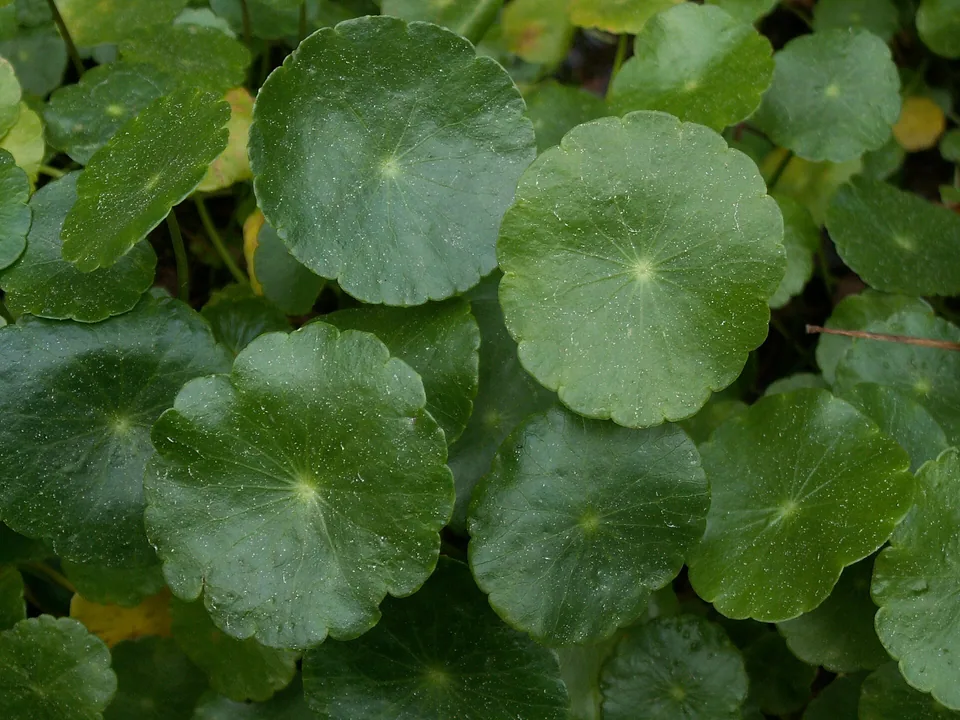


How to Grow and Care for Dollarweed
Hydrocotyle umbellata
Written by Emilio Marruso · last checked
Toxic to: People · Why
At a glance
Water pennywort is a low perennial for the wet spots where other plants struggle: it loves soggy, poorly drained soil and grows in full sun to partial shade. Only 3–10 inches tall, it can spread 3–20 feet wide into a dense green mat. Give it plenty of room, and share it with friends by dividing it or sowing its seeds.
- Sun
Full sun to partial shade
What the sources say (1)
Light: Full sun to partial shade
Prefers full sun to partial shade and poorly drained to wet soils
— Hydrocotyle umbellata (Dollarweed, Many-flowered Marsh-pennywort, Manyflower Marsh-pennywort, Marsh Pennywort, Marsh Water-pennywort, Moneyplant, Money Plant, Navelwort, Umbrella Pennyroyal, Water Pennywort) | North Carolina Extension Gardener Plant Toolbox [1] - Water
Loves wet ground: keep the soil soggy
What the sources say (2)
Watering: Poorly drained to wet soils
Prefers full sun to partial shade and poorly drained to wet soils
— Hydrocotyle umbellata (Dollarweed, Many-flowered Marsh-pennywort, Manyflower Marsh-pennywort, Marsh Pennywort, Marsh Water-pennywort, Moneyplant, Money Plant, Navelwort, Umbrella Pennyroyal, Water Pennywort) | North Carolina Extension Gardener Plant Toolbox [1] This species prefers wet to moist soils
— Hydrocotyle umbellata - MREC - UF/IFAS - University of Florida, Institute of Food and Agricultural Sciences - UF/IFAS [3] - Cold
Survives winters down to −30 °F (−34.4 °C)
Very hardy · USDA 4a · RHS H7 · Z4
What the sources say (2)
Hardiness, coldest zone: 4a [winter low −34.4 to −31.7 °C (−30 to −25 °F)]
USDA Plant Hardiness Zone: 4a, 4b, 5a, 5b, 6a, 6b, 7a, 7b, 8a, 8b, 9a, 9b, 10a, 10b
— Hydrocotyle umbellata (Dollarweed, Many-flowered Marsh-pennywort, Manyflower Marsh-pennywort, Marsh Pennywort, Marsh Water-pennywort, Moneyplant, Money Plant, Navelwort, Umbrella Pennyroyal, Water Pennywort) | North Carolina Extension Gardener Plant Toolbox [1] Hardiness, warmest zone: 10b [winter low 1.7 to 4.4 °C (35 to 40 °F)]
USDA Plant Hardiness Zone: 4a, 4b, 5a, 5b, 6a, 6b, 7a, 7b, 8a, 8b, 9a, 9b, 10a, 10b
— Hydrocotyle umbellata (Dollarweed, Many-flowered Marsh-pennywort, Manyflower Marsh-pennywort, Marsh Pennywort, Marsh Water-pennywort, Moneyplant, Money Plant, Navelwort, Umbrella Pennyroyal, Water Pennywort) | North Carolina Extension Gardener Plant Toolbox [1] - Soil
Wet, poorly drained soil
What the sources say (2)
Watering: Poorly drained to wet soils
Prefers full sun to partial shade and poorly drained to wet soils
— Hydrocotyle umbellata (Dollarweed, Many-flowered Marsh-pennywort, Manyflower Marsh-pennywort, Marsh Pennywort, Marsh Water-pennywort, Moneyplant, Money Plant, Navelwort, Umbrella Pennyroyal, Water Pennywort) | North Carolina Extension Gardener Plant Toolbox [1] This species prefers wet to moist soils
— Hydrocotyle umbellata - MREC - UF/IFAS - University of Florida, Institute of Food and Agricultural Sciences - UF/IFAS [3] - Watch out
Forms dense mats that crowd out other plants and regrows from roots or seeds; less watering slows it
What the sources say (1)
Watering notes: Proper drainage and minimizing excessive irrigation can combat populations
proper drainage and minimizing excessive irrigation can combat populations
— Hydrocotyle umbellata - MREC - UF/IFAS - University of Florida, Institute of Food and Agricultural Sciences - UF/IFAS [3] - Size
3–10 in tall, spreading 3–20 ft wide
What the sources say (2)
Mature height: 7.62-25.4 cm (3-10 in)
Dollarweed is a native, rhizomatous, low-growing, floating or creeping, semi-aquatic, herbaceous perennial weed, measuring 3 to 10 inches tall and spreading 3 to 20 feet wide.
— Hydrocotyle umbellata (Dollarweed, Many-flowered Marsh-pennywort, Manyflower Marsh-pennywort, Marsh Pennywort, Marsh Water-pennywort, Moneyplant, Money Plant, Navelwort, Umbrella Pennyroyal, Water Pennywort) | North Carolina Extension Gardener Plant Toolbox [1] Mature width: 91.44-609.6 cm (3-20 ft)
Dollarweed is a native, rhizomatous, low-growing, floating or creeping, semi-aquatic, herbaceous perennial weed, measuring 3 to 10 inches tall and spreading 3 to 20 feet wide.
— Hydrocotyle umbellata (Dollarweed, Many-flowered Marsh-pennywort, Manyflower Marsh-pennywort, Marsh Pennywort, Marsh Water-pennywort, Moneyplant, Money Plant, Navelwort, Umbrella Pennyroyal, Water Pennywort) | North Carolina Extension Gardener Plant Toolbox [1] - Propagation
By dividing the plant or from seed
What the sources say (1)
Propagation: Division, seed
May be propagated by division or seeds.
— Hydrocotyle umbellata (Dollarweed, Many-flowered Marsh-pennywort, Manyflower Marsh-pennywort, Marsh Pennywort, Marsh Water-pennywort, Moneyplant, Money Plant, Navelwort, Umbrella Pennyroyal, Water Pennywort) | North Carolina Extension Gardener Plant Toolbox [1] - Safety
The leaves cause nausea: keep it away from children
Overview
Dollarweed is a native, creeping, semi-aquatic herbaceous perennial weed that forms dense mats on poorly drained land or in water. [1] It is considered a noxious weed or invasive in some areas, and natural control methods are not effective. [1] It prefers full sun to partial shade and poorly drained to wet soils. [1]
Dollarweed care
How to water Dollarweed
Watering
Poorly drained to wet soils
What the sources say (2)
Prefers full sun to partial shade and poorly drained to wet soilsThis species prefers wet to moist soilsWatering notes
Proper drainage and minimizing excessive irrigation can combat populations
What the sources say (1)
proper drainage and minimizing excessive irrigation can combat populationsHow much light Dollarweed needs
Full sun to partial shade
What the sources say (1)
Prefers full sun to partial shade and poorly drained to wet soilsHow much cold Dollarweed can take
Hardiness, coldest zone
4a [winter low −34.4 to −31.7 °C (−30 to −25 °F)]
What the sources say (1)
USDA Plant Hardiness Zone:
4a, 4b, 5a, 5b, 6a, 6b, 7a, 7b, 8a, 8b, 9a, 9b, 10a, 10bHardiness, warmest zone
10b [winter low 1.7 to 4.4 °C (35 to 40 °F)]
What the sources say (1)
USDA Plant Hardiness Zone:
4a, 4b, 5a, 5b, 6a, 6b, 7a, 7b, 8a, 8b, 9a, 9b, 10a, 10bHow to propagate Dollarweed
Division, seed
What the sources say (1)
May be propagated by division or seeds.How to grow Dollarweed
The plant
Life cycle
perennial
What the sources say (1)
Dollarweed is a native, rhizomatous, low-growing, floating or creeping, semi-aquatic, herbaceous perennial weed, measuring 3 to 10 inches tall and spreading 3 to 20 feet wide.Family
Araliaceae
What the sources say (1)
Dollarweed is a member of the ivy family (Araliaceae). The genus name Hydrocotyle is derived from two Greek words: hydros , meaning water, and kotyle , meaning a small cup.Mature height
7.62-25.4 cm (3-10 in)
What the sources say (1)
Dollarweed is a native, rhizomatous, low-growing, floating or creeping, semi-aquatic, herbaceous perennial weed, measuring 3 to 10 inches tall and spreading 3 to 20 feet wide.Mature width
91.44-609.6 cm (3-20 ft)
What the sources say (1)
Dollarweed is a native, rhizomatous, low-growing, floating or creeping, semi-aquatic, herbaceous perennial weed, measuring 3 to 10 inches tall and spreading 3 to 20 feet wide.Dollarweed pests and problems
Dense mat formation
Symptom: Dense mats in ponds can alter oxygen levels, and the plant competes with other vegetation.
What to do: Natural control methods are not effective; it can easily re-establish from seeds or roots when physical management is used.
What the sources say (2)
Dollarweed's formation of dense mats in ponds can alter oxygen levels, and the plant also competes with other vegetation.
— Hydrocotyle umbellata (Dollarweed, Many-flowered Marsh-pennywort, Manyflower Marsh-pennywort, Marsh Pennywort, Marsh Water-pennywort, Moneyplant, Money Plant, Navelwort, Umbrella Pennyroyal, Water Pennywort) | North Carolina Extension Gardener Plant Toolbox [1] It can easily re-establish from seeds or roots when physical management is used.
— Hydrocotyle umbellata (Dollarweed, Many-flowered Marsh-pennywort, Manyflower Marsh-pennywort, Marsh Pennywort, Marsh Water-pennywort, Moneyplant, Money Plant, Navelwort, Umbrella Pennyroyal, Water Pennywort) | North Carolina Extension Gardener Plant Toolbox [1]
Remedies
Each remedy shows what official sources say about it; traditional remedies without an official source are marked as such. Harmful ones are listed so you know to avoid them.
Getting rid of it
dollarweed
hand removal Works
If you plan to pull them out, be sure to remove the root, as the weed spreads by underground rhizomes, and leaving anything behind will cause it to return.
— myhometurf.com.au [10] How: Periodic hand removal of the plants.
Homeowners should be aware that complete eradication of this weed is impractical. Although chemical options exist, they are limited, especially without proper licensing. For these reasons, periodic hand removal of dollarweed is often the most effective control measure.
— extension.msstate.edu [9] What the evidence says For these reasons, periodic hand removal of dollarweed is often the most effective control measure.
— extension.msstate.edu [9] dig up rhizomes Official source, not independently tested
How: Dig up the rhizomes when physically removing the plants.
In addition to these lawn care practices, manual removal of weeds may also be necessary. If possible, dig up rhizomes when physically removing dollarweed.
— lsuagcenter.com [11] reduce irrigation frequency Partly works
How: Water infrequently rather than every day, since the plant prefers wet conditions.
Previous research conducted in Florida indicates that reducing irrigation frequency may decrease dollarweed densities.
— extension.msstate.edu [9] What the evidence says Previous research conducted in Florida indicates that reducing irrigation frequency may decrease dollarweed densities.
— extension.msstate.edu [9] mulching beds Official source, not independently tested
How: Mulch ornamental beds to approximately 3 inches of thickness.
Another suggestion is that ornamental beds be mulched to approximately 3 inches of thickness.
— extension.msstate.edu [9]
Is Dollarweed poisonous?
Reported by the source, quoted verbatim. This is not medical or veterinary advice: if a person or an animal may have eaten this plant, contact a poison control centre or a veterinarian.
Edibility
Reported by the source, quoted verbatim. Do not eat a plant on the basis of this page alone: identification mistakes can be dangerous.
Seeds eaten by waterfowl.
[1]
Similar plants
- American Water-Pennywort Hydrocotyle americana
- American ginseng Panax quinquefolius
- Angelica Tree Aralia elata
- Balfour Aralia Polyscias balfouriana
- Castor aralia Kalopanax pictus
- Devil's Walking Stick Aralia spinosa
- Dwarf Umbrella Tree Heptapleurum arboricola
- English Ivy Hedera helix
Sources
Every value above is quoted from these documents. Links lead to the original publisher.
- Hydrocotyle umbellata (Dollarweed, Many-flowered Marsh-pennywort, Manyflower Marsh-pennywort, Marsh Pennywort, Marsh Water-pennywort, Moneyplant, Money Plant, Navelwort, Umbrella Pennyroyal, Water Pennywort) | North Carolina Extension Gardener Plant Toolbox · plants.ces.ncsu.edu, consulted
- Umbrella Pennyroyal - Hydrocotyle umbellata | North Carolina Extension Gardener Plant Toolbox · plants.ces.ncsu.edu, consulted
- Hydrocotyle umbellata - MREC - UF/IFAS - University of Florida, Institute of Food and Agricultural Sciences - UF/IFAS · mrec.ifas.ufl.edu, consulted
- Manyflower Marsh-pennywort - Hydrocotyle umbellata | North Carolina Extension Gardener Plant Toolbox · plants.ces.ncsu.edu, consulted
- Many-flowered Marsh-pennywort - Hydrocotyle umbellata | North Carolina Extension Gardener Plant Toolbox · plants.ces.ncsu.edu, consulted
- Marsh Pennywort - Hydrocotyle umbellata | North Carolina Extension Gardener Plant Toolbox · plants.ces.ncsu.edu, consulted
- Navelwort - Hydrocotyle umbellata | North Carolina Extension Gardener Plant Toolbox · plants.ces.ncsu.edu, consulted
- Water Pennywort - Hydrocotyle umbellata | North Carolina Extension Gardener Plant Toolbox · plants.ces.ncsu.edu, consulted
- extension.msstate.edu · extension.msstate.edu
- myhometurf.com.au · myhometurf.com.au
- lsuagcenter.com · lsuagcenter.com
Written by Emilio Marruso · last checked