
How to Grow and Care for Berberis japonica
Mahonia japonica
Written by Emilio Marruso · last checked
At a glance
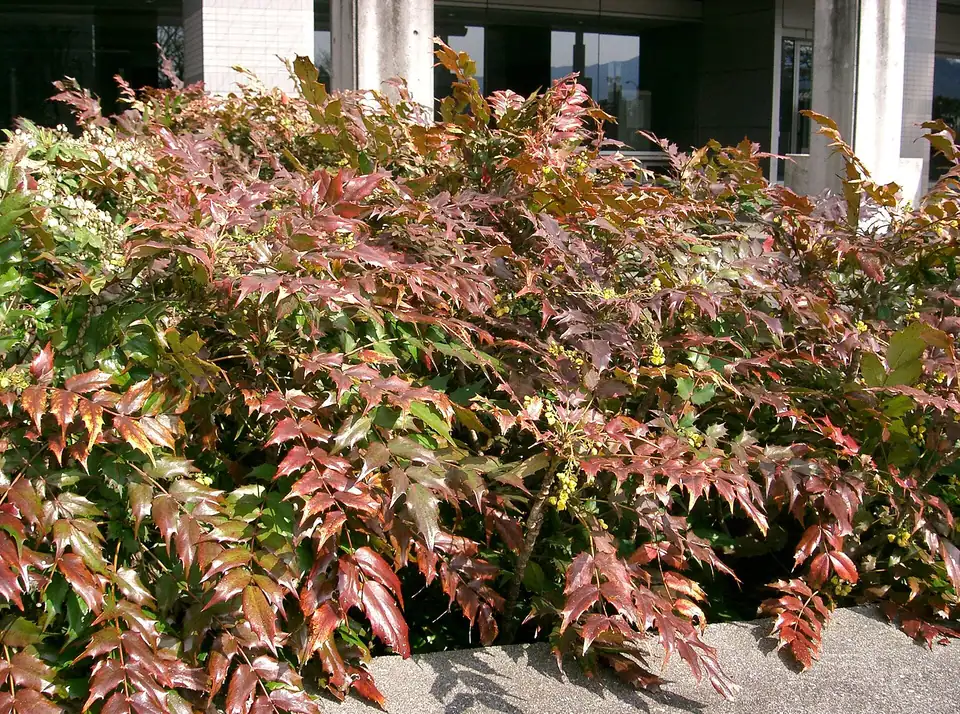
Got a shady corner? This mahonia is happy in full or partial shade and grows into a handsome shrub 6½ ft (2 m) tall. Give it fertile, moist but well-drained soil and trim it in spring after flowering only if needed. In early summer you can even collect its ripe fruits and sow the seeds to grow new plants.
- Sun
Full shade or partial shade
What the sources say (1)
Light: Full shade, partial shade
Full shade, partial shade
— Mahonia japonica (Japanese Mahonia) | BBC Gardeners World Magazine [1] - Cold
Survives winters down to 0 °F (−17.8 °C)
Hardy in very cold winters · USDA 7 · RHS H6 · Z7
What the sources say (2)
Hardiness, coldest zone: 7 [winter low −17.8 to −12.2 °C (0 to 10 °F)]
M. japonica , Japanese Mahonia, similar to M. bealei , but usually only 6 feet (1.8m) tall and spreading half again as wide, with flowers more relaxed than upright and brighter yellow. The oval berries are bluish purple. Zones 7 to 8.
— How to Grow Mahonia [3] Hardiness, warmest zone: 8 [winter low −12.2 to −6.7 °C (10 to 20 °F)]
M. japonica , Japanese Mahonia, similar to M. bealei , but usually only 6 feet (1.8m) tall and spreading half again as wide, with flowers more relaxed than upright and brighter yellow. The oval berries are bluish purple. Zones 7 to 8.
— How to Grow Mahonia [3] - Soil
Fertile soil that stays moist but drains well
What the sources say (1)
Watering notes: Fertile, moist but well-drained soil
For best results, grow Mahonia japonica in fertile, moist but well-drained soil in partial or full shade.
— Mahonia japonica (Japanese Mahonia) | BBC Gardeners World Magazine [1] - Pruning
Prune in spring after flowering, only if needed
What the sources say (1)
Pruning: In spring after flowering, if needed
Plants should be pruned, if needed, in spring after flowering.
— Mahonia japonica (Japanese Mahonia) | BBC Gardeners World Magazine [1] - Pests
Watch for berberis sawfly and root rot
What the sources say (2)
Pests: berberis sawfly
Mahonias do not tend to suffer from many problems, but they may be affected by berberis sawfly .
— How to grow mahonia / RHS Growing Guide [2] Diseases: root rot
Poor growth, dieback and root rots in very wet or waterlogged conditions
— How to grow mahonia / RHS Growing Guide [2] - Size
Grows 6½ ft (2 m) tall
What the sources say (1)
Mature height: 200 cm (2 m / 6½ ft)
others are tall and upright and include M. japonica , which reaches 2m (6½ft) in height
— How to grow mahonia / RHS Growing Guide [2] - Propagation
From seed: collect ripe fruits in early summer and clean the seeds well before sowing
What the sources say (1)
Saving seeds: collect ripe fruits in early summer and clean the seeds thoroughly before sowing
Collect ripe fruits in early summer and clean seeds thoroughy before sowing
— How to grow mahonia / RHS Growing Guide [2]
Overview
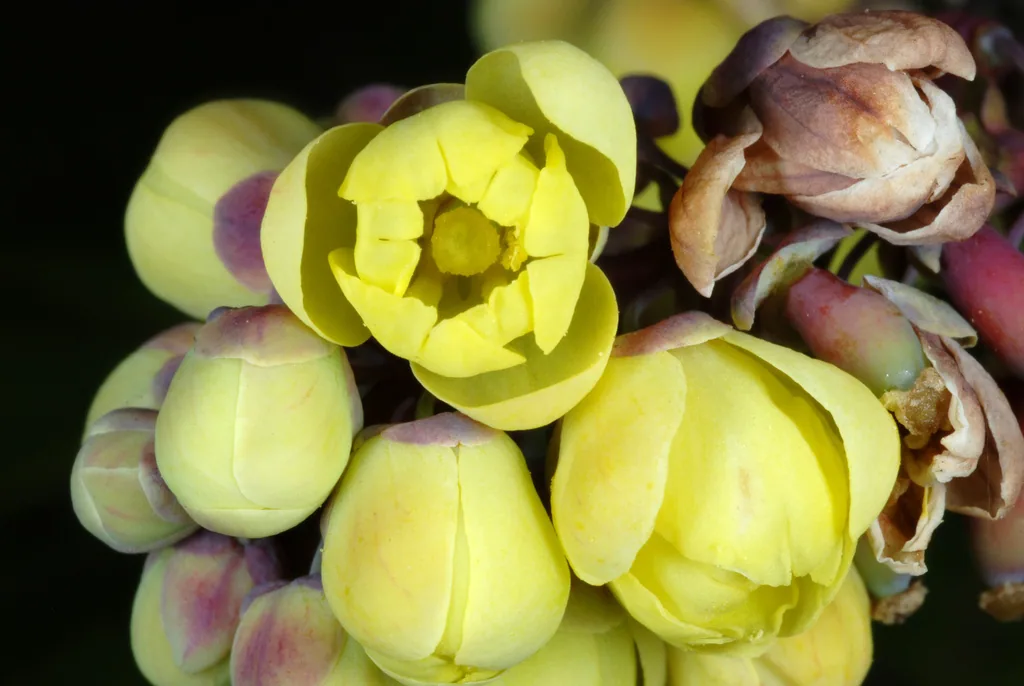
Mahonia japonica bears lemon-yellow flowers from late autumn to early spring and has received the RHS Award of Garden Merit. [1] It needs little attention once established. [1]
This record is incomplete: the sources we read do not cover every field yet.
Not yet covered by our sources: Watering, Propagation
Berberis japonica care
How to water Berberis japonica
Watering
Not stated in the sources we read.
Watering notes
Fertile, moist but well-drained soil
What the sources say (1)
For best results, grow Mahonia japonica in fertile, moist but well-drained soil in partial or full shade.How much light Berberis japonica needs
Full shade, partial shade
What the sources say (1)
Full shade, partial shadeHow much cold Berberis japonica can take
Hardiness, coldest zone
7 [winter low −17.8 to −12.2 °C (0 to 10 °F)]
What the sources say (1)
M. japonica , Japanese Mahonia, similar to M. bealei , but usually only 6 feet (1.8m) tall and spreading half again as wide, with flowers more relaxed than upright and brighter yellow. The oval berries are bluish purple. Zones 7 to 8.Hardiness, warmest zone
8 [winter low −12.2 to −6.7 °C (10 to 20 °F)]
What the sources say (1)
M. japonica , Japanese Mahonia, similar to M. bealei , but usually only 6 feet (1.8m) tall and spreading half again as wide, with flowers more relaxed than upright and brighter yellow. The oval berries are bluish purple. Zones 7 to 8.How to propagate Berberis japonica
Not stated in the sources we read.
How to grow Berberis japonica
The plant
Mature height
200 cm (2 m / 6½ ft)
What the sources say (1)
others are tall and upright and include M. japonica , which reaches 2m (6½ft) in heightHarvest and storage
Saving seeds
collect ripe fruits in early summer and clean the seeds thoroughly before sowing
What the sources say (1)
Collect ripe fruits in early summer and clean seeds thoroughy before sowingPests and diseases
Pests
berberis sawfly
What the sources say (1)
Mahonias do not tend to suffer from many problems, but they may be affected by berberis sawfly .Diseases
root rot
What the sources say (1)
Poor growth, dieback and root rots in very wet or waterlogged conditionsRemedies
Each remedy shows what official sources say about it; traditional remedies without an official source are marked as such. Harmful ones are listed so you know to avoid them.
Treating the plant
rust
removing fallen leaves Not verified
Traditional remedy, not verified by an official source.
How: Regularly pick up and burn all leaves on the ground around the plant.
thinning for air circulation Not verified
Traditional remedy, not verified by an official source.
How: If the centre of the plant is congested, prune it to allow better air circulation.
powdery mildew
moving to a sunnier position Not verified
Traditional remedy, not verified by an official source.
How: Avoid cold soil, bad air circulation and damp conditions; the plant may need to be moved to a sunnier position.
Calendar
Pruning
In spring after flowering, if needed
What the sources say (1)
Plants should be pruned, if needed, in spring after flowering.Months as given by the sources, which are mostly from the United States (northern hemisphere). In the southern hemisphere they shift by about six months.
Indicative values
Values from a secondary source, not checked word for word like the rest of this page. Use them as a starting point.
- Life cycle
- PerennialIndicative value, adapt it to your climate · Secondary source
- Watering
- MinimumIndicative value, adapt it to your climate · Secondary source
- Soil pH
- 5.5-6.5Indicative value, adapt it to your climate · Secondary source
- Care level
- MediumIndicative value, adapt it to your climate · Secondary source
- Growth rate
- LowIndicative value, adapt it to your climate · Secondary source
- Propagation
- Layering Propagation, Cutting, Division, Seed PropagationIndicative value, adapt it to your climate · Secondary source
Similar plants
- Algerita Mahonia trifoliolata
- Abies grandis Abies grandis
- Abraham Trachystemon orientalis
- Acanthus hungaricus Acanthus hungaricus
- Achlys triphylla Achlys triphylla
- Aconite Aconitum napellus
- Afghan Redbud Cercis griffithii
- African Blood Lily Scadoxus multiflorus
Sources
Every value above is quoted from these documents. Links lead to the original publisher.
- Mahonia japonica (Japanese Mahonia) | BBC Gardeners World Magazine · gardenersworld.com, consulted
- How to grow mahonia / RHS Growing Guide · rhs.org.uk, consulted
- How to Grow Mahonia · harvesttotable.com, consulted
- Mahonia japonica - Trees and Shrubs Online · treesandshrubsonline.org, consulted
Written by Emilio Marruso · last checked