
How to Grow and Care for Mandrake
Mandragora autumnalis
Written by Emilio Marruso · last checked
Classified as poisonous · Why
At a glance
Autumn mandrake is a member of the nightshade family that you can grow from seed. Sow it in spring, barely covering the seeds, and be patient: they take 1 to 3 months to sprout at 55–64 °F. Keep it sheltered from winter wet, and in late summer you can take cuttings to make even more plants.
- Water
Protect it from winter wet
What the sources say (1)
Watering notes: Protect from winter wet
Cultivation | sunny rock crevices, protection against winter wet
— Mandragora autumnalis Bertol. [6] - Propagation
From seed in spring or from cuttings in late summer
What the sources say (1)
Propagation: Seed in spring (barely covered, germination 1-3 months at 13-18°C [55–64 °F]); cuttings in late summer
Propagation | seed in spring, barely covered, germ. 1-3 months, 13-18°C cuttings in late summer
— Mandragora autumnalis Bertol. [6] - Sowing
Sow in spring, barely covered; seeds sprout in 1–3 months at 55–64 °F (13–18 °C)
What the sources say (2)
Sowing: Spring
Propagation | seed in spring, barely covered, germ. 1-3 months, 13-18°C cuttings in late summer
— Mandragora autumnalis Bertol. [6] Propagation: Seed in spring (barely covered, germination 1-3 months at 13-18°C [55–64 °F]); cuttings in late summer
Propagation | seed in spring, barely covered, germ. 1-3 months, 13-18°C cuttings in late summer
— Mandragora autumnalis Bertol. [6]
Overview
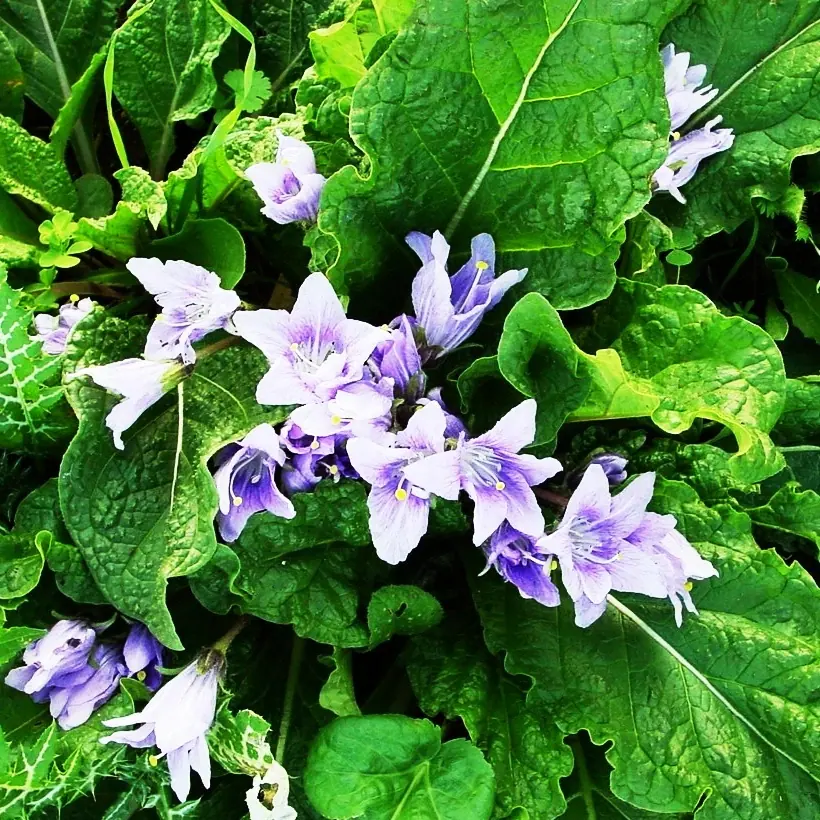
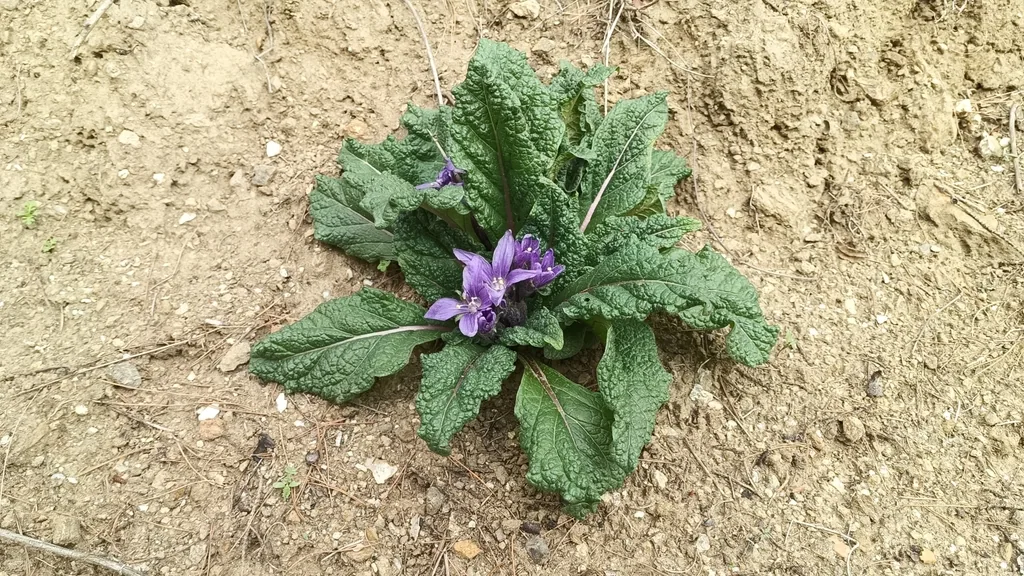
Mandragora autumnalis is a perennial native to southern Europe that forms a large basal rosette and flowers in autumn and winter. [1] It is propagated by seed sown in spring or by cuttings in late summer. [6] All parts of the plant are poisonous. [4]
This record is incomplete: the sources we read do not cover every field yet.
Not yet covered by our sources: Watering, Hardiness, coldest zone, Hardiness, warmest zone, Pruning
Mandrake care
Measurements in square brackets are our conversion into the other unit system; the quoted text is unchanged.
How to water Mandrake
Watering
Not stated in the sources we read.
Watering notes
Protect from winter wet
What the sources say (1)
Cultivation | sunny rock crevices, protection against winter wetHow much light Mandrake needs
The sources give different values depending on region, zone or growing conditions.
What each source says
According to Cambridge University Botanic Garden: Open, sunny sites
According to Rock Garden Plants database: Sunny rock crevices
According to Pacific Bulb Society: Moist shade
What the sources say (3)
According to Cambridge University Botanic Garden: where it grows in open, sunny sites with low winter rainfallAccording to Rock Garden Plants database: Cultivation | sunny rock crevices, protection against winter wetAccording to Pacific Bulb Society: Plant prefers alkaline, deep, sandy, moist shade.How much cold Mandrake can take
Hardiness, coldest zone
Not stated in the sources we read.
Hardiness, warmest zone
Not stated in the sources we read.
How to propagate Mandrake
Seed in spring (barely covered, germination 1-3 months at 13-18°C [55–64 °F]); cuttings in late summer
What the sources say (1)
Propagation | seed in spring, barely covered, germ. 1-3 months, 13-18°C cuttings in late summerHow to grow Mandrake
The plant
Family
Solanaceae
What the sources say (1)
This member of the nightshade family (Solanaceae) can be found on the Systematic Beds.Remedies
Each remedy shows what official sources say about it; traditional remedies without an official source are marked as such. Harmful ones are listed so you know to avoid them.
Treating the plant
slugs and snails
hand picking Works
How: You can pick them off by hand.
There are a few effective organic methods to control them. You can pick them off by hand or you can attract them away from plants by baiting them with beer, raw potatoes, or cabbage leaves.
— How to Grow Mandrake | Gardener’s Path [2] What the evidence says Hand-picking can be very effective if done thoroughly on a regular basis.
— ipm.ucanr.edu [8] beer bait Partly works
How: Attract them away from plants by baiting them with beer, raw potatoes, or cabbage leaves.
There are a few effective organic methods to control them. You can pick them off by hand or you can attract them away from plants by baiting them with beer, raw potatoes, or cabbage leaves.
— How to Grow Mandrake | Gardener’s Path [2] What the evidence says Beer/yeast traps attract slugs and snails within an area of only a few feet, and you must replenish the bait every few days to keep the level deep enough to drown the mollusks.
— ipm.ucanr.edu [8]
Calendar
Sowing
Spring
What the sources say (1)
Propagation | seed in spring, barely covered, germ. 1-3 months, 13-18°C cuttings in late summerPruning
Not stated in the sources we read.
Months as given by the sources, which are mostly from the United States (northern hemisphere). In the southern hemisphere they shift by about six months.
Similar plants
- Mandrake Mandragora officinarum
- Amethyst Flower Browallia speciosa
- Angel's-tears Brugmansia suaveolens
- Ashwagandha Withania somnifera
- Belladonna Atropa belladonna
- Bittersweet Solanum dulcamara
- Bladder cherry Alkekengi officinarum
- Brazilian nightshade Solanum seaforthianum
Sources
Every value above is quoted from these documents. Links lead to the original publisher.
- Mandragora autumnalis - Cambridge University Botanic Garden · botanic.cam.ac.uk, consulted
- How to Grow Mandrake | Gardener’s Path · gardenerspath.com, consulted
- Mandragora Plant Info: Are There Different Types Of Mandrake Plants | Gardening Know How · gardeningknowhow.com, consulted
- Mandrake - Mandragora autumnalis | Wild Flowers of Andalucía | Andalucía.com · andalucia.com, consulted
- Mandragora | Pacific Bulb Society · pacificbulbsociety.org, consulted
- Mandragora autumnalis Bertol. · flora.kadel.cz, consulted
- Mandragora autumnalis, Mandrake: identification, distribution, habitat · first-nature.com, consulted
- ipm.ucanr.edu · ipm.ucanr.edu
Written by Emilio Marruso · last checked