
How to Grow and Care for Wax Myrtle
Morella cerifera
Written by Emilio Marruso · last checked
At a glance
Wax myrtle is a tough, easygoing plant: it grows in full sun or partial shade and, once established, shrugs off both drought and flooding. It even handles very acidic soil, down to pH 3.7, and has no serious pests. Plant it in spring or fall, keep the soil moist at first, and let it settle in.
- Sun
Full sun to partial shade
What the sources say (2)
Light: Partial shade to full sun
Common waxmyrtle should be planted in partial shade to full sun.
— Waxmyrtle | Home & Garden Information Center [3] Zone: 7 (6b) to 11 Moisture: Moist to dry pH Range: 3.7 to 6.5 Light: Partial shade to full sun
— Southern Waxmyrtle (Myrica cerifera) | VCE Publications | Virginia Tech [4] - Water
Keep moist until established; then it handles both drought and flooding
What the sources say (4)
Watering: Moist to dry soils; drought- and flood-tolerant once established
Zone: 7 (6b) to 11 Moisture: Moist to dry pH Range: 3.7 to 6.5 Light: Partial shade to full sun
— Southern Waxmyrtle (Myrica cerifera) | VCE Publications | Virginia Tech [4] both drought- and flood-tolerant once established.
— Lady Bird Johnson Wildflower Center - The University of Texas at Austin [5] Watering notes: Requires constant moisture to get established; should be irrigated at planting if drought conditions are present
Requires constant moisture to get established, but both drought- and flood-tolerant once established.
— Lady Bird Johnson Wildflower Center - The University of Texas at Austin [5] should be initially irrigated if drought conditions are present.
— SGEB-75-15 [2] - Soil
Likes acidic soil, even down to pH 3.7; in high-pH soil the leaves turn yellow
What the sources say (2)
Soil pH, minimum: 3.7
Zone: 7 (6b) to 11 Moisture: Moist to dry pH Range: 3.7 to 6.5 Light: Partial shade to full sun
— Southern Waxmyrtle (Myrica cerifera) | VCE Publications | Virginia Tech [4] Signs of deficiency: Yellowing of the leaf tissue between the veins (iron chlorosis), in high-pH soils
Iron chlorosis (yellowing of the leaf tissue between the veins) is a problem in high pH soils.
— Waxmyrtle | Home & Garden Information Center [3] - Planting
Plant in spring or fall; water at planting if the weather is dry
What the sources say (4)
Planting: Spring or fall
Florida Panhandle dune restoration: Plants should be placed at low spots of interdunal swales during the spring
— SGEB-75-15 [2] When to plant: transplant in spring or fall
— Information On Growing Wax Myrtle Trees | Gardening Know How [7] Watering notes: Requires constant moisture to get established; should be irrigated at planting if drought conditions are present
Requires constant moisture to get established, but both drought- and flood-tolerant once established.
— Lady Bird Johnson Wildflower Center - The University of Texas at Austin [5] should be initially irrigated if drought conditions are present.
— SGEB-75-15 [2] - Feeding
Yellow leaves between the veins mean lack of iron: test the soil and lower the pH
What the sources say (2)
Micronutrients: Iron: chlorosis is a problem in high-pH soils
Iron chlorosis (yellowing of the leaf tissue between the veins) is a problem in high pH soils.
— Waxmyrtle | Home & Garden Information Center [3] Iron chlorosis is a problem in high pH soils.
— Southern Waxmyrtle (Myrica cerifera) | VCE Publications | Virginia Tech [4] - Pests
No serious pests
What the sources say (1)
Pests: none serious
Insects, Diseases and Other Plant Problems: No serious insect or disease problems.
— Myrica cerifera (Bayberry, Candleberry, Dwarf Bayberry, Dwarf Wax-myrtle, Eastern Bayberry, Southern Bayberry, Southern Waxmyrtle, Southern Wax Myrtle, Tallow Shrub, Waxmyrtle, Wax Myrtle) | North Carolina Extension Gardener Plant Toolbox [1] - Propagation
From seed, from stem cuttings in summer, or from root cuttings in early winter
What the sources say (3)
Propagation: Seed (wax coating removed; 40 to 90 days cool, moist stratification); softwood or semi-hardwood cuttings in summer; root cuttings in early winter
Seed require a cool, moist stratification period of 40 to 90 days.
— SGEB-75-15 [2] Wax myrtle will root from softwood or semi-hardwood cuttings taken in summer.
— Lady Bird Johnson Wildflower Center - The University of Texas at Austin [5] Root cuttings, 2-3 in. long., can be made in early winter.
— Lady Bird Johnson Wildflower Center - The University of Texas at Austin [5] - Sowing
Remove the wax from the seeds and sow outdoors in fall, or keep them cool and moist 40–90 days first
What the sources say (4)
Sowing: Fall, outdoors (or stratify)
Sow seed outdoors in the fall or stratify.
— Lady Bird Johnson Wildflower Center - The University of Texas at Austin [5] Propagation: Seed (wax coating removed; 40 to 90 days cool, moist stratification); softwood or semi-hardwood cuttings in summer; root cuttings in early winter
Seed require a cool, moist stratification period of 40 to 90 days.
— SGEB-75-15 [2] Wax myrtle will root from softwood or semi-hardwood cuttings taken in summer.
— Lady Bird Johnson Wildflower Center - The University of Texas at Austin [5] Root cuttings, 2-3 in. long., can be made in early winter.
— Lady Bird Johnson Wildflower Center - The University of Texas at Austin [5]
Overview
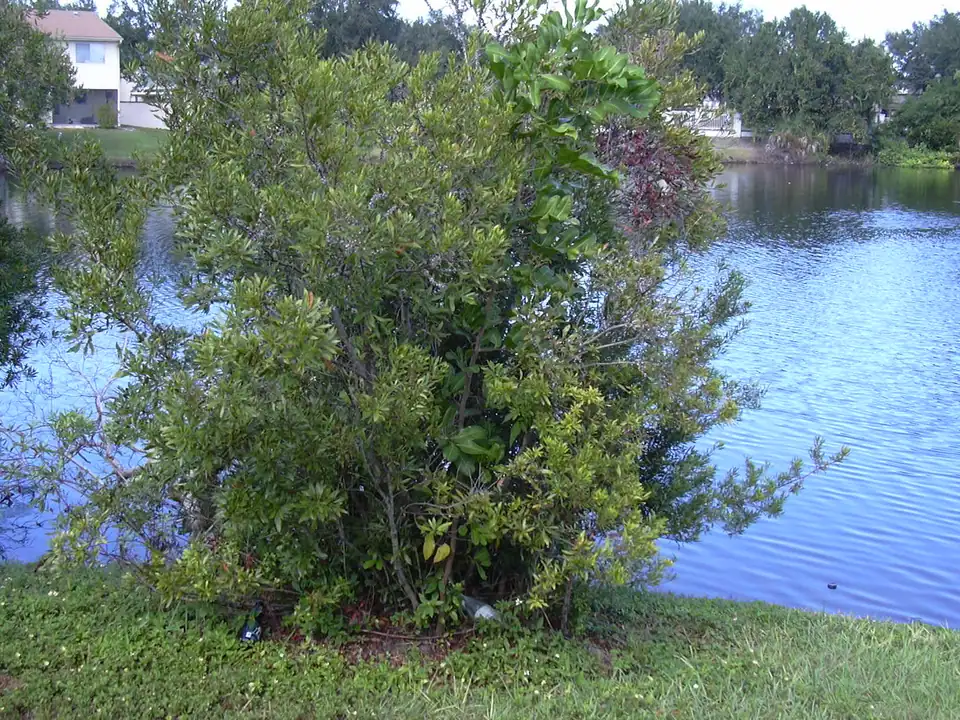
Wax myrtle is a fast-growing evergreen shrub or small tree of the southeastern United States, grown as a screen or informal hedge. [3] It tolerates drought, sand, sun and salt spray, and plants are either male or female, with only females bearing berries. [3]
This record is incomplete: the sources we read do not cover every field yet.
Not yet covered by our sources: Pruning
Wax Myrtle care
How to water Wax Myrtle
Watering
Moist to dry soils; drought- and flood-tolerant once established
What the sources say (2)
Zone: 7 (6b) to 11
Moisture: Moist to dry
pH Range: 3.7 to 6.5
Light: Partial shade to full sunboth drought- and flood-tolerant once established.Watering notes
Requires constant moisture to get established; should be irrigated at planting if drought conditions are present
How much light Wax Myrtle needs
Partial shade to full sun
What the sources say (2)
Common waxmyrtle should be planted in partial shade to full sun.Zone: 7 (6b) to 11
Moisture: Moist to dry
pH Range: 3.7 to 6.5
Light: Partial shade to full sunHow much cold Wax Myrtle can take
Hardiness, coldest zone
The sources give different values depending on region, zone or growing conditions.
What each source says
According to NC State Extension: 7a [winter low −17.8 to −15 °C (0 to 5 °F)]
According to Virginia Cooperative Extension: 6b [winter low −20.6 to −17.8 °C (−5 to 0 °F)]
According to Clemson HGIC: 7 [winter low −17.8 to −12.2 °C (0 to 10 °F)]
What the sources say (3)
According to NC State Extension: USDA Plant Hardiness Zone:
7a, 7b, 8a, 8b, 9a, 9b, 10a, 10b, 11a, 11bAccording to Virginia Cooperative Extension: Zone: 7 (6b) to 11
Moisture: Moist to dry
pH Range: 3.7 to 6.5
Light: Partial shade to full sunAccording to Clemson HGIC: Common waxmyrtle grows well in USDA zones 7 to 10.Hardiness, warmest zone
The sources give different values depending on region, zone or growing conditions.
What each source says
According to NC State Extension: 11b [winter low 7.2 to 10 °C (45 to 50 °F)]
According to Virginia Cooperative Extension: 11 [winter low 4.4 to 10 °C (40 to 50 °F)]
According to Clemson HGIC: 10 [winter low −1.1 to 4.4 °C (30 to 40 °F)]
What the sources say (3)
According to NC State Extension: USDA Plant Hardiness Zone:
7a, 7b, 8a, 8b, 9a, 9b, 10a, 10b, 11a, 11bAccording to Virginia Cooperative Extension: Zone: 7 (6b) to 11
Moisture: Moist to dry
pH Range: 3.7 to 6.5
Light: Partial shade to full sunAccording to Clemson HGIC: Common waxmyrtle grows well in USDA zones 7 to 10.Best soil for Wax Myrtle
Soil pH, minimum
3.7
What the sources say (1)
Zone: 7 (6b) to 11
Moisture: Moist to dry
pH Range: 3.7 to 6.5
Light: Partial shade to full sunSoil pH, maximum
The sources give different values depending on region, zone or growing conditions.
What each source says
According to Virginia Cooperative Extension: 6.5
According to NC State Extension: 6.0
What the sources say (2)
According to Virginia Cooperative Extension: Zone: 7 (6b) to 11
Moisture: Moist to dry
pH Range: 3.7 to 6.5
Light: Partial shade to full sunAccording to NC State Extension: Soil pH:
Acid (<6.0)How to propagate Wax Myrtle
Seed (wax coating removed; 40 to 90 days cool, moist stratification); softwood or semi-hardwood cuttings in summer; root cuttings in early winter
What the sources say (3)
Seed require a cool, moist stratification period of 40 to 90 days.Wax myrtle will root from softwood or semi-hardwood cuttings taken in summer.Root cuttings, 2-3 in. long., can be made in early winter.How to grow Wax Myrtle
The plant
Family
Myricaceae
What the sources say (1)
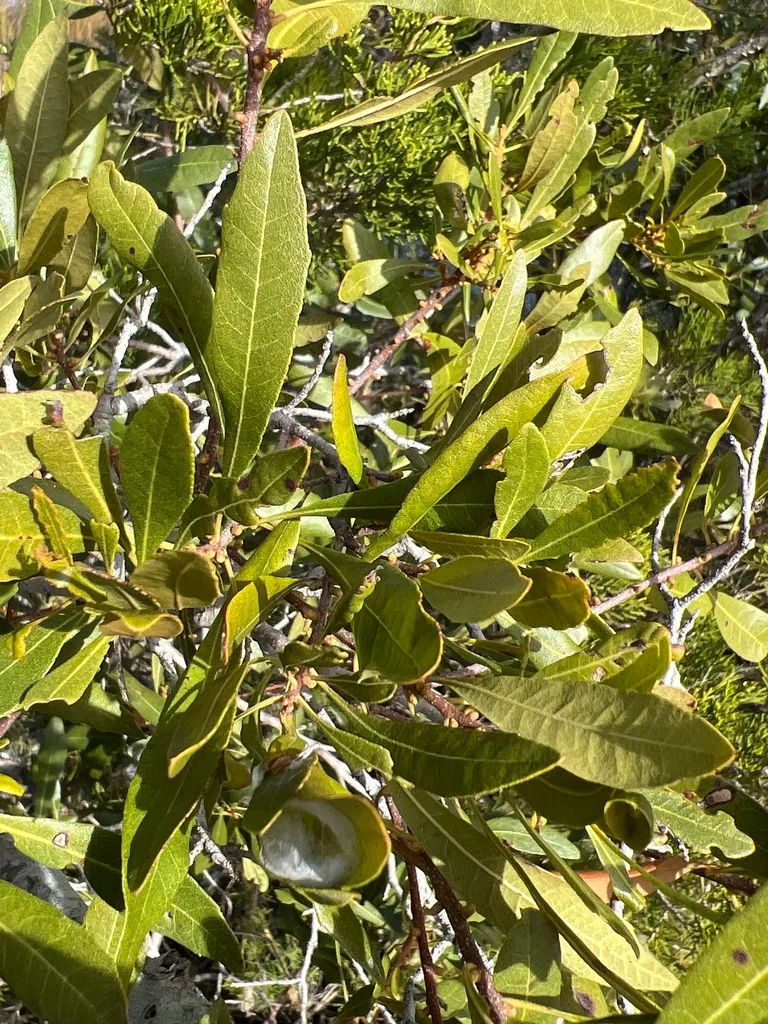
Wax myrtle is a broadleaf evergreen shrub or tree in the bayberry family (Myricaceae) that may grow 20 to 25 feet tall and 8 to 10 feet wide, but usually is much shorter.Pests and diseases
Pests
none serious
What the sources say (1)
Insects, Diseases and Other Plant Problems: No serious insect or disease problems.Fertilizing
Micronutrients
Iron: chlorosis is a problem in high-pH soils
Signs of deficiency
Yellowing of the leaf tissue between the veins (iron chlorosis), in high-pH soils
What the sources say (1)
Iron chlorosis (yellowing of the leaf tissue between the veins) is a problem in high pH soils.Wax Myrtle pests and problems
Iron chlorosis
Symptom: Yellowing of the leaf tissue between the veins
What to do: Occurs in high pH soils; test soil and adjust pH if it is too high.
Remedies
Each remedy shows what official sources say about it; traditional remedies without an official source are marked as such. Harmful ones are listed so you know to avoid them.
Treating the plant
vascular streak dieback
removing and incinerating infected plants Official source, not independently tested
How: Plants diagnosed with VSD should be removed and incinerated to prevent possible spread to landscape plants or other nursery stock.
Plants diagnosed with VSD should be removed and incinerated to prevent possible spread to landscape plants or other nursery stock.
— pubs.ext.vt.edu [8] pruning out infected branches Official source, not independently tested
How: The source says pruning out the disease is unlikely to work.
It is unlikely that a vascular disease such as VSD can be pruned-out or eradicated from the plant.
— pubs.ext.vt.edu [8]
Getting rid of it
wax myrtle in pastures
roller-chopping Partly works
How: Prior to the use of herbicides, roller-chopping or some other method was used for wax myrtle control.
Prior to the use of herbicides, roller-chopping or some other method was used for wax myrtle control.
— ask.ifas.ufl.edu [9] What the evidence says Wax myrtle plants grow at least 2 inches every 30 days; therefore, chopping will result in temporary control, but plants can be at least 12 inches tall six months after treatment.
— ask.ifas.ufl.edu [9]
wax myrtle in rangeland
controlled burning Partly works
In pastures (especially bahiagrass), however, fuel is typically insufficient to carry the fire into the wax myrtle canopy, particularly in late winter.
— ask.ifas.ufl.edu [9] How: Burning rangeland every two to three years suppressed wax myrtle growth.
Research conducted in the late 1970s showed that burning rangeland every two to three years provided excellent suppression of wax myrtle growth.
— ask.ifas.ufl.edu [9] What the evidence says Research conducted in the late 1970s showed that burning rangeland every two to three years provided excellent suppression of wax myrtle growth.
— ask.ifas.ufl.edu [9]
Calendar
Sowing
Fall, outdoors (or stratify)
What the sources say (1)
Sow seed outdoors in the fall or stratify.Planting
Spring or fall
What each source says
Florida Panhandle dune restoration: Spring
Pruning
Not stated in the sources we read.
Months as given by the sources, which are mostly from the United States (northern hemisphere). In the southern hemisphere they shift by about six months.
Indicative values
Values from a secondary source, not checked word for word like the rest of this page. Use them as a starting point.
- Life cycle
- PerennialIndicative value, adapt it to your climate · Secondary source
- Mature height
- 304.8-457.2 cm (10-15 ft)Indicative value, adapt it to your climate · Secondary source
- Hours of sun
- 6-8 hoursIndicative value, adapt it to your climate · Secondary source
- Care level
- MediumIndicative value, adapt it to your climate · Secondary source
- Growth rate
- HighIndicative value, adapt it to your climate · Secondary source
- Pruning
- February, February, March, June, July, June, July, February, June, JulyIndicative value, adapt it to your climate · Secondary source
Similar plants
- Bayberry Myrica pensylvanica
- Sweet Fern Comptonia peregrina
- Abies grandis Abies grandis
- Abraham Trachystemon orientalis
- Abyssinian banana Ensete ventricosum
- Acacia longifolia Acacia longifolia
- Acanthus hungaricus Acanthus hungaricus
- Achlys triphylla Achlys triphylla
Sources
Every value above is quoted from these documents. Links lead to the original publisher.
- Myrica cerifera (Bayberry, Candleberry, Dwarf Bayberry, Dwarf Wax-myrtle, Eastern Bayberry, Southern Bayberry, Southern Waxmyrtle, Southern Wax Myrtle, Tallow Shrub, Waxmyrtle, Wax Myrtle) | North Carolina Extension Gardener Plant Toolbox · plants.ces.ncsu.edu, consulted
- SGEB-75-15 · edis.ifas.ufl.edu, consulted
- Waxmyrtle | Home & Garden Information Center · hgic.clemson.edu, consulted
- Southern Waxmyrtle (Myrica cerifera) | VCE Publications | Virginia Tech · pubs.ext.vt.edu, consulted
- Lady Bird Johnson Wildflower Center - The University of Texas at Austin · wildflower.org, consulted
- Southern Wax Myrtle | Duke Gardens · gardens.duke.edu, consulted
- Information On Growing Wax Myrtle Trees | Gardening Know How · gardeningknowhow.com, consulted
- pubs.ext.vt.edu · pubs.ext.vt.edu
- ask.ifas.ufl.edu · ask.ifas.ufl.edu
Written by Emilio Marruso · last checked