
How to Grow and Care for Orange jasmine
Murraya paniculata
Written by Emilio Marruso · last checked
At a glance
Orange jasmine is a generous plant that can reach 10 feet or more, yet it is happy in a container and even indoors. Plant it outdoors in warm weather, give it well-drained soil and never let its roots sit in soggy ground. You can also grow new plants yourself from seed, from stem cuttings or by air layering.
- Water
Never let it sit in soggy, waterlogged soil
What the sources say (1)
Watering notes: Well-drained soil is critical; does not do well in waterlogged soil
Well-drained soil is critical, as orange jasmine doesn’t do well in waterlogged soil.
— Murraya Orange Jasmine - Growing Orange Jasmine Plants In The Garden | Gardening Know How [5] - Soil
Well-drained soil is a must
What the sources say (1)
Watering notes: Well-drained soil is critical; does not do well in waterlogged soil
Well-drained soil is critical, as orange jasmine doesn’t do well in waterlogged soil.
— Murraya Orange Jasmine - Growing Orange Jasmine Plants In The Garden | Gardening Know How [5] - Planting
Plant it outdoors in warm weather
What the sources say (1)
Planting: Outdoors in warm weather
Set Murraya outdoors in warm weather.
— How to Grow Murraya - Orange Jasmine [7] - Size
10 ft tall or more
What the sources say (1)
Mature height: 304.8 or more (10 ft [3 m] or more)
Large shrub or small tree to about ten feet tall or more.
— UNF: Murraya paniculata [1] - Propagation
New plants from seed, stem cuttings or air layering
What the sources say (1)
Propagation: Seed, stem cutting, air-layering
| Propagation Method | Seed, Stem Cutting, Air-Layering
— NParks | Murraya paniculata [6]
Overview
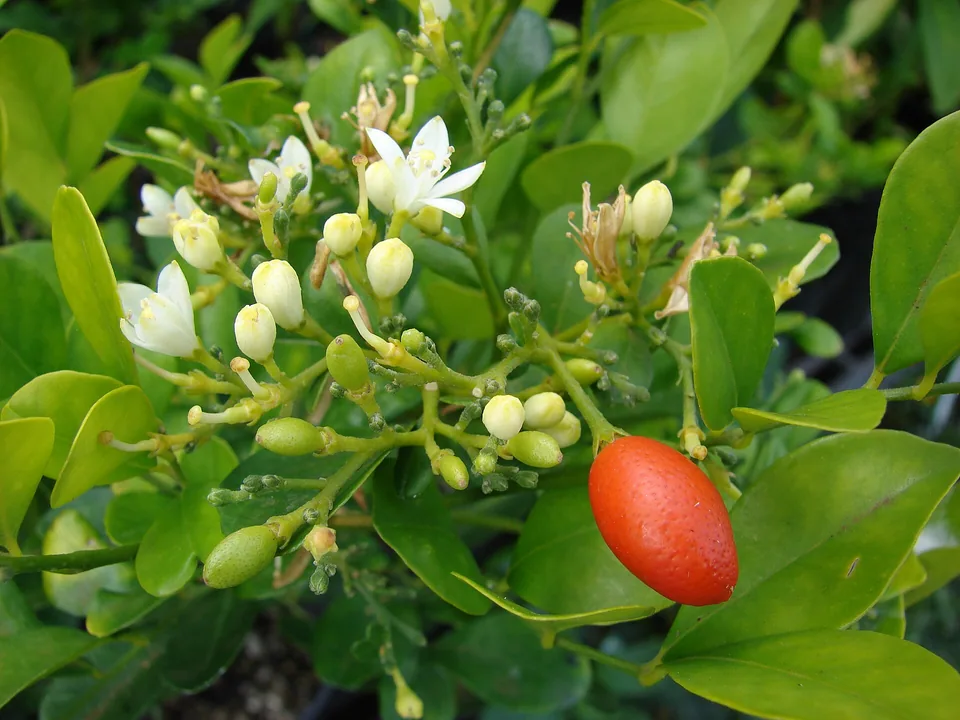
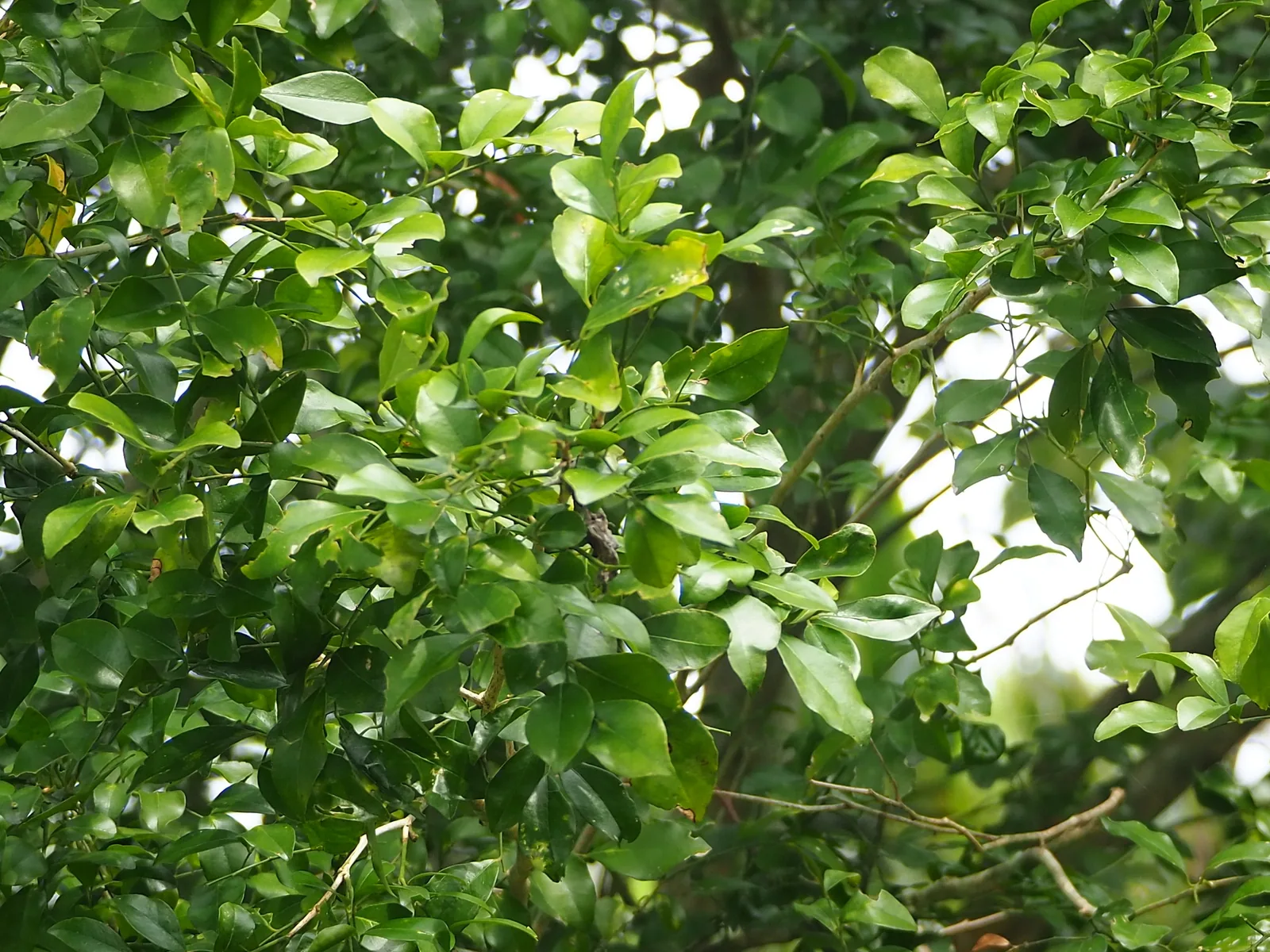
Murraya paniculata (orange jasmine) is a large shrub or small tree with evergreen compound leaves and fragrant white flowers. [1] It is commonly planted as a hedge or topiary and can be grown in containers. [6] It is listed as an exotic pest plant in parts of Florida and is a weed in many areas. [1][2]
This record is incomplete: the sources we read do not cover every field yet.
Not yet covered by our sources: Watering, Hardiness, coldest zone, Hardiness, warmest zone, Pruning
Orange jasmine care
Measurements in square brackets are our conversion into the other unit system; the quoted text is unchanged.
How to water Orange jasmine
Watering
Not stated in the sources we read.
Watering notes
Well-drained soil is critical; does not do well in waterlogged soil
What the sources say (1)
Well-drained soil is critical, as orange jasmine doesn’t do well in waterlogged soil.How much light Orange jasmine needs
How much cold Orange jasmine can take
Hardiness, coldest zone
Not stated in the sources we read.
Hardiness, warmest zone
Not stated in the sources we read.
Where to grow Orange jasmine
Indoors
Yes
What the sources say (1)
It can be trained as a houseplant or bonsai.In containers
Yes
What the sources say (1)
Plants can be grown in containers, propagated via seed or stem cutting.Spacing
The sources give different values depending on region, zone or growing conditions.
What each source says
According to NParks: 90-150 cm [35–59 in]
hedge or specimen (fonte: Harvest to Table): 180-450 cm (6-15 ft)
How to propagate Orange jasmine
Seed, stem cutting, air-layering
What the sources say (1)
| Propagation Method
| Seed, Stem Cutting, Air-LayeringHow to grow Orange jasmine
Remedies
Each remedy shows what official sources say about it; traditional remedies without an official source are marked as such. Harmful ones are listed so you know to avoid them.
Getting rid of it
invasive seedlings
hand-pulling or grubbing out seedlings Official source, not independently tested
How: Hand-pull newly established or isolated seedlings; remove them by grubbing, brush cutting or chain sawing.
Hand-pull newly established or isolated seedlings. - Remove newly established or isolated seedlings by grubbing, brush cutting or chain sawing.
— business.qld.gov.au [8]
Calendar
Planting
Outdoors in warm weather
What the sources say (1)
Set Murraya outdoors in warm weather.Pruning
Not stated in the sources we read.
Months as given by the sources, which are mostly from the United States (northern hemisphere). In the southern hemisphere they shift by about six months.
Indicative values
Values from a secondary source, not checked word for word like the rest of this page. Use them as a starting point.
- Life cycle
- PerennialIndicative value, adapt it to your climate · Secondary source
- Watering
- FrequentIndicative value, adapt it to your climate · Secondary source
- Soil pH
- 6-7.5Indicative value, adapt it to your climate · Secondary source
- USDA hardiness zones
- 10-12 [winter low −1.1 to 15.6 °C (30 to 60 °F)]Indicative value, adapt it to your climate · Secondary source
- Care level
- MediumIndicative value, adapt it to your climate · Secondary source
- Growth rate
- HighIndicative value, adapt it to your climate · Secondary source
- Pruning
- March, April, May, June, JulyIndicative value, adapt it to your climate · Secondary source
Similar plants
- Curry tree Murraya koenigii
- Amur Cork Tree Phellodendron amurense
- Bee-Bee Tree Tetradium daniellii
- Bitter orange Citrus × aurantium
- Dittany Dictamnus albus
- Fringed rue Ruta chalepensis
- Hardy orange Citrus trifoliata
- Hercules Club Zanthoxylum clava-herculis
Sources
Every value above is quoted from these documents. Links lead to the original publisher.
- UNF: Murraya paniculata · unf.edu, consulted
- Murraya paniculata - Botany Brisbane · botanybrisbane.com, consulted
- Digital Garden :: UoK · keralauniversity.ac.in, consulted
- Murraya paniculata / [Species detail] / Plant Atlas · florida.plantatlas.usf.edu, consulted
- Murraya Orange Jasmine - Growing Orange Jasmine Plants In The Garden | Gardening Know How · gardeningknowhow.com, consulted
- NParks | Murraya paniculata · nparks.gov.sg, consulted
- How to Grow Murraya - Orange Jasmine · harvesttotable.com, consulted
- business.qld.gov.au · business.qld.gov.au
Written by Emilio Marruso · last checked