
How to Grow and Care for Phytolacca dioica
Phytolacca dioica
Written by Emilio Marruso · last checked
Toxic to: People · Why
At a glance
This easygoing plant is happy anywhere from full sun to partial shade and grows in a wide range of soils, from acidic to slightly alkaline. Water it moderately, letting the soil dry out between waterings; once settled in, it shrugs off drought. You can start it from seed, but keep in mind that its leaves are poisonous.
- Sun
Full sun to partial shade
What the sources say (2)
- Water
Water moderately and let the soil dry between waterings; once settled, it handles drought very well
What the sources say (2)
Watering: Water moderately, letting the substrate dry between waterings; established plants are very drought tolerant
Water moderately while waiting for the substrate to dry to avoid root rot.
— Phytolacca dioica or Ombu tree | Care and Growing [3] Established plants are very drought tolerant
— Phytolacca dioica - Useful Tropical Plants [2] - Soil
Acidic to slightly alkaline soil, pH 5.0–7.5
- Harvest
Its leaves are used as animal feed in times of drought; don't eat them yourself
- Propagation
Grows from seed
- Safety
The leaves are poisonous
Overview
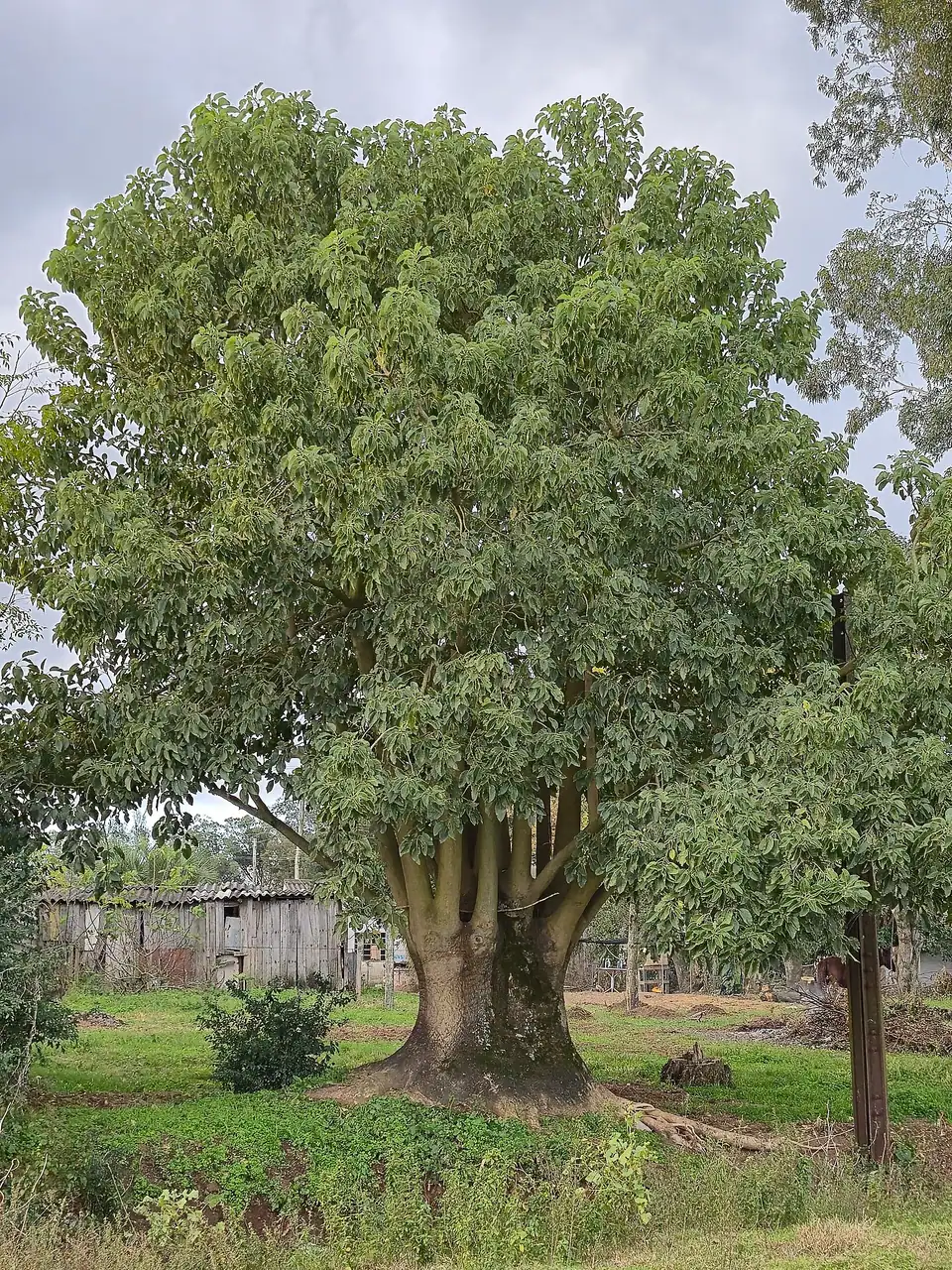
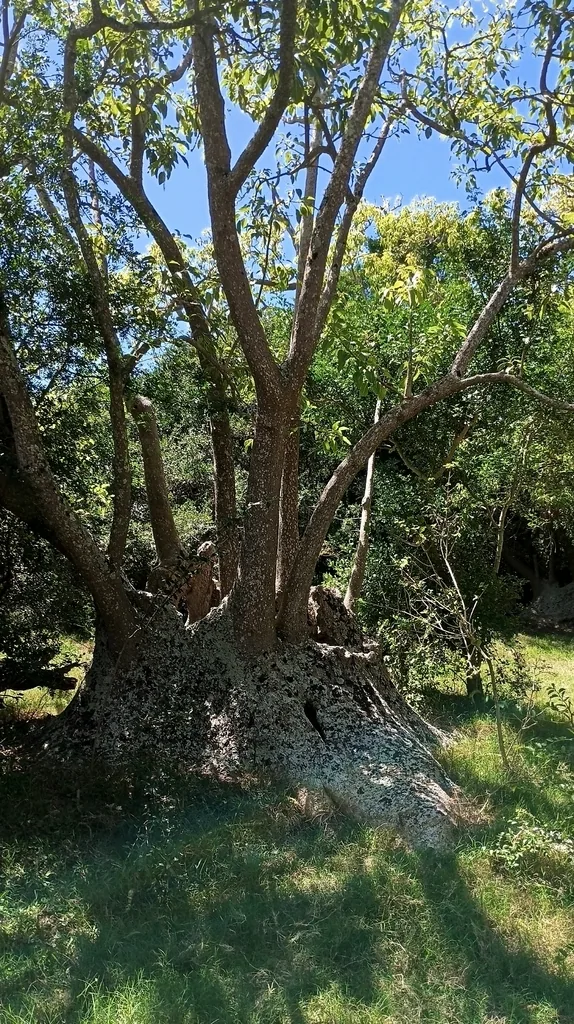
Ombu is a fast-growing evergreen tree native to southern South America, valued for shade. [2][3] The leaves are poisonous and the seeds, leaf and root contain saponins. [2][1]
This record is incomplete: the sources we read do not cover every field yet.
Not yet covered by our sources: Hardiness, coldest zone, Hardiness, warmest zone, Pruning
Phytolacca dioica care
How to water Phytolacca dioica
Water moderately, letting the substrate dry between waterings; established plants are very drought tolerant
How much light Phytolacca dioica needs
How much cold Phytolacca dioica can take
Hardiness, coldest zone
Not stated in the sources we read.
Hardiness, warmest zone
Not stated in the sources we read.
Best soil for Phytolacca dioica
Soil pH, minimum
5.0
What the sources say (1)
Prefers a pH in the range 5.5 - 7, tolerating 5 - 7.5Soil pH, maximum
7.5
What the sources say (1)
Prefers a pH in the range 5.5 - 7, tolerating 5 - 7.5How to propagate Phytolacca dioica
Remedies
Each remedy shows what official sources say about it; traditional remedies without an official source are marked as such. Harmful ones are listed so you know to avoid them.
First aid
First aid: not a substitute for a doctor
skin contact with pokeweed
wash skin with soap and water Official source, not independently tested
If the person has a rash or other skin irritation, call the poison center at 1-800-222-1222
— nnepc.org [5] How: Wash the affected skin gently but thoroughly with soap and water; wash any clothing that touched the plant.
Wash the affected skin gently but thoroughly with soap and water. It’s a good idea to wash any clothing that touched the plant, as well.
— nnepc.org [5]
swallowed pokeweed
remove plant pieces from the mouth Official source, not independently tested
All parts of the plant are poisonous to both humans and animals, but especially the root. The plant is poisonous both to eat and to touch.
— nnepc.org [5] How: Take all the pieces you can out of the person's mouth, then give a few sips of water or milk.
Take all the pieces you can out of the person’s mouth.
— nnepc.org [5]
Is Phytolacca dioica poisonous?
Reported by the source, quoted verbatim. This is not medical or veterinary advice: if a person or an animal may have eaten this plant, contact a poison control centre or a veterinarian.
Calendar
Sowing
The sources give different values depending on region, zone or growing conditions.
What each source says
According to consultaplantas: Spring
According to Useful Tropical Plants: As soon as ripe
What the sources say (2)
According to consultaplantas: sown in the seedbed in spring.According to Useful Tropical Plants: Best sown as soon as ripe in containers or a seed bed in a position in light shadePruning
Not stated in the sources we read.
Months as given by the sources, which are mostly from the United States (northern hemisphere). In the southern hemisphere they shift by about six months.
Edibility
Reported by the source, quoted verbatim. Do not eat a plant on the basis of this page alone: identification mistakes can be dangerous.
Similar plants
- Poke Phytolacca americana
- Abies grandis Abies grandis
- Abraham Trachystemon orientalis
- Abyssinian banana Ensete ventricosum
- Acacia longifolia Acacia longifolia
- Acanthus hungaricus Acanthus hungaricus
- Achlys triphylla Achlys triphylla
- Aconite Aconitum napellus
Sources
Every value above is quoted from these documents. Links lead to the original publisher.
- Phytolacca dioica · apps.worldagroforestry.org, consulted
- Phytolacca dioica - Useful Tropical Plants · tropical.theferns.info, consulted
- Phytolacca dioica or Ombu tree | Care and Growing · consultaplantas.com, consulted
- VIRBOGA - Phytolacca dioica · virboga.de, consulted
- nnepc.org · nnepc.org
Written by Emilio Marruso · last checked