
How to Grow and Care for Oriental Plane
Platanus orientalis
Written by Emilio Marruso · last checked
At a glance
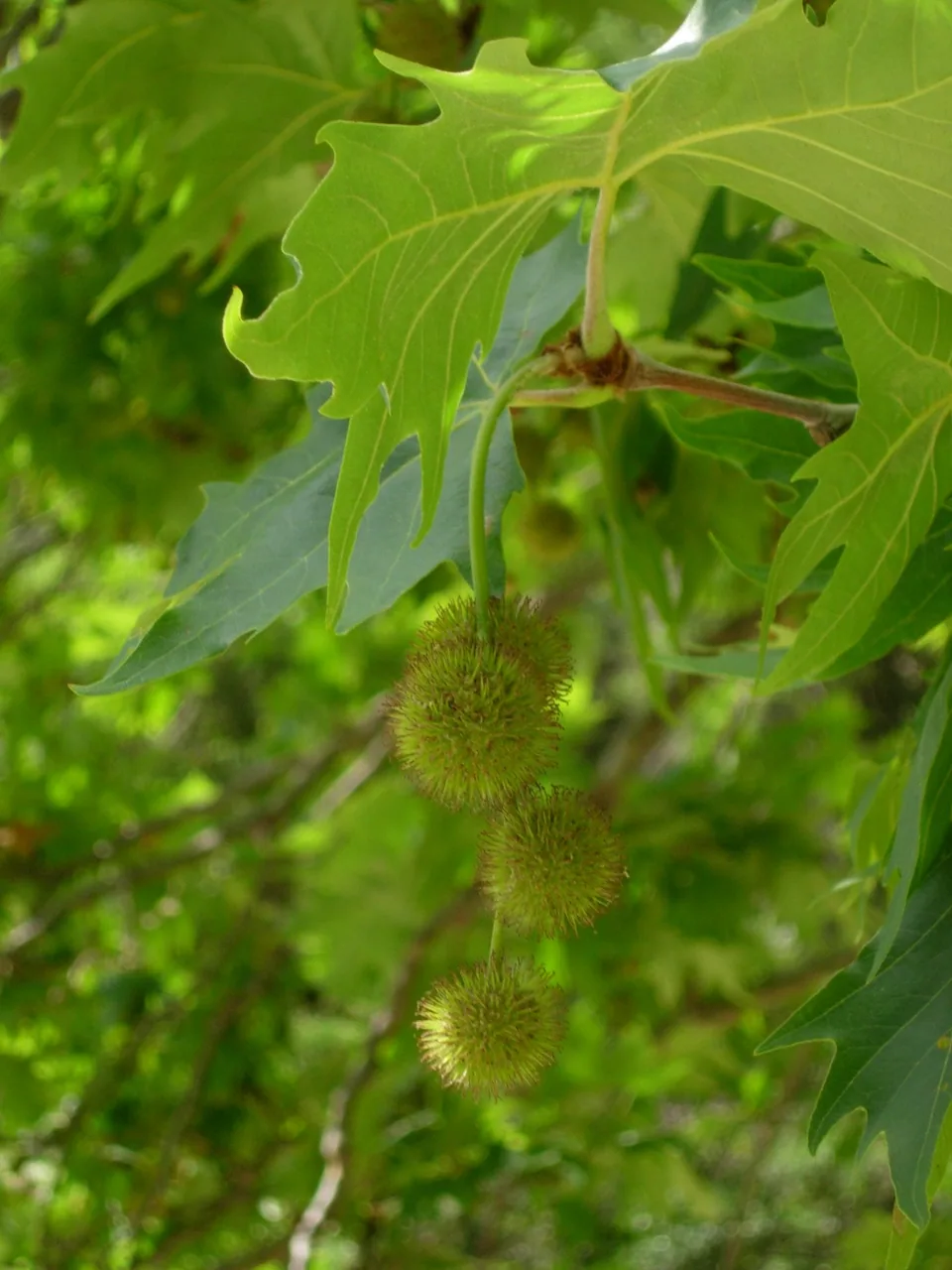
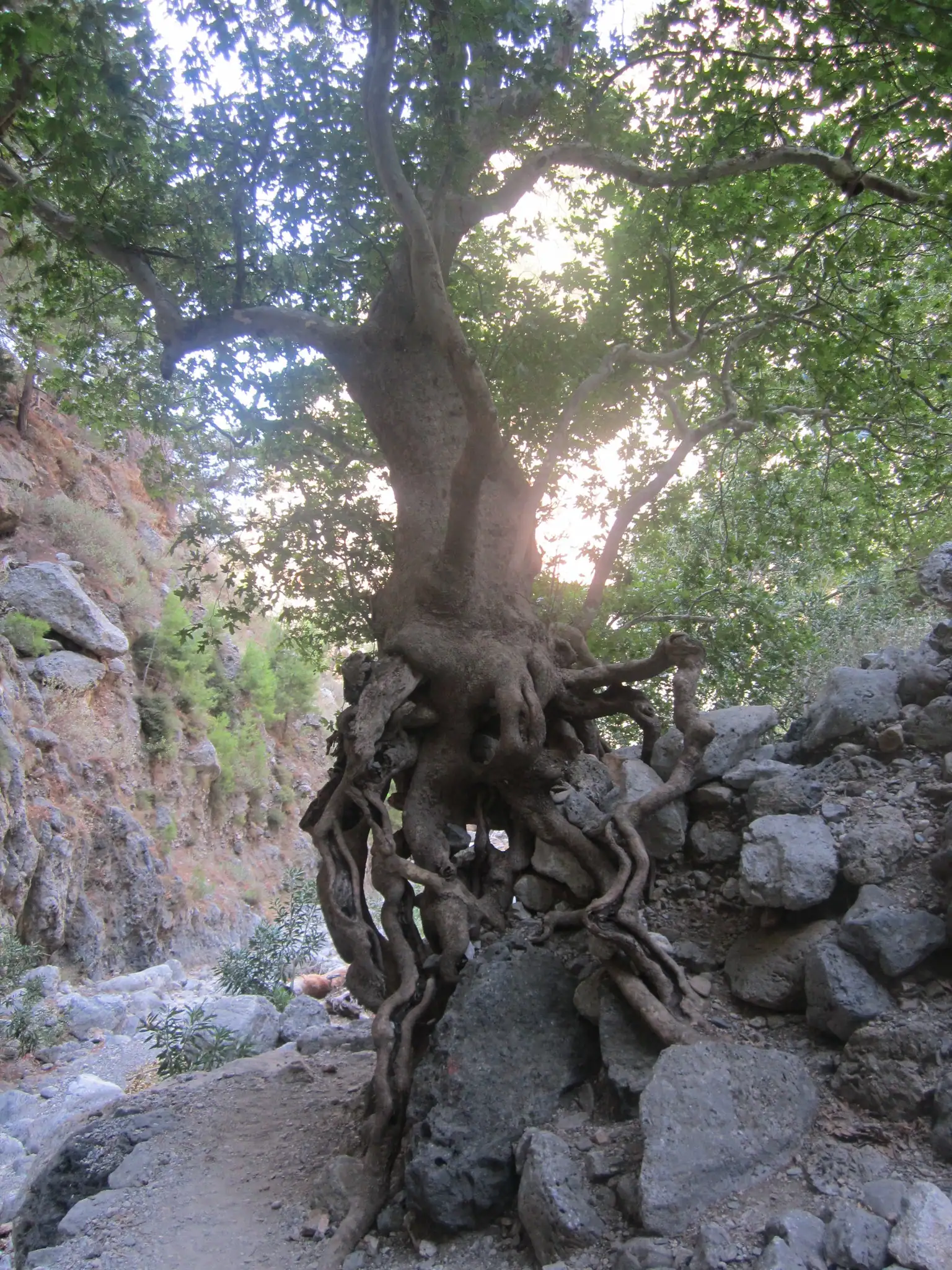
The oriental plane tree is a true giant, growing 70 to 80 feet tall and 50 to 70 feet wide. It is happy in full sun, partial sun or partial shade, and once established it handles drought, though it grows best where the soil stays moist all summer. Give it plenty of room and watch it become the grand centerpiece of a big garden.
- Sun
Full sun, partial sun or partial shade
- Water
Handles drought once established, but grows best in soil that stays moist all summer
What the sources say (4)
Watering: Drought tolerant once established
Soil tolerances: clay; sand; loam; alkaline; acidic; occasion-ally wet; well-drained Drought tolerance: high
— ENH644 [1] A fast growing species, established plants are drought tolerant
— Platanus orientalis - Useful Temperate Plants [7] Watering notes: Grows best on moist soils where underground water remains available throughout summer; leaves may drop early in dry years
Oriental Planetree should be grown in full sun or partial shade on moist soils. It grows on acid or alkaline soil, wet or dry. Leaves may drop early in dry years.
— ENH644 [1] grow best in rich, moist, valley bottom soils, but they are remarkably tolerant so long as they are planted where underground water remains available throughout summer.
— Platanus orientalis - Trees and Shrubs Online [3] - Cold
Survives winters down to 0 °F (−17.8 °C)
Hardy in very cold winters · USDA 7a · RHS H6 · Z7
- Planting
Plant out in late spring or early summer, after the last frosts
What the sources say (1)
Planting: Late spring or early summer, after the last expected frosts (seedlings from the greenhouse)
Plant them out into their permanent positions in late spring or early summer, after the last expected frosts.
— Platanus orientalis - Useful Temperate Plants [7] - Pests
Watch for lace bugs, anthracnose in wet years and cankers, which can kill the tree
What the sources say (3)
Pests: lace bug
Lace bug, and similar insects can be pests.
— ENH644 [1] Diseases: canker stain, stem canker, anthracnose, bacterial leaf scorch
Canker stain and stem canker can severely weaken or kill trees. Anthracnose can be serious in wet years, although this planetree is more resistant than American sycamore.
— ENH644 [1] bacterial leaf scorch and canker stain have killed many trees in these communities.
— ENH644 [1] - Size
70–80 ft tall and 50–70 ft wide
What the sources say (2)
Mature height: 2133.6-2438.4 cm (70 to 80 feet)
Description Height: 70 to 80 feet Spread: 50 to 70 feet Crown uniformity: symmetrical Crown shape: round, pyramidal
— ENH644 [1] Mature width: 1524-2133.6 cm (50 to 70 feet)
Description Height: 70 to 80 feet Spread: 50 to 70 feet Crown uniformity: symmetrical Crown shape: round, pyramidal
— ENH644 [1] - Propagation
From seed, by layering, or from hardwood cuttings, which seldom take
What the sources say (4)
Propagation: Seed (two months cold stratification improves germination); hardwood cuttings (low success rate); layering of stools
Seed - two months cold stratification improves germination
— Platanus orientalis - Useful Temperate Plants [7] Cuttings of mature wood of the current years growth, 20 - 30 cm with a heel, autumn in a cold frame
— Platanus orientalis - Useful Temperate Plants [7] Layering of stools in spring or autumn
— Platanus orientalis - Useful Temperate Plants [7] Although it is easy to raise from seed, Platanus orientalis is much harder than most of its hybrid descendents to propagate by cuttings.
— Platanus orientalis - Trees and Shrubs Online [3] - Sowing
Sow fresh seed in spring in a cold frame in light shade; two months of cold first helps it sprout
What the sources say (6)
Sowing: Spring, in a cold frame in light shade (seed harvested in late winter or spring and sown immediately)
Sow spring in a cold frame in light shade
— Platanus orientalis - Useful Temperate Plants [7] It is best to harvest the seed in late winter or spring and then sow it immediately in a cold frame
— Platanus orientalis - Useful Temperate Plants [7] Propagation: Seed (two months cold stratification improves germination); hardwood cuttings (low success rate); layering of stools
Seed - two months cold stratification improves germination
— Platanus orientalis - Useful Temperate Plants [7] Cuttings of mature wood of the current years growth, 20 - 30 cm with a heel, autumn in a cold frame
— Platanus orientalis - Useful Temperate Plants [7] Layering of stools in spring or autumn
— Platanus orientalis - Useful Temperate Plants [7] Although it is easy to raise from seed, Platanus orientalis is much harder than most of its hybrid descendents to propagate by cuttings.
— Platanus orientalis - Trees and Shrubs Online [3]
Overview
Oriental plane is a large, deciduous, long-lived tree used as a shade and ornamental tree. [2][1] It grows in full sun or partial shade, on acid or alkaline soil, and does best where moisture is available. [1] Canker stain, stem canker and anthracnose are the main health problems. [1]
This record is incomplete: the sources we read do not cover every field yet.
Not yet covered by our sources: Pruning
Oriental Plane care
How to water Oriental Plane
Watering
Drought tolerant once established
Watering notes
Grows best on moist soils where underground water remains available throughout summer; leaves may drop early in dry years
What the sources say (2)
Oriental Planetree should be grown in full sun or partial shade on moist soils. It grows on acid or alkaline soil, wet or dry. Leaves may drop early in dry years.grow best in rich, moist, valley bottom soils, but they are remarkably tolerant so long as they are planted where underground water remains available throughout summer.How much light Oriental Plane needs
How much cold Oriental Plane can take
Hardiness, coldest zone
7a [winter low −17.8 to −15 °C (0 to 5 °F)]
What the sources say (1)
USDA hardiness zones: 7A through 9AHardiness, warmest zone
9a [winter low −6.7 to −3.9 °C (20 to 25 °F)]
What the sources say (1)
USDA hardiness zones: 7A through 9AHow to propagate Oriental Plane
Seed (two months cold stratification improves germination); hardwood cuttings (low success rate); layering of stools
What the sources say (4)
Seed - two months cold stratification improves germinationCuttings of mature wood of the current years growth, 20 - 30 cm with a heel, autumn in a cold frameLayering of stools in spring or autumnAlthough it is easy to raise from seed, Platanus orientalis is much harder than most of its hybrid descendents to propagate by cuttings.How to grow Oriental Plane
The plant
Family
Platanaceae
What the sources say (1)
Common name(s): Oriental Planetree Family: Platanaceae USDA hardiness zones: 7A through 9AMature height
2133.6-2438.4 cm (70 to 80 feet)
What the sources say (1)
Description Height: 70 to 80 feet Spread: 50 to 70 feet Crown uniformity: symmetrical Crown shape: round, pyramidalMature width
1524-2133.6 cm (50 to 70 feet)
What the sources say (1)
Description Height: 70 to 80 feet Spread: 50 to 70 feet Crown uniformity: symmetrical Crown shape: round, pyramidalPests and diseases
Diseases
canker stain, stem canker, anthracnose, bacterial leaf scorch
What the sources say (2)
Canker stain and stem canker can severely weaken or kill trees. Anthracnose can be serious in wet years, although this planetree is more resistant than American sycamore.bacterial leaf scorch and canker stain have killed many trees in these communities.Oriental Plane pests and problems
Canker stain and stem canker
Symptom: Can severely weaken or kill trees
What the sources say (1)
Canker stain and stem canker can severely weaken or kill trees.
— ENH644 [1] Anthracnose
Symptom: Can be serious in wet years, although this planetree is more resistant than American sycamore
What the sources say (1)
Anthracnose can be serious in wet years, although this planetree is more resistant than American sycamore.
— ENH644 [1] Lace bugs
Symptom: Lace bug and similar insects can be pests
What the sources say (1)
Lace bug, and similar insects can be pests.
— ENH644 [1] Bacterial leaf scorch
Symptom: Bacterial leaf scorch and canker stain have killed many trees in northern cities where the tree was widely planted
What the sources say (1)
bacterial leaf scorch and canker stain have killed many trees in these communities.
— ENH644 [1]
Remedies
Each remedy shows what official sources say about it; traditional remedies without an official source are marked as such. Harmful ones are listed so you know to avoid them.
Treating the plant
anthracnose
rake up and burn fallen leaves Official source, not independently tested
How: Rake up and burn fallen leaves, if practicable, to break the fungus's life cycle.
rake up and burn fallen leaves, if practicable, to break the fungus’s life cycle.
— forestresearch.gov.uk [9] thin the crown for air flow Official source, not independently tested
How: Thinning the crown to increase air flow can reduce the severity of the disease.
thinning the crown to increase air flow can reduce the severity of the disease.
— forestresearch.gov.uk [9]
Calendar
Sowing
Spring, in a cold frame in light shade (seed harvested in late winter or spring and sown immediately)
Planting
Late spring or early summer, after the last expected frosts (seedlings from the greenhouse)
What the sources say (1)
Plant them out into their permanent positions in late spring or early summer, after the last expected frosts.Pruning
Not stated in the sources we read.
Months as given by the sources, which are mostly from the United States (northern hemisphere). In the southern hemisphere they shift by about six months.
Similar plants
- London plane Platanus acerifolia
- Sycamore Platanus occidentalis
- Abies grandis Abies grandis
- Abraham Trachystemon orientalis
- Abyssinian banana Ensete ventricosum
- Acacia longifolia Acacia longifolia
- Acanthus hungaricus Acanthus hungaricus
- Achlys triphylla Achlys triphylla
Sources
Every value above is quoted from these documents. Links lead to the original publisher.
- ENH644 · edis.ifas.ufl.edu, consulted
- Platanus orientalis - EUFORGEN European forest genetic resources programme · euforgen.org, consulted
- Platanus orientalis - Trees and Shrubs Online · treesandshrubsonline.org, consulted
- Platanus orientalis • New Zealand Plant Conservation Network · nzpcn.org.nz, consulted
- Platanus orientalis, Oriental plane | Trees of Stanford & Environs · trees.stanford.edu, consulted
- What Is An Oriental Plane – Tips For Growing An Oriental Plane Tree | Gardening Know How · gardeningknowhow.com, consulted
- Platanus orientalis - Useful Temperate Plants · temperate.theferns.info, consulted
- London plane (LPL) - Forest Research · forestresearch.gov.uk, consulted
- forestresearch.gov.uk · forestresearch.gov.uk
Written by Emilio Marruso · last checked