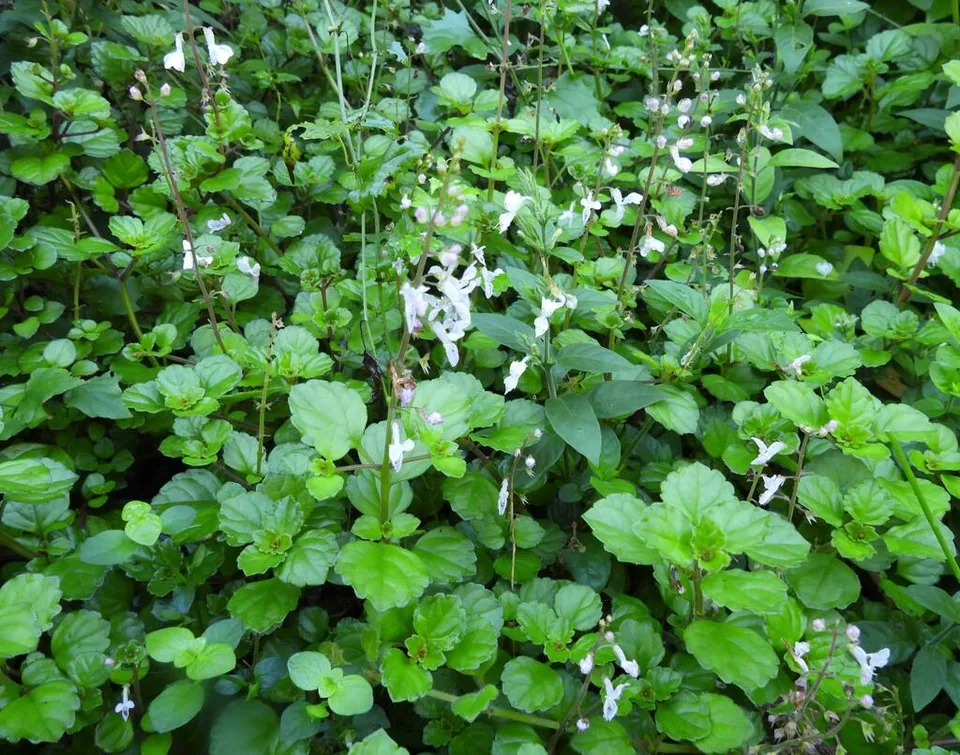
How to Grow and Care for Whorled plectranthus
Plectranthus verticillatus
Written by Emilio Marruso · last checked
At a glance
Swedish ivy is a pet-safe, nontoxic plant that grows happily indoors or in containers, in semi-shade or bright indirect light. It reaches 2–3 feet tall and wide, and if it spends the summer outdoors, it rewards you in fall with 8-inch spikes of delicate pale purple flowers. Go easy on water: overwatering is the main cause of loss.
- Sun
Semi-shade or bright indirect light
What the sources say (3)
Light: Semi-shade to bright indirect light
Size Light Conditions shade; semi-shade; Frost tender; low
— Plectranthus verticillatus [1] This houseplant grows best with bright, indirect sunlight for four to six hours every day, although it can tolerate lower light conditions .
— How to Grow and Care for a Swedish Ivy Houseplant [2] Plectranthus verticillatus needs semi-shady exposure and warm weather.
— Plectranthus verticillatus and Swedish Ivy | Care and Growing [3] - Water
In fall and winter, water every 2–3 weeks; too much water is the main cause of loss
What the sources say (2)
Watering notes: Overwatering is the main cause of loss; water every two to three weeks in fall and winter
In the fall and winter, you’ll only need to water your plant about once every two to three weeks.
— How to Grow and Care for a Swedish Ivy Houseplant [2] Overwatering is the number one cause of death for P. verticillatus , according to Dr. Perry as referenced above
— How to Grow and Care for a Swedish Ivy Houseplant [2] - Cold
Survives winters down to 30 °F (−1.1 °C)
Half hardy: mild winters or an unheated greenhouse · USDA 10 · RHS H3 · Z10
What the sources say (2)
Hardiness, coldest zone: 10 [winter low −1.1 to 4.4 °C (30 to 40 °F)]
Tolerance: | Low light | Hardiness (USDA Zone): | 10-11 (outdoors) | Maintenance: | Low
— How to Grow and Care for a Swedish Ivy Houseplant [2] Hardiness, warmest zone: 11 [winter low 4.4 to 10 °C (40 to 50 °F)]
Tolerance: | Low light | Hardiness (USDA Zone): | 10-11 (outdoors) | Maintenance: | Low
— How to Grow and Care for a Swedish Ivy Houseplant [2] - Soil
Slightly acidic soil, pH 5.5–6.5
What the sources say (2)
Soil pH, minimum: 5.5
Swedish ivy prefers a soil pH between 5.5 and 6.5, which most potting mixes easily provide.
— How to Grow and Care for a Swedish Ivy Houseplant [2] Soil pH, maximum: 6.5
Swedish ivy prefers a soil pH between 5.5 and 6.5, which most potting mixes easily provide.
— How to Grow and Care for a Swedish Ivy Houseplant [2] - Size
2–3 ft tall and wide
- Propagation
Stem cuttings any time of year, best in spring or summer; division in spring; or seed
What the sources say (2)
Propagation: Stem cuttings (any time of year, best in spring or summer); division in spring; seed
The best way to do so is by taking stem cuttings, but Swedish ivy can also be grown from seed.
— How to Grow and Care for a Swedish Ivy Houseplant [2] Gossip spurflower is easily propagated by cuttings from late spring to late summer and by division in spring.
— Plectranthus verticillatus and Swedish Ivy | Care and Growing [3] - Containers
Grows indoors and in containers
What the sources say (2)
Indoors: Yes
Though it’s most often grown as a houseplant in the United States, it can stay outside year-round in USDA Hardiness Zones 10 and 11
— How to Grow and Care for a Swedish Ivy Houseplant [2] In containers: Yes
Garden Situation shade; semi-shade; container; rockery; small gardens; slope bank; green roof; green wall; walls; narrow spaces
— Plectranthus verticillatus [1] - Safety
Nontoxic and safe for pets
Overview
Plectranthus verticillatus (Swedish ivy, money plant) is an evergreen perennial grown as a houseplant, hanging basket or groundcover. [2][1] It prefers semi-shade or bright indirect light and is propagated easily by cuttings. [3][2]
Whorled plectranthus care
How to water Whorled plectranthus
Watering
The sources give different values depending on region, zone or growing conditions.
What each source says
According to consultaplantas: Water frequently in spring and summer so that the substrate is always slightly damp
According to Gardener's Path: About once a week in spring and summer, letting the top couple of inches of soil dry out before watering again
What the sources say (2)
According to consultaplantas: Water frequently in spring and summer so that the substrate is always slightly damp.According to Gardener's Path: Water about once a week during the spring and summer, allowing the top couple of inches of soil to dry out before irrigating again.Watering notes
Overwatering is the main cause of loss; water every two to three weeks in fall and winter
What the sources say (2)
In the fall and winter, you’ll only need to water your plant about once every two to three weeks.Overwatering is the number one cause of death for P. verticillatus , according to Dr. Perry as referenced aboveHow much light Whorled plectranthus needs
Semi-shade to bright indirect light
What the sources say (3)
Size
Light Conditions
shade; semi-shade;
Frost
tender; lowThis houseplant grows best with bright, indirect sunlight for four to six hours every day, although it can tolerate lower light conditions .Plectranthus verticillatus needs semi-shady exposure and warm weather.How much cold Whorled plectranthus can take
Hardiness, coldest zone
10 [winter low −1.1 to 4.4 °C (30 to 40 °F)]
What the sources say (1)
Tolerance: | Low light | Hardiness (USDA Zone): | 10-11 (outdoors) | Maintenance: | LowHardiness, warmest zone
11 [winter low 4.4 to 10 °C (40 to 50 °F)]
What the sources say (1)
Tolerance: | Low light | Hardiness (USDA Zone): | 10-11 (outdoors) | Maintenance: | LowBest soil for Whorled plectranthus
Soil pH, minimum
5.5
What the sources say (1)
Swedish ivy prefers a soil pH between 5.5 and 6.5, which most potting mixes easily provide.Soil pH, maximum
6.5
What the sources say (1)
Swedish ivy prefers a soil pH between 5.5 and 6.5, which most potting mixes easily provide.Where to grow Whorled plectranthus
Indoors
Yes
What the sources say (1)
Though it’s most often grown as a houseplant in the United States, it can stay outside year-round in USDA Hardiness Zones 10 and 11In containers
Yes
What the sources say (1)
Garden Situation
shade; semi-shade; container; rockery; small gardens; slope bank; green roof; green wall; walls; narrow spacesHow to propagate Whorled plectranthus
Stem cuttings (any time of year, best in spring or summer); division in spring; seed
What the sources say (2)
The best way to do so is by taking stem cuttings, but Swedish ivy can also be grown from seed.Gossip spurflower is easily propagated by cuttings from late spring to late summer and by division in spring.Remedies
The sources we checked give no remedies for this plant.
Is Whorled plectranthus poisonous?
Reported by the source, quoted verbatim. This is not medical or veterinary advice: if a person or an animal may have eaten this plant, contact a poison control centre or a veterinarian.
A pet-safe, nontoxic plant, Swedish ivy grows two to three feet tall and wide and produces eight-inch spikes of delicate, pale purple flowers in the fall if moved outdoors for the summer.
[2]The source flags the risk for this animal but does not explain why.
Indicative values
Values from a secondary source, not checked word for word like the rest of this page. Use them as a starting point.
- Life cycle
- PerennialIndicative value, adapt it to your climate · Secondary source
- Drought tolerant
- yesIndicative value, adapt it to your climate · Secondary source
- Soil
- Well-drainedIndicative value, adapt it to your climate · Secondary source
- Care level
- ModerateIndicative value, adapt it to your climate · Secondary source
- Growth rate
- HighIndicative value, adapt it to your climate · Secondary source
- Pruning
- March, April, June, July, March, AugustIndicative value, adapt it to your climate · Secondary source
- Pests
- Fungal leaf spot, Mites, Root rot, Pest resistant, Disease resistantIndicative value, adapt it to your climate · Secondary source
Similar plants
- Brazilian Coleus Plectranthus oertendahlii
- Cuban Oregano Plectranthus amboinicus
- Little Spurflower Plectranthus parviflorus
- Aaron's Beard Hypericum calycinum
- Abies grandis Abies grandis
- Abraham Trachystemon orientalis
- Abyssinian banana Ensete ventricosum
- Acacia longifolia Acacia longifolia
Sources
Every value above is quoted from these documents. Links lead to the original publisher.
- Plectranthus verticillatus · theplantlibrary.co.za, consulted
- How to Grow and Care for a Swedish Ivy Houseplant · gardenerspath.com, consulted
- Plectranthus verticillatus and Swedish Ivy | Care and Growing · consultaplantas.com, consulted
- Plectranthus verticillatus (L.f.) Druce | Plants of the World Online | Kew Science · powo.science.kew.org, consulted
Written by Emilio Marruso · last checked