
How to Grow and Care for Eastern Pasque Flower
Pulsatilla patens
Written by Emilio Marruso · last checked
At a glance
This easygoing plant asks for very little: give it full sun or part shade and, in the garden, water only during long droughts. Its one complaint is soggy, waterlogged soil, so keep its feet dry. Plant it in spring, grow it in a container if you like, and collect its seed from late spring to early summer to raise new plants.
- Sun
Full sun to part shade
What the sources say (2)
- Water
In the garden, water only in long droughts; never let the soil get soggy
What the sources say (4)
Watering: Water only in extended drought when grown in the garden; container plants need supplemental water
Provide water only in cases of extended drought for Pasque flowers in the garden.
— Information About Pasque Flowers - Caring For Pasque Flower In The Garden | Gardening Know How [6] Pasque flower care in containers will require supplemental water, but allow the surface of the soil to dry out in between irrigations.
— Information About Pasque Flowers - Caring For Pasque Flower In The Garden | Gardening Know How [6] Watering notes: Sodden soil and waterlogging are its only complaint; in containers let the soil surface dry out between irrigations
Their only complaint is sodden soil and water logging.
— Information About Pasque Flowers - Caring For Pasque Flower In The Garden | Gardening Know How [6] Pasque flower care in containers will require supplemental water, but allow the surface of the soil to dry out in between irrigations.
— Information About Pasque Flowers - Caring For Pasque Flower In The Garden | Gardening Know How [6] - Planting
Plant in spring
What the sources say (1)
Planting: Spring
Plant them out into their permanent positions in the spring.
— Pulsatilla patens - Useful Temperate Plants [2] - Harvest
Collect the seed from late spring to early summer
What the sources say (1)
Harvest: Seed: late spring to early summer
Collect by hand in late spring to early summer
— 1 [5] - Propagation
From seed, root cuttings or stem cuttings
What the sources say (3)
Propagation: Seed; root cuttings; stem cuttings
Seed - best sown as soon as it is ripe in early summer in a cold frame.
— Pulsatilla patens - Useful Temperate Plants [2] Root cuttings, 4cm long taken in early winter
— Pulsatilla patens - Useful Temperate Plants [2] Stem cuttings are a quicker way to achieve mature plants.
— Information About Pasque Flowers - Caring For Pasque Flower In The Garden | Gardening Know How [6] - Sowing
Fresh seed as soon as it ripens in early summer, stored seed in late winter; both in a cold frame
What the sources say (6)
Sowing: Fresh seed: as soon as ripe in early summer; stored seed: late winter (both in a cold frame)
fresh seed: Seed - best sown as soon as it is ripe in early summer in a cold frame.
— Pulsatilla patens - Useful Temperate Plants [2] stored seed: Sow stored seed in late winter in a cold frame.
— Pulsatilla patens - Useful Temperate Plants [2] According to Gardening Know How: sow them inside six weeks before the date of the last frost
— Information About Pasque Flowers - Caring For Pasque Flower In The Garden | Gardening Know How [6] Seed - best sown as soon as it is ripe in early summer in a cold frame.
— Pulsatilla patens - Useful Temperate Plants [2] Sow stored seed in late winter in a cold frame.
— Pulsatilla patens - Useful Temperate Plants [2] sow them inside six weeks before the date of the last frost
— Information About Pasque Flowers - Caring For Pasque Flower In The Garden | Gardening Know How [6] - Containers
Grows in containers; water it, but let the soil surface dry between waterings
What the sources say (5)
In containers: Yes
Pasque flowers in the garden are ideal for rockeries , beds and containers.
— Information About Pasque Flowers - Caring For Pasque Flower In The Garden | Gardening Know How [6] Watering: Water only in extended drought when grown in the garden; container plants need supplemental water
Provide water only in cases of extended drought for Pasque flowers in the garden.
— Information About Pasque Flowers - Caring For Pasque Flower In The Garden | Gardening Know How [6] Pasque flower care in containers will require supplemental water, but allow the surface of the soil to dry out in between irrigations.
— Information About Pasque Flowers - Caring For Pasque Flower In The Garden | Gardening Know How [6] Watering notes: Sodden soil and waterlogging are its only complaint; in containers let the soil surface dry out between irrigations
Their only complaint is sodden soil and water logging.
— Information About Pasque Flowers - Caring For Pasque Flower In The Garden | Gardening Know How [6] Pasque flower care in containers will require supplemental water, but allow the surface of the soil to dry out in between irrigations.
— Information About Pasque Flowers - Caring For Pasque Flower In The Garden | Gardening Know How [6]
Overview
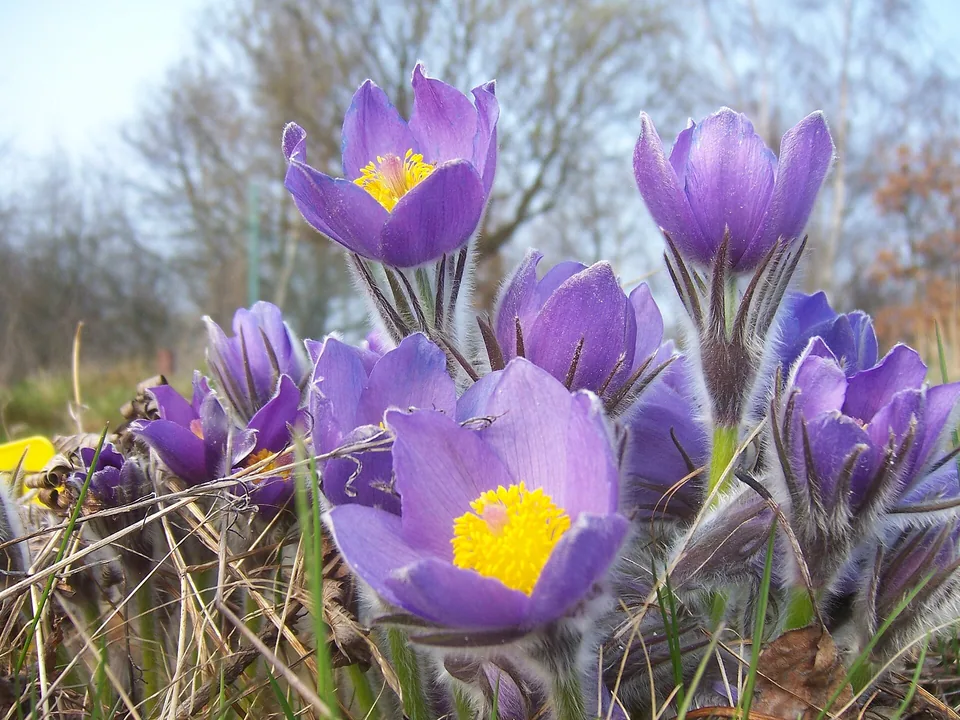
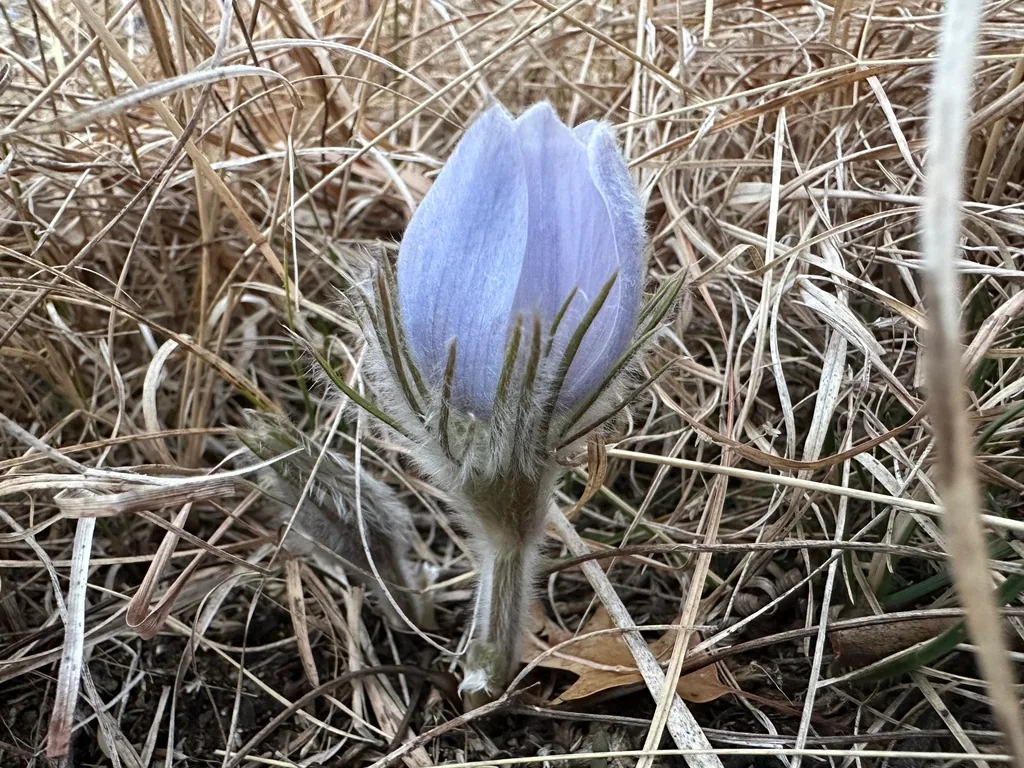
Eastern pasqueflower forms a small mound of soft, fuzzy leaves and blooms in early spring. [1] It grows in full sun to part shade with moderate to dry, well-drained soil and is not fussy as long as drainage is good. [1][2] It is propagated by seed and by cuttings. [2][6]
This record is incomplete: the sources we read do not cover every field yet.
Not yet covered by our sources: Hardiness, coldest zone, Hardiness, warmest zone, Pruning
Eastern Pasque Flower care
How to water Eastern Pasque Flower
Watering
Water only in extended drought when grown in the garden; container plants need supplemental water
What the sources say (2)
Provide water only in cases of extended drought for Pasque flowers in the garden.Pasque flower care in containers will require supplemental water, but allow the surface of the soil to dry out in between irrigations.Watering notes
Sodden soil and waterlogging are its only complaint; in containers let the soil surface dry out between irrigations
What the sources say (2)
Their only complaint is sodden soil and water logging.Pasque flower care in containers will require supplemental water, but allow the surface of the soil to dry out in between irrigations.How much light Eastern Pasque Flower needs
Full sun to part shade
How much cold Eastern Pasque Flower can take
Hardiness, coldest zone
Not stated in the sources we read.
Hardiness, warmest zone
Not stated in the sources we read.
Where to grow Eastern Pasque Flower
Yes
What the sources say (1)
Pasque flowers in the garden are ideal for rockeries , beds and containers.How to propagate Eastern Pasque Flower
Seed; root cuttings; stem cuttings
What the sources say (3)
Seed - best sown as soon as it is ripe in early summer in a cold frame.Root cuttings, 4cm long taken in early winterStem cuttings are a quicker way to achieve mature plants.Remedies
The sources we checked give no remedies for this plant.
Calendar
Sowing
Fresh seed: as soon as ripe in early summer; stored seed: late winter (both in a cold frame)
What each source says
fresh seed: As soon as ripe in early summer (cold frame)
stored seed: Late winter (cold frame)
According to Gardening Know How: Indoors six weeks before the last frost date
What the sources say (6)
fresh seed: Seed - best sown as soon as it is ripe in early summer in a cold frame.stored seed: Sow stored seed in late winter in a cold frame.According to Gardening Know How: sow them inside six weeks before the date of the last frostSeed - best sown as soon as it is ripe in early summer in a cold frame.Sow stored seed in late winter in a cold frame.sow them inside six weeks before the date of the last frostPlanting
Spring
What the sources say (1)
Plant them out into their permanent positions in the spring.Harvest
Seed: late spring to early summer
What the sources say (1)
Collect by hand in late spring to early summerPruning
Not stated in the sources we read.
Months as given by the sources, which are mostly from the United States (northern hemisphere). In the southern hemisphere they shift by about six months.
Indicative values
Values from a secondary source, not checked word for word like the rest of this page. Use them as a starting point.
- Life cycle
- Herbaceous PerennialIndicative value, adapt it to your climate · Secondary source
- Mature height
- 7.6-30.5 cm (0.25-1 ft)Indicative value, adapt it to your climate · Secondary source
- Soil
- Sandy Loamy RockyIndicative value, adapt it to your climate · Secondary source
- Soil pH
- 6-7.5Indicative value, adapt it to your climate · Secondary source
- USDA hardiness zones
- 3-7 [winter low −40 to −12.2 °C (−40 to 10 °F)]Indicative value, adapt it to your climate · Secondary source
- Care level
- MediumIndicative value, adapt it to your climate · Secondary source
- Growth rate
- LowIndicative value, adapt it to your climate · Secondary source
- Pruning
- June, July, AugustIndicative value, adapt it to your climate · Secondary source
Similar plants
- Meadow Anemone Pulsatilla vulgaris
- Arctic violet Pulsatilla vernalis
- Pulsatilla montana Pulsatilla montana
- Abies grandis Abies grandis
- Abraham Trachystemon orientalis
- Abyssinian banana Ensete ventricosum
- Acacia longifolia Acacia longifolia
- Acanthus hungaricus Acanthus hungaricus
Sources
Every value above is quoted from these documents. Links lead to the original publisher.
- Native Plants to Know: Eastern Pasqueflower (Pulsatilla patens) · extension.sdstate.edu, consulted
- Pulsatilla patens - Useful Temperate Plants · temperate.theferns.info, consulted
- Lady Bird Johnson Wildflower Center - The University of Texas at Austin · wildflower.org, consulted
- MBG: Research: Russia: Ornamental plants from Russia · mobot.org, consulted
- 1 · courses.washington.edu, consulted
- Information About Pasque Flowers - Caring For Pasque Flower In The Garden | Gardening Know How · gardeningknowhow.com, consulted
Written by Emilio Marruso · last checked