
How to Grow and Care for Japanese Arbor-vitae
Thuja standishii
Written by Emilio Marruso · last checked
At a glance
Japanese arborvitae is a rewarding plant to raise yourself. Sow the seeds in fall as soon as they ripen, or in late winter, in a cold frame, or try cuttings taken in midsummer and in September. Young plants raised in the greenhouse go outdoors in late spring or early summer, once the last frosts are over.
- Planting
Greenhouse seedlings: late spring or early summer after the last frosts; seed-bed plants: late fall or early spring
What the sources say (4)
Planting: Late spring or early summer after the last frosts (seedlings grown on in the greenhouse); late autumn or early spring (after two years in a seed bed)
seedlings pricked out and grown in the greenhouse for their first winter: Plant them out into their permanent positions in late spring or early summer, after the last expected frosts.
— Thuja standishii - Useful Temperate Plants [2] seed sown in an outdoor seed bed and grown on for two years: Grow the plants on for two years and then plant them out into their permanent positions in late autumn or early spring.
— Thuja standishii - Useful Temperate Plants [2] Plant them out into their permanent positions in late spring or early summer, after the last expected frosts.
— Thuja standishii - Useful Temperate Plants [2] Grow the plants on for two years and then plant them out into their permanent positions in late autumn or early spring.
— Thuja standishii - Useful Temperate Plants [2] - Propagation
Seed, or cuttings: half-ripe shoots with a heel in midsummer, almost ripe shoots in September
What the sources say (3)
Propagation: Seed; half-ripe wood cuttings with a heel in mid summer; almost ripe wood cuttings in September
Seed - best sown when ripe in the autumn in a cold frame
— Thuja standishii - Useful Temperate Plants [2] Cuttings of half-ripe wood, 5 - 8cm with a heel, mid summer in a shaded frame.
— Thuja standishii - Useful Temperate Plants [2] Cuttings of almost ripe wood, 5 - 10cm with a heel, September in a cold frame.
— Thuja standishii - Useful Temperate Plants [2] - Sowing
Ripe seed in fall or in late winter in a cold frame; mid-spring in an outdoor seed bed
What the sources say (3)
Sowing: Autumn, when ripe, in a cold frame; or late winter in a cold frame; mid spring in an outdoor seed bed
Seed - best sown when ripe in the autumn in a cold frame
— Thuja standishii - Useful Temperate Plants [2] It can be sown in a cold frame in late winter.
— Thuja standishii - Useful Temperate Plants [2] the seed can be sown in an outdoor seed bed in mid spring
— Thuja standishii - Useful Temperate Plants [2]
Overview
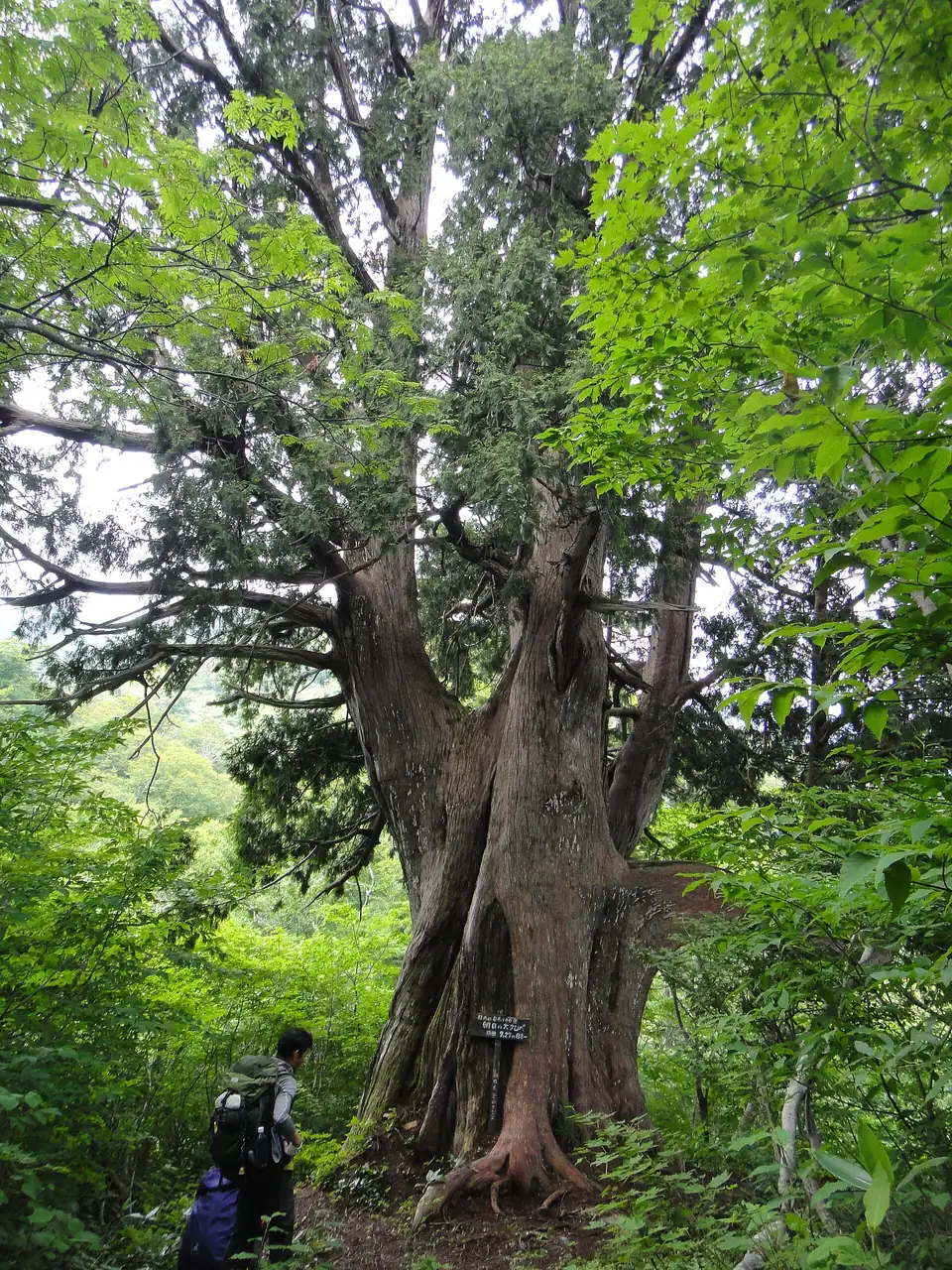
Thuja standishii is an evergreen conifer tree with a broadly pyramidal crown, native to the mountains of Honshu and Shikoku in Japan. [3] It grows primarily in subalpine and upper cool temperate forests. [3] In Japan it is an important timber tree grown in forestry plantations. [1]
This record is incomplete: the sources we read do not cover every field yet.
Not yet covered by our sources: Watering, Light, Hardiness, warmest zone, Pruning
Japanese Arbor-vitae care
How to water Japanese Arbor-vitae
Not stated in the sources we read.
How much light Japanese Arbor-vitae needs
Not stated in the sources we read.
How much cold Japanese Arbor-vitae can take
Hardiness, coldest zone
The sources give different values depending on region, zone or growing conditions.
What each source says
According to Gymnosperm Database (cold hardiness limit): 6 [winter low −23.3 to −17.8 °C (−10 to 0 °F)]
USDA Zone 7 (ornamental use in the U.S.): 7 [winter low −17.8 to −12.2 °C (0 to 10 °F)]
What the sources say (2)
According to Gymnosperm Database (cold hardiness limit): Hardy to Zone 6 (cold hardiness limit between -23.2°C and -17.8°C)USDA Zone 7 (ornamental use in the U.S.): It is also used as an ornamental tree in the U.S., USDA Zone 7.Hardiness, warmest zone
Not stated in the sources we read.
How to propagate Japanese Arbor-vitae
Seed; half-ripe wood cuttings with a heel in mid summer; almost ripe wood cuttings in September
What the sources say (3)
Seed - best sown when ripe in the autumn in a cold frameCuttings of half-ripe wood, 5 - 8cm with a heel, mid summer in a shaded frame.Cuttings of almost ripe wood, 5 - 10cm with a heel, September in a cold frame.Remedies
The sources we checked give no remedies for this plant.
Calendar
Sowing
Autumn, when ripe, in a cold frame; or late winter in a cold frame; mid spring in an outdoor seed bed
What the sources say (3)
Seed - best sown when ripe in the autumn in a cold frameIt can be sown in a cold frame in late winter.the seed can be sown in an outdoor seed bed in mid springPlanting
Late spring or early summer after the last frosts (seedlings grown on in the greenhouse); late autumn or early spring (after two years in a seed bed)
What each source says
seedlings pricked out and grown in the greenhouse for their first winter: Late spring or early summer, after the last expected frosts
seed sown in an outdoor seed bed and grown on for two years: Late autumn or early spring
What the sources say (4)
seedlings pricked out and grown in the greenhouse for their first winter: Plant them out into their permanent positions in late spring or early summer, after the last expected frosts.seed sown in an outdoor seed bed and grown on for two years: Grow the plants on for two years and then plant them out into their permanent positions in late autumn or early spring.Plant them out into their permanent positions in late spring or early summer, after the last expected frosts.Grow the plants on for two years and then plant them out into their permanent positions in late autumn or early spring.Pruning
Not stated in the sources we read.
Months as given by the sources, which are mostly from the United States (northern hemisphere). In the southern hemisphere they shift by about six months.
Indicative values
Values from a secondary source, not checked word for word like the rest of this page. Use them as a starting point.
- Life cycle
- PerennialIndicative value, adapt it to your climate · Secondary source
- Mature height
- 609.6-914.4 cm (20-30 ft)Indicative value, adapt it to your climate · Secondary source
- Light
- full sunIndicative value, adapt it to your climate · Secondary source
- Hours of sun
- 6-8 hoursIndicative value, adapt it to your climate · Secondary source
- Watering
- FrequentIndicative value, adapt it to your climate · Secondary source
- Soil pH
- 6-8Indicative value, adapt it to your climate · Secondary source
- Growth rate
- LowIndicative value, adapt it to your climate · Secondary source
- Pruning
- February, December, January, February, May, December, January, FebruaryIndicative value, adapt it to your climate · Secondary source
Similar plants
- American Arborvitae Thuja occidentalis
- Korean arbor-vitae Thuja koraiensis
- Western Redcedar Thuja plicata
- Aaron's Beard Hypericum calycinum
- Abies grandis Abies grandis
- Abraham Trachystemon orientalis
- Abyssinian banana Ensete ventricosum
- Acacia longifolia Acacia longifolia
Sources
Every value above is quoted from these documents. Links lead to the original publisher.
- Conifer Database - standishii · conifersociety.org, consulted
- Thuja standishii - Useful Temperate Plants · temperate.theferns.info, consulted
- Thuja standishii (ネズコ, nezuko) description · conifers.org, consulted
- Thuja standishii - Trees and Shrubs Online · treesandshrubsonline.org, consulted
Written by Emilio Marruso · last checked