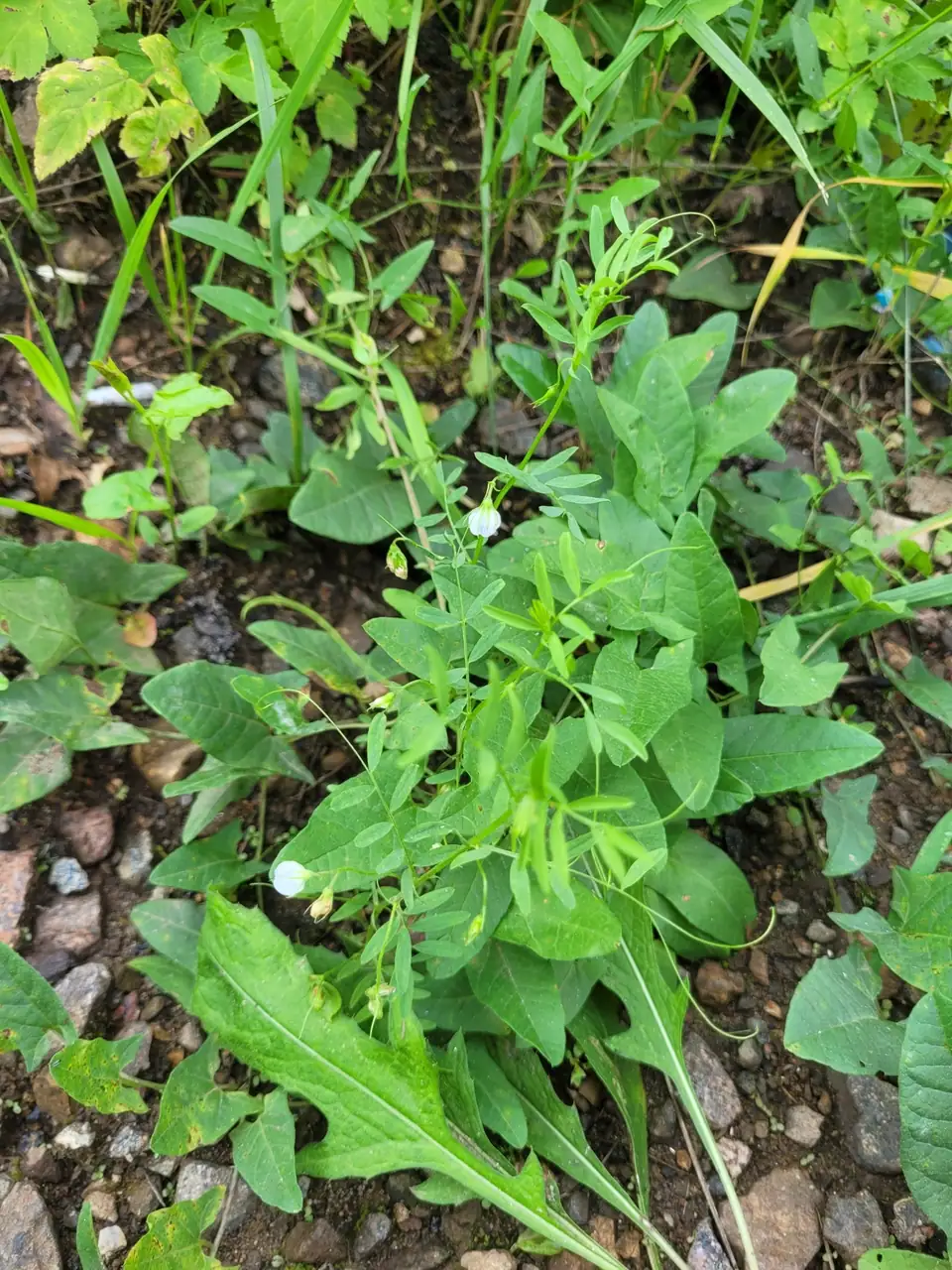
How to Grow and Care for Lentil
Vicia lens
Written by Emilio Marruso · last checked
Toxic to: People · Why
At a glance
Lentils are an easy annual that asks for little: a sunny spot, well-drained soil and water only during dry spells. They make their own nitrogen, so you can skip that fertilizer. When the pods turn brown, pull up the plants and enjoy seeds that cook in 20–25 minutes with no soaking, or eat the young pods like green beans.
- Sun
A sunny spot
- Water
Water during dry spells; standing water, even briefly, kills the plants
What the sources say (3)
Watering: Water during dry spells
Water during dry spells and harvest when the pods turn brown.
— How to Grow Lentils | BBC Gardeners World Magazine [6] cool temperatures (but not cold), a minimum of irrigation , and a soil pH of near 7.0
— Lentil Plant Care - How To Grow Lentils In The Garden | Gardening Know How [5] Watering notes: Good drainage essential; waterlogging, even brief, kills plants
Good drainage is of primary concern, as even short periods of flooded or waterlogged soil will kill lentil plants.
— Lentil Plant Care - How To Grow Lentils In The Garden | Gardening Know How [5] - Cold
Plant out only after all risk of frost has passed
What the sources say (1)
Planting: After all risk of frost has passed
Grow on in warmth and harden off before planting outside after all risk of frost has passed.
— How to Grow Lentils | BBC Gardeners World Magazine [6] - Soil
Well-drained soil, pH 5.5–7.5
What the sources say (3)
Soil pH, minimum: 5.5
Prefers a pH in the range 5.5 - 7.5, tolerating 4.5 - 8.2
— Lens culinaris - Useful Temperate Plants [4] Soil pH, maximum: 7.5
Prefers a pH in the range 5.5 - 7.5, tolerating 4.5 - 8.2
— Lens culinaris - Useful Temperate Plants [4] Watering notes: Good drainage essential; waterlogging, even brief, kills plants
Good drainage is of primary concern, as even short periods of flooded or waterlogged soil will kill lentil plants.
— Lentil Plant Care - How To Grow Lentils In The Garden | Gardening Know How [5] - Spacing
12 in between rows
What the sources say (1)
Spacing: 30 cm [12 in] between rows
If sowing direct outside, sow seeds 3-4cm deep in rows 30cm apart.
— How to Grow Lentils | BBC Gardeners World Magazine [6] - Feeding
No nitrogen needed: it makes its own; add phosphorus and potassium only if the soil lacks them
What the sources say (5)
Avoid: Nitrogen fertilizer, not needed: the plant covers its nitrogen needs through root-nodule bacteria
Las lentejas, como todas las leguminosas, cubren sus nece-sidades de nitrógeno por simbiosis con el Rhi,zobium situado en las nudosidades de sus raices, por lo que no es necesario aportar este elemento mineral a la tierra.
— Núm. 10180 HD [7] Mineral fertilizers: Phosphorus and potassium from mineral fertilizer, in amounts based on soil content
soils very poor in organic matter or stony ground: Sólo se les aportará nitrógeno cuando la tierra sea muy pobre en materia orgánica o cuando se siembren en terreno algo pedregoso
— Núm. 10180 HD [7] field production, average soil: un terreno medio se puede abonar con 200 a 300 kg de superfosfato por hectárea
— Núm. 10180 HD [7] field production: Las lentejas son menos exigentes en cuanto al potasio, si bien no por eso debemos descuidar su adición en los suelos en los que normalmente se realiza este cultivo, debiendo aportar de 50 a 100 kg por hectárea de cloruro
— Núm. 10180 HD [7] Las necesidades de fósforo y potasio se deben cubrir con abonado químico. Las cantidades a añadir a la tierra depende-rán de la riqueza que haya en ella de cada elemento.
— Núm. 10180 HD [7] - Harvest
Pull or cut the plants when the pods turn brown; eat the seeds cooked or sprouted
What the sources say (4)
Harvest: When the pods turn brown
Capracotta, Molise (1,300-1,400 m above sea level): Harvest takes place in late summer (August); the plants are uprooted by hand
— Vicia lens (L.) Coss. & Germ. ‘Lenticchia di Capracotta’ – Giardino della Flora Appenninica [1] Water during dry spells and harvest when the pods turn brown.
— How to Grow Lentils | BBC Gardeners World Magazine [6] Lentils are harvested when the pods turn yellow-brown and the lower ones are still firm.
— Lens culinaris - Useful Temperate Plants [4] How to harvest: Pull the plants up or cut them
Las lentejas se pueden recolectar arrancándolas o segándo-las.
— Núm. 10180 HD [7] - Pests
Lentil weevils and fungal diseases like root rot; rotate crops to prevent them
What the sources say (1)
Pests: Bruchus signaticornis, Bruchus lentis
Dos son los gorgojos que atacan especialmente a las lente-jas, Bruchus signaticornis y Bruchus lentis.
— Núm. 10180 HD [7] - Size
6 to 20 in tall
What the sources say (1)
Mature height: 15.24-50.8 cm (6-20 in)
Lentils are unassuming annual plants, with slender stems 6-20 inches tall, pinnately compound leaves, and small clusters of ½ inch long white, pink, or purplish pea-shaped flowers.
— Lentil (Lens culinaris or Vicia lens) | The Marion Ownbey Herbarium | Washington State University [2] - Propagation
Grown from seed
What the sources say (1)
Propagation: Seed
Seed - sow early mid spring in situ
— Lens culinaris - Useful Temperate Plants [4] - Sowing
Sow in early to mid spring, 2 in deep
What the sources say (7)
Sowing: Early to mid spring
Capracotta, Molise (1,300-1,400 m above sea level): Sowing is strictly in spring (March-April), carried out as soon as the thick winter snow cover melts.
— Vicia lens (L.) Coss. & Germ. ‘Lenticchia di Capracotta’ – Giardino della Flora Appenninica [1] Spain (fonte: Ministerio de Agricultura, 1980): La siembra se efectúa normalmente a finales de febrero 0 en la primera quincena de marzo
— Núm. 10180 HD [7] Foothill zones (Italy): Infatti la semina della lenticchia si opera a fine ottobre o a fine febbraio nelle zone pedemontane,in marzo-aprile in montagna.
— La lenticchia della Valle Grana [8] Mountain areas (Italy): Infatti la semina della lenticchia si opera a fine ottobre o a fine febbraio nelle zone pedemontane,in marzo-aprile in montagna.
— La lenticchia della Valle Grana [8] According to Gardeners' World (UK): Sow under cover in late winter or outside from mid-spring
— How to Grow Lentils | BBC Gardeners World Magazine [6] Seed - sow early mid spring in situ
— Lens culinaris - Useful Temperate Plants [4] Sowing depth: 4-6 cm [1.6–2.4 in]
La profundidad adecuada para conseguir rapidez y fa-cilidad de nascencia en las plantas germinadas es de 4 a 6 cm.
— Núm. 10180 HD [7] - Safety
No known hazards for people
Overview
Vicia lens is the name under which the lentil (Lens culinaris) is also listed, an annual pulse crop grown for its seeds. [3][2] It needs a sunny, well-drained site, since even short periods of waterlogging kill the plants. [6][5] Sowing is in spring in cool regions, for example March-April at Capracotta in Molise. [1][4]
Lentil care
Measurements in square brackets are our conversion into the other unit system; the quoted text is unchanged.
How to water Lentil
Watering
Water during dry spells
What the sources say (2)
Water during dry spells and harvest when the pods turn brown.cool temperatures (but not cold), a minimum of irrigation , and a soil pH of near 7.0Watering notes
Good drainage essential; waterlogging, even brief, kills plants
What the sources say (1)
Good drainage is of primary concern, as even short periods of flooded or waterlogged soil will kill lentil plants.How much light Lentil needs
Best soil for Lentil
Soil pH, minimum
5.5
What the sources say (1)
Prefers a pH in the range 5.5 - 7.5, tolerating 4.5 - 8.2Soil pH, maximum
7.5
What the sources say (1)
Prefers a pH in the range 5.5 - 7.5, tolerating 4.5 - 8.2Where to grow Lentil
30 cm [12 in] between rows
What the sources say (1)
If sowing direct outside, sow seeds 3-4cm deep in rows 30cm apart.How to propagate Lentil
Seed
What the sources say (1)
Seed - sow early mid spring in situHow to grow Lentil
The plant
Life cycle
annual
What the sources say (1)
Lentils are unassuming annual plants, with slender stems 6-20 inches tall, pinnately compound leaves, and small clusters of ½ inch long white, pink, or purplish pea-shaped flowers.Family
Fabaceae
What the sources say (1)
Family
Fabaceae (
1LEGF )
Subfamily
Faboideae (
1FABS )
Genus
Lens (
1LENG )
Species
Vicia lensMature height
15.24-50.8 cm (6-20 in)
What the sources say (1)
Lentils are unassuming annual plants, with slender stems 6-20 inches tall, pinnately compound leaves, and small clusters of ½ inch long white, pink, or purplish pea-shaped flowers.Sowing and growth
Sowing depth
4-6 cm [1.6–2.4 in]
What the sources say (1)
La profundidad adecuada para conseguir rapidez y fa-cilidad de nascencia en las plantas germinadas es de 4 a 6 cm.Row spacing
15 cm [5.9 in]
What the sources say (1)
dando muy buen resultado la que se hace con sembradora de cereales con una separación entre botas de 15 cmHarvest and storage
How to harvest
Pull the plants up or cut them
What the sources say (1)
Las lentejas se pueden recolectar arrancándolas o segándo-las.Pests and diseases
Pests
Bruchus signaticornis, Bruchus lentis
What the sources say (1)
Dos son los gorgojos que atacan especialmente a las lente-jas, Bruchus signaticornis y Bruchus lentis.Fertilizing
Mineral fertilizers
Phosphorus and potassium from mineral fertilizer, in amounts based on soil content
What each source says
soils very poor in organic matter or stony ground: Some nitrogen
field production, average soil: Superphosphate 200–300 kg [440.9–661.4 lb]/ha
field production: Potassium fertilizer 50–100 kg [110.2–220.5 lb]/ha
What the sources say (4)
soils very poor in organic matter or stony ground: Sólo se les aportará nitrógeno cuando la tierra sea muy pobre en materia orgánica o cuando se siembren en terreno algo pedregosofield production, average soil: un terreno medio se puede abonar con 200 a 300 kg de superfosfato por hectáreafield production: Las lentejas son menos exigentes en cuanto al potasio, si bien no por eso debemos descuidar su adición en los suelos en los que normalmente se realiza este cultivo, debiendo aportar de 50 a 100 kg por hectárea de cloruroLas necesidades de fósforo y potasio se deben cubrir con abonado químico. Las cantidades a añadir a la tierra depende-rán de la riqueza que haya en ella de cada elemento.Avoid
Nitrogen fertilizer, not needed: the plant covers its nitrogen needs through root-nodule bacteria
What the sources say (1)
Las lentejas, como todas las leguminosas, cubren sus nece-sidades de nitrógeno por simbiosis con el Rhi,zobium situado en las nudosidades de sus raices, por lo que no es necesario aportar este elemento mineral a la tierra.Lentil pests and problems
Fungal diseases (blight, white mold, root rot)
Symptom: Possible disease issues in lentil crops
What to do: Crop rotation; corn is the best option
What the sources say (2)
Blight, white mold, and root rot are, however, a few possible disease issues and the most effective method of prevention is crop rotation .
— Lentil Plant Care - How To Grow Lentils In The Garden | Gardening Know How [5] Corn is the best option for crop rotation.
— Lentil Plant Care - How To Grow Lentils In The Garden | Gardening Know How [5]
Remedies
The sources we checked give no remedies for this plant.
Is Lentil poisonous?
Reported by the source, quoted verbatim. This is not medical or veterinary advice: if a person or an animal may have eaten this plant, contact a poison control centre or a veterinarian.
## Known Hazards None known ## Botanical References
[4]
Calendar
Sowing
Early to mid spring
What each source says
Capracotta, Molise (1,300-1,400 m above sea level): March-April
Spain (fonte: Ministerio de Agricultura, 1980): Late February to first half of March
Foothill zones (Italy): Late October or late February
Mountain areas (Italy): March-April
According to Gardeners' World (UK): Late winter under cover, or outside from mid-spring
What the sources say (6)
Capracotta, Molise (1,300-1,400 m above sea level): Sowing is strictly in spring (March-April), carried out as soon as the thick winter snow cover melts.Spain (fonte: Ministerio de Agricultura, 1980): La siembra se efectúa normalmente a finales de febrero 0 en la primera quincena de marzoFoothill zones (Italy): Infatti la semina della lenticchia si opera a fine ottobre o a fine febbraio nelle zone pedemontane,in marzo-aprile in montagna.Mountain areas (Italy): Infatti la semina della lenticchia si opera a fine ottobre o a fine febbraio nelle zone pedemontane,in marzo-aprile in montagna.According to Gardeners' World (UK): Sow under cover in late winter or outside from mid-springSeed - sow early mid spring in situPlanting
After all risk of frost has passed
What the sources say (1)
Grow on in warmth and harden off before planting outside after all risk of frost has passed.Harvest
When the pods turn brown
What each source says
Capracotta, Molise (1,300-1,400 m above sea level): Late summer (August)
What the sources say (3)
Capracotta, Molise (1,300-1,400 m above sea level): Harvest takes place in late summer (August); the plants are uprooted by handWater during dry spells and harvest when the pods turn brown.Lentils are harvested when the pods turn yellow-brown and the lower ones are still firm.Months as given by the sources, which are mostly from the United States (northern hemisphere). In the southern hemisphere they shift by about six months.
Edibility
Reported by the source, quoted verbatim. Do not eat a plant on the basis of this page alone: identification mistakes can be dangerous.
Similar plants
- Faba Bean Vicia faba
- Hairy Vetch Vicia villosa
- Vetch Vicia sativa
- Wood Vetch Vicia caroliniana
- Blister vetch Vicia ervilia
- American Groundnut Apios americana
- American hogpeanut Amphicarpaea bracteata
- Bean Phaseolus vulgaris
Sources
Every value above is quoted from these documents. Links lead to the original publisher.
- Vicia lens (L.) Coss. & Germ. ‘Lenticchia di Capracotta’ – Giardino della Flora Appenninica · giardinocapracotta.unimol.it, consulted
- Lentil (Lens culinaris or Vicia lens) | The Marion Ownbey Herbarium | Washington State University · sbs.wsu.edu, consulted
- Vicia lens (LENCU)[Overview]| EPPO Global Database · gd.eppo.int, consulted
- Lens culinaris - Useful Temperate Plants · temperate.theferns.info, consulted
- Lentil Plant Care - How To Grow Lentils In The Garden | Gardening Know How · gardeningknowhow.com, consulted
- How to Grow Lentils | BBC Gardeners World Magazine · gardenersworld.com, consulted
- Núm. 10180 HD · mapa.gob.es, consulted
- La lenticchia della Valle Grana · rivistadiagraria.org, consulted
Written by Emilio Marruso · last checked