
How to Grow and Care for Greek Fir
Abies cephalonica
Written by Emilio Marruso · last checked
At a glance
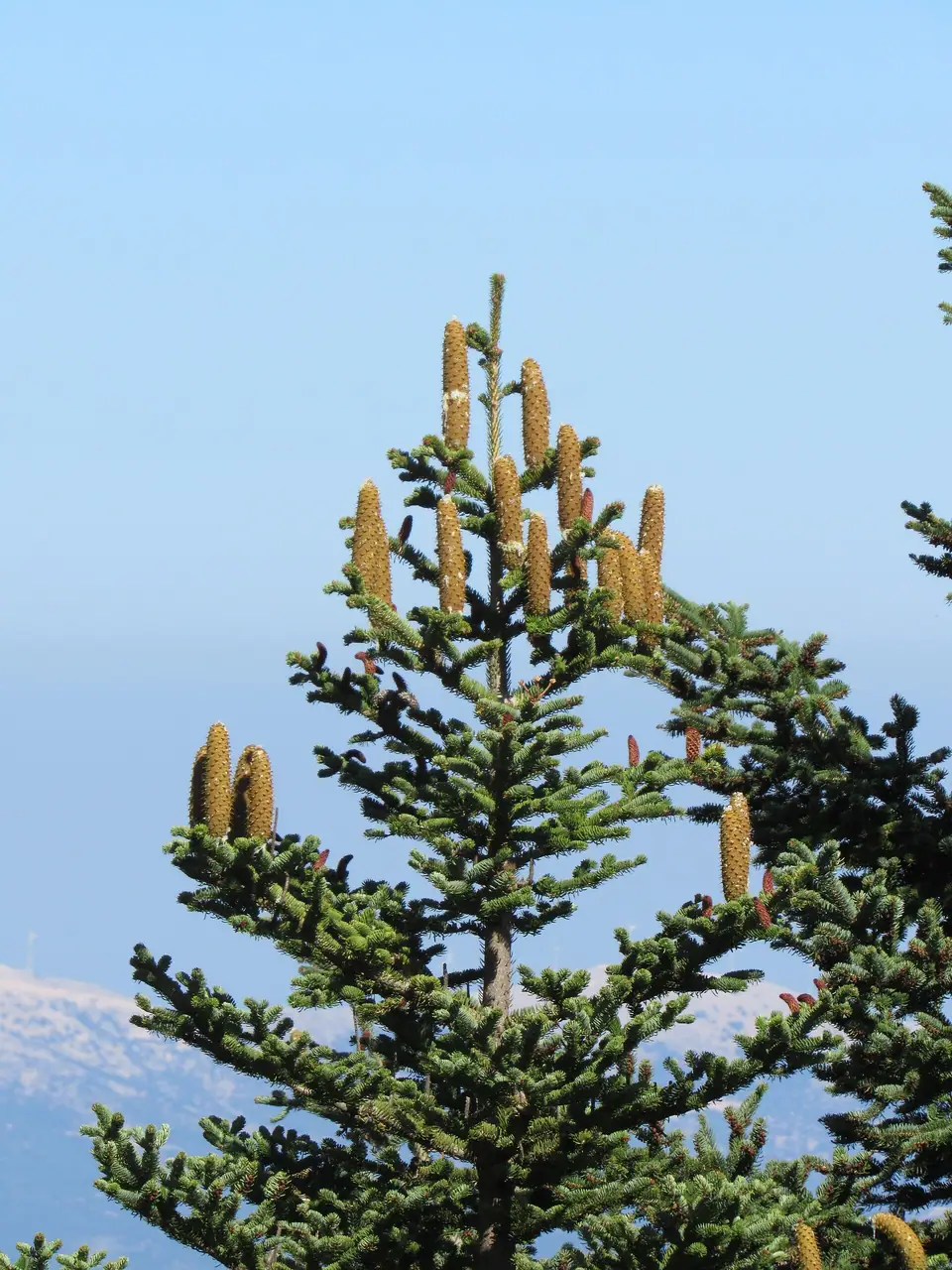
The Greek fir is a true giant: it grows 80 to 110 feet tall and 15 to 30 feet wide, a living landmark for a big garden. Give it full sun and moist soil, and it also stands up well to drought. Just spare it hot, dry spots, where firs struggle, and it will grow into a tree to be proud of.
- Sun
Full sun
What the sources say (2)
Light: Full sun
It prefers fertile slightly acidic moist soil in full sun. It has good drought and disease resistance.
— Abies cephalonica (Black Mountain Fir, Grecian fir, Greek Fir) | North Carolina Extension Gardener Plant Toolbox [1] Cultural Conditions: Light: Full sun (6 or more hours of direct sunlight a day)
— Abies cephalonica (Black Mountain Fir, Grecian fir, Greek Fir) | North Carolina Extension Gardener Plant Toolbox [1] - Water
Likes moist soil, but handles drought well
What the sources say (1)
Watering: Prefers moist soil; good drought resistance
It prefers fertile slightly acidic moist soil in full sun. It has good drought and disease resistance.
— Abies cephalonica (Black Mountain Fir, Grecian fir, Greek Fir) | North Carolina Extension Gardener Plant Toolbox [1] - Cold
Survives winters down to −20 °F (−28.9 °C)
Very hardy · USDA 5a · RHS H7 · Z5
What the sources say (2)
Hardiness, coldest zone: 5a [winter low −28.9 to −26.1 °C (−20 to −15 °F)]
USDA Plant Hardiness Zone: 5a, 5b, 6a, 6b, 7a, 7b, 8a, 8b
— Abies cephalonica (Black Mountain Fir, Grecian fir, Greek Fir) | North Carolina Extension Gardener Plant Toolbox [1] Hardiness, warmest zone: 8b [winter low −9.4 to −6.7 °C (15 to 20 °F)]
USDA Plant Hardiness Zone: 5a, 5b, 6a, 6b, 7a, 7b, 8a, 8b
— Abies cephalonica (Black Mountain Fir, Grecian fir, Greek Fir) | North Carolina Extension Gardener Plant Toolbox [1] - Watch out
Avoid hot, dry spots: firs do poorly there and may not survive
- Size
80 to 110 ft tall and 15 to 30 ft wide
What the sources say (2)
Mature height: 2438-3353 cm (80 to 110 ft)
This medium to large-sized tree reaches a height of 80 to 110 feet and 15-30 feet wide with a pyramidal form.
— Abies cephalonica (Black Mountain Fir, Grecian fir, Greek Fir) | North Carolina Extension Gardener Plant Toolbox [1] Mature width: 457-914 cm (15 to 30 ft)
This medium to large-sized tree reaches a height of 80 to 110 feet and 15-30 feet wide with a pyramidal form.
— Abies cephalonica (Black Mountain Fir, Grecian fir, Greek Fir) | North Carolina Extension Gardener Plant Toolbox [1]
Overview
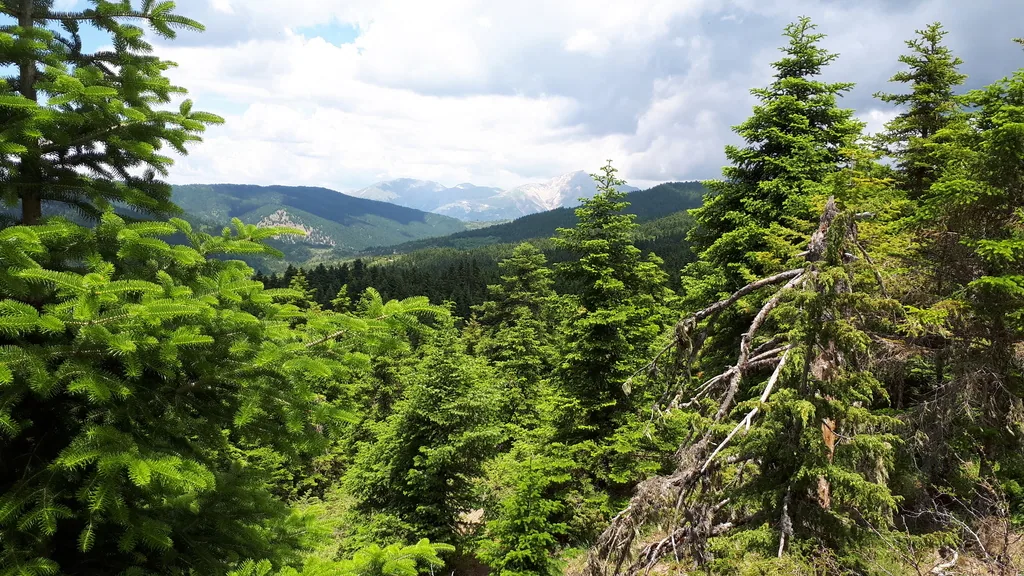
Greek fir is an evergreen conifer native to the mountains of Greece that reaches 80 to 110 feet [24.4–33.5 m] tall. [1] It prefers fertile, slightly acidic, moist soil in full sun and has good drought resistance. [1] An Arkansas extension column notes that firs prefer mountain ranges rather than hot, dry sites. [3]
This record is incomplete: the sources we read do not cover every field yet.
Not yet covered by our sources: Pruning, Propagation
Greek Fir care
Measurements in square brackets are our conversion into the other unit system; the quoted text is unchanged.
How to water Greek Fir
Prefers moist soil; good drought resistance
What the sources say (1)
It prefers fertile slightly acidic moist soil in full sun. It has good drought and disease resistance.How much light Greek Fir needs
Full sun
What the sources say (2)
It prefers fertile slightly acidic moist soil in full sun. It has good drought and disease resistance.Cultural Conditions:
Light:
Full sun (6 or more hours of direct sunlight a day)How much cold Greek Fir can take
Hardiness, coldest zone
5a [winter low −28.9 to −26.1 °C (−20 to −15 °F)]
What the sources say (1)
USDA Plant Hardiness Zone:
5a, 5b, 6a, 6b, 7a, 7b, 8a, 8bHardiness, warmest zone
8b [winter low −9.4 to −6.7 °C (15 to 20 °F)]
What the sources say (1)
USDA Plant Hardiness Zone:
5a, 5b, 6a, 6b, 7a, 7b, 8a, 8bHow to propagate Greek Fir
Not stated in the sources we read.
How to grow Greek Fir
The plant
Family
Pinaceae
What the sources say (1)
Greek fir is an evergreen conifer in the pine family (Pinaceae) that is native to the mountains of Greece.Mature height
2438-3353 cm (80 to 110 ft)
What the sources say (1)
This medium to large-sized tree reaches a height of 80 to 110 feet and 15-30 feet wide with a pyramidal form.Mature width
457-914 cm (15 to 30 ft)
What the sources say (1)
This medium to large-sized tree reaches a height of 80 to 110 feet and 15-30 feet wide with a pyramidal form.Greek Fir pests and problems
Heat and drought stress
Symptom: Firs do not do well on hot, dry sites; of a dozen firs planted in spring 2011 before two years of heat and drought, only two survived.
What to do: Not stated in the provided documents.
What the sources say (1)
Firs like mountain ranges, not hot, dry sites. I planted a collection of a dozen firs at the Botanical Garden of the Ozarks in the spring of 2011, just before two years of crushing heat and drought.
— Abies cephalonica, Greek Fir [3]
Remedies
Each remedy shows what official sources say about it; traditional remedies without an official source are marked as such. Harmful ones are listed so you know to avoid them.
Treating the plant
balsam woolly adelgid
hand-wiping minor infestations Official source, not independently tested
How: Hand-wipe to remove minor infestations when possible.
Hand-wipe to remove minor infestations when possible. - Hose infested trees with strong stream of water to wash off these insects.
— hortsense.cahnrs.wsu.edu [5] strong stream of water Official source, not independently tested
How: Hose infested trees with a strong stream of water to wash off these insects.
Hose infested trees with strong stream of water to wash off these insects.
— hortsense.cahnrs.wsu.edu [5]
spider mites
insecticidal soap Official source, not independently tested
How: Spray the affected area with insecticidal soap.
You can also try spraying the area with insecticidal soap or a spray containing spinosad which is a natural substance that kills spider mites and other insects.
— ask.extension.org [6]
Calendar
Pruning
Not stated in the sources we read.
Months as given by the sources, which are mostly from the United States (northern hemisphere). In the southern hemisphere they shift by about six months.
Similar plants
- Abies grandis Abies grandis
- Alpine Fir Abies lasiocarpa
- Balsam Fir Abies balsamea
- Fraser fir Abies fraseri
- Korean Fir Abies koreana
- Momi Fir Abies firma
- Noble Fir Abies procera
- Nordmann Fir Abies nordmanniana
Sources
Every value above is quoted from these documents. Links lead to the original publisher.
- Abies cephalonica (Black Mountain Fir, Grecian fir, Greek Fir) | North Carolina Extension Gardener Plant Toolbox · plants.ces.ncsu.edu, consulted
- Greek Fir - Abies cephalonica | North Carolina Extension Gardener Plant Toolbox · plants.ces.ncsu.edu, consulted
- Abies cephalonica, Greek Fir · uaex.uada.edu, consulted
- Find a Plant | North Carolina Extension Gardener Plant Toolbox · plants.ces.ncsu.edu, consulted
- hortsense.cahnrs.wsu.edu · hortsense.cahnrs.wsu.edu
- ask.extension.org · ask.extension.org
Written by Emilio Marruso · last checked