
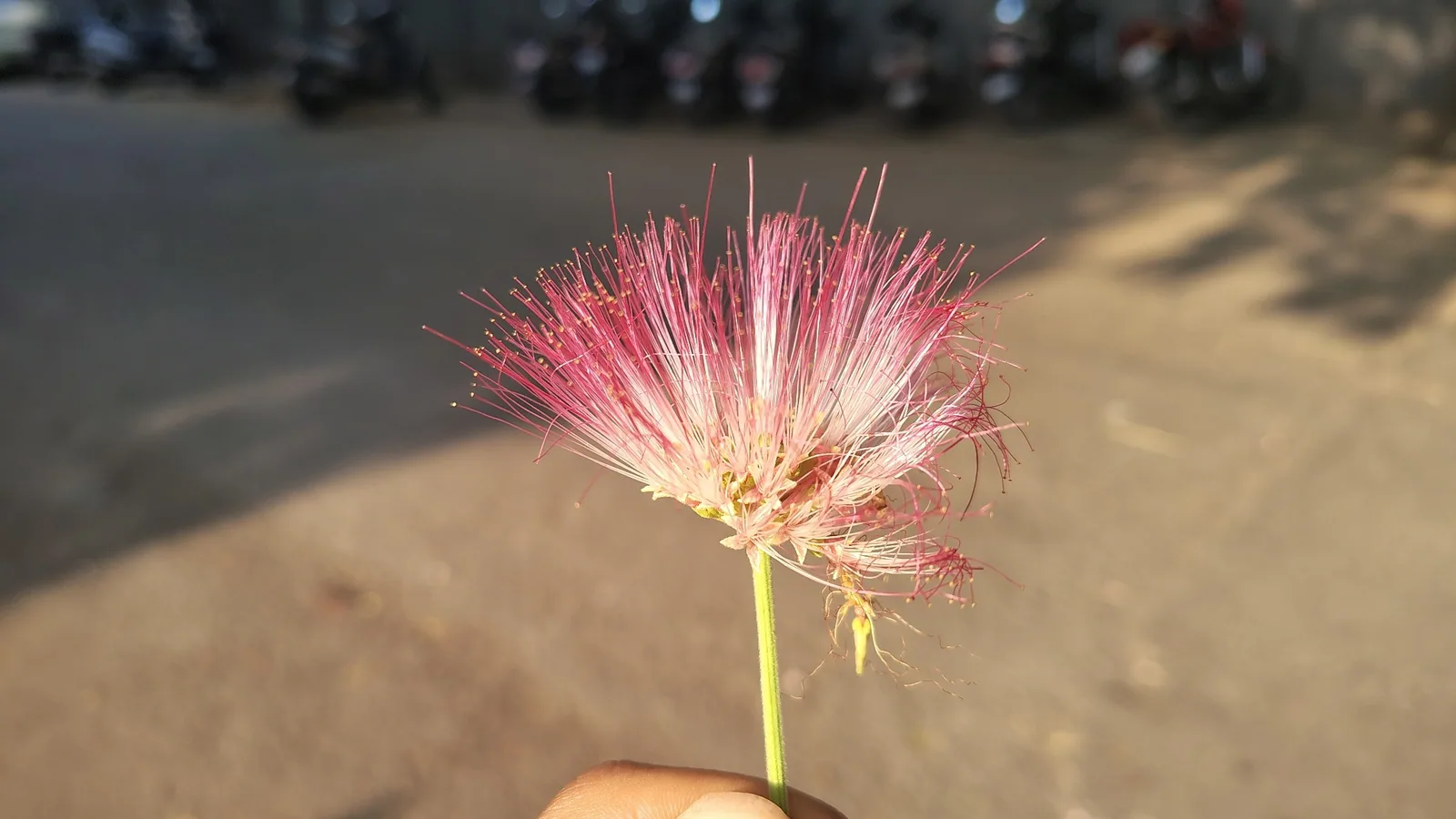

How to Grow and Care for Raintree
Albizia saman
Written by Emilio Marruso · last checked
At a glance
This sun-loving tree is easy to please: it handles acidic soil and even seasonal flooding and soggy ground. Its pods hold a sweet, sticky pulp that children enjoy, and cattle, horses and goats love them too. You can start it from seed or hardwood cuttings, and the many leaf-eating insects that visit it rarely do serious harm.
- Sun
Give it full sun: it does not tolerate shade
What the sources say (1)
Light: Intolerant of shade
Las plántulas y los árboles maduros son intolerantes a la sombra
— Samanea saman (Jacq.) Merr. Leguminosae Familia de las leguminosas [5] - Water
Handles seasonal flooding and soggy soil
What the sources say (2)
Watering notes: Tolerates seasonal flooding and waterlogged conditions
It grows on light or heavy soils and tolerates infertile or waterlogged conditions.
— Albizia saman [2] Puede sin embargo plantarse y crecer bien en una gran variedad de suelos y puede soportar las inundaciones estacionales
— Samanea saman (Jacq.) Merr. Leguminosae Familia de las leguminosas [5] - Soil
Tolerates acidic soil, down to pH 4.6
What the sources say (1)
Soil pH, minimum: 4.6
A. saman is normally found on neutral to moderately acid soils and can grow on soil with pH as low as 4.6.
— Albizia saman [2] - Spacing
5–7 ft between trees
What the sources say (1)
Spacing: 150-200 cm (1.5-2 m)
Trees are planted at a spacing of 1.5-2 m.
— Albizia saman [2] - Harvest
Pods hold a sweet, sticky pulp children eat; cattle, horses and goats love them too
- Pests
Many leaf-eating insects attack it, but they rarely cause serious harm
- Propagation
Grow it from seed or hardwood cuttings
What the sources say (2)
Overview
Rain tree is a large spreading tree widely planted as an avenue and park tree in the tropics. [2] It grows on light or heavy soils and tolerates infertile or waterlogged conditions. [2] Seedlings and mature trees are intolerant of shade. [5]
This record is incomplete: the sources we read do not cover every field yet.
Not yet covered by our sources: Watering, Hardiness, coldest zone, Hardiness, warmest zone, Pruning
Raintree care
How to water Raintree
Watering
Not stated in the sources we read.
Watering notes
Tolerates seasonal flooding and waterlogged conditions
What the sources say (2)
It grows on light or heavy soils and tolerates infertile or waterlogged conditions.Puede sin embargo plantarse y crecer bien en una gran variedad de suelos y puede soportar las inundaciones estacionalesHow much light Raintree needs
Intolerant of shade
What the sources say (1)
Las plántulas y los árboles maduros son intolerantes a la sombraHow much cold Raintree can take
Hardiness, coldest zone
Not stated in the sources we read.
Hardiness, warmest zone
Not stated in the sources we read.
Best soil for Raintree
4.6
What the sources say (1)
A. saman is normally found on neutral to moderately acid soils and can grow on soil with pH as low as 4.6.Where to grow Raintree
150-200 cm (1.5-2 m)
What the sources say (1)
Trees are planted at a spacing of 1.5-2 m.How to propagate Raintree
Seed; hardwood cuttings
Raintree pests and problems
Defoliating insects
Symptom: Many defoliators, including the Leucaena psyllid, attack the tree but usually do not cause severe stress
What the sources say (1)
Many defoliators, including the Leucaena leucocephala psyllid, Heteropsylla cubana, attack the tree in various countries, but usually do not cause severe stress problems.
— Albizia saman [2]
Remedies
Each remedy shows what official sources say about it; traditional remedies without an official source are marked as such. Harmful ones are listed so you know to avoid them.
Treating the plant
twig dieback
pruning back dead branches and fertilizing Official source, not independently tested
How: Prune back dead branches to healthy parts, and fertilize the plant well.
Prone to twig dieback due to infection by Phomopsis sp. Prune back dead branches to healthy parts, and fertilize plant well.
— nparks.gov.sg [9]
Calendar
Pruning
Not stated in the sources we read.
Months as given by the sources, which are mostly from the United States (northern hemisphere). In the southern hemisphere they shift by about six months.
Edibility
Reported by the source, quoted verbatim. Do not eat a plant on the basis of this page alone: identification mistakes can be dangerous.
Indicative values
Values from a secondary source, not checked word for word like the rest of this page. Use them as a starting point.
- Life cycle
- PerennialIndicative value, adapt it to your climate · Secondary source
- Mature height
- 1524-2438.4 cm (50-80 ft)Indicative value, adapt it to your climate · Secondary source
- Hours of sun
- 6-8 hoursIndicative value, adapt it to your climate · Secondary source
- Watering
- AverageIndicative value, adapt it to your climate · Secondary source
- USDA hardiness zones
- 10-11 [winter low −1.1 to 10 °C (30 to 50 °F)]Indicative value, adapt it to your climate · Secondary source
- Growth rate
- HighIndicative value, adapt it to your climate · Secondary source
- Pruning
- February, March, AprilIndicative value, adapt it to your climate · Secondary source
Similar plants
- Mimosa Albizia julibrissin
- Aaron's Beard Hypericum calycinum
- Abies grandis Abies grandis
- Abraham Trachystemon orientalis
- Abyssinian banana Ensete ventricosum
- Acacia longifolia Acacia longifolia
- Acacia retinodes Acacia retinodes
- Acanthus hungaricus Acanthus hungaricus
Sources
Every value above is quoted from these documents. Links lead to the original publisher.
- Samanea saman - Useful Tropical Plants · tropical.theferns.info, consulted
- Albizia saman · apps.worldagroforestry.org, consulted
- Rain tree (Albizia saman) | Feedipedia · feedipedia.org, consulted
- Samanea saman (Jacq.) Merr. — Reforestation, Nurseries and Genetics Resources · rngr.net, consulted
- Samanea saman (Jacq.) Merr. Leguminosae Familia de las leguminosas · npn.rngr.net, consulted
- Samanea saman - Fairchild Tropical Botanic Garden · fairchildgarden.org, consulted
- NParks | Samanea saman · nparks.gov.sg, consulted
- Samanea saman · apps.lucidcentral.org, consulted
- nparks.gov.sg · nparks.gov.sg
Written by Emilio Marruso · last checked