
How to Grow and Care for Peruvian-lily
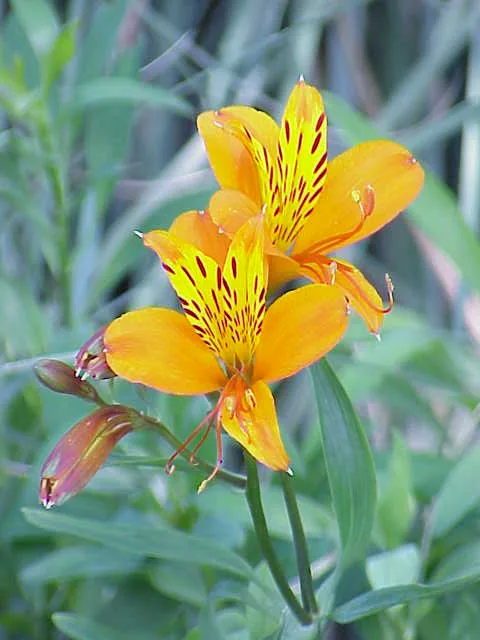
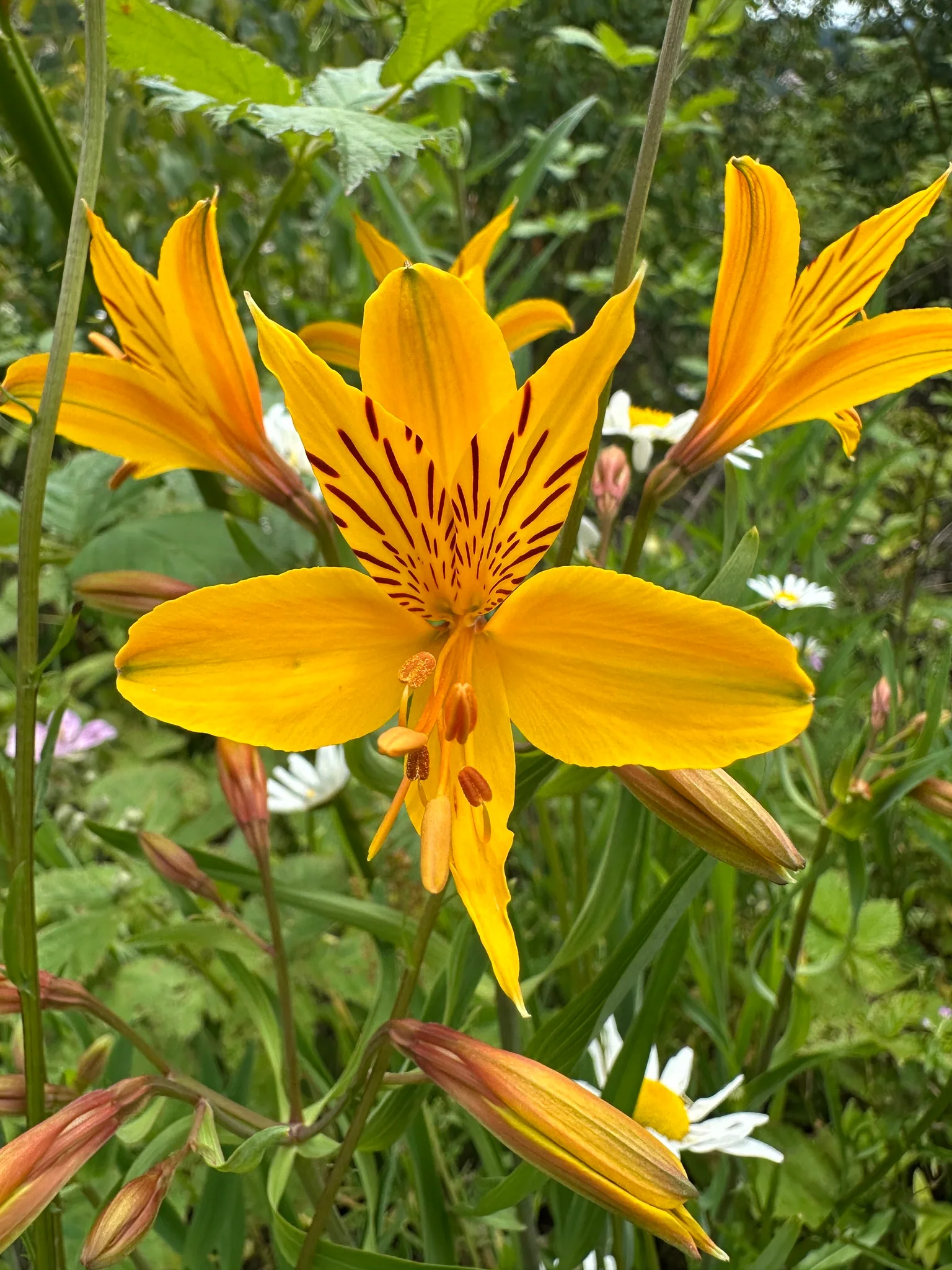
Alstroemeria aurea
Written by Emilio Marruso · last checked
At a glance
This alstroemeria is happy in full sun or light shade, with a little shelter from the hottest part of the day in hot climates. Give it fertile, well-drained soil that holds moisture, and it will spread by its fleshy roots and its seeds. Start new plants from fresh seed or by dividing a clump, then move seedlings to their spot in late summer or fall.
- Sun
Full sun to light shade; shade at the hottest time of day in hot climates
What the sources say (2)
Light: Full sun to light shade; needs shade at the hottest part of the day in hot areas
Sun Exposure: Full sun to light shade Origin:
— Inca Lily, Amancay (Alstroemeria aurantiaca) [4] The plant appreciates shade from the sun at the hottest part of the day[
— Alstroemeria aurea - Useful Temperate Plants [3] - Cold
Survives winters down to 0 °F (−17.8 °C)
Hardy in very cold winters · USDA 7 · RHS H6 · Z7
What the sources say (2)
Hardiness, coldest zone: 7 [winter low −17.8 to −12.2 °C (0 to 10 °F)]
USDA: 7-10 Frost Tolerance: Hardy to 10°F (-12°C) Heat Tolerance:
— Inca Lily, Amancay (Alstroemeria aurantiaca) [4] Hardiness, warmest zone: 10 [winter low −1.1 to 4.4 °C (30 to 40 °F)]
USDA: 7-10 Frost Tolerance: Hardy to 10°F (-12°C) Heat Tolerance:
— Inca Lily, Amancay (Alstroemeria aurantiaca) [4] - Soil
Fertile, well-drained soil that stays moist
What the sources say (1)
Watering notes: Requires a fertile, moisture-retentive, well-drained soil
Requires a fertile, moisture retentive well-drained soil and a warm situation in sun or semi-shade[ 200 Title The New RHS Dictionary of
— Alstroemeria aurea - Useful Temperate Plants [3] - Planting
Move seedlings to their final spot in late summer or fall
What the sources say (1)
Planting: Late summer or autumn (seedlings to permanent positions)
Plant out about 20cm deep into their permanent positions in late summer or autumn[ 200 Title The New RHS Dictionary
— Alstroemeria aurea - Useful Temperate Plants [3] - Watch out
It can spread a lot, through thin fleshy roots and its seeds
- Propagation
From seed or by dividing the clump
What the sources say (3)
Propagation: Seed; division
Seed - best sown in individual pots in a cold frame as soon as it is ripe although seedlings can be transplanted successfully if
— Alstroemeria aurea - Useful Temperate Plants [3] Division in mid spring or early autumn with care since the plant resents root disturbance[ 133
— Alstroemeria aurea - Useful Temperate Plants [3] Propagation: Seeds or divisions in early spring Blooming
— Inca Lily, Amancay (Alstroemeria aurantiaca) [4] - Sowing
Sow as soon as the seed is ripe, in pots in a cold frame
What the sources say (1)
Sowing: As soon as the seed is ripe (in pots in a cold frame)
Seed - best sown in individual pots in a cold frame as soon as it is ripe although seedlings can be transplanted successfully if
— Alstroemeria aurea - Useful Temperate Plants [3]
Overview
Alstroemeria aurea is a rhizomatous perennial from Chile and Argentina that is the hardiest member of its genus. [2][3] It can become invasive in gardens, spreading by roots and seed. [2][3]
This record is incomplete: the sources we read do not cover every field yet.
Not yet covered by our sources: Watering, Pruning
Peruvian-lily care
How to water Peruvian-lily
Watering
Not stated in the sources we read.
Watering notes
Requires a fertile, moisture-retentive, well-drained soil
What the sources say (1)
Requires a fertile, moisture retentive well-drained soil and a warm situation in sun or semi-shade[ 200 Title
The New RHS Dictionary ofHow much light Peruvian-lily needs
Full sun to light shade; needs shade at the hottest part of the day in hot areas
How much cold Peruvian-lily can take
Hardiness, coldest zone
7 [winter low −17.8 to −12.2 °C (0 to 10 °F)]
What the sources say (1)
USDA: 7-10
Frost Tolerance: Hardy to 10°F (-12°C)
Heat Tolerance:Hardiness, warmest zone
10 [winter low −1.1 to 4.4 °C (30 to 40 °F)]
What the sources say (1)
USDA: 7-10
Frost Tolerance: Hardy to 10°F (-12°C)
Heat Tolerance:How to propagate Peruvian-lily
Seed; division
What the sources say (3)
Seed - best sown in individual pots in a cold frame as soon as it is ripe although seedlings can be transplanted successfully ifDivision in mid spring or early autumn with care since the plant resents root disturbance[ 133Propagation: Seeds or divisions in early spring
BloomingPeruvian-lily pests and problems
Invasive spread
Symptom: Spreads by thin fleshy roots and by seed
What the sources say (1)
The plant can be rather invasive, spreading by means of thin fleshy roots[ 187
— Alstroemeria aurea - Useful Temperate Plants [3]
Remedies
The sources we checked give no remedies for this plant.
Calendar
Sowing
As soon as the seed is ripe (in pots in a cold frame)
What the sources say (1)
Seed - best sown in individual pots in a cold frame as soon as it is ripe although seedlings can be transplanted successfully ifPlanting
Late summer or autumn (seedlings to permanent positions)
What the sources say (1)
Plant out about 20cm deep into their permanent positions in late summer or autumn[ 200 Title
The New RHS DictionaryPruning
Not stated in the sources we read.
Months as given by the sources, which are mostly from the United States (northern hemisphere). In the southern hemisphere they shift by about six months.
Indicative values
Values from a secondary source, not checked word for word like the rest of this page. Use them as a starting point.
- Life cycle
- PerennialIndicative value, adapt it to your climate · Secondary source
- Mature height
- 30.5-91.4 cm (1-3 ft)Indicative value, adapt it to your climate · Secondary source
- Hours of sun
- 6-8 hoursIndicative value, adapt it to your climate · Secondary source
- Watering
- AverageIndicative value, adapt it to your climate · Secondary source
- Soil pH
- 5.5-6.5Indicative value, adapt it to your climate · Secondary source
- Care level
- MediumIndicative value, adapt it to your climate · Secondary source
- Growth rate
- LowIndicative value, adapt it to your climate · Secondary source
- Pruning
- February, March, AprilIndicative value, adapt it to your climate · Secondary source
Similar plants
- Parrot Flower Alstroemeria psittacina
- Abies grandis Abies grandis
- Abraham Trachystemon orientalis
- Abyssinian banana Ensete ventricosum
- Acacia longifolia Acacia longifolia
- Acanthus hungaricus Acanthus hungaricus
- Aconite Aconitum napellus
- Adam's Needle Yucca flaccida
Sources
Every value above is quoted from these documents. Links lead to the original publisher.
- Flora of New Zealand | Taxon Profile | Alstroemeria aurea · nzflora.info, consulted
- Alstroemeria aurea | Pacific Bulb Society · pacificbulbsociety.org, consulted
- Alstroemeria aurea - Useful Temperate Plants · temperate.theferns.info, consulted
- Inca Lily, Amancay (Alstroemeria aurantiaca) · desert-tropicals.com, consulted
Written by Emilio Marruso · last checked