
How to Grow and Care for Mauritanian grass
Ampelodesmos mauritanicus
Written by Emilio Marruso · last checked
Toxic to: People · Why
At a glance
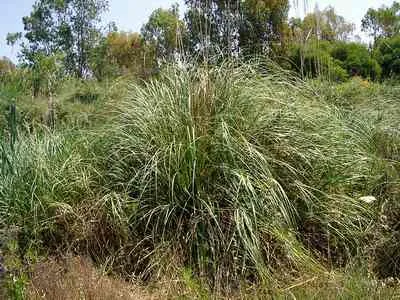
This long-lived perennial brings height and movement to a sunny spot, with stems reaching 3 to 7 feet. Give it full sun or half sun and fertile, well-drained soil that stays moist, and it will come back year after year. You can start it from seed in spring or divide an existing clump just as it begins to grow.
- Sun
Full sun to half sun
What the sources say (2)
- Soil
Fertile soil that drains well but stays moist
What the sources say (2)
Watering notes: Requires a fertile well-drained but moist soil
Requires a fertile well-drained but moist soil in a sheltered sunny position
— Ampelodesmos mauritanicus - Useful Temperate Plants [3] Soil conditions | Well drainedMoist
— Ampelodesmos mauritanicus (Mauritania Vine Reed, Rope Grass) - Plantinfo [4] - Planting
Plant seedlings out in late spring or early summer, after the last frosts
What the sources say (1)
Planting: Late spring or early summer, after the last expected frosts (seedlings)
planting them out in late spring or early summer, after the last expected frosts
— Ampelodesmos mauritanicus - Useful Temperate Plants [3] - Watch out
Sharp leaves can cut skin, so wear gloves; it dries out in summer and can catch fire easily
- Size
Stems reach 3 to 7 ft long
What the sources say (1)
Mature height: 100-200 cm [39–79 in] (culm length)
HABIT Perennial; caespitose. Rhizomes short. Culms 100–200 cm long. Culm-internodes solid. Ligule an eciliate membrane;
— RBG Kew: GrassBase - Ampelodesmos mauritanicus Description [2] - Propagation
From seed, or divide the clump in spring as it starts to grow
What the sources say (2)
Propagation: Seed; division in spring as the plant comes into growth
Seed - we have no details for this species but suggest surface sowing the seed in a greenhouse in spring.
— Ampelodesmos mauritanicus - Useful Temperate Plants [3] Division in spring as the plant comes into growth.
— Ampelodesmos mauritanicus - Useful Temperate Plants [3] - Sowing
Sow in spring in a greenhouse, on top of the soil without covering
What the sources say (1)
Sowing: Spring (surface sowing in a greenhouse)
suggest surface sowing the seed in a greenhouse in spring
— Ampelodesmos mauritanicus - Useful Temperate Plants [3] - Safety
No known hazards to people
Overview
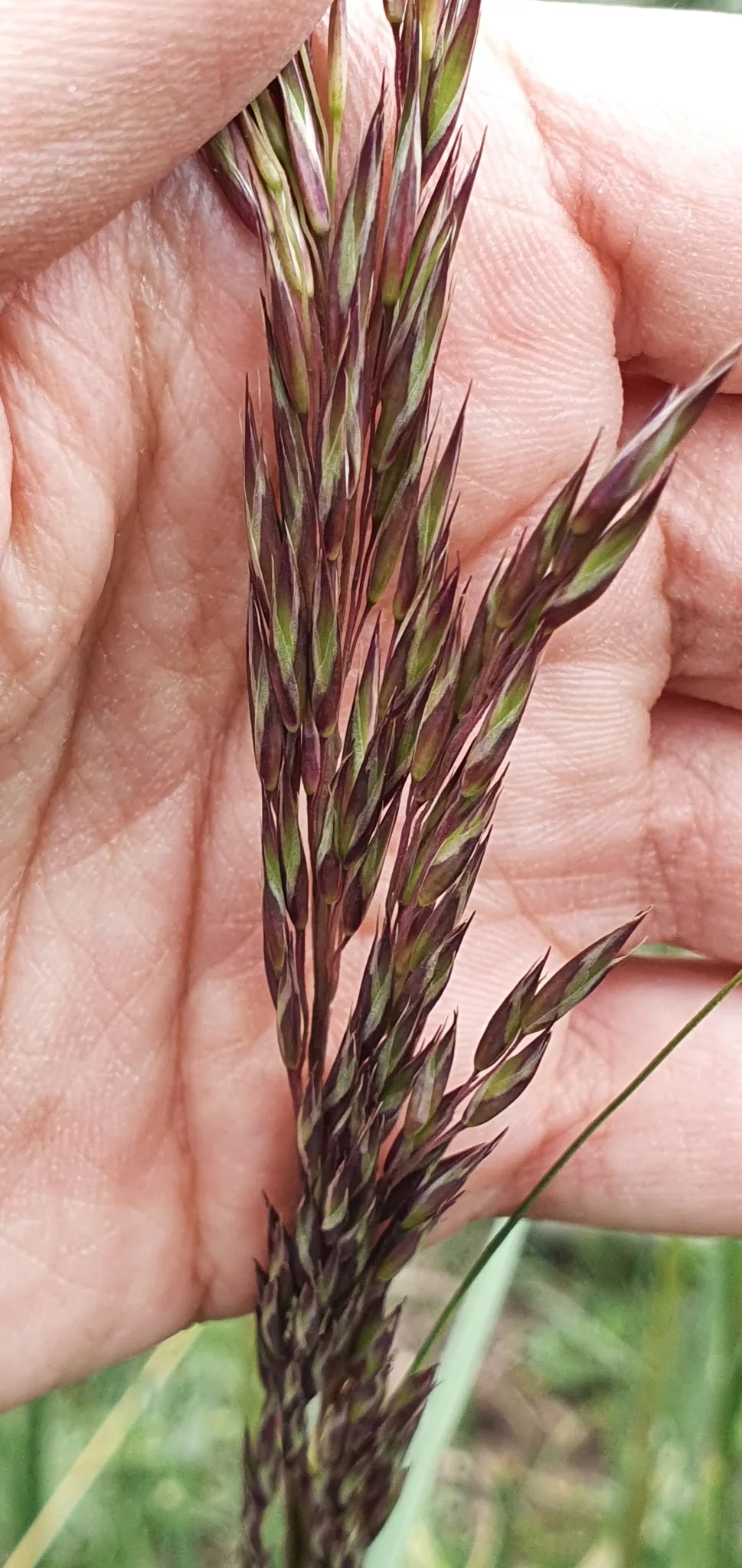
Mauritanian grass is a large, evergreen, clump-forming perennial grass of the dry Mediterranean coast. [3] It needs a sheltered sunny position with well-drained but moist soil and is not tolerant of cold winters. [3] Its leaves are rough and can cut the skin, and its leaves and culms are traditionally used for ropes, mats and brooms. [1][5]
This record is incomplete: the sources we read do not cover every field yet.
Not yet covered by our sources: Watering, Hardiness, coldest zone, Hardiness, warmest zone, Pruning
Mauritanian grass care
How to water Mauritanian grass
Watering
Not stated in the sources we read.
Watering notes
Requires a fertile well-drained but moist soil
How much light Mauritanian grass needs
Full sun to half sun
How much cold Mauritanian grass can take
Hardiness, coldest zone
Not stated in the sources we read.
Hardiness, warmest zone
Not stated in the sources we read.
How to propagate Mauritanian grass
Seed; division in spring as the plant comes into growth
How to grow Mauritanian grass
The plant
Life cycle
perennial
What the sources say (1)
HABIT Perennial; caespitose. Rhizomes short. Culms
100–200 cm long. Culm-internodes solid. Ligule an eciliate membrane;Mature height
100-200 cm [39–79 in] (culm length)
What the sources say (1)
HABIT Perennial; caespitose. Rhizomes short. Culms
100–200 cm long. Culm-internodes solid. Ligule an eciliate membrane;Mauritanian grass pests and problems
Sharp leaves
Symptom: Leaves are rough to the touch and can cut the skin.
What to do: Handle with care.
What the sources say (1)
can even cut the skin of our hands if we are not careful
— Ampelodesmos mauritanicus (Poiret) T. Durand et Schinz - Herbari Virtual del Mediterrani Occidental [1] Fire-prone growth
Symptom: Plants dry out rapidly in summer, making them fire-prone.
What to do: No management given in the sources.
What the sources say (1)
The plants dry out rapidly in the summer, making them fire-prone
— NEON Biorepository Portal - Ampelodesmos mauritanicus [5]
Remedies
The sources we checked give no remedies for this plant.
Is Mauritanian grass poisonous?
Reported by the source, quoted verbatim. This is not medical or veterinary advice: if a person or an animal may have eaten this plant, contact a poison control centre or a veterinarian.
Known Hazards None known
[3]
Calendar
Sowing
Spring (surface sowing in a greenhouse)
What the sources say (1)
suggest surface sowing the seed in a greenhouse in springPlanting
Late spring or early summer, after the last expected frosts (seedlings)
What the sources say (1)
planting them out in late spring or early summer, after the last expected frostsPruning
Not stated in the sources we read.
Months as given by the sources, which are mostly from the United States (northern hemisphere). In the southern hemisphere they shift by about six months.
Similar plants
- Abies grandis Abies grandis
- Abraham Trachystemon orientalis
- Abyssinian banana Ensete ventricosum
- Acacia longifolia Acacia longifolia
- Acanthus hungaricus Acanthus hungaricus
- Aconite Aconitum napellus
- Adam's Needle Yucca flaccida
- Adriatic lizard orchid Himantoglossum adriaticum
Sources
Every value above is quoted from these documents. Links lead to the original publisher.
- Ampelodesmos mauritanicus (Poiret) T. Durand et Schinz - Herbari Virtual del Mediterrani Occidental · herbarivirtual.uib.cat, consulted
- RBG Kew: GrassBase - Ampelodesmos mauritanicus Description · static1.kew.org, consulted
- Ampelodesmos mauritanicus - Useful Temperate Plants · temperate.theferns.info, consulted
- Ampelodesmos mauritanicus (Mauritania Vine Reed, Rope Grass) - Plantinfo · plantinfo.co.za, consulted
- NEON Biorepository Portal - Ampelodesmos mauritanicus · biorepo.neonscience.org, consulted
- Ampelodesmos mauritanicus - Calflora · calflora.org, consulted
Written by Emilio Marruso · last checked