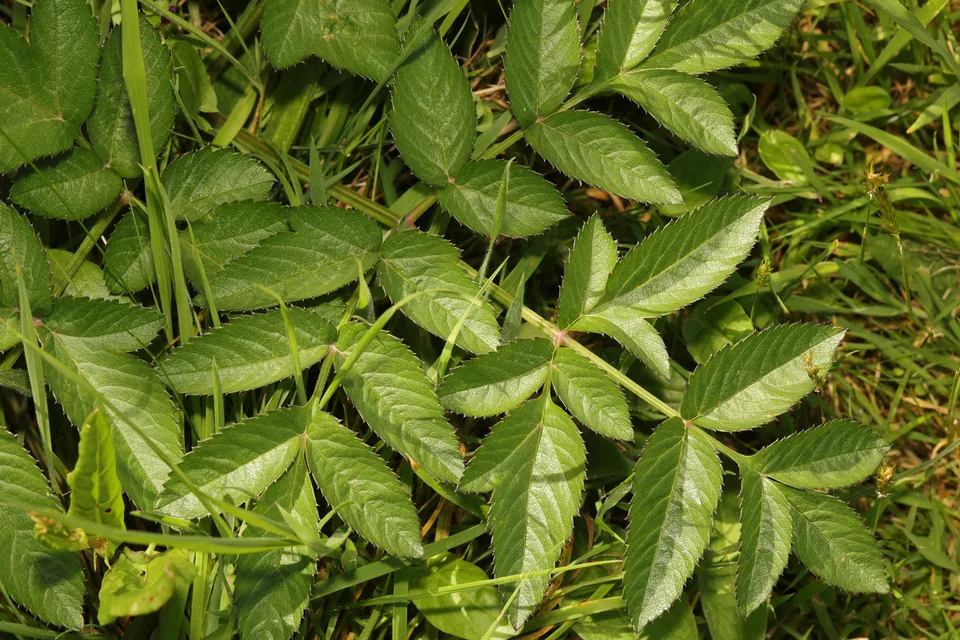
How to Grow and Care for Wild angelica
Angelica sylvestris
Written by Emilio Marruso · last checked
Toxic to: People · Why
At a glance
Wild angelica is a plant you can taste: its leaves and young shoots add aroma to salads, its stems are candied, and its seeds flavor pastries. It loves damp spots like wet meadows, in full sun or dappled shade, with deep, fertile soil. Sow the seed as soon as it is ripe and plant it out in spring.
- Sun
Full sun or dappled shade
What the sources say (1)
Light: Dappled shade or full sun
Requires a deep moist fertile soil in dappled shade or full sun
— Angelica sylvestris - Useful Temperate Plants [3] - Water
Loves damp places: keep the soil moist
What the sources say (2)
Watering notes: Requires a deep, moist, fertile soil; likes damp places such as wet meadows and wet woodlands
Requires a deep moist fertile soil in dappled shade or full sun
— Angelica sylvestris - Useful Temperate Plants [3] Wild angelica likes damp places, such as wet meadows and wet woodlands.
— Wild angelica | IUCN UK Peatland Programme [6] - Soil
Deep, moist, fertile soil
What the sources say (2)
Watering notes: Requires a deep, moist, fertile soil; likes damp places such as wet meadows and wet woodlands
Requires a deep moist fertile soil in dappled shade or full sun
— Angelica sylvestris - Useful Temperate Plants [3] Wild angelica likes damp places, such as wet meadows and wet woodlands.
— Wild angelica | IUCN UK Peatland Programme [6] - Planting
Plant in spring
What the sources say (1)
Planting: Spring
When large enough to handle, prick the seedlings out into individual pots and grow them on in a cold frame for their first winter, planting them out into their permanent positions in the spring.
— Angelica sylvestris - Useful Temperate Plants [3] - Harvest
Leaves and young shoots in salads; stems candied; seeds flavor sweets and pastries
- Propagation
From seed, in a cold frame or sown right where it will grow
What the sources say (2)
Propagation: Seed (cold frame, or sown in situ as soon as ripe)
Seed - best sown in a cold frame as soon as it is ripe since the seed only has a short viability
— Angelica sylvestris - Useful Temperate Plants [3] The seed can also be sow in situ as soon as it is ripe.
— Angelica sylvestris - Useful Temperate Plants [3] - Sowing
Sow as soon as the seed is ripe; spring sowing works too, but fewer seeds sprout
What the sources say (2)
Sowing: As soon as the seed is ripe (cold frame); spring sowing also possible with lower germination
Seed - best sown in a cold frame as soon as it is ripe since the seed only has a short viability
— Angelica sylvestris - Useful Temperate Plants [3] Seed can also be sown in the spring, though germination rates will be lower.
— Angelica sylvestris - Useful Temperate Plants [3] - Safety
The plant can make skin sensitive to sunlight and cause a rash
Overview
Wild angelica is a biennial to perennial herbaceous plant growing 80-200 cm [31–79 in] tall from a thick taproot. [3] It requires a deep, moist, fertile soil in dappled shade or full sun. [3] All members of the genus contain furocoumarins, which increase skin sensitivity to sunlight. [3]
This record is incomplete: the sources we read do not cover every field yet.
Not yet covered by our sources: Watering, Harvest
Wild angelica care
Measurements in square brackets are our conversion into the other unit system; the quoted text is unchanged.
How to water Wild angelica
Watering
Not stated in the sources we read.
Watering notes
Requires a deep, moist, fertile soil; likes damp places such as wet meadows and wet woodlands
How much light Wild angelica needs
Dappled shade or full sun
What the sources say (1)
Requires a deep moist fertile soil in dappled shade or full sunHow to propagate Wild angelica
Seed (cold frame, or sown in situ as soon as ripe)
How to grow Wild angelica
The plant
Life cycle
biennial or perennial
What the sources say (1)
The native range of this species is Europe to Siberia and Mongolia. It is a biennial or perennial and grows primarily in the temperate biome.Remedies
Each remedy shows what official sources say about it; traditional remedies without an official source are marked as such. Harmful ones are listed so you know to avoid them.
First aid
First aid: not a substitute for a doctor
skin rash after sap contact and sun
sunscreen and covering the skin Official source, not independently tested
How: The use of a sunscreen with high UVA protection in addition to covering the skin to prevent further light exposure may diminish the severity of the reaction if it is commenced as soon as the accidental exposure is recognised.
The use of a sunscreen with high UVA protection in addition to covering the skin to prevent further light exposure may diminish the severity of the reaction if it is commenced as soon as the accidental exposure is recognised.
— dermnetnz.org [8]
Getting rid of it
invasive spread
pull first year plants and cut seed heads Not verified
Traditional remedy, not verified by an official source.
It is recommended to wear gloves, work on cloudy days, and wash thoroughly after handling to avoid burns and rashes.
— nsinvasives.ca [9] How: physically remove first year plants and cut the seed heads of second year plants to stop the spread.
Is Wild angelica poisonous?
Reported by the source, quoted verbatim. This is not medical or veterinary advice: if a person or an animal may have eaten this plant, contact a poison control centre or a veterinarian.
All members of this genus contain furocoumarins, which increase skin sensitivity to sunlight and may cause dermatitis
[3]
Calendar
Sowing
As soon as the seed is ripe (cold frame); spring sowing also possible with lower germination
Planting
Spring
What the sources say (1)
When large enough to handle, prick the seedlings out into individual pots and grow them on in a cold frame for their first winter, planting them out into their permanent positions in the spring.Harvest
Not stated in the sources we read.
Months as given by the sources, which are mostly from the United States (northern hemisphere). In the southern hemisphere they shift by about six months.
Edibility
Reported by the source, quoted verbatim. Do not eat a plant on the basis of this page alone: identification mistakes can be dangerous.
Indicative values
Values from a secondary source, not checked word for word like the rest of this page. Use them as a starting point.
- Mature height
- 100-150 cm [39–59 in]Indicative value, adapt it to your climate · Secondary source
- Hours of sun
- 6-7 hoursIndicative value, adapt it to your climate · Secondary source
- Watering
- AverageIndicative value, adapt it to your climate · Secondary source
- Drought tolerant
- yesIndicative value, adapt it to your climate · Secondary source
- Soil
- Clay, Sand, LoamIndicative value, adapt it to your climate · Secondary source
- Soil pH
- 5.5-7Indicative value, adapt it to your climate · Secondary source
- Growth rate
- LowIndicative value, adapt it to your climate · Secondary source
- Pruning
- March, April, May, June, July, August, SeptemberIndicative value, adapt it to your climate · Secondary source
Similar plants
- Angelica Angelica archangelica
- Appalachian Angelica Angelica triquinata
- Great angelica Angelica atropurpurea
- Ranger's Buttons Angelica capitellata
- Angelica gigas Angelica gigas
- Aconite Aconitum napellus
- Adam's Needle Yucca flaccida
- Afghan Cherry Prunus jacquemontii
Sources
Every value above is quoted from these documents. Links lead to the original publisher.
- Angelica sylvestris L. | Plants of the World Online | Kew Science · powo.science.kew.org, consulted
- How To Grow Angelica | BBC Gardeners World Magazine · gardenersworld.com, consulted
- Angelica sylvestris - Useful Temperate Plants · temperate.theferns.info, consulted
- · naturblick.museumfuernaturkunde.berlin, consulted
- Wild Angelica (Angelica sylvestris) — Practical Plants · practicalplants.org, consulted
- Wild angelica | IUCN UK Peatland Programme · iucn-uk-peatlandprogramme.org, consulted
- How to grow angelica | RHS Growing Guide · rhs.org.uk, consulted
- dermnetnz.org · dermnetnz.org
- nsinvasives.ca · nsinvasives.ca
Written by Emilio Marruso · last checked