
How to Grow and Care for Cobra Lily
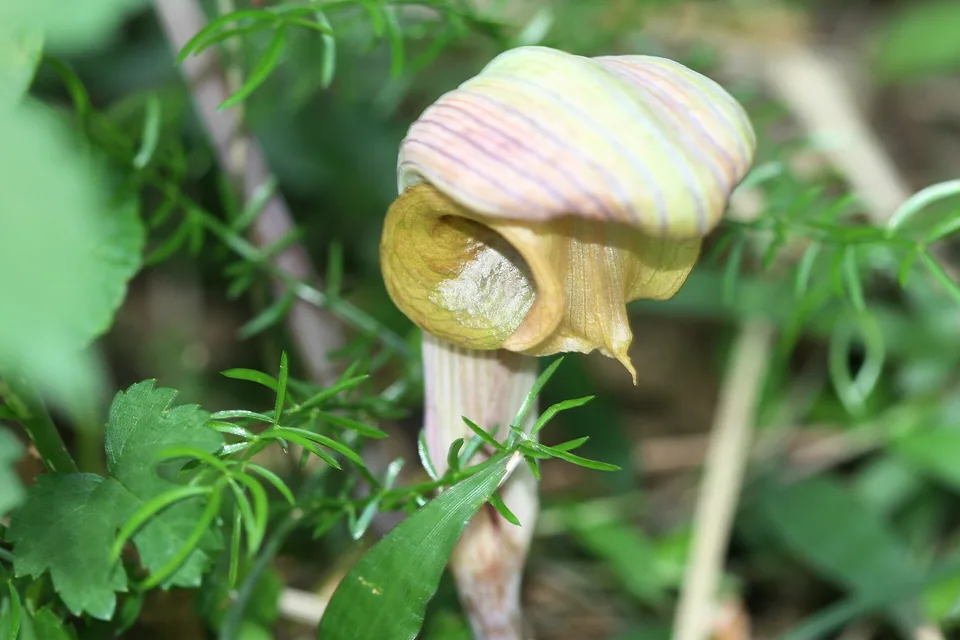
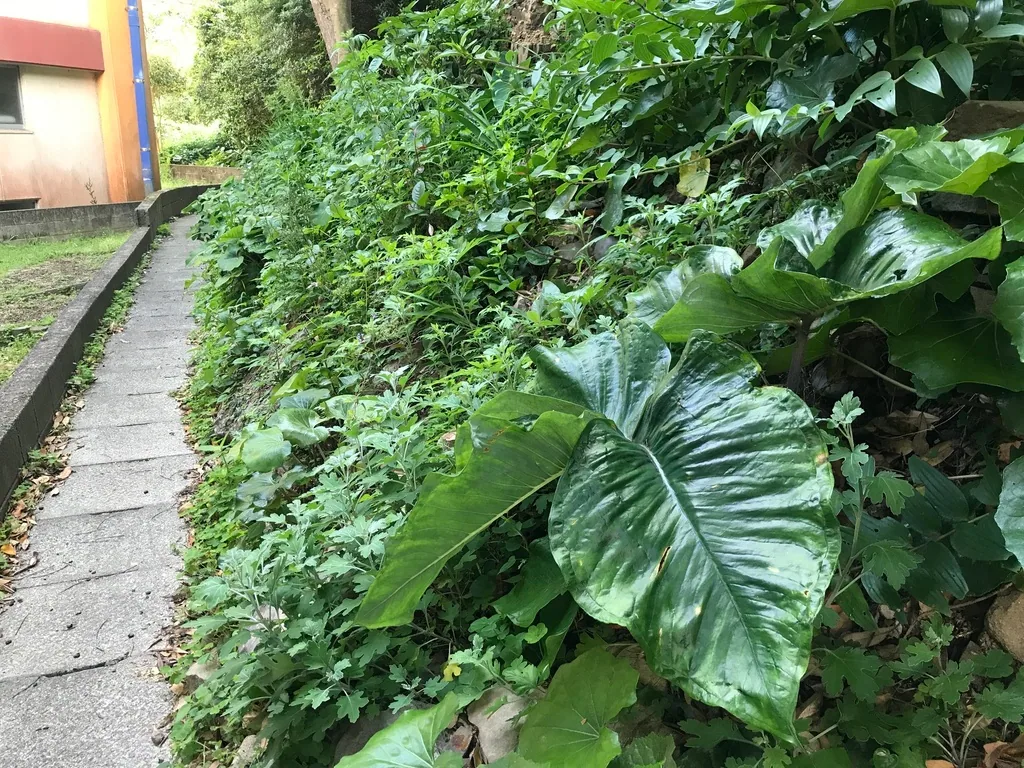
Arisaema ringens
Written by Emilio Marruso · last checked
Toxic to: Cats, Dogs, Horses, People · Why
At a glance
This perennial from the arum family is a gift for the darker corners of your garden: it is happy anywhere from partial shade to deep shade. It stays compact, 1 to 1.5 feet tall and 6 to 12 inches wide, and comes back year after year. You can even share it with friends by dividing the plant or growing new ones from seed.
- Sun
Partial shade to deep shade
What the sources say (1)
Light: Partial shade to deep shade
Light: Deep shade (Less than 2 hours to no direct sunlight) Partial Shade (Direct sunlight only part of the day, 2-6 hours)
— Arisaema ringens (Cobra Lily, Japanese Cobra Lily) | North Carolina Extension Gardener Plant Toolbox [1] - Cold
Survives winters down to −10 °F (−23.3 °C)
Very hardy · USDA 6a · RHS H7 · Z6
What the sources say (2)
Hardiness, coldest zone: 6a [winter low −23.3 to −20.6 °C (−10 to −5 °F)]
USDA Plant Hardiness Zone: 6a, 6b, 7a, 7b, 8a, 8b, 9a, 9b
— Arisaema ringens (Cobra Lily, Japanese Cobra Lily) | North Carolina Extension Gardener Plant Toolbox [1] Hardiness, warmest zone: 9b [winter low −3.9 to −1.1 °C (25 to 30 °F)]
USDA Plant Hardiness Zone: 6a, 6b, 7a, 7b, 8a, 8b, 9a, 9b
— Arisaema ringens (Cobra Lily, Japanese Cobra Lily) | North Carolina Extension Gardener Plant Toolbox [1] - Size
1 to 1.5 ft tall and 6 to 12 in wide
What the sources say (2)
Mature height: 30.48-45.72 cm (1-1.5 ft)
Height: 1 ft. 0 in. - 1 ft. 6 in.
— Arisaema ringens (Cobra Lily, Japanese Cobra Lily) | North Carolina Extension Gardener Plant Toolbox [1] Mature width: 15.24-30.48 cm (0.5-1 ft)
Width: 0 ft. 6 in. - 1 ft. 0 in.
— Arisaema ringens (Cobra Lily, Japanese Cobra Lily) | North Carolina Extension Gardener Plant Toolbox [1] - Propagation
Divide the plant or grow it from seed
What the sources say (1)
Propagation: Division; seed
Recommended Propagation Strategy: Division Seed Country Or Region Of Origin:
— Arisaema ringens (Cobra Lily, Japanese Cobra Lily) | North Carolina Extension Gardener Plant Toolbox [1] - Safety
Mildly poisonous: keep it away from children, cats, dogs and horses
Overview
Cobra lily is an herbaceous perennial from a corm, native to Asia, grown in partial shade for Asian and woodland gardens. [1] The plant carries a low-severity poison rating, with calcium oxalate as the toxic principle. [1]
This record is incomplete: the sources we read do not cover every field yet.
Not yet covered by our sources: Watering, Pruning
Cobra Lily care
How to water Cobra Lily
Not stated in the sources we read.
How much light Cobra Lily needs
Partial shade to deep shade
What the sources say (1)
Light:
Deep shade (Less than 2 hours to no direct sunlight)
Partial Shade (Direct sunlight only part of the day, 2-6 hours)How much cold Cobra Lily can take
Hardiness, coldest zone
6a [winter low −23.3 to −20.6 °C (−10 to −5 °F)]
What the sources say (1)
USDA Plant Hardiness Zone:
6a, 6b, 7a, 7b, 8a, 8b, 9a, 9bHardiness, warmest zone
9b [winter low −3.9 to −1.1 °C (25 to 30 °F)]
What the sources say (1)
USDA Plant Hardiness Zone:
6a, 6b, 7a, 7b, 8a, 8b, 9a, 9bHow to propagate Cobra Lily
Division; seed
What the sources say (1)
Recommended Propagation Strategy:
Division
Seed
Country Or Region Of Origin:How to grow Cobra Lily
The plant
Life cycle
perennial
What the sources say (1)
Cobra lily is an herbaceous perennial that grows from a corm.Family
Araceae
What the sources say (1)
It is native to Asia and a member of the arum family (Araceae)Mature height
30.48-45.72 cm (1-1.5 ft)
What the sources say (1)
Height: 1 ft. 0 in. - 1 ft. 6 in.Mature width
15.24-30.48 cm (0.5-1 ft)
What the sources say (1)
Width: 0 ft. 6 in. - 1 ft. 0 in.Remedies
Each remedy shows what official sources say about it; traditional remedies without an official source are marked as such. Harmful ones are listed so you know to avoid them.
First aid
First aid: not a substitute for a doctor
skin contact with sap
washing with soap and warm water Official source, not independently tested
If the pain continues, contact your child's physician.
— chop.edu [3] How: Lather the exposed area repeatedly with soap and rinse with warm running water.
Lather the exposed area repeatedly with soap and rinse with warm running water to ease the irritation.
— chop.edu [3]
eating the raw plant
wiping out the mouth and offering a cool drink Official source, not independently tested
If there is swelling that prevents the child taking anything by mouth or causes difficulty breathing, go to the nearest emergency department immediately.
— chop.edu [3] How: Wipe out the residue of the plant from the mouth and offer a cool drink or snack.
wipe out the residue of the plant from the mouth and offer a cool drink or snack such as a popsicle, applesauce or yogurt.
— chop.edu [3]
Treating the plant
slugs and snails
removing hiding places Not verified
Traditional remedy, not verified by an official source.
How: Remove or make unsuitable the moist sheltered places where snails and slugs hide.
copper-based snail control Not verified
Traditional remedy, not verified by an official source.
How: Use one of the copper-based strategies together with removal of hiding places.
Is Cobra Lily toxic to pets?
Reported by the source, quoted verbatim. This is not medical or veterinary advice: if a person or an animal may have eaten this plant, contact a poison control centre or a veterinarian.
Animals
Problems: Poisonous to Humans Problem for Cats Problem for Children
[1]The source flags the risk for this animal but does not explain why.
Problem for Cats Problem for Children Problem for Dogs
[1]The source flags the risk for this animal but does not explain why.
Problem for Children Problem for Dogs Problem for Horses
[1]The source flags the risk for this animal but does not explain why.
People
This plant has low severity poison characteristics. See below
[1]- Poisonous parts
Causes Contact Dermatitis: Yes Poison Part: Roots Sap/Juice
[1]- Toxic principle
Poison Toxic Principle: calcium oxalate Causes Contact Dermatitis: Yes
[1]- Symptoms
Irritation and swelling of the lips, tongue, and throat if the plant is eaten raw. Handling the fruit pulp or leaf sap may cause mild dermatitis.
[1]- Severity
Poisonous to Humans: Poison Severity: Low Poison Symptoms:
[1]
Calendar
Pruning
Not stated in the sources we read.
Months as given by the sources, which are mostly from the United States (northern hemisphere). In the southern hemisphere they shift by about six months.
Similar plants
- Dancing Crane Cobra Lily Arisaema heterophyllum
- Green Dragon Arisaema dracontium
- Jack-in-the-pulpit Arisaema triphyllum
- Japanese Jack-in-the-pulpit Arisaema sikokianum
- Anthurium Anthurium andraeanum
- Arrowhead Plant Syngonium podophyllum
- Arum Arum maculatum
- Black Calla Arum palaestinum
Sources
Every value above is quoted from these documents. Links lead to the original publisher.
- Arisaema ringens (Cobra Lily, Japanese Cobra Lily) | North Carolina Extension Gardener Plant Toolbox · plants.ces.ncsu.edu, consulted
- Arisaema (Cobra Lilies, Jack-in-the-Pulpit) | North Carolina Extension Gardener Plant Toolbox · plants.ces.ncsu.edu, consulted
- chop.edu · chop.edu
Written by Emilio Marruso · last checked