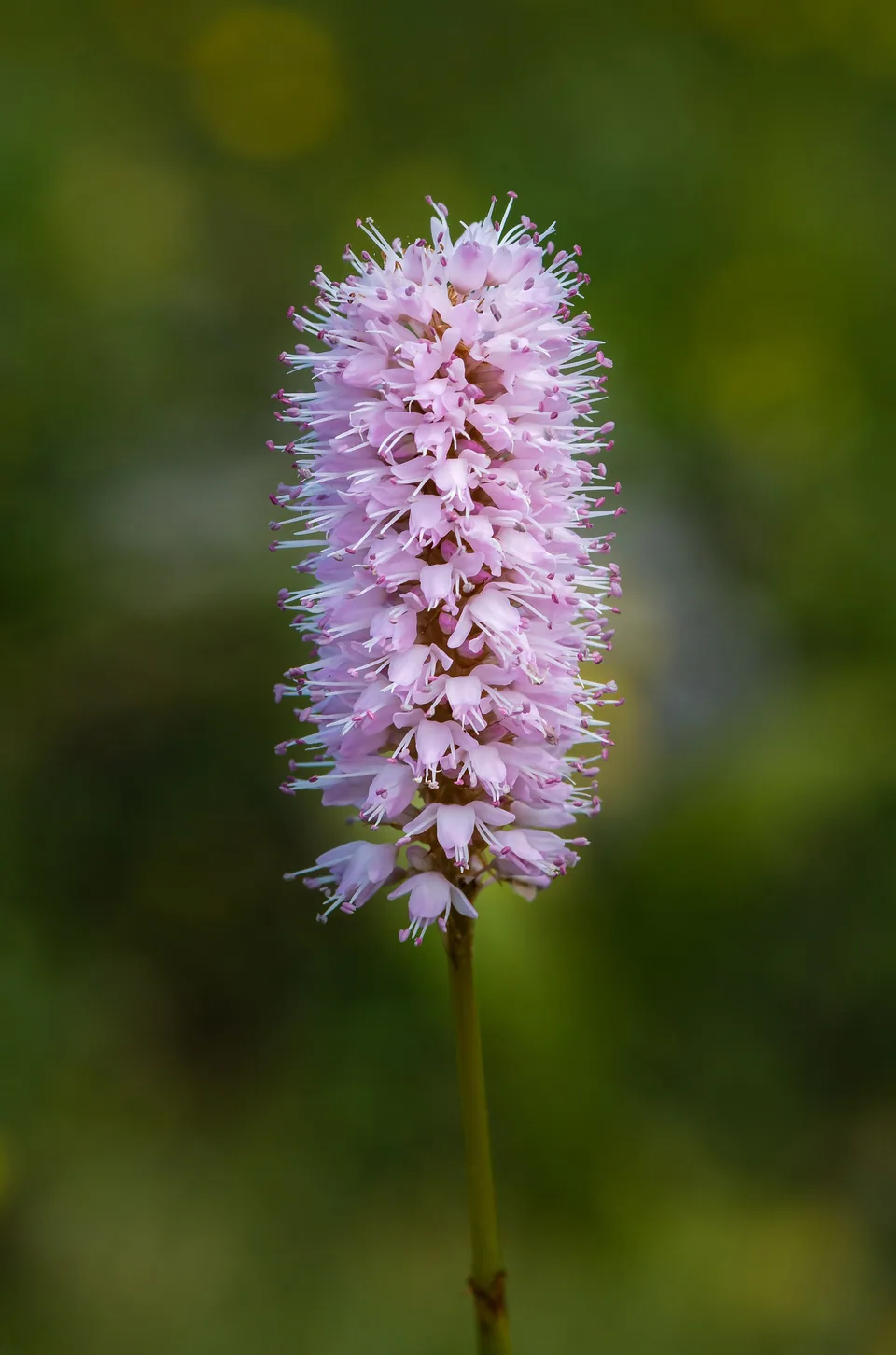
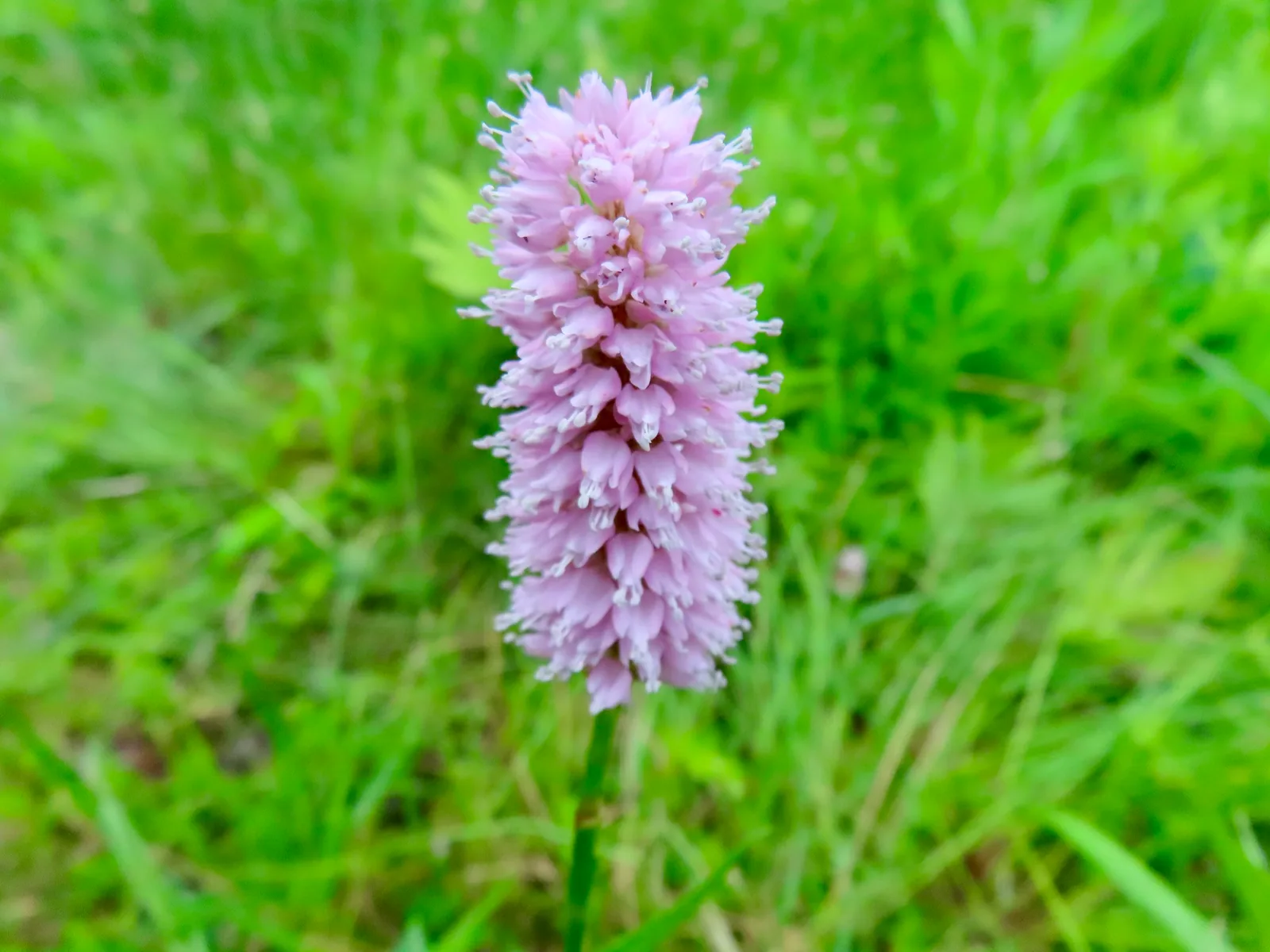

How to Grow and Care for Bistort
Bistorta officinalis
Written by Emilio Marruso · last checked
Toxic to: People · Why
At a glance
Bistort is a generous, easygoing plant: give it full sun to partial shade and soil that never dries out, and once it is established it needs little care. Its tender leaves can be picked from late winter to early autumn, and in Europe they go into a traditional Easter pudding. New plants are easy to make by dividing clumps in spring or autumn.
- Sun
Full sun to partial shade; in hot climates, give it shade
What the sources say (4)
Light: Full sun to partial shade
hot climates: Although it grows in partial shade or full sunlight in most areas, shade is preferred in hot climates.
— Bistort Plant Information - Tips For Growing Bistort Flowers In Gardens | Gardening Know How [2] According to Gardenista: It grows well in full sun with ample moisture, otherwise appreciates afternoon shade.
— Bistort: How to Grow the Pink Flowering Perennial [3] Grow bistort in moisture-retentive soil in sun or partial shade, in a position that suits the height and spread of the variety.
— How to Grow Bistort | BBC Gardeners World Magazine [1] prefers a moisture retentive not too fertile soil in sun or part shade
— Bistorta officinalis - Useful Temperate Plants [4] - Water
Water generously and don't let the soil dry out; once established it needs little care
What the sources say (2)
Watering: Water generously; do not let the soil dry out
Be sure to water bistort generously and don’t allow the soil to dry out.
— Bistort Plant Information - Tips For Growing Bistort Flowers In Gardens | Gardening Know How [2] Watering notes: Keep watered until established, after which little care is required
Keep watered until established, after which little care is required apart from cutting off faded flowers and dead growth.
— How to Grow Bistort | BBC Gardeners World Magazine [1] - Planting
Plant in autumn or spring, or during mild spells in winter
What the sources say (1)
Planting: Autumn or spring, or in mild spells during winter
Bistort is a tough and hardy perennial, so can be planted in autumn or spring, or in mild spells during winter.
— How to Grow Bistort | BBC Gardeners World Magazine [1] - Pruning
Cut back dead leaves in spring, before new growth appears
What the sources say (1)
Pruning: Cut back dead foliage before new growth emerges in spring
Once established, bistort needs little care apart from trimming back dead flowers, and cutting back the dead foliage of herbaceous varieties before new growth emerges in spring.
— How to Grow Bistort | BBC Gardeners World Magazine [1] - Harvest
Pick the tender leaves from late winter to early autumn; they get tougher as the season goes on
What the sources say (1)
Harvest: Leaves: from late winter to early autumn (tougher as the season progresses)
The leaves are available from late winter in most years and can be eaten until the early autumn though they become much tougher as the season progresses
— Bistorta officinalis - Useful Temperate Plants [4] - Propagation
Divide clumps in spring or autumn, or grow new plants from seed or bulbils
What the sources say (3)
Propagation: Division in spring or autumn; seed; bulbils
Keep watered until established, after which little care is required apart from cutting off faded flowers and dead growth. Propagate by division in spring or autumn.
— How to Grow Bistort | BBC Gardeners World Magazine [1] Propagate bistort by planting seeds or bulbils directly in the garden after all danger of frost has passed in late winter or early spring.
— Bistort Plant Information - Tips For Growing Bistort Flowers In Gardens | Gardening Know How [2] Seed - sow spring in a cold frame. Germination is usually free and easy.
— Bistorta officinalis - Useful Temperate Plants [4] - Sowing
Sow outdoors in late winter or early spring, once frost is over; in a cold frame, in spring
What the sources say (4)
Sowing: Late winter to spring
directly in the garden: Propagate bistort by planting seeds or bulbils directly in the garden after all danger of frost has passed in late winter or early spring.
— Bistort Plant Information - Tips For Growing Bistort Flowers In Gardens | Gardening Know How [2] cold frame: Seed - sow spring in a cold frame. Germination is usually free and easy.
— Bistorta officinalis - Useful Temperate Plants [4] Propagate bistort by planting seeds or bulbils directly in the garden after all danger of frost has passed in late winter or early spring.
— Bistort Plant Information - Tips For Growing Bistort Flowers In Gardens | Gardening Know How [2] Seed - sow spring in a cold frame. Germination is usually free and easy.
— Bistorta officinalis - Useful Temperate Plants [4] - Safety
Touching the plant may irritate the skin
Overview
Common bistort is a handsome wildflower for woodland edges and meadow-style planting where the soil is moisture-retentive. [1] It is grown in moisture-retentive soil in sun or partial shade and kept watered until established. [1] Young leaves are eaten, and contact with the plant may cause skin irritation. [1][3]
Bistort care
How to water Bistort
Watering
Water generously; do not let the soil dry out
What the sources say (1)
Be sure to water bistort generously and don’t allow the soil to dry out.Watering notes
Keep watered until established, after which little care is required
What the sources say (1)
Keep watered until established, after which little care is required apart from cutting off faded flowers and dead growth.How much light Bistort needs
Full sun to partial shade
What each source says
hot climates: Shade preferred
According to Gardenista: Full sun with ample moisture, otherwise afternoon shade
What the sources say (4)
hot climates: Although it grows in partial shade or full sunlight in most areas, shade is preferred in hot climates.According to Gardenista: It grows well in full sun with ample moisture, otherwise appreciates afternoon shade.Grow bistort in moisture-retentive soil in sun or partial shade, in a position that suits the height and spread of the variety.prefers a moisture retentive not too fertile soil in sun or part shadeHow much cold Bistort can take
Hardiness, coldest zone
The sources give different values depending on region, zone or growing conditions.
What each source says
According to Gardening Know How: 4 [winter low −34.4 to −28.9 °C (−30 to −20 °F)]
According to Gardenista: 3 [winter low −40 to −34.4 °C (−40 to −30 °F)]
What the sources say (2)
According to Gardening Know How: Bistort is suitable for growing in USDA plant hardiness zones 4 through 9.According to Gardenista: Give bistort a bitter winter and short, intense growing season and it is happy.
- In other words, it is hardy from USDA growing zones 3 to 7.Hardiness, warmest zone
The sources give different values depending on region, zone or growing conditions.
What each source says
According to Gardening Know How: 9 [winter low −6.7 to −1.1 °C (20 to 30 °F)]
According to Gardenista: 7 [winter low −17.8 to −12.2 °C (0 to 10 °F)]
What the sources say (2)
According to Gardening Know How: Bistort is suitable for growing in USDA plant hardiness zones 4 through 9.According to Gardenista: Give bistort a bitter winter and short, intense growing season and it is happy.
- In other words, it is hardy from USDA growing zones 3 to 7.How to propagate Bistort
Division in spring or autumn; seed; bulbils
What the sources say (3)
Keep watered until established, after which little care is required apart from cutting off faded flowers and dead growth. Propagate by division in spring or autumn.Propagate bistort by planting seeds or bulbils directly in the garden after all danger of frost has passed in late winter or early spring.Seed - sow spring in a cold frame. Germination is usually free and easy.Remedies
The sources we checked give no remedies for this plant.
Is Bistort poisonous?
Reported by the source, quoted verbatim. This is not medical or veterinary advice: if a person or an animal may have eaten this plant, contact a poison control centre or a veterinarian.
Calendar
Sowing
Late winter to spring
What each source says
directly in the garden: Late winter or early spring, after all danger of frost has passed
cold frame: Spring
What the sources say (4)
directly in the garden: Propagate bistort by planting seeds or bulbils directly in the garden after all danger of frost has passed in late winter or early spring.cold frame: Seed - sow spring in a cold frame. Germination is usually free and easy.Propagate bistort by planting seeds or bulbils directly in the garden after all danger of frost has passed in late winter or early spring.Seed - sow spring in a cold frame. Germination is usually free and easy.Planting
Autumn or spring, or in mild spells during winter
What the sources say (1)
Bistort is a tough and hardy perennial, so can be planted in autumn or spring, or in mild spells during winter.Harvest
Leaves: from late winter to early autumn (tougher as the season progresses)
What the sources say (1)
The leaves are available from late winter in most years and can be eaten until the early autumn though they become much tougher as the season progressesPruning
Cut back dead foliage before new growth emerges in spring
What the sources say (1)
Once established, bistort needs little care apart from trimming back dead flowers, and cutting back the dead foliage of herbaceous varieties before new growth emerges in spring.Months as given by the sources, which are mostly from the United States (northern hemisphere). In the southern hemisphere they shift by about six months.
Edibility
Reported by the source, quoted verbatim. Do not eat a plant on the basis of this page alone: identification mistakes can be dangerous.
Indicative values
Values from a secondary source, not checked word for word like the rest of this page. Use them as a starting point.
- Life cycle
- Herbaceous PerennialIndicative value, adapt it to your climate · Secondary source
- Mature height
- 61-91.4 cm (2-3 ft)Indicative value, adapt it to your climate · Secondary source
- Hours of sun
- 6-8 hoursIndicative value, adapt it to your climate · Secondary source
- Drought tolerant
- yesIndicative value, adapt it to your climate · Secondary source
- Soil pH
- 5.5-7.5Indicative value, adapt it to your climate · Secondary source
- Care level
- MediumIndicative value, adapt it to your climate · Secondary source
- Growth rate
- LowIndicative value, adapt it to your climate · Secondary source
Similar plants
- Abies grandis Abies grandis
- Abraham Trachystemon orientalis
- Abyssinian banana Ensete ventricosum
- Acacia longifolia Acacia longifolia
- Acanthus hungaricus Acanthus hungaricus
- Achlys triphylla Achlys triphylla
- Aconite Aconitum napellus
- Adam's Needle Yucca flaccida
Sources
Every value above is quoted from these documents. Links lead to the original publisher.
- How to Grow Bistort | BBC Gardeners World Magazine · gardenersworld.com, consulted
- Bistort Plant Information - Tips For Growing Bistort Flowers In Gardens | Gardening Know How · gardeningknowhow.com, consulted
- Bistort: How to Grow the Pink Flowering Perennial · gardenista.com, consulted
- Bistorta officinalis - Useful Temperate Plants · temperate.theferns.info, consulted
- Lady Bird Johnson Wildflower Center - The University of Texas at Austin · wildflower.org, consulted
Written by Emilio Marruso · last checked