
How to Grow and Care for Divi divi
Caesalpinia coriaria
Written by Emilio Marruso · last checked
Toxic to: Animals · Why
At a glance
Divi-divi is a sun lover that asks for little: give it full sun, moderate watering and slightly acidic to neutral soil, pH 6.0–7.0. During the heat of the growing season, it responds well to plenty of water. It also grows happily in a container and even indoors, so you can enjoy it close at hand all year.
- Sun
Full sun
- Water
Moderate water; give it plenty during the summer heat of the growing season
What the sources say (2)
Watering: Moderate water
| Water Preference | Moderate Water
— NParks | Libidibia coriaria [2] Watering notes: Responds well to lots of water during the heat of the growing season
It appreciates and responds well to lots of water during the heat of the growing season
— Information On Divi-Divi Trees [5] - Cold
Survives winters down to 30 °F (−1.1 °C)
Half hardy: mild winters or an unheated greenhouse · USDA 10 · RHS H3 · Z10
What the sources say (1)
Hardiness, coldest zone: 10 [winter low −1.1 to 4.4 °C (30 to 40 °F)]
They are suited to outdoor gardens in U.S. Department of Agriculture winter hardiness zones 10 and warmer.
— Information On Divi-Divi Trees [5] - Soil
Slightly acidic to neutral soil, pH 6.0–7.0
What the sources say (2)
Soil pH, minimum: 6.0
Plant divi-divi in a sand or loam soil that is well-draining and is slightly acidic (pH between 6.0 and 7.0).
— Information On Divi-Divi Trees [5] Soil pH, maximum: 7.0
Plant divi-divi in a sand or loam soil that is well-draining and is slightly acidic (pH between 6.0 and 7.0).
— Information On Divi-Divi Trees [5] - Containers
Grows in containers and even indoors
What the sources say (2)
In containers: Yes
Not tolerant of frosts, divi-divi trees are grown in tropical regions or as indoor potted bonsai specimens elsewhere.
— Information On Divi-Divi Trees [5] Indoors: Yes
Not tolerant of frosts, divi-divi trees are grown in tropical regions or as indoor potted bonsai specimens elsewhere.
— Information On Divi-Divi Trees [5] - Safety
Reported to be toxic to animals: keep pets away from it
Overview
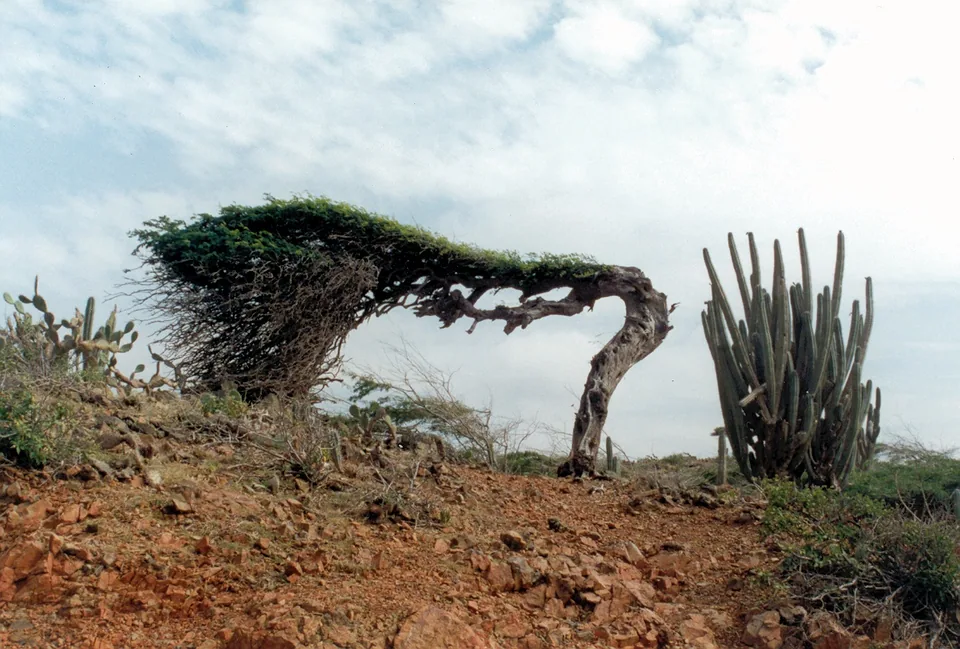
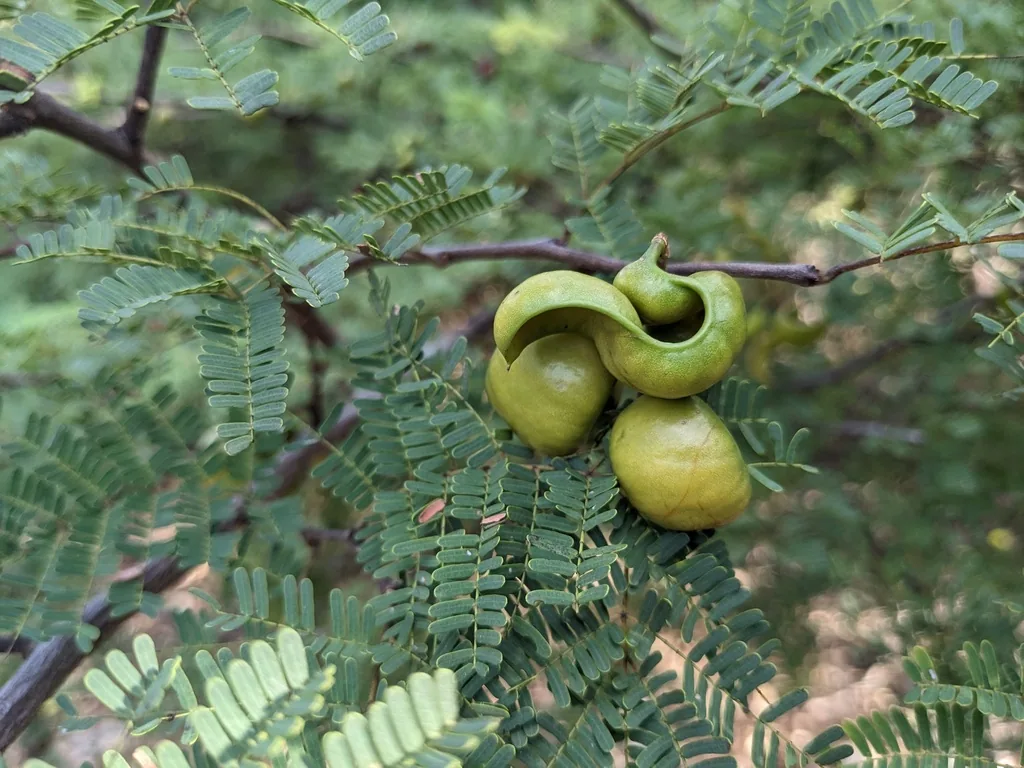
Divi-divi is a small unarmed tree or shrub of the tropical Americas, cultivated as an ornamental and for tannin-rich pods. [3] It needs full sun and frost-free conditions, and tolerates dry sites. [5][1]
This record is incomplete: the sources we read do not cover every field yet.
Not yet covered by our sources: Hardiness, warmest zone, Pruning, Propagation
Divi divi care
How to water Divi divi
Watering
Moderate water
What the sources say (1)
| Water Preference
| Moderate WaterWatering notes
Responds well to lots of water during the heat of the growing season
What the sources say (1)
It appreciates and responds well to lots of water during the heat of the growing seasonHow much light Divi divi needs
How much cold Divi divi can take
Hardiness, coldest zone
10 [winter low −1.1 to 4.4 °C (30 to 40 °F)]
What the sources say (1)
They are suited to outdoor gardens in U.S. Department of Agriculture winter hardiness zones 10 and warmer.Hardiness, warmest zone
Not stated in the sources we read.
Best soil for Divi divi
Soil pH, minimum
6.0
What the sources say (1)
Plant divi-divi in a sand or loam soil that is well-draining and is slightly acidic (pH between 6.0 and 7.0).Soil pH, maximum
7.0
What the sources say (1)
Plant divi-divi in a sand or loam soil that is well-draining and is slightly acidic (pH between 6.0 and 7.0).Where to grow Divi divi
Indoors
Yes
What the sources say (1)
Not tolerant of frosts, divi-divi trees are grown in tropical regions or as indoor potted bonsai specimens elsewhere.In containers
Yes
What the sources say (1)
Not tolerant of frosts, divi-divi trees are grown in tropical regions or as indoor potted bonsai specimens elsewhere.How to propagate Divi divi
Not stated in the sources we read.
Remedies
The sources we checked give no remedies for this plant.
Is Divi divi toxic to pets?
Reported by the source, quoted verbatim. This is not medical or veterinary advice: if a person or an animal may have eaten this plant, contact a poison control centre or a veterinarian.
Reportedly toxic to animals
[1]The source flags the risk for this animal but does not explain why.
Calendar
Pruning
Not stated in the sources we read.
Months as given by the sources, which are mostly from the United States (northern hemisphere). In the southern hemisphere they shift by about six months.
Indicative values
Values from a secondary source, not checked word for word like the rest of this page. Use them as a starting point.
- Life cycle
- PerennialIndicative value, adapt it to your climate · Secondary source
- Mature height
- 457.2-914.4 cm (15-30 ft)Indicative value, adapt it to your climate · Secondary source
- Hours of sun
- 6-8 hoursIndicative value, adapt it to your climate · Secondary source
- Care level
- MediumIndicative value, adapt it to your climate · Secondary source
- Growth rate
- LowIndicative value, adapt it to your climate · Secondary source
- Pruning
- May, March, April, May, June, July, August, September, December, January, March, April, May, June, July, August, September, MayIndicative value, adapt it to your climate · Secondary source
- Propagation
- Air Layering Propagation, Grafting Propagation, Cutting, Seed PropagationIndicative value, adapt it to your climate · Secondary source
Similar plants
- Pride of Barbados Caesalpinia pulcherrima
- Abies grandis Abies grandis
- Abraham Trachystemon orientalis
- Abyssinian banana Ensete ventricosum
- Acacia longifolia Acacia longifolia
- Acanthus hungaricus Acanthus hungaricus
- Aconite Aconitum napellus
- Adam's Needle Yucca flaccida
Sources
Every value above is quoted from these documents. Links lead to the original publisher.
- Libidibia coriaria | Plant Pono · plantpono.org, consulted
- NParks | Libidibia coriaria · nparks.gov.sg, consulted
- Flora Malesiana - Caesalpinioideae: Caesalpinia coriaria · caesalpinioideae.linnaeus.naturalis.nl, consulted
- Divi-Divi - Caesalpinia coriaria - THE OUTDOOR CIRCLE · outdoorcircle.org, consulted
- Information On Divi-Divi Trees · gardenguides.com, consulted
- PROSEA - Plant Resources of South East Asia · prosea.prota4u.org, consulted
- Caesalpinia croraria | Biodiversity at LUMS · biodiversity.lums.edu.pk, consulted
Written by Emilio Marruso · last checked