
How to Grow and Care for Cupid's dart
Catananche caerulea
Written by Emilio Marruso · last checked
Toxic to: Cats, Dogs, Horses, Birds · Why
At a glance
Growing cupid's dart can start with a handful of seeds: sow them indoors in late winter or outdoors in mid-spring. Give it loose, well-drained soil, and snip off the spent flowers as they fade. Later you can make more plants by dividing them or from root cuttings, and no toxic effects are reported for cats, dogs or horses.
- Soil
Loose, well-drained soil; it does poorly in wet, heavy clay
What the sources say (2)
Watering notes: Needs well-drained, loose soil; does poorly in wet, heavy clay soil
Cupid’s dart care begins with ideal conditions; full sun, well-drained soil, and soil that is loose and even a little sandy are recommended.
— Cupid’s Dart Plant Info: Tips For Growing Cupid’s Dart Flowers | Gardening Know How [2] It will not do well in soil that is too wet or heavy and clay based.
— Cupid’s Dart Plant Info: Tips For Growing Cupid’s Dart Flowers | Gardening Know How [2] - Spacing
18–24 in between plants
What the sources say (1)
Spacing: 45.7-61.0 cm (18-24 in)
Space Catananche 18 to 24 inches (45-61cm) apart.
— How to Grow Catananche - Cupid’s Dart [3] - Pruning
Cut off the flowers once they fade
What the sources say (1)
Pruning: After flowers are spent (deadheading)
Cut flowers back once spent to encourage more blooms but leave some in place for re-seeding.
— Cupid’s Dart Plant Info: Tips For Growing Cupid’s Dart Flowers | Gardening Know How [2] - Propagation
Grow new plants from seed, by dividing clumps or from root cuttings
What the sources say (3)
Propagation: Seed, division, root cuttings
The best way to propagate cupid’s dart is by seed.
— Cupid’s Dart Plant Info: Tips For Growing Cupid’s Dart Flowers | Gardening Know How [2] Catananche seeds germinate in about 21 days at 68°F (20°C). - Propagate Catananche by division. - Propagate by root cuttings in winter.
— How to Grow Catananche - Cupid’s Dart [3] Divide clumps every two years in early spring to keep plants vigorous.
— How to Grow Catananche - Cupid’s Dart [3] - Sowing
Sow indoors in late winter, or outdoors in mid-spring
What the sources say (4)
Sowing: Indoors in late winter; outdoors in mid-spring
indoors: Sow seed indoors in late winter for bloom the first year.
— How to Grow Catananche - Cupid’s Dart [3] outdoors: Sow seed outdoors where plants are to grow in mid-spring.
— How to Grow Catananche - Cupid’s Dart [3] Sow seed indoors in late winter for bloom the first year.
— How to Grow Catananche - Cupid’s Dart [3] Sow seed outdoors where plants are to grow in mid-spring.
— How to Grow Catananche - Cupid’s Dart [3] - Safety
No toxic effects reported for cats, dogs or horses
Overview
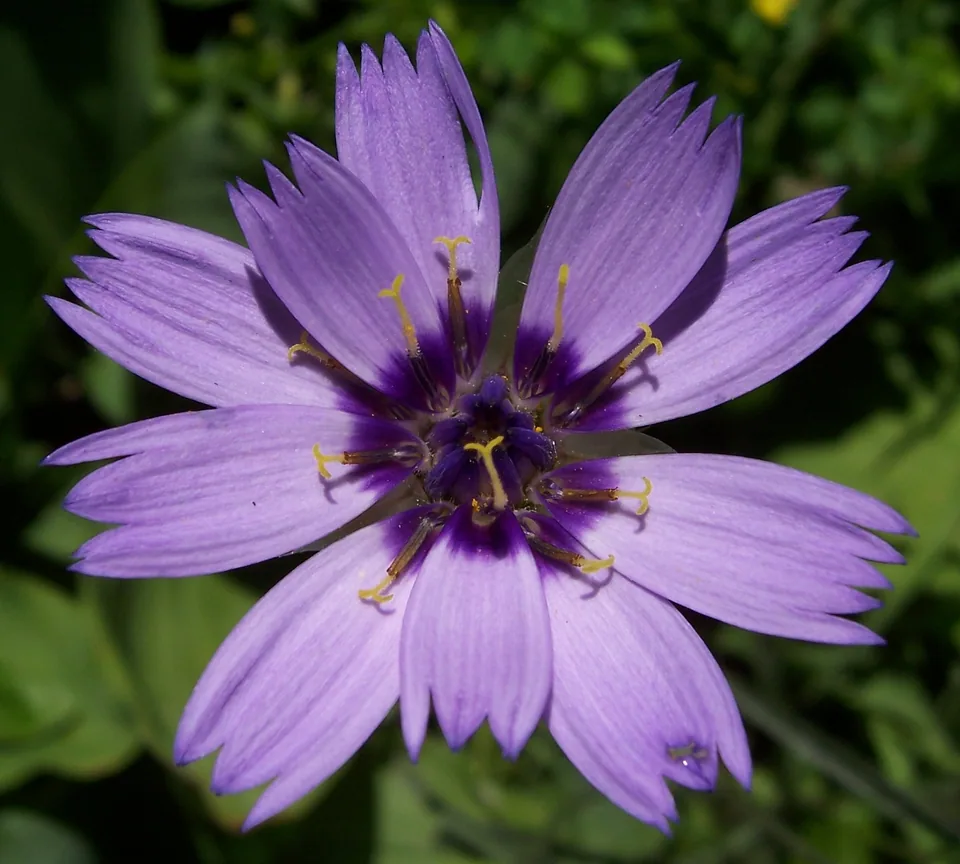
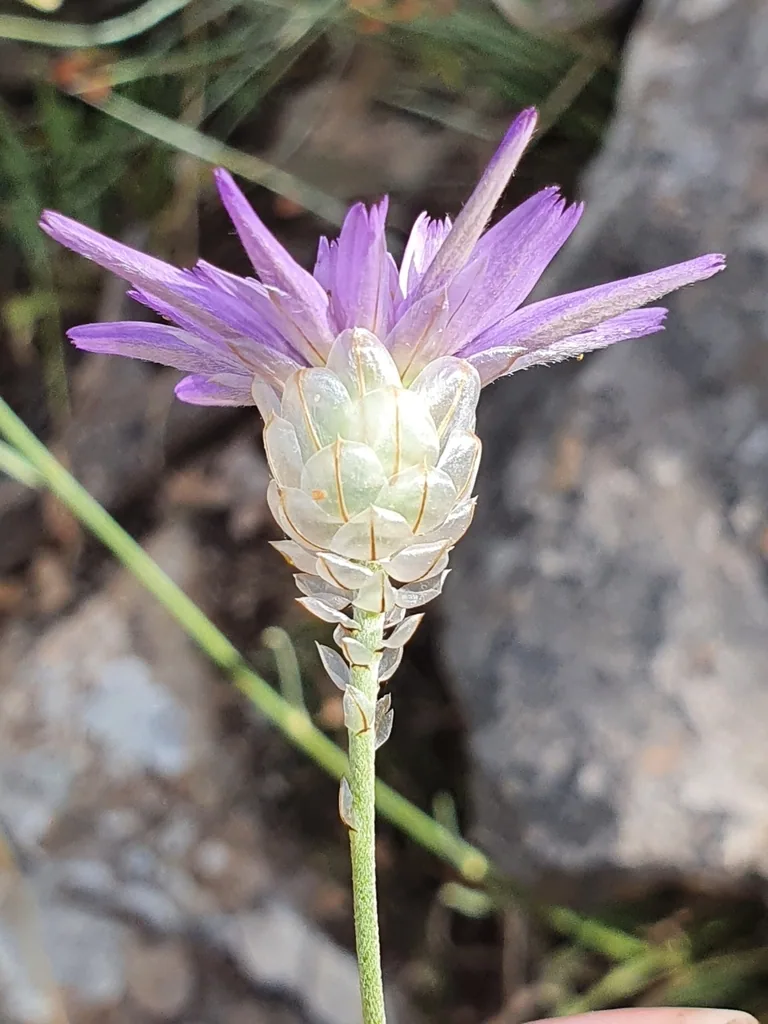
Catananche caerulea is a flowering perennial native to Europe with blue or lavender daisy-like flowers. [2] The flowers can be dried for winter decoration. [3]
Cupid's dart care
How to water Cupid's dart
Watering
The sources give different values depending on region, zone or growing conditions.
What each source says
According to Harvest to Table: Keep the soil evenly moist for best blooms
According to Gardening Know How: Avoid soil that is too wet or heavy
What the sources say (3)
According to Harvest to Table: Keep the soil evenly moist for best blooms.According to Gardening Know How: It will not do well in soil that is too wet or heavy and clay based.Keep the soil evenly moist for best blooms.Watering notes
Needs well-drained, loose soil; does poorly in wet, heavy clay soil
What the sources say (2)
Cupid’s dart care begins with ideal conditions; full sun, well-drained soil, and soil that is loose and even a little sandy are recommended.It will not do well in soil that is too wet or heavy and clay based.How much light Cupid's dart needs
The sources give different values depending on region, zone or growing conditions.
What each source says
According to Gardeners World: Full sun
According to Harvest to Table: Full sun or very light shade
What the sources say (4)
According to Gardeners World: Grow Catananche caerulea in full sun in well-drained soil, such as a mixed herbaceous border or gravel garden.According to Harvest to Table: Grow Catananche in full sun or very light shade.
- Catananche grows best in humus-rich, well-drained soil.Grow Catananche caerulea in full sun in well-drained soil, such as a mixed herbaceous border or gravel garden.Cupid’s dart care begins with ideal conditions; full sun, well-drained soil, and soil that is loose and even a little sandy are recommended.How much cold Cupid's dart can take
Hardiness, coldest zone
The sources give different values depending on region, zone or growing conditions.
What each source says
According to Gardening Know How: 4-7 [winter low −34.4 to −12.2 °C (−30 to 10 °F)]
According to Harvest to Table: 3-8 [winter low −40 to −6.7 °C (−40 to 20 °F)]
What the sources say (2)
According to Gardening Know How: This plant does best in USDA zones 4 through 7.According to Harvest to Table: Growing zones and range: Zones 3 to 8Hardiness, warmest zone
The sources give different values depending on region, zone or growing conditions.
What each source says
According to Gardening Know How: 4-7 [winter low −34.4 to −12.2 °C (−30 to 10 °F)]
According to Harvest to Table: 3-8 [winter low −40 to −6.7 °C (−40 to 20 °F)]
What the sources say (2)
According to Gardening Know How: This plant does best in USDA zones 4 through 7.According to Harvest to Table: Growing zones and range: Zones 3 to 8Where to grow Cupid's dart
45.7-61.0 cm (18-24 in)
What the sources say (1)
Space Catananche 18 to 24 inches (45-61cm) apart.How to propagate Cupid's dart
Seed, division, root cuttings
What the sources say (3)
The best way to propagate cupid’s dart is by seed.Catananche seeds germinate in about 21 days at 68°F (20°C).
- Propagate Catananche by division.
- Propagate by root cuttings in winter.Divide clumps every two years in early spring to keep plants vigorous.Remedies
The sources we checked give no remedies for this plant.
Is Cupid's dart toxic to pets?
Reported by the source, quoted verbatim. This is not medical or veterinary advice: if a person or an animal may have eaten this plant, contact a poison control centre or a veterinarian.
Catananche ‘Caerulea’ has no toxic effects reported. No reported toxicity to: Is not known to attract Birds Birds Is not known to attract Cats
[1]The source flags the risk for this animal but does not explain why.
Catananche ‘Caerulea’ has no toxic effects reported. No reported toxicity to: Is not known to attract Birds Birds Is not known to attract Cats Cats Is not known to attract Dogs
[1]The source flags the risk for this animal but does not explain why.
Catananche ‘Caerulea’ has no toxic effects reported. No reported toxicity to: Is not known to attract Birds Birds Is not known to attract Cats Cats Is not known to attract Dogs Dogs Is not known to attract Horses
[1]The source flags the risk for this animal but does not explain why.
Catananche ‘Caerulea’ has no toxic effects reported. No reported toxicity to: Is not known to attract Birds
[1]The source flags the risk for this animal but does not explain why.
Calendar
Sowing
Indoors in late winter; outdoors in mid-spring
What each source says
indoors: Late winter
outdoors: Mid-spring
What the sources say (4)
indoors: Sow seed indoors in late winter for bloom the first year.outdoors: Sow seed outdoors where plants are to grow in mid-spring.Sow seed indoors in late winter for bloom the first year.Sow seed outdoors where plants are to grow in mid-spring.Planting
The sources give different values depending on region, zone or growing conditions.
What each source says
According to Harvest to Table: Spring, after the last frost
According to Gardeners World: May-June
What the sources say (3)
According to Harvest to Table: Set container-grown plants in the garden in spring after the last frost.According to Gardeners World: | Plant | | | | | yes | yes |Set container-grown plants in the garden in spring after the last frost.Pruning
After flowers are spent (deadheading)
What the sources say (1)
Cut flowers back once spent to encourage more blooms but leave some in place for re-seeding.Months as given by the sources, which are mostly from the United States (northern hemisphere). In the southern hemisphere they shift by about six months.
Similar plants
- Aaron's Beard Hypericum calycinum
- Abies grandis Abies grandis
- Abraham Trachystemon orientalis
- Abyssinian banana Ensete ventricosum
- Acacia longifolia Acacia longifolia
- Acacia retinodes Acacia retinodes
- Acanthus hungaricus Acanthus hungaricus
- Achlys triphylla Achlys triphylla
Sources
Every value above is quoted from these documents. Links lead to the original publisher.
- Catananche caerulea | BBC Gardeners World Magazine · gardenersworld.com, consulted
- Cupid’s Dart Plant Info: Tips For Growing Cupid’s Dart Flowers | Gardening Know How · gardeningknowhow.com, consulted
- How to Grow Catananche - Cupid’s Dart · harvesttotable.com, consulted
Written by Emilio Marruso · last checked