
How to Grow and Care for Chenopodium giganteum
Chenopodium giganteum
Written by Emilio Marruso · last checked
Toxic to: People · Why
At a glance
This plant earns its place in the vegetable garden: its leaves are of excellent quality and stand in for spinach, and its cooked seeds can be ground into flour for bread. Sow it outdoors in spring right where it will grow, give it full sun and plenty of water, and keep the soil well drained.
- Sun
Full sun
What the sources say (2)
Light: Full sun
Light Preference | Full Sun | Water Preference | Lots of Water, Moderate Water
— NParks | Chenopodium giganteum [5] An easily grown plant, succeeding in most soils but disliking shade [1] [6] . It prefers a moderately fertile soil [6] .
— Tree Spinach (Chenopodium giganteum) — Practical Plants [2] - Water
Moderate to plenty of water; it can't stand drought
What the sources say (6)
Watering: Moderate to lots of water
According to NParks: Light Preference | Full Sun | Water Preference | Lots of Water, Moderate Water
— NParks | Chenopodium giganteum [5] According to Practical Plants: Light full sun Shade tolerance no shade Water moderate
— Tree Spinach (Chenopodium giganteum) — Practical Plants [2] Light Preference | Full Sun | Water Preference | Lots of Water, Moderate Water
— NParks | Chenopodium giganteum [5] Light full sun Shade tolerance no shade Water moderate
— Tree Spinach (Chenopodium giganteum) — Practical Plants [2] Watering notes: Well-drained soils; drought intolerant
Water Preference | Lots of Water, Moderate Water | Rootzone Tolerance | Well-Drained Soils
— NParks | Chenopodium giganteum [5] Soil pH acid, neutral, alkaline Tolerates Nutritionally Poor Soil No Drought intolerant
— Tree Spinach (Chenopodium giganteum) — Practical Plants [2] - Soil
Well-drained soil
What the sources say (2)
Watering notes: Well-drained soils; drought intolerant
Water Preference | Lots of Water, Moderate Water | Rootzone Tolerance | Well-Drained Soils
— NParks | Chenopodium giganteum [5] Soil pH acid, neutral, alkaline Tolerates Nutritionally Poor Soil No Drought intolerant
— Tree Spinach (Chenopodium giganteum) — Practical Plants [2] - Harvest
Leaves replace spinach, raw only in small amounts; cooked seeds are ground into flour for bread
- Propagation
By seed
What the sources say (1)
Propagation: Seed
Seed - sow spring in situ. Most of the seed usually germinates within a few days of sowing.
— Tree Spinach (Chenopodium giganteum) — Practical Plants [2] - Sowing
Sow in spring, right where it will grow
What the sources say (1)
Sowing: Spring, in situ
Seed - sow spring in situ. Most of the seed usually germinates within a few days of sowing.
— Chenopodium giganteum - Useful Temperate Plants [1] - Safety
Take care if you have arthritis, gout, rheumatism or kidney stones: eating it can make them worse
Overview
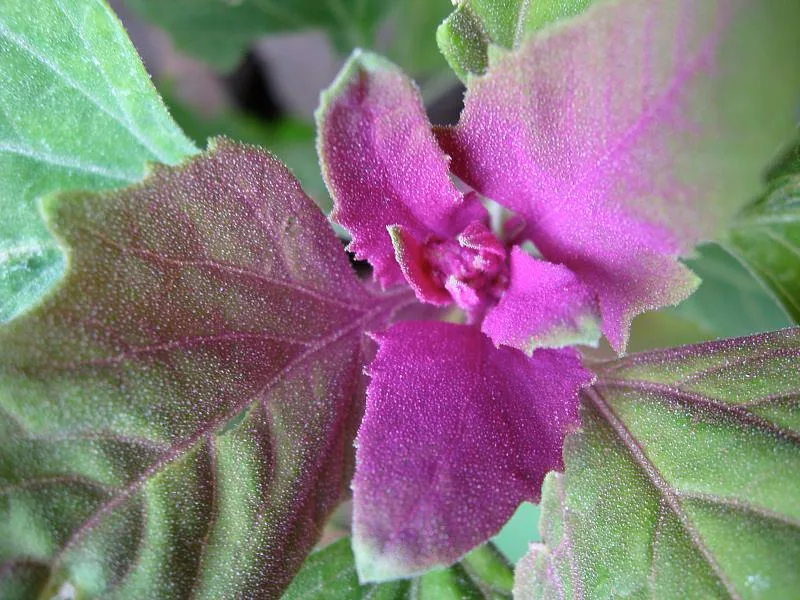
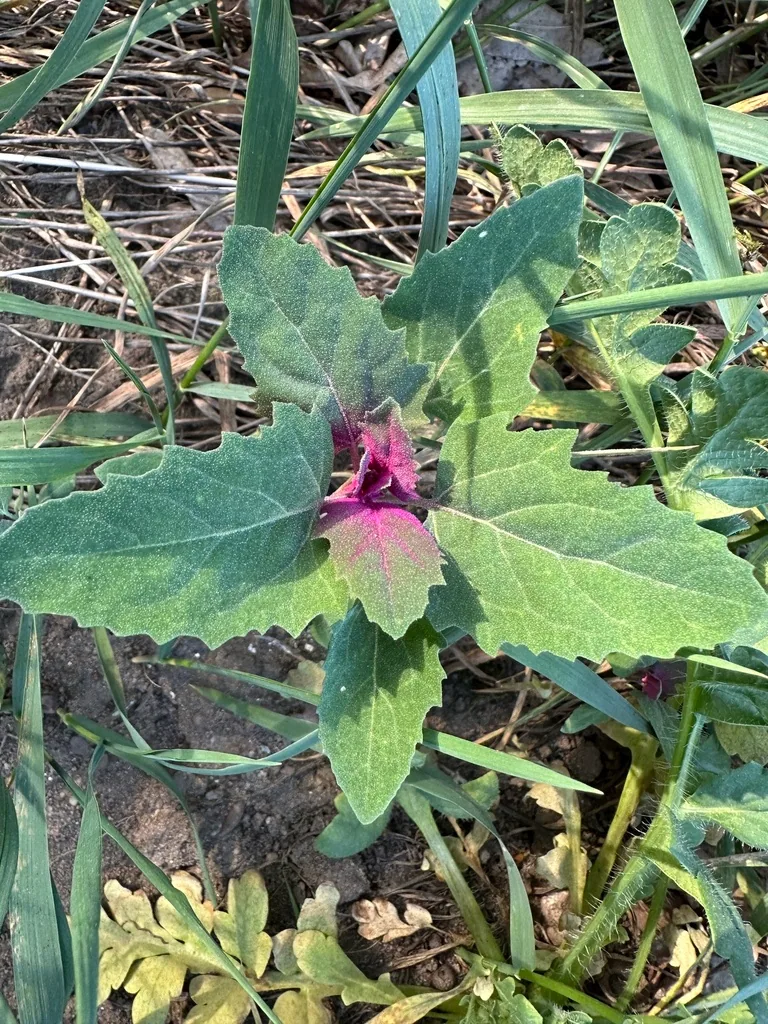
Chenopodium giganteum is an erect, much branched annual that grows 1-3 m [3.3–9.8 ft] tall. [1] It is harvested from the wild and sometimes cultivated for its edible leaves and seeds; it is an easily grown plant that dislikes shade. [1][2] In the Mediterranean it is naturalised as a weed of gardens, harbours and roadsides. [4]
This record is incomplete: the sources we read do not cover every field yet.
Not yet covered by our sources: Harvest, Spacing
Chenopodium giganteum care
Measurements in square brackets are our conversion into the other unit system; the quoted text is unchanged.
How to water Chenopodium giganteum
Watering
Moderate to lots of water
What each source says
According to NParks: Lots of water, moderate water
According to Practical Plants: Moderate
What the sources say (4)
According to NParks: Light Preference
| Full Sun
| Water Preference
| Lots of Water, Moderate WaterAccording to Practical Plants: Light
full sun
Shade tolerance
no shade
Water
moderateLight Preference
| Full Sun
| Water Preference
| Lots of Water, Moderate WaterLight
full sun
Shade tolerance
no shade
Water
moderateWatering notes
Well-drained soils; drought intolerant
How much light Chenopodium giganteum needs
Full sun
What the sources say (2)
Light Preference
| Full Sun
| Water Preference
| Lots of Water, Moderate WaterAn easily grown plant, succeeding in most soils but disliking shade [1] [6] . It prefers a moderately fertile soil [6] .Where to grow Chenopodium giganteum
Not stated in the sources we read.
How to propagate Chenopodium giganteum
Seed
What the sources say (1)
Seed - sow spring in situ. Most of the seed usually germinates within a few days of sowing.Remedies
Each remedy shows what official sources say about it; traditional remedies without an official source are marked as such. Harmful ones are listed so you know to avoid them.
Getting rid of it
unwanted self-sown seedlings
digging up misplaced seedlings Not verified
Traditional remedy, not verified by an official source.
How: Dig up seedlings that come up in the wrong place and move them or give them away.
self-seeding
removing plants before they set seed Not verified
Traditional remedy, not verified by an official source.
How: Remove the plants at the end of the summer to prevent them from self-seeding.
Is Chenopodium giganteum poisonous?
Reported by the source, quoted verbatim. This is not medical or veterinary advice: if a person or an animal may have eaten this plant, contact a poison control centre or a veterinarian.
People with a tendency to rheumatism, arthritis, gout, kidney stones or hyperacidity should take especial caution if including this plant in their diet since it can aggravate their condition [7] .
[2]
Calendar
Sowing
Spring, in situ
What the sources say (1)
Seed - sow spring in situ. Most of the seed usually germinates within a few days of sowing.Harvest
Not stated in the sources we read.
Months as given by the sources, which are mostly from the United States (northern hemisphere). In the southern hemisphere they shift by about six months.
Edibility
Reported by the source, quoted verbatim. Do not eat a plant on the basis of this page alone: identification mistakes can be dangerous.
Similar plants
- Lamb's-quarters Chenopodium album
- Pitseed goosefoot Chenopodium berlandieri
- Quinoa Chenopodium quinoa
- Abies grandis Abies grandis
- Abraham Trachystemon orientalis
- Abyssinian banana Ensete ventricosum
- Acacia longifolia Acacia longifolia
- Acanthus hungaricus Acanthus hungaricus
Sources
Every value above is quoted from these documents. Links lead to the original publisher.
- Chenopodium giganteum - Useful Temperate Plants · temperate.theferns.info, consulted
- Tree Spinach (Chenopodium giganteum) — Practical Plants · practicalplants.org, consulted
- Flora of New Zealand | Taxon Profile | Chenopodium giganteum · nzflora.info, consulted
- · cretanflora.com, consulted
- NParks | Chenopodium giganteum · nparks.gov.sg, consulted
Written by Emilio Marruso · last checked