
How to Grow and Care for Pasture Thistle
Cirsium pumilum
Written by Emilio Marruso · last checked
At a glance
Looking for an easy plant for a sunny, dry corner? This thistle from the daisy family loves full sun, tolerates drought and actually prefers dry, well-drained soil, so you won't be stuck with a hose in hand. It grows 1 to 3 feet tall and starts from seed, a simple and rewarding way to bring something different into your garden.
- Sun
Full sun
What the sources say (1)
Light: Full sun
Light: Full sun (6 or more hours of direct sunlight a day)
— Cirsium pumilum (Fragrant Thistle, Pasture Thistle) | North Carolina Extension Gardener Plant Toolbox [1] - Water
Handles drought well; water little
What the sources say (1)
Watering: Drought tolerant; prefers dry, well-drained soils
It is drought tolerant and prefers full sun and dry, well-drained soils.
— Cirsium pumilum (Fragrant Thistle, Pasture Thistle) | North Carolina Extension Gardener Plant Toolbox [1] - Cold
Survives winters down to −40 °F (−40 °C)
Very hardy · USDA 3a · RHS H7 · Z3
What the sources say (2)
Hardiness, coldest zone: 3a [winter low −40 to −37.2 °C (−40 to −35 °F)]
USDA Plant Hardiness Zone: 3a, 3b, 4a, 4b, 5a, 5b, 6a, 6b, 7a, 7b, 8a, 8b
— Cirsium pumilum (Fragrant Thistle, Pasture Thistle) | North Carolina Extension Gardener Plant Toolbox [1] Hardiness, warmest zone: 8b [winter low −9.4 to −6.7 °C (15 to 20 °F)]
USDA Plant Hardiness Zone: 3a, 3b, 4a, 4b, 5a, 5b, 6a, 6b, 7a, 7b, 8a, 8b
— Cirsium pumilum (Fragrant Thistle, Pasture Thistle) | North Carolina Extension Gardener Plant Toolbox [1] - Soil
Dry soil that drains well
What the sources say (1)
Watering: Drought tolerant; prefers dry, well-drained soils
It is drought tolerant and prefers full sun and dry, well-drained soils.
— Cirsium pumilum (Fragrant Thistle, Pasture Thistle) | North Carolina Extension Gardener Plant Toolbox [1] - Size
1 to 3 ft tall
What the sources say (1)
Mature height: 30.48-91.44 cm (1 to 3 feet)
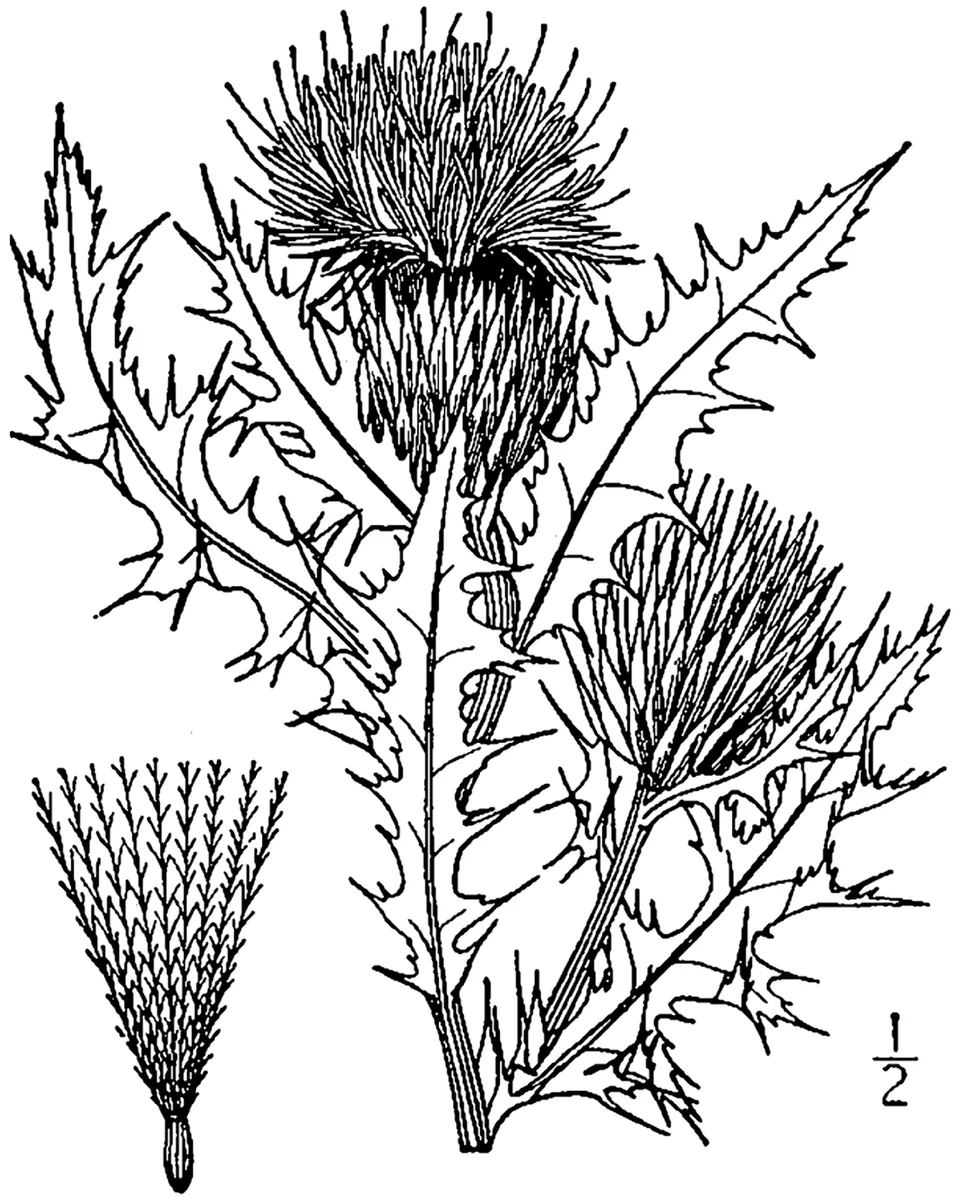
The plant grows 1 to 3 feet tall with clasping leaves that are 12 inches long with slender stout spines.
— Cirsium pumilum (Fragrant Thistle, Pasture Thistle) | North Carolina Extension Gardener Plant Toolbox [1] - Propagation
Grows from seed
What the sources say (1)
Propagation: Seed
Recommended Propagation Strategy: Seed
— Cirsium pumilum (Fragrant Thistle, Pasture Thistle) | North Carolina Extension Gardener Plant Toolbox [1]
Overview
Pasture thistle is a native biennial or monocarpic perennial herb of the northeastern and north central United States. [1] It is drought tolerant and prefers full sun and dry, well-drained soils. [1] It is grown in meadow and naturalized areas and is valued as a nectar plant. [1]
This record is incomplete: the sources we read do not cover every field yet.
Not yet covered by our sources: Pruning
Pasture Thistle care
How to water Pasture Thistle
Drought tolerant; prefers dry, well-drained soils
What the sources say (1)
It is drought tolerant and prefers full sun and dry, well-drained soils.How much light Pasture Thistle needs
Full sun
What the sources say (1)
Light: Full sun (6 or more hours of direct sunlight a day)How much cold Pasture Thistle can take
Hardiness, coldest zone
3a [winter low −40 to −37.2 °C (−40 to −35 °F)]
What the sources say (1)
USDA Plant Hardiness Zone: 3a, 3b, 4a, 4b, 5a, 5b, 6a, 6b, 7a, 7b, 8a, 8bHardiness, warmest zone
8b [winter low −9.4 to −6.7 °C (15 to 20 °F)]
What the sources say (1)
USDA Plant Hardiness Zone: 3a, 3b, 4a, 4b, 5a, 5b, 6a, 6b, 7a, 7b, 8a, 8bHow to propagate Pasture Thistle
Seed
What the sources say (1)
Recommended Propagation Strategy: SeedHow to grow Pasture Thistle
The plant
Life cycle
The sources disagree:
Family
Asteraceae (daisy family)
What the sources say (1)
Pasture Thistle is a native biennial or monocarpic perennial herb in the Asteraceae (daisy) family found in the northeastern and north central United States and the Canadian Province of Ontario.Mature height
30.48-91.44 cm (1 to 3 feet)
What the sources say (1)
The plant grows 1 to 3 feet tall with clasping leaves that are 12 inches long with slender stout spines.Remedies
The sources we checked give no remedies for this plant.
Calendar
Pruning
Not stated in the sources we read.
Months as given by the sources, which are mostly from the United States (northern hemisphere). In the southern hemisphere they shift by about six months.
Indicative values
Values from a secondary source, not checked word for word like the rest of this page. Use them as a starting point.
- Drought tolerant
- yesIndicative value, adapt it to your climate · Secondary source
- Soil pH
- 6-7.5Indicative value, adapt it to your climate · Secondary source
- Care level
- MediumIndicative value, adapt it to your climate · Secondary source
- Growth rate
- LowIndicative value, adapt it to your climate · Secondary source
- Pruning
- March, April, MayIndicative value, adapt it to your climate · Secondary source
Similar plants
- Bull Thistle Cirsium vulgare
- Field Thistle Cirsium discolor
- Purple Thistle Cirsium horridulum
- Swamp Thistle Cirsium muticum
- Tall Thistle Cirsium altissimum
- Thistle Cirsium arvense
- Abies grandis Abies grandis
- Abraham Trachystemon orientalis
Sources
Every value above is quoted from these documents. Links lead to the original publisher.
- Cirsium pumilum (Fragrant Thistle, Pasture Thistle) | North Carolina Extension Gardener Plant Toolbox · plants.ces.ncsu.edu, consulted
- Pasture thistle - Cooperative Extension: Maine Wild Blueberries - University of Maine Cooperative Extension · extension.umaine.edu, consulted
Written by Emilio Marruso · last checked