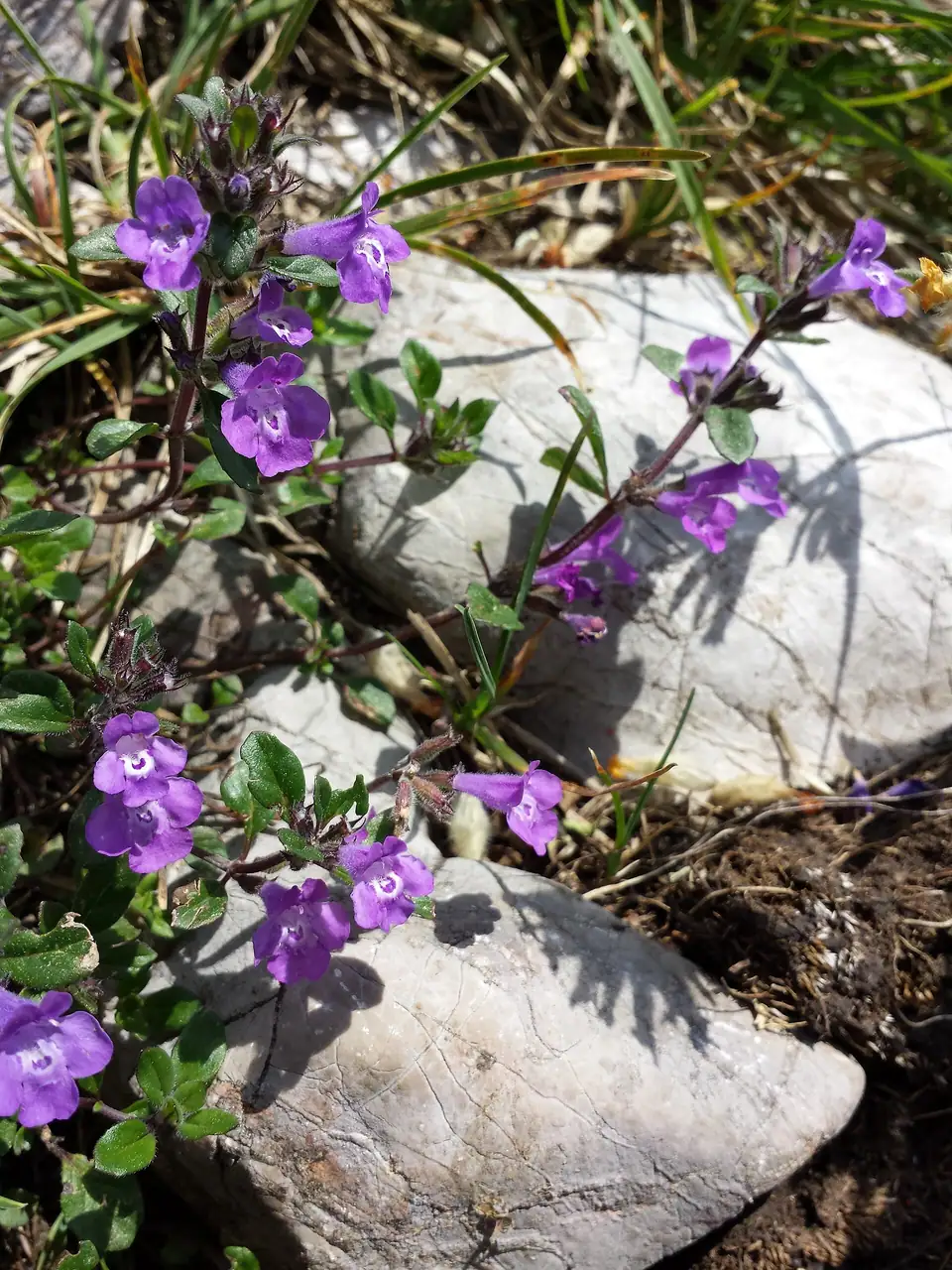
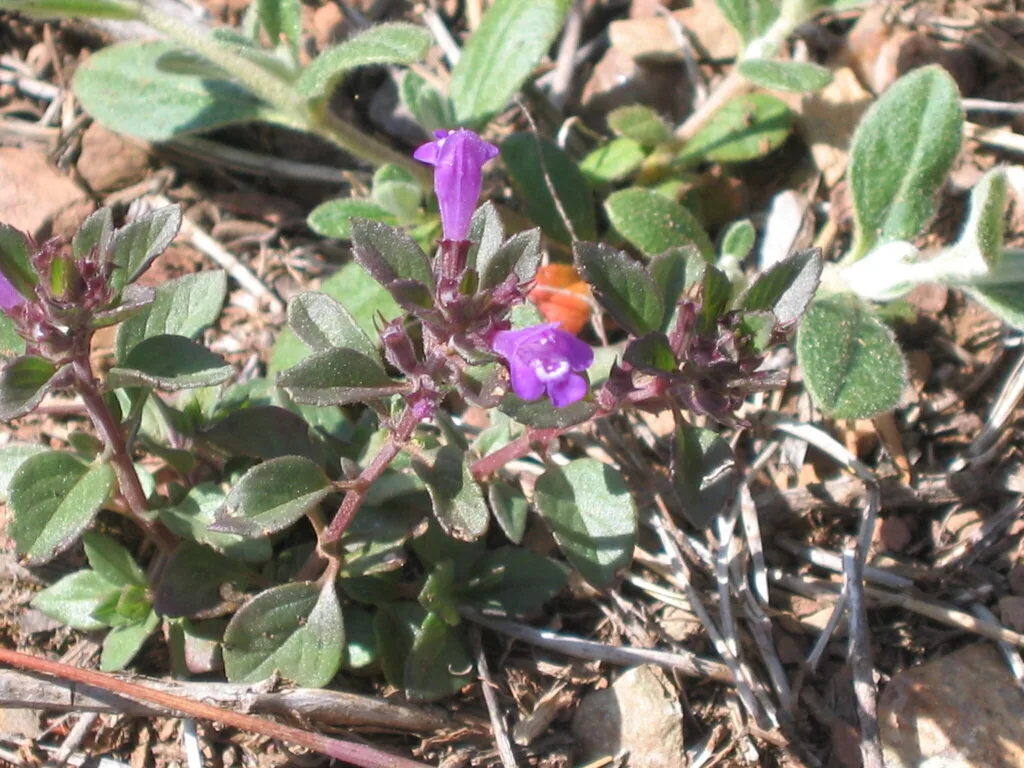

How to Grow and Care for Clinopodium alpinum
Clinopodium alpinum
Written by Emilio Marruso · last checked
At a glance
Alpine calamint is an easygoing plant for a sunny spot: it copes well with drought and asks only for well-drained soil and shelter from winter wet. Its leaves add flavor to cooked dishes, a small reward for very little care. You can grow more plants from seed in spring or from cuttings in late summer.
- Sun
Sunny spot
- Water
Copes well with drought; protect it from winter wet
What the sources say (3)
Watering: Copes well with drought
in fast-draining sunny locations. Alpine Calamint copes well with both drought and frost.
— Clinopodium alpinum, Rock Thyme or Alpine Calamint: identification [2] - Soil
Well-drained soil
What the sources say (2)
- Harvest
The leaves add flavor to cooked dishes
- Propagation
From seed in spring or from cuttings in late summer
Overview
Alpine calamint is a low evergreen perennial of rocky alpine slopes in central and southern Europe, popular in rock gardens. [2] It tolerates drought and frost and grows in fast-draining sunny sites. [2] Its young leaves are used for tea and to flavour foods. [2]
This record is incomplete: the sources we read do not cover every field yet.
Not yet covered by our sources: Hardiness, coldest zone, Hardiness, warmest zone, Pruning
Clinopodium alpinum care
How to water Clinopodium alpinum
Watering
Copes well with drought
What the sources say (1)
in fast-draining sunny locations. Alpine Calamint copes well with both drought and frost.Watering notes
Well-drained soil; protection against winter wet
How much light Clinopodium alpinum needs
How much cold Clinopodium alpinum can take
Hardiness, coldest zone
Not stated in the sources we read.
Hardiness, warmest zone
Not stated in the sources we read.
How to propagate Clinopodium alpinum
Remedies
The sources we checked give no remedies for this plant.
Calendar
Pruning
Not stated in the sources we read.
Months as given by the sources, which are mostly from the United States (northern hemisphere). In the southern hemisphere they shift by about six months.
Edibility
Reported by the source, quoted verbatim. Do not eat a plant on the basis of this page alone: identification mistakes can be dangerous.
The leaves are used as a flavouring in cooked dishes
[1]
Similar plants
- Calamint Clinopodium nepeta
- Wild basil Clinopodium vulgare
- Aaron's Beard Hypericum calycinum
- Abies grandis Abies grandis
- Abraham Trachystemon orientalis
- Abyssinian banana Ensete ventricosum
- Acacia longifolia Acacia longifolia
- Acacia retinodes Acacia retinodes
Sources
Every value above is quoted from these documents. Links lead to the original publisher.
- Clinopodium alpinum - Useful Temperate Plants · temperate.theferns.info, consulted
- Clinopodium alpinum, Rock Thyme or Alpine Calamint: identification · first-nature.com, consulted
- Clinopodium alpinum (L.) Kuntze · flora.kadel.cz, consulted
- How to Grow and Care for Calamint | Gardener’s Path · gardenerspath.com, consulted
Written by Emilio Marruso · last checked