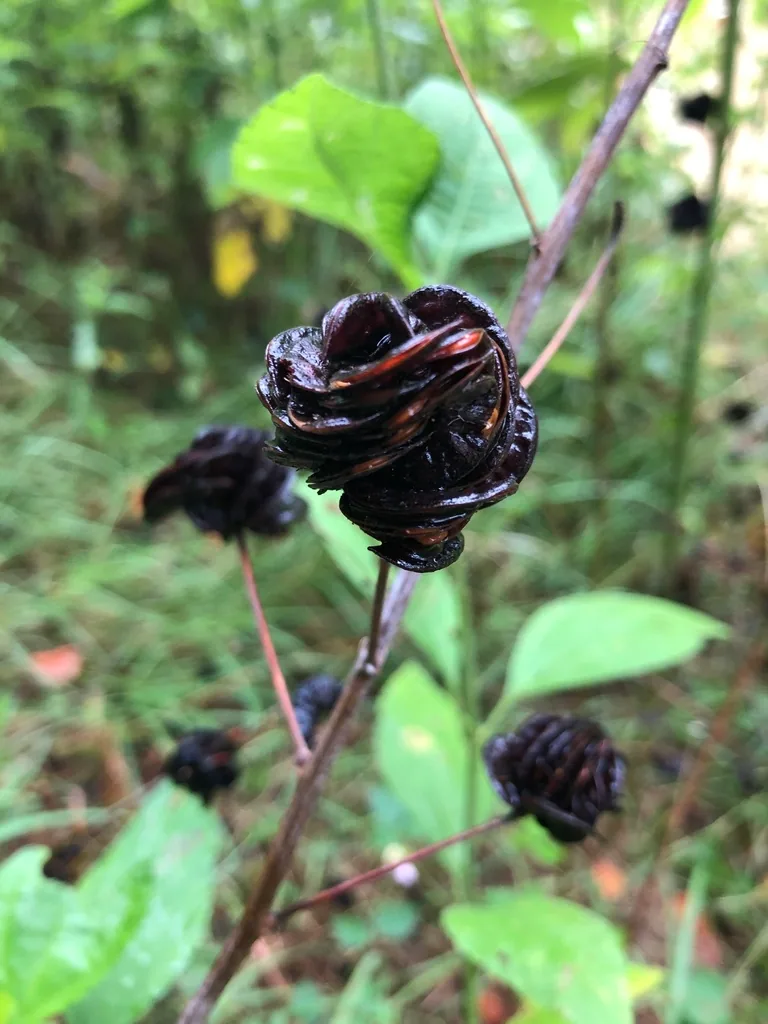
How to Grow and Care for Illinois bundleflower
Desmanthus illinoensis
Written by Emilio Marruso · last checked
At a glance
Illinois bundleflower is an easygoing perennial that thrives in full sun to part shade and, once established, shrugs off dry spells. Sow the seeds in spring, set plants out in early summer, and watch them grow up to 51 inches tall. As a bonus, the cooked seeds are edible and rich in protein.
- Sun
Full sun to part shade
- Water
Moist but well-drained soil; once established it handles drought very well
What the sources say (2)
- Planting
Plant out in early summer
What the sources say (1)
Planting: Early summer
plant them out into their permanent positions in early summer
— Desmanthus illinoensis - Useful Temperate Plants [2] - Harvest
The seeds are edible cooked: rich in protein, but not much flavor
- Watch out
In the right spot it can self-sow so much it becomes a nuisance
- Size
Up to 51 inches tall
What the sources say (1)
Mature height: up to 129.54 cm (4.25 ft)
Soil & Plant Characteristics Acceptable Soil Types: Clay, Loam, Sand, Gravel Acceptable Soil Conditions: Acidic Max Plant Height (in ft): 4.25
— danielle_test | USU [1] - Propagation
Grow new plants from seed
What the sources say (1)
Propagation: Seed
Seed - pre-soak for 12 hours in warm water and then sow in a cold frame in the spring.
— Desmanthus illinoensis - Useful Temperate Plants [2] - Sowing
Sow in spring in a cold frame, or outdoors in the ground in mid to late spring
Overview
Illinois bundleflower is a herbaceous perennial legume native to the prairies of North America. [2] It grows best in moist but well-drained soil in full sun, and established plants are very drought tolerant. [2]
This record is incomplete: the sources we read do not cover every field yet.
Not yet covered by our sources: Hardiness, coldest zone, Hardiness, warmest zone, Pruning
Illinois bundleflower care
How to water Illinois bundleflower
How much light Illinois bundleflower needs
How much cold Illinois bundleflower can take
Hardiness, coldest zone
Not stated in the sources we read.
Hardiness, warmest zone
Not stated in the sources we read.
How to propagate Illinois bundleflower
Seed
What the sources say (1)
Seed - pre-soak for 12 hours in warm water and then sow in a cold frame in the spring.How to grow Illinois bundleflower
The plant
Life cycle
perennial
What the sources say (1)
Illinois Bundleflower
Desmanthus Illinoensis
Plant type: Forb, Herb
Growing Season: Warm
Life Cycle: PerennialMature height
up to 129.54 cm (4.25 ft)
What the sources say (1)
Soil & Plant Characteristics
Acceptable Soil Types: Clay, Loam, Sand, Gravel
Acceptable Soil Conditions: Acidic
Max Plant Height (in ft): 4.25Illinois bundleflower pests and problems
Self-sowing
Symptom: In favourable situations the plant can self-sow to the point of nuisance
What the sources say (1)
In favourable situations this plant can self-sow to the point of nuisance
— Desmanthus illinoensis - Useful Temperate Plants [2]
Remedies
The sources we checked give no remedies for this plant.
Calendar
Planting
Early summer
What the sources say (1)
plant them out into their permanent positions in early summerPruning
Not stated in the sources we read.
Months as given by the sources, which are mostly from the United States (northern hemisphere). In the southern hemisphere they shift by about six months.
Edibility
Reported by the source, quoted verbatim. Do not eat a plant on the basis of this page alone: identification mistakes can be dangerous.
Seed - cooked. Rich in protein but without much flavour
[2]
Indicative values
Values from a secondary source, not checked word for word like the rest of this page. Use them as a starting point.
- Hours of sun
- 4-6 hoursIndicative value, adapt it to your climate · Secondary source
- Drought tolerant
- yesIndicative value, adapt it to your climate · Secondary source
- Soil pH
- 6-7.5Indicative value, adapt it to your climate · Secondary source
- USDA hardiness zones
- 5-8 [winter low −28.9 to −6.7 °C (−20 to 20 °F)]Indicative value, adapt it to your climate · Secondary source
- Care level
- MediumIndicative value, adapt it to your climate · Secondary source
- Growth rate
- LowIndicative value, adapt it to your climate · Secondary source
- Pruning
- March, April, MayIndicative value, adapt it to your climate · Secondary source
Similar plants
- Abies grandis Abies grandis
- Abraham Trachystemon orientalis
- Abyssinian banana Ensete ventricosum
- Acacia longifolia Acacia longifolia
- Acanthus hungaricus Acanthus hungaricus
- Achlys triphylla Achlys triphylla
- Aconite Aconitum napellus
- Adam's Needle Yucca flaccida
Sources
Every value above is quoted from these documents. Links lead to the original publisher.
- danielle_test | USU · extension.usu.edu, consulted
- Desmanthus illinoensis - Useful Temperate Plants · temperate.theferns.info, consulted
- Desmanthus illinoensis (Prairie Mimosa): Minnesota Wildflowers · minnesotawildflowers.info, consulted
Written by Emilio Marruso · last checked