
How to Grow and Care for Annual wallrocket
Diplotaxis muralis
Written by Emilio Marruso · last checked
At a glance
Wall rocket is a cheerful little plant for a sunny, dry corner of the garden. Sow the seeds right where you want them to grow, as soon as they ripen or in spring, and give it full sun, since it will not grow in shade. Pick the leaves to eat raw: finely chopped, a small handful adds flavor to salads and cooked dishes.
- Sun
Full sun; it will not grow in shade
- Water
Likes dry soil, so go easy on the water
What the sources say (1)
Watering notes: Prefers dry soils
Wall Rocket prefers dry soils and dislikes shade.
— Wall Rocket | Diplotaxis muralis [3] - Cold
Survives winters down to −10 °F (−23.3 °C)
Very hardy · USDA 6 · RHS H7 · Z6
What the sources say (2)
Hardiness, coldest zone: 6 [winter low −23.3 to −17.8 °C (−10 to 0 °F)]
Hardiness Zones: USDA 6-9. UK 7. It is not frost tender.
— Wall Rocket | Diplotaxis muralis [3] Hardiness, warmest zone: 9 [winter low −6.7 to −1.1 °C (20 to 30 °F)]
Hardiness Zones: USDA 6-9. UK 7. It is not frost tender.
— Wall Rocket | Diplotaxis muralis [3] - Harvest
Eat the leaves raw, finely chopped in salads, or use them to flavor cooked dishes
- Propagation
Grows from seed sown right where the plant will grow
What the sources say (1)
Propagation: Seed, sown in situ
Seed is best sown in situ as soon as it is ripe, though it can also be sown in situ in the spring.
— Wall Rocket | Diplotaxis muralis [3] - Sowing
Sow in place as soon as the seed is ripe, or in spring
What the sources say (1)
Sowing: Sow in situ as soon as the seed is ripe, or in spring
Seed is best sown in situ as soon as it is ripe, though it can also be sown in situ in the spring.
— Wall Rocket | Diplotaxis muralis [3]
Overview
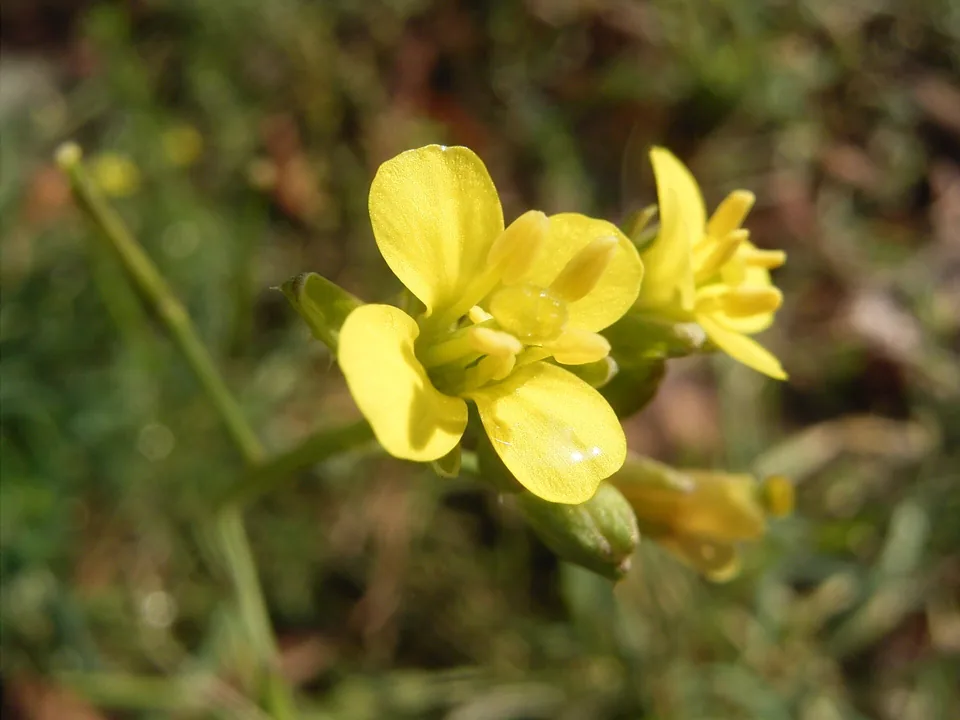
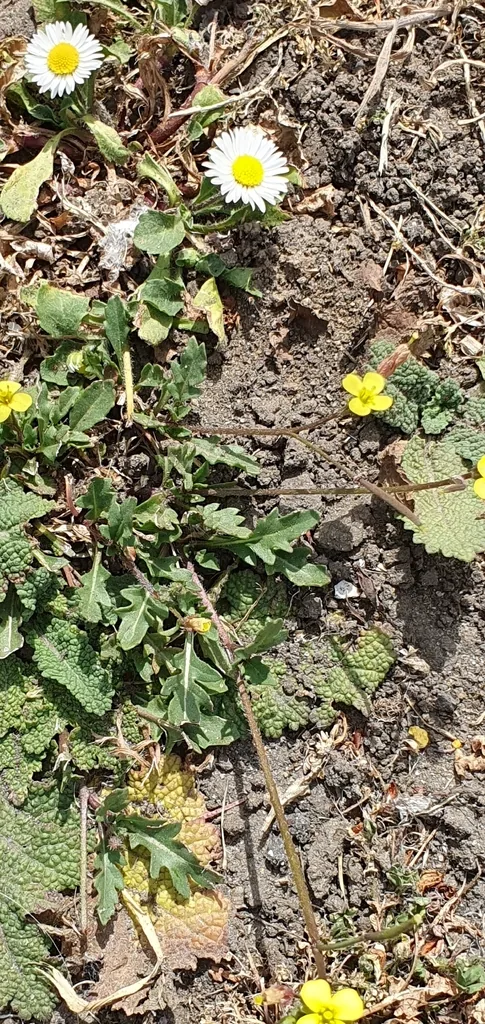
Diplotaxis muralis, annual wall rocket, is an annual or biennial yellow-flowered herb native to southern and central Europe. [1] Its leaves are eaten raw in salads and have a piquant, rocket-like flavour. [3] It prefers dry soils and does not grow in shade. [3]
This record is incomplete: the sources we read do not cover every field yet.
Not yet covered by our sources: Watering, Harvest, Spacing
Annual wallrocket care
How to water Annual wallrocket
Watering
Not stated in the sources we read.
Watering notes
Prefers dry soils
What the sources say (1)
Wall Rocket prefers dry soils and dislikes shade.How much light Annual wallrocket needs
How much cold Annual wallrocket can take
Hardiness, coldest zone
6 [winter low −23.3 to −17.8 °C (−10 to 0 °F)]
What the sources say (1)
Hardiness Zones: USDA 6-9. UK 7. It is not frost tender.Hardiness, warmest zone
9 [winter low −6.7 to −1.1 °C (20 to 30 °F)]
What the sources say (1)
Hardiness Zones: USDA 6-9. UK 7. It is not frost tender.Where to grow Annual wallrocket
Not stated in the sources we read.
How to propagate Annual wallrocket
Seed, sown in situ
What the sources say (1)
Seed is best sown in situ as soon as it is ripe, though it can also be sown in situ in the spring.Remedies
Each remedy shows what official sources say about it; traditional remedies without an official source are marked as such. Harmful ones are listed so you know to avoid them.
Getting rid of it
wall rocket
manual removal repeated Not verified
Traditional remedy, not verified by an official source.
Once pods are formed, seed will often mature even if the plant has been uprooted.
— herbiguide.com.au [7] How: Pull the plants by hand, repeating at least every 8-10 weeks, before pods form.
mechanical removal over several years Not verified
Traditional remedy, not verified by an official source.
Once pods are formed, seed will often mature even if the plant has been uprooted.
— herbiguide.com.au [7] How: Remove the plants mechanically for several years on small areas.
Calendar
Sowing
Sow in situ as soon as the seed is ripe, or in spring
What the sources say (1)
Seed is best sown in situ as soon as it is ripe, though it can also be sown in situ in the spring.Harvest
Not stated in the sources we read.
Months as given by the sources, which are mostly from the United States (northern hemisphere). In the southern hemisphere they shift by about six months.
Edibility
Reported by the source, quoted verbatim. Do not eat a plant on the basis of this page alone: identification mistakes can be dangerous.
Leaves are eaten raw. They can be finely chopped and added sparingly to salads or used as a flavouring for cooked dishes.
[3]
Similar plants
- Perennial Wallrocket Diplotaxis tenuifolia
- White wallrocket Diplotaxis erucoides
- Abraham Trachystemon orientalis
- Abyssinian banana Ensete ventricosum
- Acacia longifolia Acacia longifolia
- African Blue Lily Agapanthus praecox
- African lily Dietes bicolor
- African lovegrass Eragrostis curvula
Sources
Every value above is quoted from these documents. Links lead to the original publisher.
- VicFlora: Diplotaxis muralis · vicflora.rbg.vic.gov.au, consulted
- Diplotaxis muralis - Useful Temperate Plants · temperate.theferns.info, consulted
- Wall Rocket | Diplotaxis muralis · pfaf.org, consulted
- · naturblick.museumfuernaturkunde.berlin, consulted
- Diplotaxis muralis • New Zealand Plant Conservation Network · nzpcn.org.nz, consulted
- Flora of New Zealand | Taxon Profile | Diplotaxis muralis · nzflora.info, consulted
- herbiguide.com.au · herbiguide.com.au
Written by Emilio Marruso · last checked