
How to Grow and Care for Golden Dewdrop
Duranta erecta
Written by Emilio Marruso · last checked
Toxic to: Cats, Dogs, Birds, People · Why
At a glance
Duranta is a sun-loving perennial that also grows in partial shade, in containers and even indoors. Once established it handles drought, and birds will happily feast on its golden fruit. Prune it after flowering and wear gloves, since each leaf has a thorn, and keep the poisonous fruit away from children and dogs.
- Sun
Full sun; also grows in partial shade
What the sources say (2)
Light: Full sun; will grow in partial shade
It will grow in partial shade but prefers full sun.
— Golden Dewdrop – Gardening Solutions [3] The plant grows quickly in well-drained soils in full sun.
— Duranta erecta (Golden Dewdrop, Pigeon Berry, Skyflower) | North Carolina Extension Gardener Plant Toolbox [1] - Water
Keep the soil moist; handles drought once established
What the sources say (1)
Watering: Moist, well-drained soil; drought tolerant once established
While golden dewdrop prefers moist, well-drained soil, it is drought tolerant once established.
— Golden Dewdrop – Gardening Solutions [3] - Cold
Survives winters down to 20 °F (−6.7 °C)
Hardy in average winters · USDA 9a · RHS H4 · Z9
What the sources say (2)
Hardiness, coldest zone: 9a [winter low −6.7 to −3.9 °C (20 to 25 °F)]
Golden dewdrop can be grown in USDA zones 9a through 11b
— Golden Dewdrop – Gardening Solutions [3] Hardiness, warmest zone: 11b [winter low 7.2 to 10 °C (45 to 50 °F)]
Golden dewdrop can be grown in USDA zones 9a through 11b
— Golden Dewdrop – Gardening Solutions [3] - Soil
Moist soil that drains well
What the sources say (1)
Watering: Moist, well-drained soil; drought tolerant once established
While golden dewdrop prefers moist, well-drained soil, it is drought tolerant once established.
— Golden Dewdrop – Gardening Solutions [3] - Pruning
Prune after flowering
What the sources say (1)
Pruning: After flowering
Pruning after flowering is recommended to keep the plant more compact.
— Duranta erecta (Golden Dewdrop, Pigeon Berry, Skyflower) | North Carolina Extension Gardener Plant Toolbox [1] - Pests
Whiteflies, caterpillars, nematodes and scale; usually not serious
What the sources say (2)
Pests: whiteflies, caterpillars, nematodes, scale
Insects, Diseases, and Other Plant Problems: No significant problems. Watch for whiteflies.
— Duranta erecta (Golden Dewdrop, Pigeon Berry, Skyflower) | North Carolina Extension Gardener Plant Toolbox [1] Pest problems are typically not serious, but potential offenders are caterpillars, nematodes, and scale.
— Golden Dewdrop – Gardening Solutions [3] - Watch out
Each leaf has a thorn and the sap irritates skin: wear gloves when pruning or planting
- Propagation
From seeds or stem cuttings
What the sources say (1)
Propagation: Seeds or stem cuttings
If you wish to propagate it, seeds or stem cuttings are the best methods.
— Golden Dewdrop – Gardening Solutions [3] - Containers
Grows in containers and indoors too
What the sources say (3)
In containers: Yes
This versatile plant can even work as a container plant and can be grown indoors next to a sunny window.
— Golden Dewdrop – Gardening Solutions [3] It can also be grown in containers and brought indoors during cold weather.
— Duranta erecta (Golden Dewdrop, Pigeon Berry, Skyflower) | North Carolina Extension Gardener Plant Toolbox [1] Indoors: Yes
This versatile plant can even work as a container plant and can be grown indoors next to a sunny window.
— Golden Dewdrop – Gardening Solutions [3] - Safety
Fruits and leaves are poisonous to people, dogs and cats; the fruit can kill children
Overview
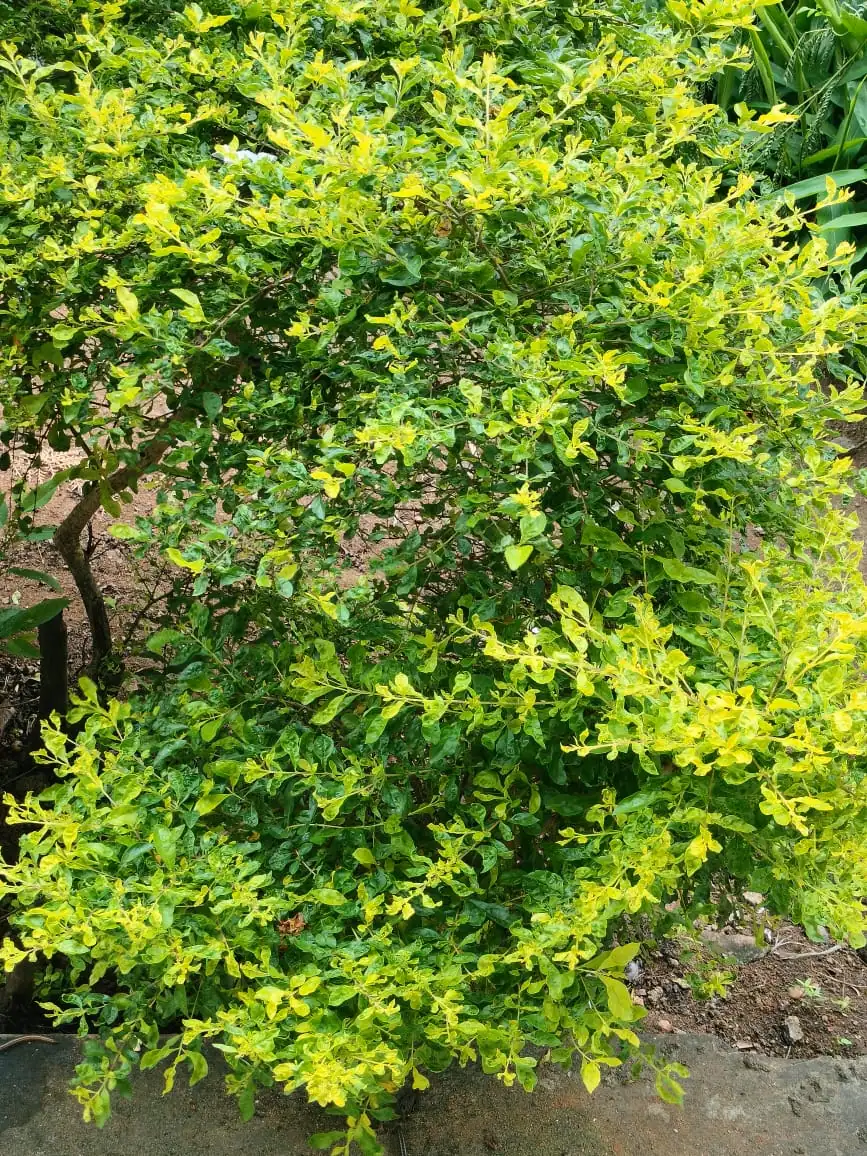
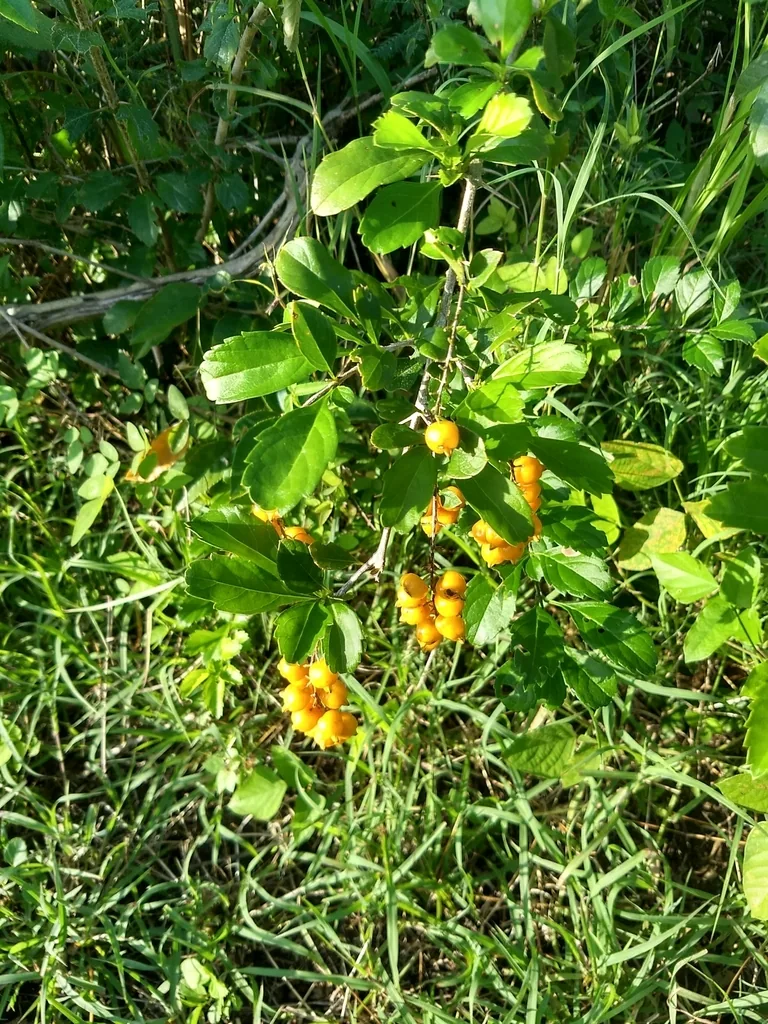
Golden dewdrop is an evergreen shrub or small tree with blue-purple flowers followed by yellow fruits. [3] It prefers full sun and moist, well-drained soil and is drought tolerant once established. [3] The fruits and leaves are poisonous to humans and dogs. [3]
Golden Dewdrop care
How to water Golden Dewdrop
Moist, well-drained soil; drought tolerant once established
What the sources say (1)
While golden dewdrop prefers moist, well-drained soil, it is drought tolerant once established.How much light Golden Dewdrop needs
Full sun; will grow in partial shade
How much cold Golden Dewdrop can take
Hardiness, coldest zone
9a [winter low −6.7 to −3.9 °C (20 to 25 °F)]
What the sources say (1)
Golden dewdrop can be grown in USDA zones 9a through 11bHardiness, warmest zone
11b [winter low 7.2 to 10 °C (45 to 50 °F)]
What the sources say (1)
Golden dewdrop can be grown in USDA zones 9a through 11bWhere to grow Golden Dewdrop
Indoors
Yes
What the sources say (1)
This versatile plant can even work as a container plant and can be grown indoors next to a sunny window.In containers
Yes
What the sources say (2)
This versatile plant can even work as a container plant and can be grown indoors next to a sunny window.It can also be grown in containers and brought indoors during cold weather.How to propagate Golden Dewdrop
Seeds or stem cuttings
What the sources say (1)
If you wish to propagate it, seeds or stem cuttings are the best methods.How to grow Golden Dewdrop
The plant
Life cycle
perennial
What the sources say (2)
Life Cycle: PerennialGolden dewdrop is an evergreen, sprawling shrub or rarely a small tree in the verbena family (Verbenaceae).Family
Verbenaceae
What the sources say (1)
Family: VerbenaceaeMature height
The sources disagree:
What each source says
cultivar 'Gold Mound': about 122 cm (4 feet) tall and 152 cm (5 feet) wide:
What the sources say (1)
cultivar 'Gold Mound': about 122 cm (4 feet) tall and 152 cm (5 feet) wide: It has a low-growing form, reaching about 4 feet tall and 5 feet wide.Pests and diseases
Pests
whiteflies, caterpillars, nematodes, scale
What the sources say (2)
Insects, Diseases, and Other Plant Problems: No significant problems. Watch for whiteflies.Pest problems are typically not serious, but potential offenders are caterpillars, nematodes, and scale.Golden Dewdrop pests and problems
Whiteflies
Symptom: Whiteflies may be present; no significant problems otherwise
What the sources say (1)
Insects, Diseases, and Other Plant Problems: No significant problems. Watch for whiteflies.
— Duranta erecta (Golden Dewdrop, Pigeon Berry, Skyflower) | North Carolina Extension Gardener Plant Toolbox [1] Caterpillars, nematodes and scale
Symptom: Potential pest offenders; typically not serious
What to do: Contact the county Extension office if severe issues appear
What the sources say (1)
Pest problems are typically not serious, but potential offenders are caterpillars, nematodes, and scale.
— Golden Dewdrop – Gardening Solutions [3] Cold damage
Symptom: Temperatures in the low forties can cause leaves to turn a purple hue
What to do: The plant bounces back in spring after cold damage
What the sources say (1)
although temperatures in the low forties can cause leaves to turn a purple hue. Even if it experiences cold damage, golden dewdrop will bounce back in the spring.
— Golden Dewdrop – Gardening Solutions [3] Thorns and irritating sap
Symptom: Each leaf has a thorn and the sap can be irritating on the skin
What to do: Wear gloves when pruning or planting
What the sources say (1)
And be sure to wear gloves when pruning or planting; each leaf has a thorn, and the sap can be irritating on the skin.
— Golden Dewdrop – Gardening Solutions [3]
Remedies
The sources we checked give no remedies for this plant.
Is Golden Dewdrop toxic to pets?
Reported by the source, quoted verbatim. This is not medical or veterinary advice: if a person or an animal may have eaten this plant, contact a poison control centre or a veterinarian.
Animals
The fruits can be fatal to dogs and children if eaten but do not harm birds.
[1]the fruits (and leaves) are actually poisonous to humans and dogs, so plant with caution.
[3]- Poisonous parts
the fruits (and leaves) are actually poisonous to humans and dogs
[3]- Poisonous parts
Poison Part: Fruits Leaves
[1]- Toxic principle
Poison Toxic Principle: isoquinoline, saponin glycoside, hydrocyanic acid
[1]- Symptoms
Poison Symptoms: If eaten this plant has been known to kill children, pets, and animals
[1]- Severity
Poison Severity: High
[1]
Problems: Poisonous to Humans Problem for Cats Problem for Children Problem for Dogs
[1]
People
Calendar
Pruning
After flowering
What the sources say (1)
Pruning after flowering is recommended to keep the plant more compact.Months as given by the sources, which are mostly from the United States (northern hemisphere). In the southern hemisphere they shift by about six months.
Edibility
Reported by the source, quoted verbatim. Do not eat a plant on the basis of this page alone: identification mistakes can be dangerous.
Birds will happily devour the golden feast provided by the plant.
[3]
Indicative values
Values from a secondary source, not checked word for word like the rest of this page. Use them as a starting point.
- Drought tolerant
- yesIndicative value, adapt it to your climate · Secondary source
- Soil pH
- 6-7.5Indicative value, adapt it to your climate · Secondary source
- Care level
- MediumIndicative value, adapt it to your climate · Secondary source
- Growth rate
- HighIndicative value, adapt it to your climate · Secondary source
Similar plants
- Blue Vervain Verbena hastata
- Brazilian Verbena Verbena brasiliensis
- Frogfruit Phyla nodiflora
- Hoary Vervain Verbena stricta
- Lantana Lantana camara
- Lantana Lavender Popcorn Lantana trifolia
- Lemon Verbena Aloysia citriodora
- Moss Verbena Verbena aristigera
Sources
Every value above is quoted from these documents. Links lead to the original publisher.
- Duranta erecta (Golden Dewdrop, Pigeon Berry, Skyflower) | North Carolina Extension Gardener Plant Toolbox · plants.ces.ncsu.edu, consulted
- Golden Dewdrop - Duranta erecta | North Carolina Extension Gardener Plant Toolbox · plants.ces.ncsu.edu, consulted
- Golden Dewdrop – Gardening Solutions · gardeningsolutions.ifas.ufl.edu, consulted
- Duranta erecta, "Golden Edge," Golden Duranta · uaex.uada.edu, consulted
Written by Emilio Marruso · last checked