
How to Grow and Care for Echium wildpretii
Echium wildpretii
Written by Emilio Marruso · last checked
At a glance
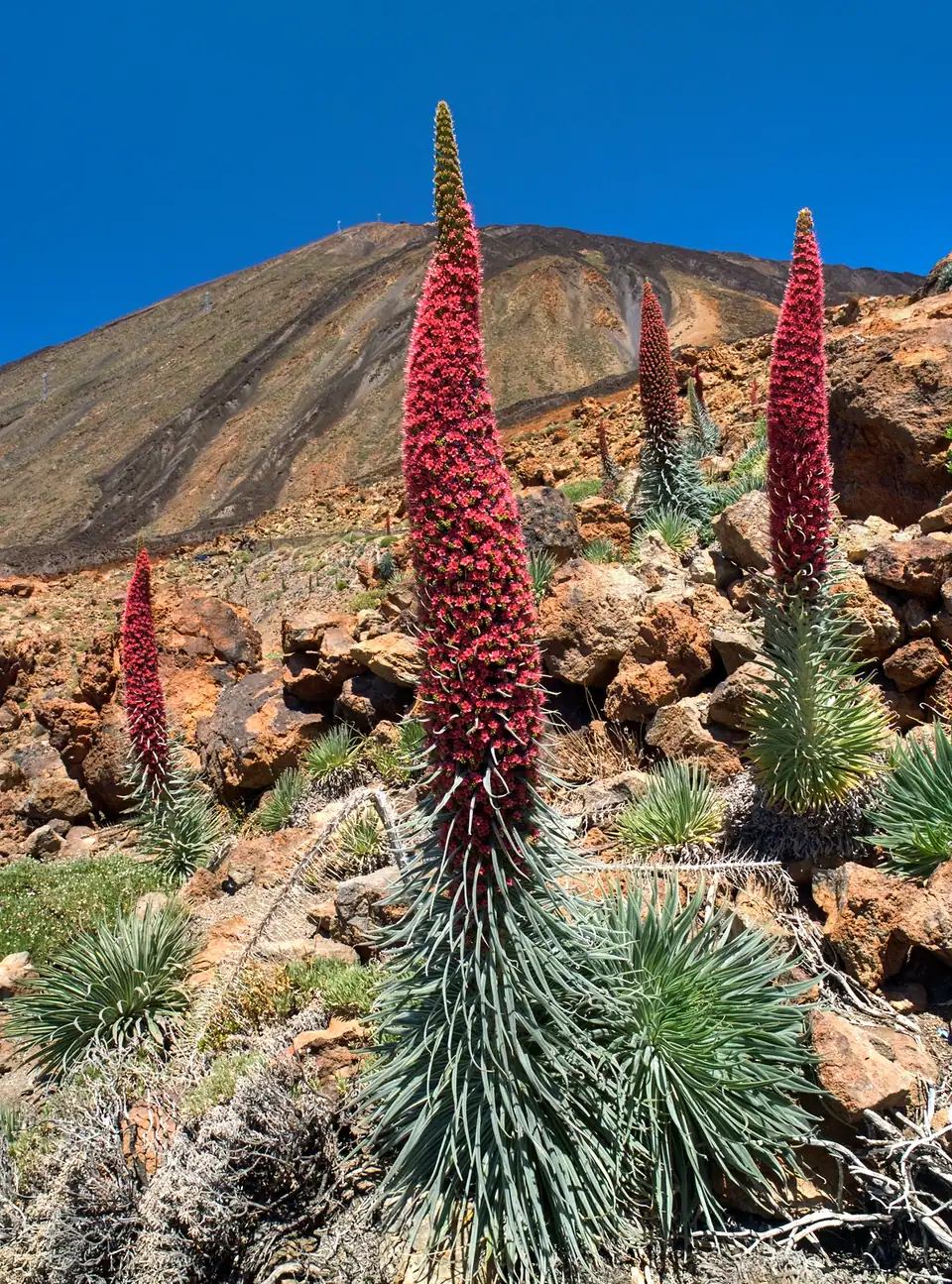
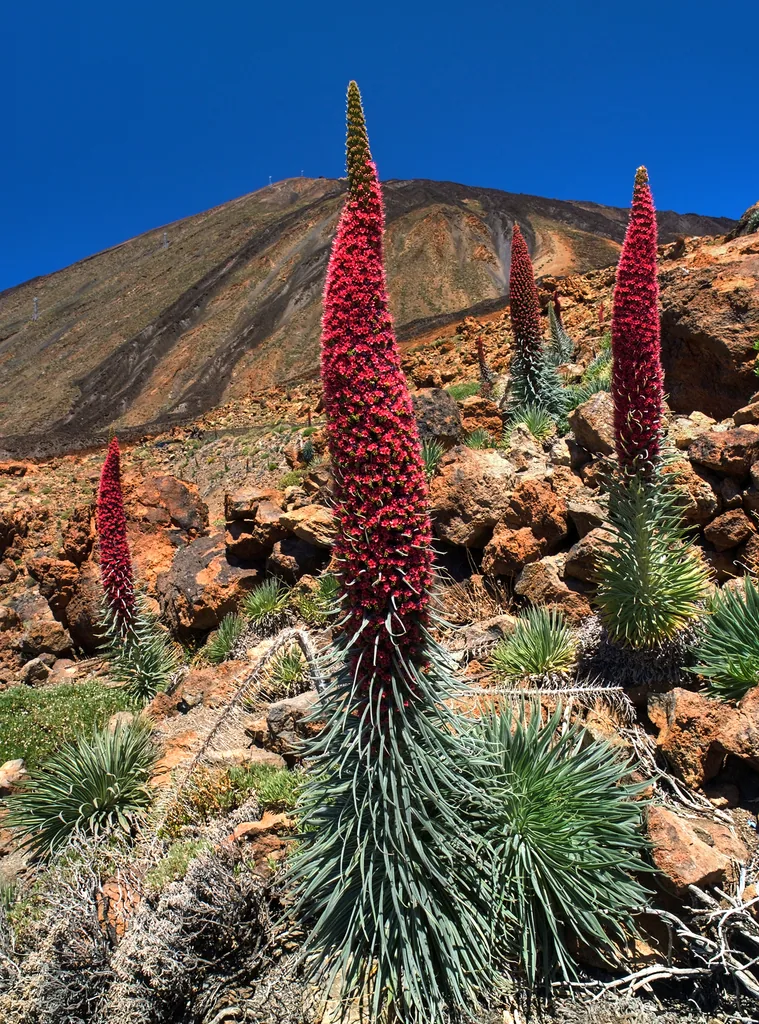
This eye-catching biennial grows into a tall plant, 5 to 8 feet high, a real showpiece for a sunny spot. It loves full sun and does best in dry conditions, in light soil that drains well. In the ground it asks for little or no regular feeding, and it can grow happily in a container too.
- Sun
Full sun
What the sources say (1)
Light: Full sun
It can reach heights of 8 feet in bloom and requires full sun in medium moisture to dry light, well-drained soils.
— Echium wildpretii | North Carolina Extension Gardener Plant Toolbox [1] - Water
Medium to dry soil; it does best in dry conditions
What the sources say (2)
Watering: Medium moisture to dry; does best in arid conditions
It can reach heights of 8 feet in bloom and requires full sun in medium moisture to dry light, well-drained soils.
— Echium wildpretii | North Carolina Extension Gardener Plant Toolbox [1] It does best in arid conditions. It will reseed itself within its hardiness zones.
— Echium wildpretii | North Carolina Extension Gardener Plant Toolbox [1] - Cold
Survives winters down to 20 °F (−6.7 °C)
Hardy in average winters · USDA 9a · RHS H4 · Z9
What the sources say (2)
Hardiness, coldest zone: 9a [winter low −6.7 to −3.9 °C (20 to 25 °F)]
USDA Plant Hardiness Zone: 9a, 9b, 10a, 10b
— Echium wildpretii | North Carolina Extension Gardener Plant Toolbox [1] Hardiness, warmest zone: 10b [winter low 1.7 to 4.4 °C (35 to 40 °F)]
USDA Plant Hardiness Zone: 9a, 9b, 10a, 10b
— Echium wildpretii | North Carolina Extension Gardener Plant Toolbox [1] - Soil
Light soil that drains well
What the sources say (1)
Watering notes: Light, well-drained soils
It can reach heights of 8 feet in bloom and requires full sun in medium moisture to dry light, well-drained soils.
— Echium wildpretii | North Carolina Extension Gardener Plant Toolbox [1] - Feeding
Little or no feeding in the ground; dig in rotted leaf mold or manure before planting
What the sources say (3)
How often: Little or no regular feeding in the ground
in containers: If you are growing an Echium in a pot, liquid feeding according to the instructions on the pack will be beneficial in the growing season
— [2] Echium need little or no regular feeding on most average garden soils.
— [2] Natural fertilizers: Well-rotted organic matter such as leaf mould or manure, dug in before planting
To improve drainage, dig in plenty of well-rotted organic matter , like leaf mould or manure, before planting.
— [2] - Size
5 to 8 ft tall and 2 to 3 ft wide
What the sources say (2)
Mature height: 152.4-243.84 cm (5-8 ft)
Height: 5 ft. 0 in. - 8 ft. 0 in.
— Echium wildpretii | North Carolina Extension Gardener Plant Toolbox [1] Mature width: 60.96-91.44 cm (2-3 ft)
Width: 2 ft. 0 in. - 3 ft. 0 in.
— Echium wildpretii | North Carolina Extension Gardener Plant Toolbox [1] - Containers
Grows in containers too; give it liquid fertilizer regularly during the growing season
What the sources say (3)
In containers: Yes
#showy flowers #showstopper #biennial #pink flowers #unusual #tropical feel #full sun tolerant #large spaces #container plant
— Echium wildpretii | North Carolina Extension Gardener Plant Toolbox [1]
Overview
Tower of Jewels is a biennial native to the Canary Islands that needs full sun and well-drained soil. [1] It is listed for USDA zones 9a to 10b and can be grown in a container. [1]
This record is incomplete: the sources we read do not cover every field yet.
Not yet covered by our sources: Pruning, Propagation
Echium wildpretii care
How to water Echium wildpretii
Watering
Medium moisture to dry; does best in arid conditions
What the sources say (2)
It can reach heights of 8 feet in bloom and requires full sun in medium moisture to dry light, well-drained soils.It does best in arid conditions. It will reseed itself within its hardiness zones.Watering notes
Light, well-drained soils
What the sources say (1)
It can reach heights of 8 feet in bloom and requires full sun in medium moisture to dry light, well-drained soils.How much light Echium wildpretii needs
Full sun
What the sources say (1)
It can reach heights of 8 feet in bloom and requires full sun in medium moisture to dry light, well-drained soils.How much cold Echium wildpretii can take
Hardiness, coldest zone
9a [winter low −6.7 to −3.9 °C (20 to 25 °F)]
What the sources say (1)
USDA Plant Hardiness Zone:
9a, 9b, 10a, 10bHardiness, warmest zone
10b [winter low 1.7 to 4.4 °C (35 to 40 °F)]
What the sources say (1)
USDA Plant Hardiness Zone:
9a, 9b, 10a, 10bWhere to grow Echium wildpretii
Yes
What the sources say (1)
#showy flowers #showstopper #biennial #pink flowers #unusual #tropical feel #full sun tolerant #large spaces #container plantHow to propagate Echium wildpretii
Not stated in the sources we read.
How to grow Echium wildpretii
The plant
Life cycle
biennial
What the sources say (1)
Tower of Jewels is an unusual biennial plant in the borage family (Boraginaceae) native to the Canary Islands, where it grows on rocky, volcanic hillsides in cool dry summers.Family
Boraginaceae
What the sources say (1)
Tower of Jewels is an unusual biennial plant in the borage family (Boraginaceae) native to the Canary Islands, where it grows on rocky, volcanic hillsides in cool dry summers.Mature height
152.4-243.84 cm (5-8 ft)
What the sources say (1)
Height: 5 ft. 0 in. - 8 ft. 0 in.Mature width
60.96-91.44 cm (2-3 ft)
What the sources say (1)
Width: 2 ft. 0 in. - 3 ft. 0 in.Fertilizing
When
The sources give different values depending on region, zone or growing conditions.
What each source says
in containers: During the growing season
What the sources say (1)
in containers: If you are growing an Echium in a pot, liquid feeding according to the instructions on the pack will be beneficial in the growing seasonHow often
Little or no regular feeding in the ground
What each source says
in containers: Regular liquid feeding during the growing season
Natural fertilizers
Well-rotted organic matter such as leaf mould or manure, dug in before planting
What the sources say (1)
To improve drainage, dig in plenty of well-rotted organic matter , like leaf mould or manure, before planting.Mineral fertilizers
The sources give different values depending on region, zone or growing conditions.
What each source says
in containers: Liquid fertilizer at label rate
What the sources say (1)
in containers: If you are growing an Echium in a pot, liquid feeding according to the instructions on the pack will be beneficial in the growing seasonRemedies
Each remedy shows what official sources say about it; traditional remedies without an official source are marked as such. Harmful ones are listed so you know to avoid them.
First aid
First aid: not a substitute for a doctor
contact dermatitis
rinse the skin with warm water and an emollient Official source, not independently tested
See a GP if you have persistent, recurrent or severe symptoms of contact dermatitis.
— nhs.uk [3] How: if you come into contact with an allergen or irritant, rinse the affected skin with warm water and an emollient as soon as possible
cleaning your skin – if you come into contact with an allergen or irritant, rinse the affected skin with warm water and an emollient as soon as possible
— nhs.uk [3]
Treating the plant
spider mites
higher humidity Not verified
Traditional remedy, not verified by an official source.
How: maintaining higher humidity helps keep the pests away from indoor plants
water spray Not verified
Traditional remedy, not verified by an official source.
How: sprays of water to remove the mites or flies
winter damp
horticultural fleece Not verified
Traditional remedy, not verified by an official source.
How: winter protection with horticultural fleece
Calendar
Pruning
Not stated in the sources we read.
Months as given by the sources, which are mostly from the United States (northern hemisphere). In the southern hemisphere they shift by about six months.
Indicative values
Values from a secondary source, not checked word for word like the rest of this page. Use them as a starting point.
- Hours of sun
- 6-8 hoursIndicative value, adapt it to your climate · Secondary source
- Soil pH
- 6-7.5Indicative value, adapt it to your climate · Secondary source
- Care level
- HighIndicative value, adapt it to your climate · Secondary source
- Growth rate
- HighIndicative value, adapt it to your climate · Secondary source
- Pruning
- March, April, March, April, May, June, July, August, SeptemberIndicative value, adapt it to your climate · Secondary source
- Propagation
- Seed Propagation, Cutting, Division, Layering PropagationIndicative value, adapt it to your climate · Secondary source
Similar plants
- Blueweed Echium vulgare
- Italian viper's bugloss Echium italicum
- Paterson's Curse Echium plantagineum
- Pride of Madeira Echium candicans
- Abraham Trachystemon orientalis
- Alkanet Anchusa azurea
- Blue Showers Cynoglossum amabile
- Borage Borago officinalis
Sources
Every value above is quoted from these documents. Links lead to the original publisher.
- Echium wildpretii | North Carolina Extension Gardener Plant Toolbox · plants.ces.ncsu.edu, consulted
- rhs.org.uk · rhs.org.uk
- nhs.uk · nhs.uk
Written by Emilio Marruso · last checked