
How to Grow and Care for Common woolly sunflower
Eriophyllum lanatum
Written by Emilio Marruso · last checked
At a glance
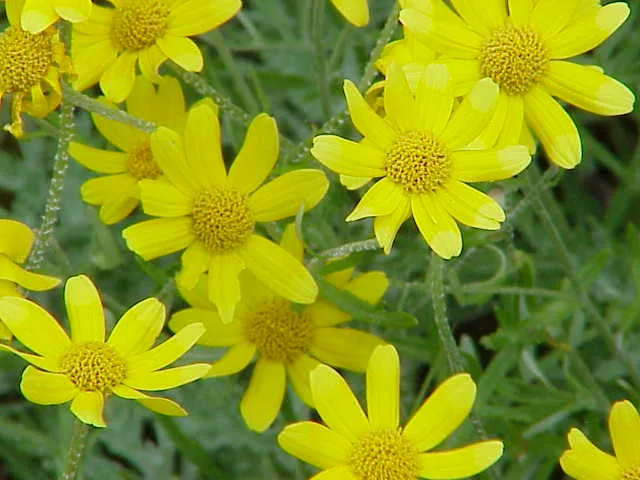
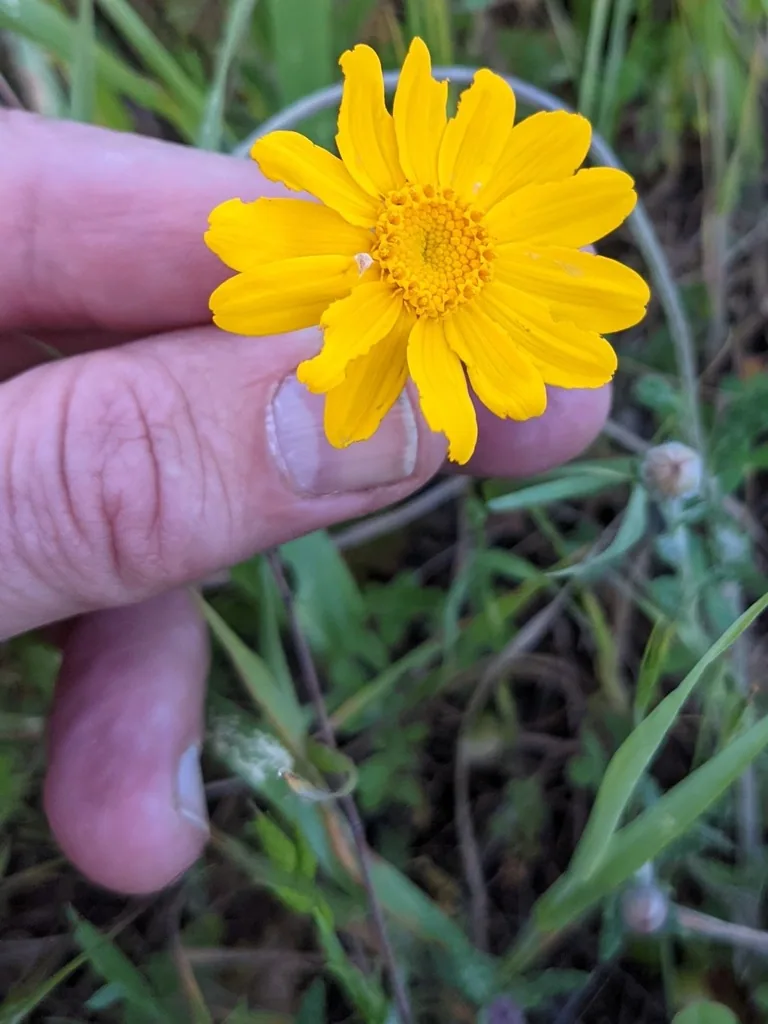
Here is an easygoing member of the daisy family that loves full sun and asks for very little. Planted at the right time, it needs no aftercare and handles drought well, so you can skip summer watering. Just cut back the faded blooms after flowering, and enjoy a cheerful plant that grows up to 2 feet tall.
- Sun
Full sun
What the sources say (1)
Light: Full sun
Grow Eriophyllum lanatum in well-drained soil in full sun.
— Eriophyllum lanatum | BBC Gardeners World Magazine [2] - Water
Handles drought well; skip summer watering, which can cause mold and rot
What the sources say (2)
Watering: Good drought tolerance; no aftercare with appropriate planting time
Care requirements after installed: Good drought tolerance, no after care with appropriate planting time.
— Eriophyllum lanatum (Pursh) Forbes var http://depts.washington.edu/propplnt/Plants/Eriophyllum lanatum.htm [4] Watering notes: Summer watering may result in fungal growth and rot (container nursery production)
Active growth occurs well into summer, though summer watering may result in fungal growth and rot.
— Asteraceae (Eriophyllum) — Reforestation, Nurseries and Genetics Resources [3] - Pruning
Cut back the blooms after flowering; no need to prune in fall
What the sources say (1)
Pruning: After flowering (cut back blooms); no need to prune in autumn
Cut back blooms after flowering to encourage a second flush. There’s no need to prune in autumn.
— Eriophyllum lanatum | BBC Gardeners World Magazine [2] - Size
Up to 2 ft tall
What the sources say (1)
Mature height: up to 61 cm (2 ft)
The plant usually grows low and cushion-like but may be as high as 2 feet tall, depending on water availability.
— Profile of Oregon sunshine — Eriophyllum lanatum | OSU Extension Service [1] - Propagation
Grows from seed
What the sources say (1)
Propagation: Seed
Store cold at 0-2°C. Propagation recommendations: Good germination from seed.
— Eriophyllum lanatum (Pursh) Forbes var http://depts.washington.edu/propplnt/Plants/Eriophyllum lanatum.htm [4] - Sowing
Sow in fall, in a cold frame
What the sources say (1)
Sowing: Fall, in cold frames
Good germination after cold storage and fall planting in cold frames
— Eriophyllum lanatum (Pursh) Forbes var http://depts.washington.edu/propplnt/Plants/Eriophyllum lanatum.htm [4]
Overview
Common woolly sunflower is a herbaceous perennial native to western North America that grows in well-drained soil in full sun. [2] Oregon sunshine thrives most frequently on dry, sandy sites or fine talus slopes. [1]
This record is incomplete: the sources we read do not cover every field yet.
Not yet covered by our sources: Hardiness, coldest zone, Hardiness, warmest zone
Common woolly sunflower care
How to water Common woolly sunflower
Watering
Good drought tolerance; no aftercare with appropriate planting time
What the sources say (1)
Care requirements after installed: Good drought tolerance, no after care with appropriate planting time.Watering notes
Summer watering may result in fungal growth and rot (container nursery production)
What the sources say (1)
Active growth occurs well into summer, though summer watering may result in fungal growth and rot.How much light Common woolly sunflower needs
Full sun
What the sources say (1)
Grow Eriophyllum lanatum in well-drained soil in full sun.How much cold Common woolly sunflower can take
Hardiness, coldest zone
Not stated in the sources we read.
Hardiness, warmest zone
Not stated in the sources we read.
How to propagate Common woolly sunflower
Seed
What the sources say (1)
Store cold at 0-2°C. Propagation recommendations: Good germination from seed.How to grow Common woolly sunflower
The plant
Family
Asteraceae (Compositae)
What the sources say (1)
Oregon sunshine — Eriophyllum lanatum — is a member of the sunflower or aster family — Compostitae.Mature height
up to 61 cm (2 ft)
What the sources say (1)
The plant usually grows low and cushion-like but may be as high as 2 feet tall, depending on water availability.Remedies
The sources we checked give no remedies for this plant.
Calendar
Sowing
Fall, in cold frames
What the sources say (1)
Good germination after cold storage and fall planting in cold framesPruning
After flowering (cut back blooms); no need to prune in autumn
What the sources say (1)
Cut back blooms after flowering to encourage a second flush. There’s no need to prune in autumn.Months as given by the sources, which are mostly from the United States (northern hemisphere). In the southern hemisphere they shift by about six months.
Indicative values
Values from a secondary source, not checked word for word like the rest of this page. Use them as a starting point.
- Life cycle
- PerennialIndicative value, adapt it to your climate · Secondary source
- Hours of sun
- 6-8 hoursIndicative value, adapt it to your climate · Secondary source
- Soil
- SandyIndicative value, adapt it to your climate · Secondary source
- Soil pH
- 6-7.5Indicative value, adapt it to your climate · Secondary source
- Growth rate
- LowIndicative value, adapt it to your climate · Secondary source
Similar plants
- Abies grandis Abies grandis
- Abraham Trachystemon orientalis
- Abyssinian banana Ensete ventricosum
- Acacia longifolia Acacia longifolia
- Acanthus hungaricus Acanthus hungaricus
- Aconite Aconitum napellus
- Adam's Needle Yucca flaccida
- Adriatic lizard orchid Himantoglossum adriaticum
Sources
Every value above is quoted from these documents. Links lead to the original publisher.
- Profile of Oregon sunshine — Eriophyllum lanatum | OSU Extension Service · extension.oregonstate.edu, consulted
- Eriophyllum lanatum | BBC Gardeners World Magazine · gardenersworld.com, consulted
- Asteraceae (Eriophyllum) — Reforestation, Nurseries and Genetics Resources · npn.rngr.net, consulted
- Eriophyllum lanatum (Pursh) Forbes var http://depts.washington.edu/propplnt/Plants/Eriophyllum lanatum.htm · courses.washington.edu, consulted
Written by Emilio Marruso · last checked