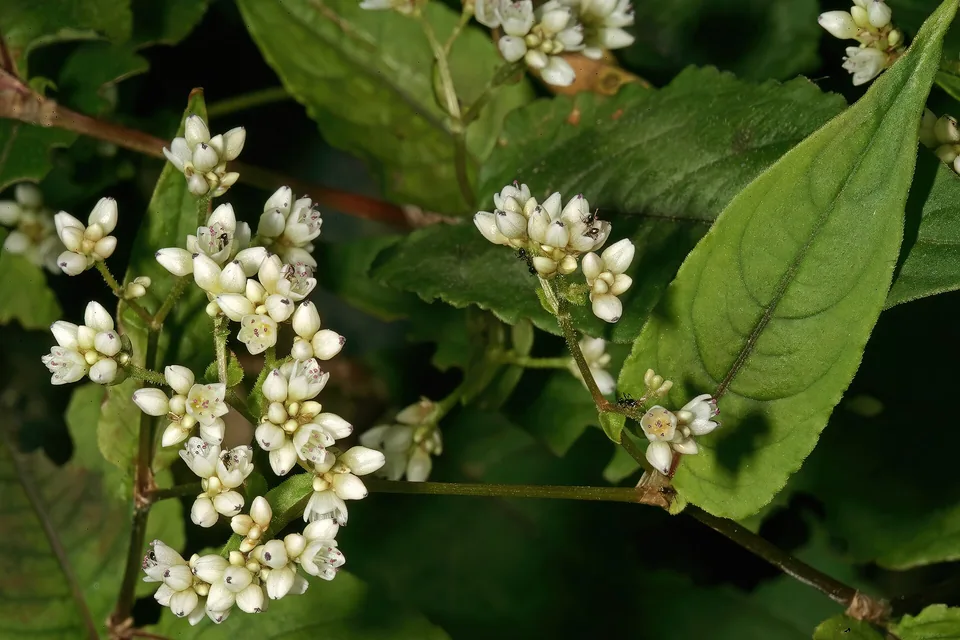
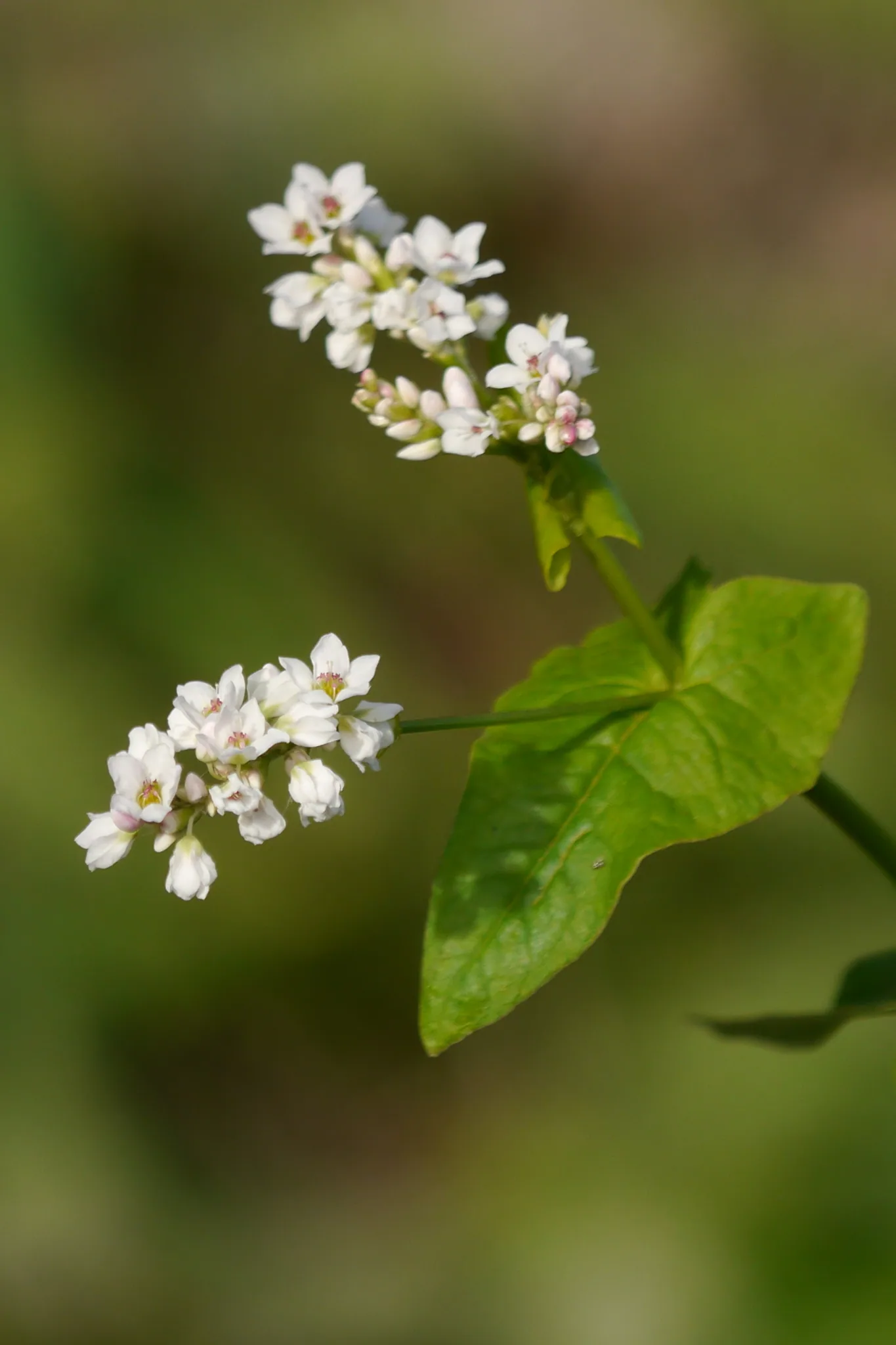
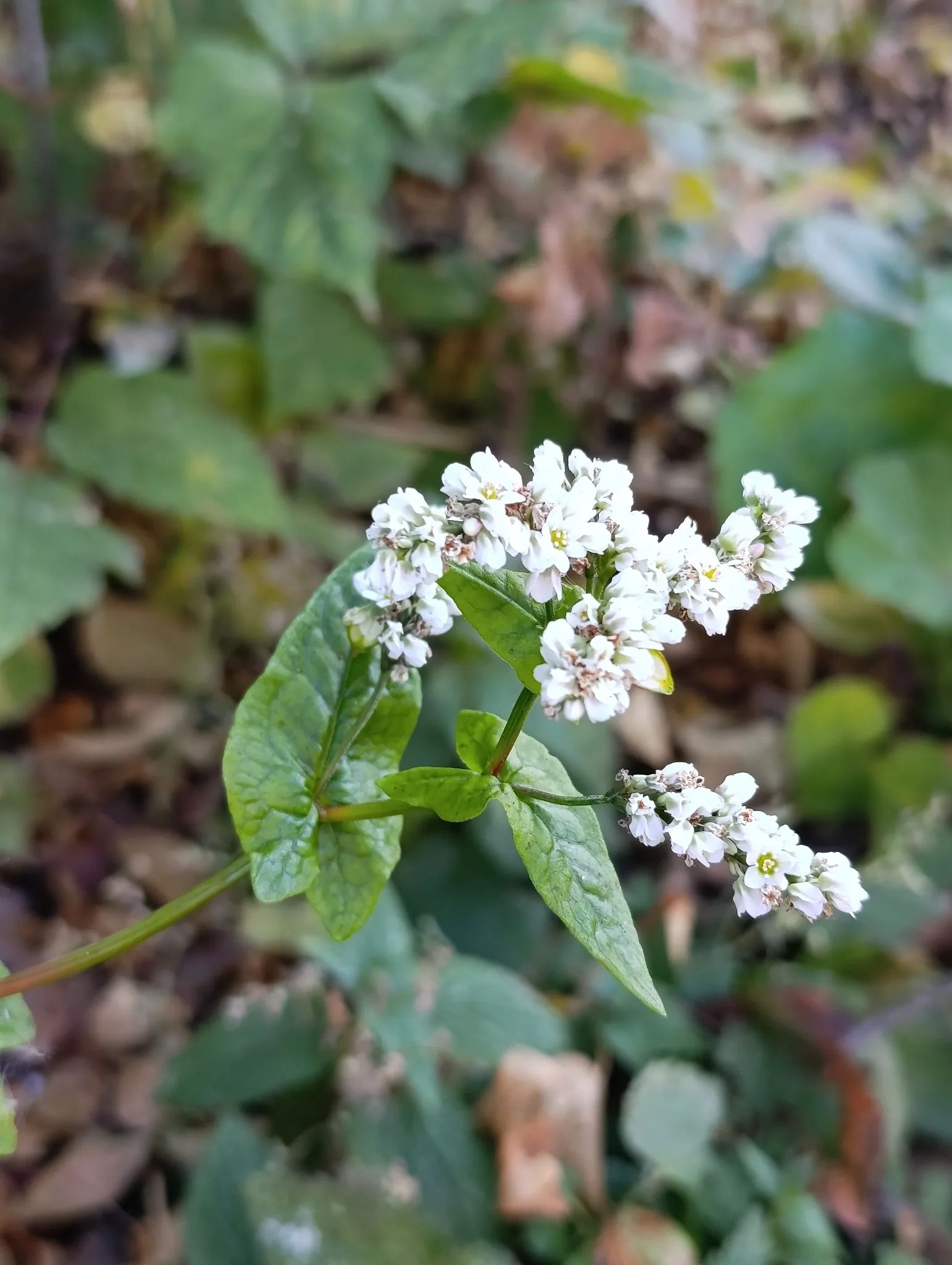

How to Grow and Care for Buckwheat
Fagopyrum esculentum
Written by Emilio Marruso · last checked
Toxic to: Cats, Dogs, Horses, People · Why
At a glance
Buckwheat is an easy annual to grow from seed: the seeds sprout in just 3–4 days, and the plant reaches 2½ feet tall in full sun or partial shade. Keep the soil moist, and in fall you can harvest its seeds, which are eaten cooked as a grain once the husks are removed.
- Sun
Full sun to partial shade
What the sources say (1)
Light: Full sun to partial shade
Buckwheat prefers full or partial sun and moist to mesic conditions in a variety of soils, including loam, clay-loam, light sand, and muck.
— Fagopyrum esculentum (Buckwheat) | North Carolina Extension Gardener Plant Toolbox [1] - Water
Likes moist to moderately moist soil
What the sources say (1)
Watering notes: Prefers moist to mesic conditions
Buckwheat prefers full or partial sun and moist to mesic conditions in a variety of soils, including loam, clay-loam, light sand, and muck.
— Fagopyrum esculentum (Buckwheat) | North Carolina Extension Gardener Plant Toolbox [1] - Cold
Survives winters down to −10 °F (−23.3 °C)
Very hardy · USDA 6a · RHS H7 · Z6
What the sources say (2)
Hardiness, coldest zone: 6a [winter low −23.3 to −20.6 °C (−10 to −5 °F)]
USDA Plant Hardiness Zone: 6a, 6b, 7a, 7b, 8a, 8b, 9a, 9b, 10a, 10b, 11a, 11b, 12a, 12b
— Fagopyrum esculentum (Buckwheat) | North Carolina Extension Gardener Plant Toolbox [1] Hardiness, warmest zone: 12b [winter low 12.8 to 15.6 °C (55 to 60 °F)]
USDA Plant Hardiness Zone: 6a, 6b, 7a, 7b, 8a, 8b, 9a, 9b, 10a, 10b, 11a, 11b, 12a, 12b
— Fagopyrum esculentum (Buckwheat) | North Carolina Extension Gardener Plant Toolbox [1] - Harvest
Harvest in fall; eat the seeds cooked as a grain, only with the husks removed
What the sources say (1)
Harvest: Fall
Fruit Value To Gardener: Edible Display/Harvest Time: Fall
— Fagopyrum esculentum (Buckwheat) | North Carolina Extension Gardener Plant Toolbox [1] - Size
2½ ft tall
What the sources say (1)
Mature height: 76.2 cm (2 1/2 ft)
Mature buckwheat is about 2 1/2 feet tall, erect, and branching occasionally.
— Fagopyrum esculentum (Buckwheat) | North Carolina Extension Gardener Plant Toolbox [1] - Propagation
Grows from seed
What the sources say (1)
Propagation: Seed
Life Cycle: Annual Recommended Propagation Strategy: Seed Country Or Region Of Origin:
— Fagopyrum esculentum (Buckwheat) | North Carolina Extension Gardener Plant Toolbox [1] - Sowing
Seeds sprout in 3–4 days
What the sources say (1)
Days to germination: 3-4
The seeds germinate quickly, within 3 to 4 days of sowing and when harvested are edbile as a grain.
— Fagopyrum esculentum (Buckwheat) | North Carolina Extension Gardener Plant Toolbox [1] - Safety
Can cause a skin rash in sunlight in sensitive people; harmful to cats, dogs and horses
Overview
Buckwheat is a quick-growing summer annual in the knotweed family that is also used as a cover crop. [1] It prefers full or partial sun and moist to mesic conditions in a variety of soils. [1] Cooked seeds are eaten as a cereal grain, and the source rates the plant as a low-severity poison for humans. [1]
This record is incomplete: the sources we read do not cover every field yet.
Not yet covered by our sources: Watering, Pruning
Buckwheat care
How to water Buckwheat
Watering
Not stated in the sources we read.
Watering notes
Prefers moist to mesic conditions
What the sources say (1)
Buckwheat prefers full or partial sun and moist to mesic conditions in a variety of soils, including loam, clay-loam, light sand, and muck.How much light Buckwheat needs
Full sun to partial shade
What the sources say (1)
Buckwheat prefers full or partial sun and moist to mesic conditions in a variety of soils, including loam, clay-loam, light sand, and muck.How much cold Buckwheat can take
Hardiness, coldest zone
6a [winter low −23.3 to −20.6 °C (−10 to −5 °F)]
What the sources say (1)
USDA Plant Hardiness Zone:
6a, 6b, 7a, 7b, 8a, 8b, 9a, 9b, 10a, 10b, 11a, 11b, 12a, 12bHardiness, warmest zone
12b [winter low 12.8 to 15.6 °C (55 to 60 °F)]
What the sources say (1)
USDA Plant Hardiness Zone:
6a, 6b, 7a, 7b, 8a, 8b, 9a, 9b, 10a, 10b, 11a, 11b, 12a, 12bHow to propagate Buckwheat
Seed
What the sources say (1)
Life Cycle:
Annual
Recommended Propagation Strategy:
Seed
Country Or Region Of Origin:How to grow Buckwheat
The plant
Life cycle
annual
What the sources say (1)
Buckwheat is a quick-growing, edibile, flowering summer annual in the knotweed family.Family
knotweed family
What the sources say (1)
Buckwheat is a quick-growing, edibile, flowering summer annual in the knotweed family.Mature height
76.2 cm (2 1/2 ft)
What the sources say (1)
Mature buckwheat is about 2 1/2 feet tall, erect, and branching occasionally.Sowing and growth
Days to germination
3-4
What the sources say (1)
The seeds germinate quickly, within 3 to 4 days of sowing and when harvested are edbile as a grain.Remedies
Each remedy shows what official sources say about it; traditional remedies without an official source are marked as such. Harmful ones are listed so you know to avoid them.
Getting rid of it
volunteer buckwheat reseeding
killing the crop before seed set Not verified
Traditional remedy, not verified by an official source.
Earliest maturing seed can shatter before plants finish blooming. Some seed may overwinter in milder regions.
— sare.org [2] How: Kill within 7 to 10 days after flowering begins, before the first seeds begin to harden and turn brown.
Is Buckwheat toxic to pets?
Reported by the source, quoted verbatim. This is not medical or veterinary advice: if a person or an animal may have eaten this plant, contact a poison control centre or a veterinarian.
Animals
Landscape Theme: Pollinator Garden Attracts: Bees Pollinators Songbirds Problems: Contact Dermatitis Poisonous to Humans Problem for Cats Problem for Dogs Problem for Horses
[1]The source flags the risk for this animal but does not explain why.
People
Poison Severity: Low Poison Symptoms: Skin rash following ingestion and exposure to sunlight, in susceptible individuals.
[1]- Poisonous parts
Poison Toxic Principle: Fagopyrin Causes Contact Dermatitis: Yes Poison Part: Fruits
[1]- Toxic principle
Poison Toxic Principle: Fagopyrin Causes Contact Dermatitis: Yes Poison Part: Fruits
[1]- Symptoms
Poison Severity: Low Poison Symptoms: Skin rash following ingestion and exposure to sunlight, in susceptible individuals.
[1]- Severity
This plant has low severity poison characteristics. See below
[1]
Calendar
Harvest
Fall
What the sources say (1)
Fruit Value To Gardener:
Edible
Display/Harvest Time:
FallPruning
Not stated in the sources we read.
Months as given by the sources, which are mostly from the United States (northern hemisphere). In the southern hemisphere they shift by about six months.
Edibility
Reported by the source, quoted verbatim. Do not eat a plant on the basis of this page alone: identification mistakes can be dangerous.
Similar plants
- Abies grandis Abies grandis
- Abraham Trachystemon orientalis
- Abyssinian banana Ensete ventricosum
- Acacia longifolia Acacia longifolia
- Acanthus hungaricus Acanthus hungaricus
- Achlys triphylla Achlys triphylla
- Aconite Aconitum napellus
- Adam's Needle Yucca flaccida
Sources
Every value above is quoted from these documents. Links lead to the original publisher.
- Fagopyrum esculentum (Buckwheat) | North Carolina Extension Gardener Plant Toolbox · plants.ces.ncsu.edu, consulted
- sare.org · sare.org
Written by Emilio Marruso · last checked