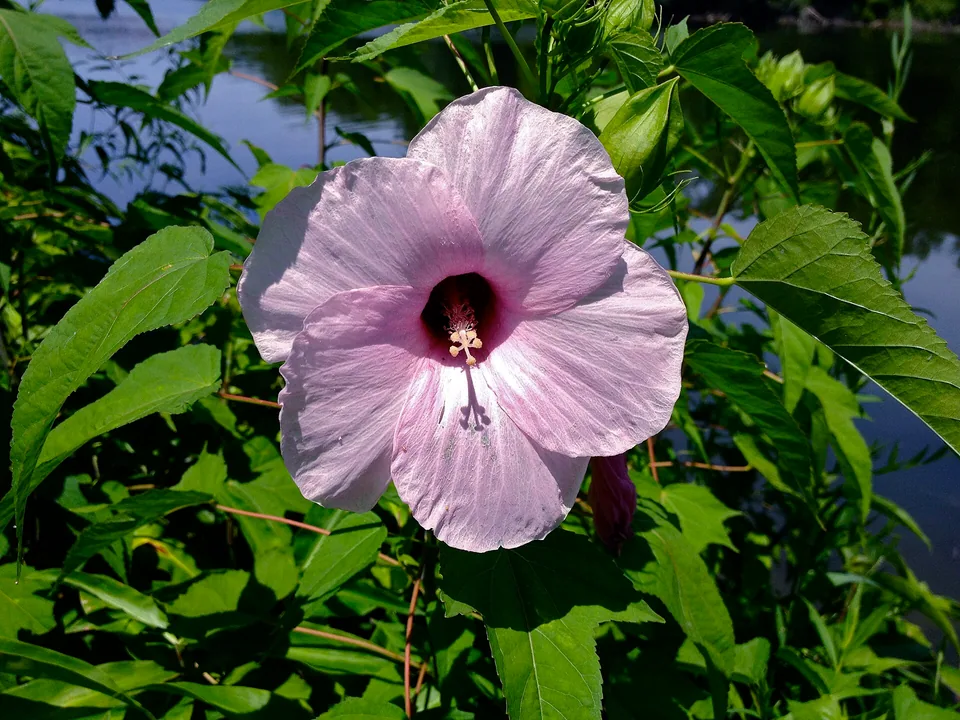
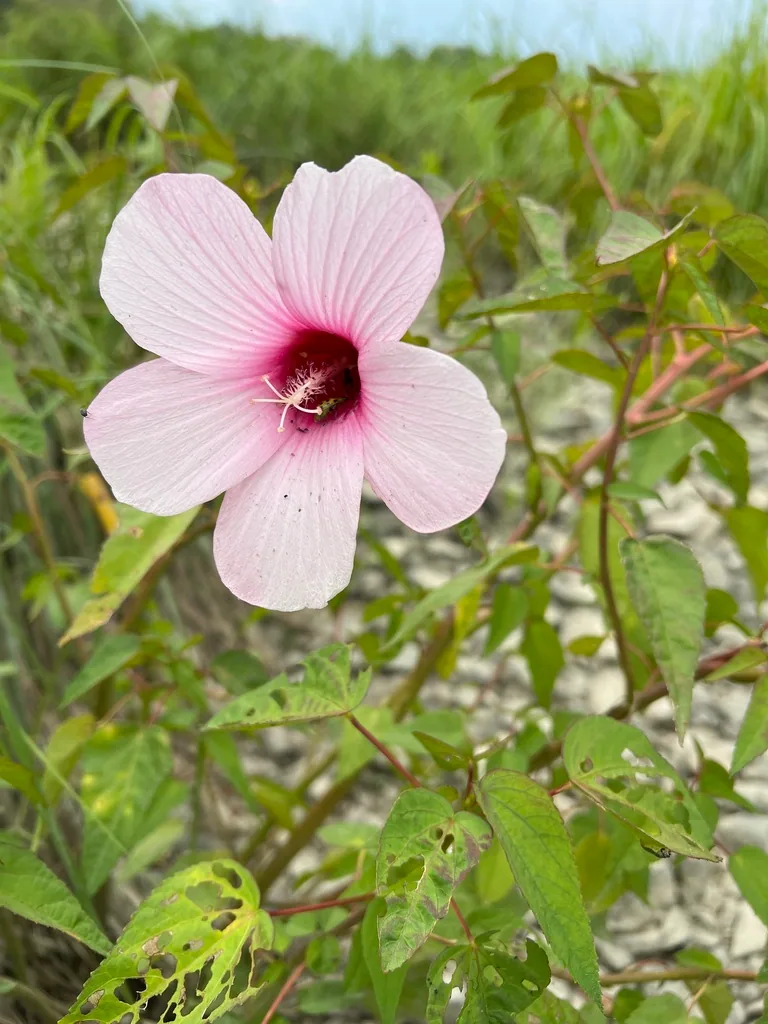

How to Grow and Care for Halberdleaf Rosemallow
Hibiscus laevis
Written by Emilio Marruso · last checked
At a glance
This perennial hibiscus loves water: give it moist to wet soil and it will thrive in full sun or partial shade. It grows into a generous plant 4–6 ft tall and 3–4 ft wide, just right for a damp corner of the garden. Start it from seed in a warm greenhouse in early spring, or grow new plants from cuttings.
- Sun
Full sun to partial shade
What the sources say (3)
Light: Full sun to partial shade
This plant prefers full or partial sun, fertile soil, and wet conditions
— Muenchhusia laevis (Halberdleaf Hibiscus, Halberdleaf Rosemallow, Halberd-leaved Hibiscus, Halberd-leaved Rose-mallow, Scarlet Rose-mallow, Smooth Rose-mallow) | North Carolina Extension Gardener Plant Toolbox [1] Light Requirement: Sun , Part Shade
— Lady Bird Johnson Wildflower Center - The University of Texas at Austin [2] Best grown in organically rich, medium to wet soils in full sun. Tolerates some light shade, but full sun produces best flowering
— Hibiscus laevis - Useful Temperate Plants [4] - Water
Thirsty plant: keep the soil moist to wet
What the sources say (3)
Watering: Moist to wet soil; water use high
Soil Drainage: Moist Occasionally Wet
— Muenchhusia laevis (Halberdleaf Hibiscus, Halberdleaf Rosemallow, Halberd-leaved Hibiscus, Halberd-leaved Rose-mallow, Scarlet Rose-mallow, Smooth Rose-mallow) | North Carolina Extension Gardener Plant Toolbox [1] Water Use: High Light Requirement: Sun , Part Shade Soil Moisture: Moist
— Lady Bird Johnson Wildflower Center - The University of Texas at Austin [2] Best grown in organically rich, medium to wet soils in full sun. Tolerates some light shade, but full sun produces best flowering
— Hibiscus laevis - Useful Temperate Plants [4] - Cold
Survives winters down to −30 °F (−34.4 °C)
Very hardy · USDA 4a · RHS H7 · Z4
What the sources say (6)
Hardiness, coldest zone: 4a [winter low −34.4 to −31.7 °C (−30 to −25 °F)]
According to NC State Extension: USDA Plant Hardiness Zone: 4a, 4b, 5a, 5b, 6a, 6b, 7a, 7b, 8a, 8b, 9a, 9b
— Muenchhusia laevis (Halberdleaf Hibiscus, Halberdleaf Rosemallow, Halberd-leaved Hibiscus, Halberd-leaved Rose-mallow, Scarlet Rose-mallow, Smooth Rose-mallow) | North Carolina Extension Gardener Plant Toolbox [1] According to Florida Native Plant Society (Florida): Suitable to Grow In: 8A,8B
— Florida Native Plant Society | Conserve, Preserve & Restore Florida's Native Plants [3] USDA Plant Hardiness Zone: 4a, 4b, 5a, 5b, 6a, 6b, 7a, 7b, 8a, 8b, 9a, 9b
— Muenchhusia laevis (Halberdleaf Hibiscus, Halberdleaf Rosemallow, Halberd-leaved Hibiscus, Halberd-leaved Rose-mallow, Scarlet Rose-mallow, Smooth Rose-mallow) | North Carolina Extension Gardener Plant Toolbox [1] Hardiness, warmest zone: 9b [winter low −3.9 to −1.1 °C (25 to 30 °F)]
According to NC State Extension: USDA Plant Hardiness Zone: 4a, 4b, 5a, 5b, 6a, 6b, 7a, 7b, 8a, 8b, 9a, 9b
— Muenchhusia laevis (Halberdleaf Hibiscus, Halberdleaf Rosemallow, Halberd-leaved Hibiscus, Halberd-leaved Rose-mallow, Scarlet Rose-mallow, Smooth Rose-mallow) | North Carolina Extension Gardener Plant Toolbox [1] According to Florida Native Plant Society (Florida): Suitable to Grow In: 8A,8B
— Florida Native Plant Society | Conserve, Preserve & Restore Florida's Native Plants [3] USDA Plant Hardiness Zone: 4a, 4b, 5a, 5b, 6a, 6b, 7a, 7b, 8a, 8b, 9a, 9b
— Muenchhusia laevis (Halberdleaf Hibiscus, Halberdleaf Rosemallow, Halberd-leaved Hibiscus, Halberd-leaved Rose-mallow, Scarlet Rose-mallow, Smooth Rose-mallow) | North Carolina Extension Gardener Plant Toolbox [1] - Size
4–6 ft tall and 3–4 ft wide
What the sources say (2)
Mature height: 121.92-182.88 cm (4-6 ft)
It grows to a height of 4 to 6 feet and a width of 3 to 4 feet.
— Muenchhusia laevis (Halberdleaf Hibiscus, Halberdleaf Rosemallow, Halberd-leaved Hibiscus, Halberd-leaved Rose-mallow, Scarlet Rose-mallow, Smooth Rose-mallow) | North Carolina Extension Gardener Plant Toolbox [1] Mature width: 91.44-121.92 cm (3-4 ft)
It grows to a height of 4 to 6 feet and a width of 3 to 4 feet.
— Muenchhusia laevis (Halberdleaf Hibiscus, Halberdleaf Rosemallow, Halberd-leaved Hibiscus, Halberd-leaved Rose-mallow, Scarlet Rose-mallow, Smooth Rose-mallow) | North Carolina Extension Gardener Plant Toolbox [1] - Propagation
Grows from seed or from cuttings
What the sources say (3)
Propagation: Seed; cuttings
Propagation occurs through seed planting.
— Muenchhusia laevis (Halberdleaf Hibiscus, Halberdleaf Rosemallow, Halberd-leaved Hibiscus, Halberd-leaved Rose-mallow, Scarlet Rose-mallow, Smooth Rose-mallow) | North Carolina Extension Gardener Plant Toolbox [1] Propagation Material: Seeds Seed Collection: Collect seed in summer, when pods open.
— Lady Bird Johnson Wildflower Center - The University of Texas at Austin [2] This native species grows well from seed or cuttings
— Hibiscus laevis page [6] - Sowing
Sow in early spring in a warm greenhouse
What the sources say (1)
Sowing: Early spring (in a warm greenhouse)
Seed - sow early spring in a warm greenhouse.
— Hibiscus laevis - Useful Temperate Plants [4]
Overview
Halberd-leaved rose mallow is a rapidly growing perennial native to southeastern Canada and the central and eastern United States. [1] It prefers full or partial sun, fertile soil and wet conditions. [1] It is used in pollinator, rain and wetland gardens and is propagated from seed. [1]
This record is incomplete: the sources we read do not cover every field yet.
Not yet covered by our sources: Pruning
Halberdleaf Rosemallow care
How to water Halberdleaf Rosemallow
Moist to wet soil; water use high
What the sources say (3)
Soil Drainage:
Moist
Occasionally WetWater Use: High
Light Requirement: Sun , Part Shade
Soil Moisture: MoistBest grown in organically rich, medium to wet soils in full sun. Tolerates some light shade, but full sun produces best floweringHow much light Halberdleaf Rosemallow needs
Full sun to partial shade
What the sources say (3)
This plant prefers full or partial sun, fertile soil, and wet conditionsLight Requirement: Sun , Part ShadeBest grown in organically rich, medium to wet soils in full sun. Tolerates some light shade, but full sun produces best floweringHow much cold Halberdleaf Rosemallow can take
Hardiness, coldest zone
4a [winter low −34.4 to −31.7 °C (−30 to −25 °F)]
What each source says
According to NC State Extension: 4a [winter low −34.4 to −31.7 °C (−30 to −25 °F)]
According to Florida Native Plant Society (Florida): 8A [winter low −12.2 to −9.4 °C (10 to 15 °F)]
What the sources say (3)
According to NC State Extension: USDA Plant Hardiness Zone:
4a, 4b, 5a, 5b, 6a, 6b, 7a, 7b, 8a, 8b, 9a, 9bAccording to Florida Native Plant Society (Florida): Suitable to Grow In:
8A,8BUSDA Plant Hardiness Zone:
4a, 4b, 5a, 5b, 6a, 6b, 7a, 7b, 8a, 8b, 9a, 9bHardiness, warmest zone
9b [winter low −3.9 to −1.1 °C (25 to 30 °F)]
What each source says
According to NC State Extension: 9b [winter low −3.9 to −1.1 °C (25 to 30 °F)]
According to Florida Native Plant Society (Florida): 8B [winter low −9.4 to −6.7 °C (15 to 20 °F)]
What the sources say (3)
According to NC State Extension: USDA Plant Hardiness Zone:
4a, 4b, 5a, 5b, 6a, 6b, 7a, 7b, 8a, 8b, 9a, 9bAccording to Florida Native Plant Society (Florida): Suitable to Grow In:
8A,8BUSDA Plant Hardiness Zone:
4a, 4b, 5a, 5b, 6a, 6b, 7a, 7b, 8a, 8b, 9a, 9bHow to propagate Halberdleaf Rosemallow
Seed; cuttings
What the sources say (3)
Propagation occurs through seed planting.Propagation Material: Seeds
Seed Collection: Collect seed in summer, when pods open.This native species grows well from seed or cuttingsHow to grow Halberdleaf Rosemallow
The plant
Life cycle
perennial
What the sources say (1)
Halberd-leaved rose mallow is a rapidly growing perennial in the Malvaceae (mallow) family and is native to southeastern Canada and central and eastern United States.Family
Malvaceae
What the sources say (1)
Halberd-leaved rose mallow is a rapidly growing perennial in the Malvaceae (mallow) family and is native to southeastern Canada and central and eastern United States.Mature height
121.92-182.88 cm (4-6 ft)
What the sources say (1)
It grows to a height of 4 to 6 feet and a width of 3 to 4 feet.Mature width
91.44-121.92 cm (3-4 ft)
What the sources say (1)
It grows to a height of 4 to 6 feet and a width of 3 to 4 feet.Remedies
Each remedy shows what official sources say about it; traditional remedies without an official source are marked as such. Harmful ones are listed so you know to avoid them.
Treating the plant
japanese beetles
hand-picking into soapy water Works
How: Hand-pick beetles in early morning into soapy water and remove heavily infested flowers.
Hand-pick beetles in early morning into soapy water and remove heavily infested flowers, then reduce attractiveness by deadheading spent blooms
— botanapp.com [7] What the evidence says For Japanese beetles, hand picking into soapy water is a good strategy.
— ask.extension.org [8]
sawflies
hand-picking larvae Works
How: Inspect plants regularly, crush or remove larvae by hand, and prune out heavily infested stems.
Inspect plants regularly, crush or remove larvae by hand, and prune out heavily infested stems;
— botanapp.com [7] What the evidence says You can simply pick off sawfly larvae by hand and drop them into a container of soapy water to kill them.
— ask.extension.org [8] strong water spray Works
How: Use a strong water spray to dislodge larvae.
for repeated issues, use a strong water spray to dislodge larvae
— botanapp.com [7] What the evidence says A forceful spray of water can knock small sawflies off of a plant; the dislodged insects cannot climb back onto the plant.
— ask.extension.org [8]
aphids
strong stream of water Not verified
Traditional remedy, not verified by an official source.
How: Wash colonies off stems and buds with a firm stream of water, then encourage natural predators.
insecticidal soap Works
How: If populations persist, use insecticidal soap, applied in the early morning and repeated as needed.
if populations persist, use insecticidal soap or neem oil, applied in the early morning and repeated as needed
— botanapp.com [7] What the evidence says insecticidal soap is a safe, effective organic insecticide with minimal environmental impact.
— extension.psu.edu [9] neem oil Partly works
How: If populations persist, use neem oil, applied in the early morning and repeated as needed.
if populations persist, use insecticidal soap or neem oil, applied in the early morning and repeated as needed
— botanapp.com [7] What the evidence says Some benefits of neem include low mammalian toxicity and limited persistence in the environment. However, neem oil is not effective against every insect and disease
— extension.unh.edu [10]
leaf spot
removing affected leaves Not verified
Traditional remedy, not verified by an official source.
How: Remove and dispose of affected leaves, avoid overhead watering, thin surrounding vegetation to improve airflow.
rust
removing infected leaves Not verified
Traditional remedy, not verified by an official source.
How: Promptly remove and discard infected leaves and fallen debris, then increase spacing and airflow.
Calendar
Sowing
Early spring (in a warm greenhouse)
What the sources say (1)
Seed - sow early spring in a warm greenhouse.Pruning
Not stated in the sources we read.
Months as given by the sources, which are mostly from the United States (northern hemisphere). In the southern hemisphere they shift by about six months.
Indicative values
Values from a secondary source, not checked word for word like the rest of this page. Use them as a starting point.
- Hours of sun
- 6-8 hoursIndicative value, adapt it to your climate · Secondary source
- Drought tolerant
- yesIndicative value, adapt it to your climate · Secondary source
- Soil pH
- 6-7Indicative value, adapt it to your climate · Secondary source
- Care level
- MediumIndicative value, adapt it to your climate · Secondary source
- Growth rate
- LowIndicative value, adapt it to your climate · Secondary source
- Pruning
- December, January, February, May, March, April, May, June, July, AugustIndicative value, adapt it to your climate · Secondary source
Similar plants
- Chinese Hibiscus Hibiscus × rosa-sinensis
- Cranberry Hibiscus Hibiscus acetosella
- Flower of an hour Hibiscus trionum
- Hamabo Hibiscus Hibiscus hamabo
- Heart-leaf Hibiscus Hibiscus martianus
- Rose of Sharon Hibiscus syriacus
- Scarlet Rose Mallow Hibiscus coccineus
- Sea hibiscus Hibiscus tiliaceus
Sources
Every value above is quoted from these documents. Links lead to the original publisher.
- Muenchhusia laevis (Halberdleaf Hibiscus, Halberdleaf Rosemallow, Halberd-leaved Hibiscus, Halberd-leaved Rose-mallow, Scarlet Rose-mallow, Smooth Rose-mallow) | North Carolina Extension Gardener Plant Toolbox · plants.ces.ncsu.edu, consulted
- Lady Bird Johnson Wildflower Center - The University of Texas at Austin · wildflower.org, consulted
- Florida Native Plant Society | Conserve, Preserve & Restore Florida's Native Plants · fnps.org, consulted
- Hibiscus laevis - Useful Temperate Plants · temperate.theferns.info, consulted
- Halberd-leaf Rosemallow | Hibiscus laevis · natlands.org, consulted
- Hibiscus laevis page · missouriplants.com, consulted
- botanapp.com · botanapp.com
- ask.extension.org · ask.extension.org
- extension.psu.edu · extension.psu.edu
- extension.unh.edu · extension.unh.edu
Written by Emilio Marruso · last checked