
How to Grow and Care for Chinese Hibiscus
Hibiscus × rosa-sinensis
Written by Emilio Marruso · last checked
At a glance
Hibiscus is a perennial with edible flowers that grows happily in containers and even indoors. Give it full sun to partial shade and soil that stays moist but never soggy, and it can grow 4 to 10 feet tall. Making new plants is easy too: stem cuttings form roots in just 3 to 5 weeks.
- Sun
Full sun to partial shade
What the sources say (2)
Light: Full sun to partial shade
Plant in a location with full sun to partial shade
— Hibiscus rosa-sinensis (Chinese Hibiscus, HIbiscus) | North Carolina Extension Gardener Plant Toolbox [1] Light: Full sun (6 or more hours of direct sunlight a day) Partial Shade (Direct sunlight only part of the day, 2-6 hours)
— Hibiscus rosa-sinensis (Chinese Hibiscus, HIbiscus) | North Carolina Extension Gardener Plant Toolbox [1] - Water
Keep the soil moist, not soggy; water until it drains out the bottom, a bit less in winter
What the sources say (6)
Watering: Keep the soil relatively moist, not saturated
Keep the soil relatively moist, not saturated.
— Hibiscus | UMN Extension [2] The roots should be kept moist.
— Hibiscus rosa-sinensis (Chinese Hibiscus, HIbiscus) | North Carolina Extension Gardener Plant Toolbox [1] Watering notes: Water from the top of the soil down so that water runs out the bottom holes; in winter allow the soil to dry out a little more between watering
Water from the top of the soil down so that water runs out the bottom holes.
— Hibiscus | UMN Extension [2] During the winter months, allow the soil to dry out a little more between watering.
— Hibiscus | UMN Extension [2] Drought: Needs moist soil: the roots should be kept moist and the soil never allowed to dry to the point of wilting.
Plant in a location with full sun to partial shade and in rich, moist soil with good drainage. The roots should be kept moist.
— Hibiscus rosa-sinensis (Chinese Hibiscus, HIbiscus) | North Carolina Extension Gardener Plant Toolbox [1] Keep the soil relatively moist, not saturated. - Never allow the soil to dry out to the point of wilting.
— Hibiscus | UMN Extension [2] - Cold
Survives winters down to 20 °F (−6.7 °C)
Hardy in average winters · USDA 9a · RHS H4 · Z9
What the sources say (2)
Hardiness, coldest zone: 9a [winter low −6.7 to −3.9 °C (20 to 25 °F)]
USDA Plant Hardiness Zone: 9a, 9b, 10a, 10b, 11a, 11b
— Hibiscus rosa-sinensis (Chinese Hibiscus, HIbiscus) | North Carolina Extension Gardener Plant Toolbox [1] Hardiness, warmest zone: 11b [winter low 7.2 to 10 °C (45 to 50 °F)]
USDA Plant Hardiness Zone: 9a, 9b, 10a, 10b, 11a, 11b
— Hibiscus rosa-sinensis (Chinese Hibiscus, HIbiscus) | North Carolina Extension Gardener Plant Toolbox [1] - Feeding
Balanced fertilizer at half strength; yellowing leaves can mean it needs feeding
What the sources say (3)
Mineral fertilizers: Balanced fertilizer such as 20-20-20 or 10-10-10, at half the label strength
Hibiscus are heavy feeders and require a balanced fertilizer such as 20-20-20 or 10-10-10.
— Hibiscus | UMN Extension [2] Use at half the label recommended strength every 2-3 weeks when placed outside for the summer.
— Hibiscus | UMN Extension [2] Signs of deficiency: Yellowing leaves can signal a need for fertilizer
Some yellowing is normal in spring or fall when growing conditions are in transition. - Yellowing may signal need for fertilizer.
— Hibiscus | UMN Extension [2] - Harvest
The flowers are edible
- Pests
Aphids, spider mites and scale insects
What the sources say (2)
Pests: aphids, spider mites, scale insects
The most common insects are aphids and spider mites
— Hibiscus | UMN Extension [2] Insects, Diseases, and Other Plant Problems: No significant problems, but watch for scale insects.
— Hibiscus rosa-sinensis (Chinese Hibiscus, HIbiscus) | North Carolina Extension Gardener Plant Toolbox [1] - Watch out
Sudden changes in water or temperature and drafts yellow the leaves; too cold or hot makes buds drop
- Size
4 to 10 ft tall and 5 to 8 ft wide
What the sources say (2)
Mature height: 122-305 cm (4-10 ft)
It grows 4 to 10 feet high and 5 to 8 feet wide, so consider its space requirements when determining its planting location.
— Hibiscus rosa-sinensis (Chinese Hibiscus, HIbiscus) | North Carolina Extension Gardener Plant Toolbox [1] Mature width: 152-244 cm (5-8 ft)
It grows 4 to 10 feet high and 5 to 8 feet wide, so consider its space requirements when determining its planting location.
— Hibiscus rosa-sinensis (Chinese Hibiscus, HIbiscus) | North Carolina Extension Gardener Plant Toolbox [1] - Propagation
Stem cuttings 3–5 in long in light, slightly moist mix; roots form in 3–5 weeks
What the sources say (6)
Propagation: Stem cuttings
Propagation is by stem cutting.
— Hibiscus rosa-sinensis (Chinese Hibiscus, HIbiscus) | North Carolina Extension Gardener Plant Toolbox [1] The easiest method of propagating these plants is from vegetative cuttings.
— Hibiscus | UMN Extension [2] Cuttings: Stem cuttings 7.6-12.7 cm [3–5 in] long from the strongest shoots, cut ends dipped in rooting hormone, in a small pot of light potting mix kept slightly moist in a well-lit place; roots form in 3-5 weeks.
Take 3"-5" cuttings from the strongest shoots available.
— Hibiscus | UMN Extension [2] Dip the cut ends in a rooting hormone compound, tap off the excess and stick in a small pot filled with a light potting mixture.
— Hibiscus | UMN Extension [2] Keep slightly moist and place in a well lighted area.
— Hibiscus | UMN Extension [2] After 3-5 weeks, they should develop a good root system and be ready for transplanting.
— Hibiscus | UMN Extension [2] - Containers
Grows in containers and indoors too
What the sources say (2)
In containers: Yes
It can also be grown in a container and as a houseplant or conservatory plant.
— Hibiscus rosa-sinensis (Chinese Hibiscus, HIbiscus) | North Carolina Extension Gardener Plant Toolbox [1] Indoors: Yes
Hibiscus make great house plants
— Hibiscus | UMN Extension [2]
Overview
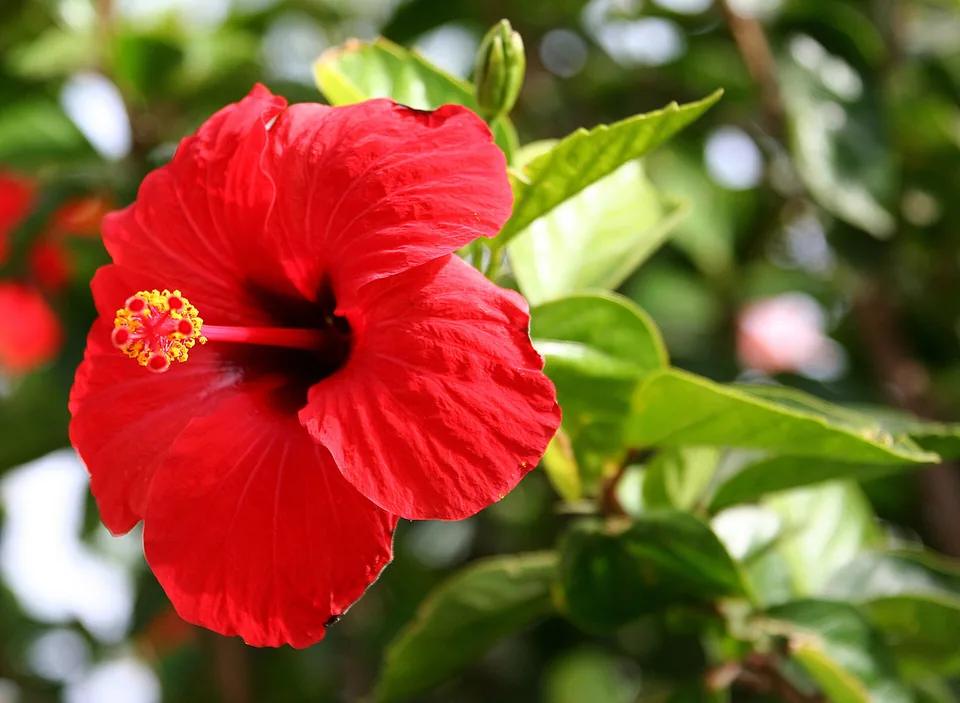
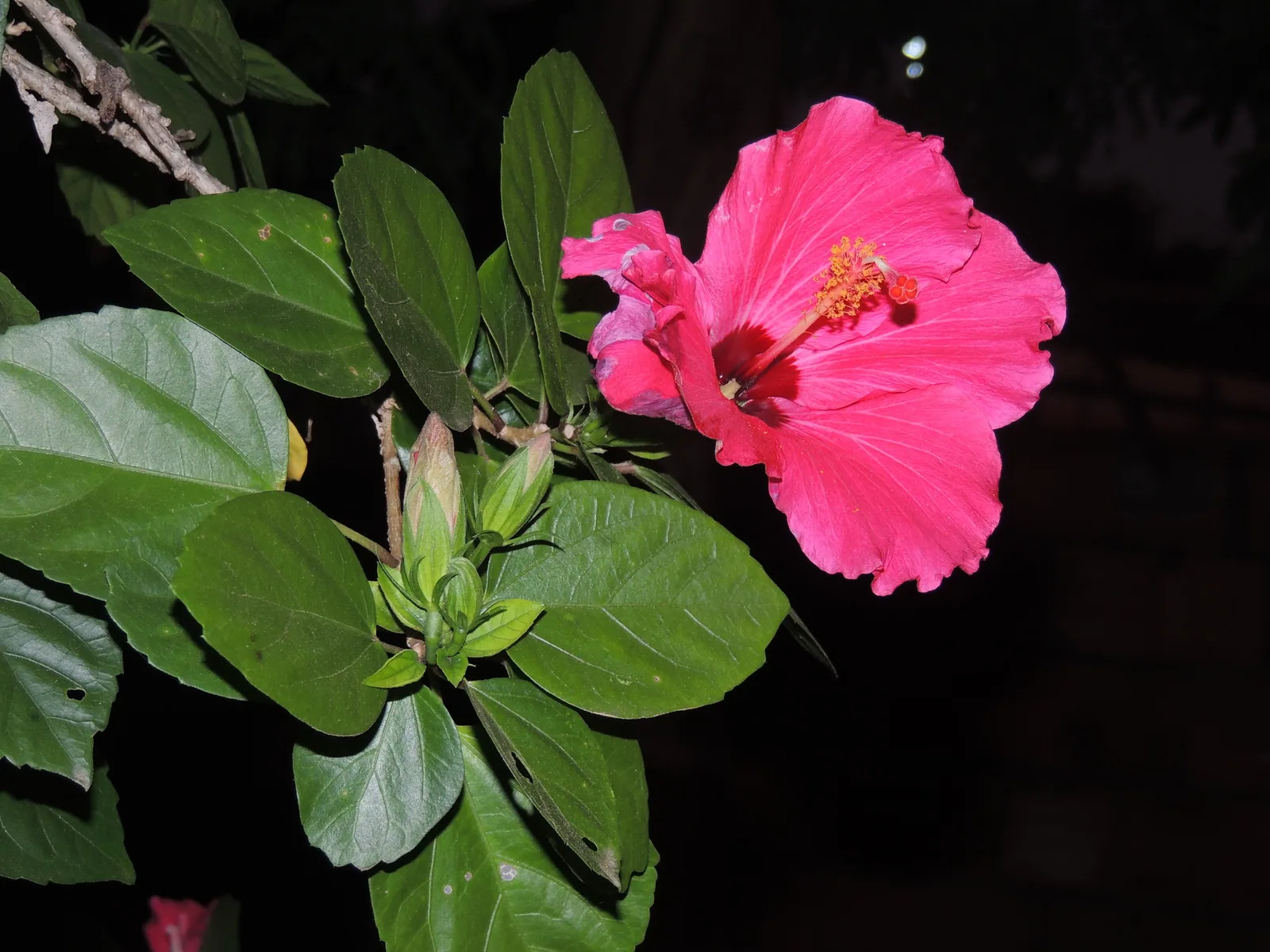
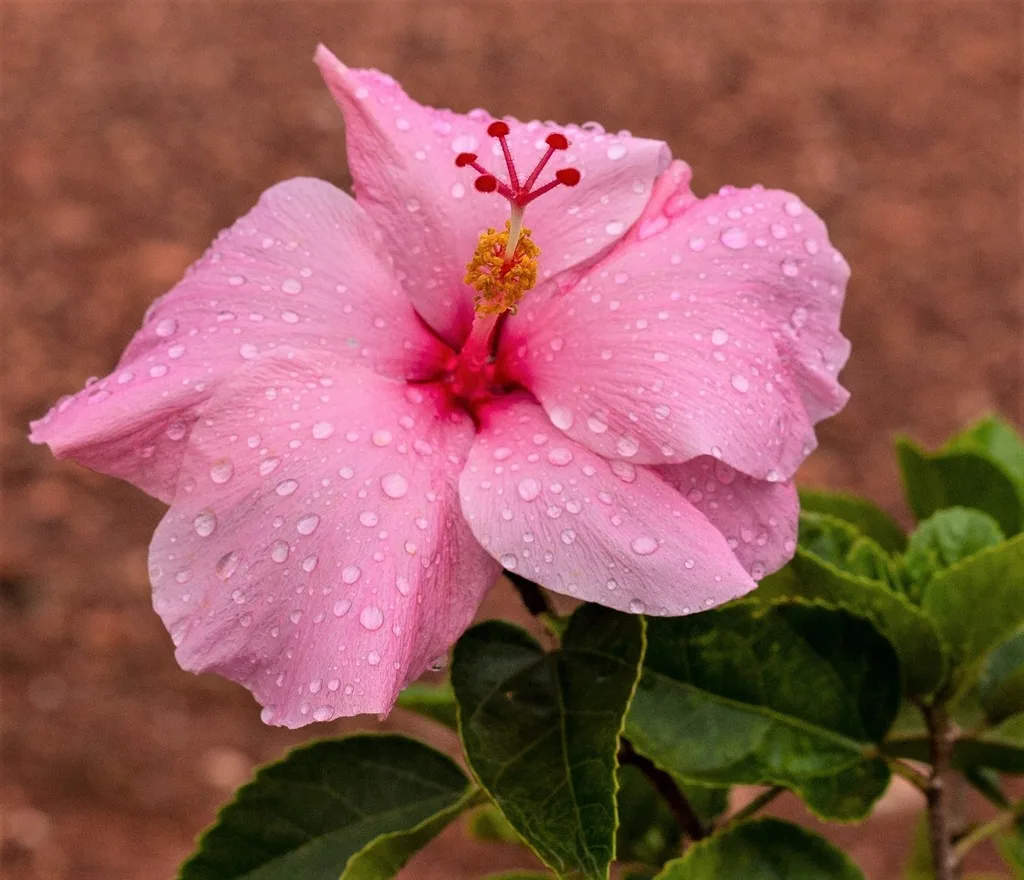
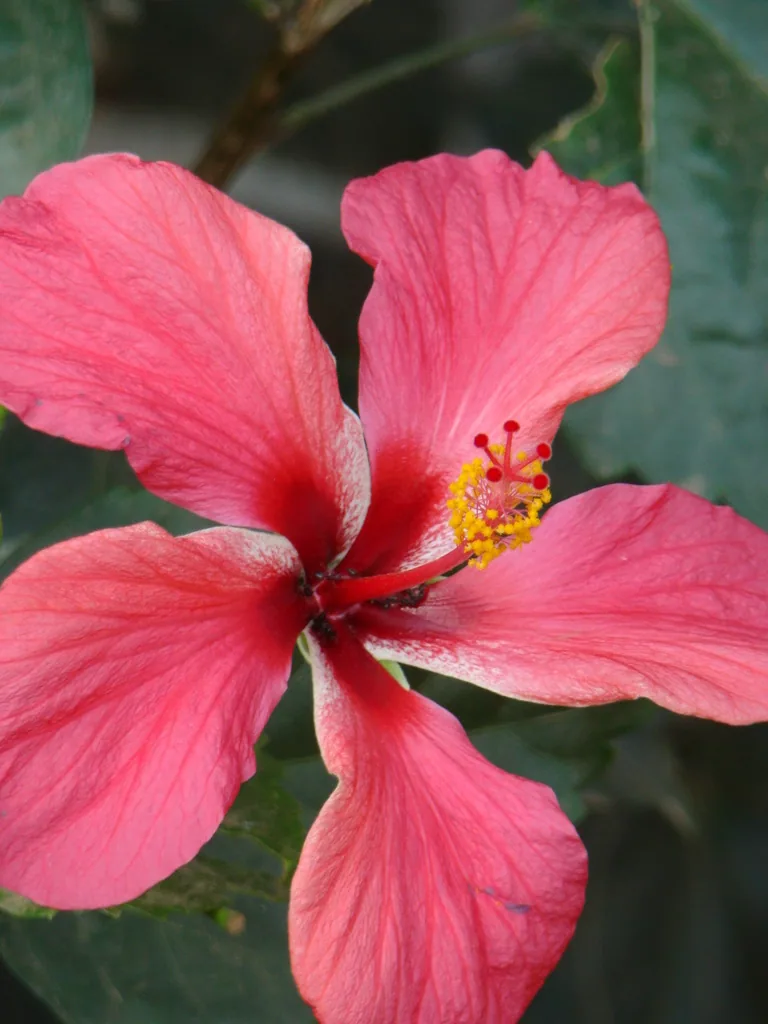
Chinese hibiscus is a tropical evergreen shrub with large funnel-shaped flowers that need protection from frost. [1] It can be grown outdoors or in containers and indoors in bright light. [1]
Chinese Hibiscus care
How to water Chinese Hibiscus
Watering
Keep the soil relatively moist, not saturated
Watering notes
Water from the top of the soil down so that water runs out the bottom holes; in winter allow the soil to dry out a little more between watering
How much light Chinese Hibiscus needs
Full sun to partial shade
What the sources say (2)
Plant in a location with full sun to partial shadeLight:
Full sun (6 or more hours of direct sunlight a day)
Partial Shade (Direct sunlight only part of the day, 2-6 hours)How much cold Chinese Hibiscus can take
Hardiness, coldest zone
9a [winter low −6.7 to −3.9 °C (20 to 25 °F)]
What the sources say (1)
USDA Plant Hardiness Zone:
9a, 9b, 10a, 10b, 11a, 11bHardiness, warmest zone
11b [winter low 7.2 to 10 °C (45 to 50 °F)]
What the sources say (1)
USDA Plant Hardiness Zone:
9a, 9b, 10a, 10b, 11a, 11bWhere to grow Chinese Hibiscus
In containers
Yes
What the sources say (1)
It can also be grown in a container and as a houseplant or conservatory plant.How to propagate Chinese Hibiscus
How to grow Chinese Hibiscus
The plant
Life cycle
perennial
What the sources say (1)
Chinese hibiscus is a woody perennial shrub of the mallow family (Malvaceae).Family
Malvaceae
What the sources say (1)
Chinese hibiscus is a woody perennial shrub of the mallow family (Malvaceae).Mature height
122-305 cm (4-10 ft)
What the sources say (1)
It grows 4 to 10 feet high and 5 to 8 feet wide, so consider its space requirements when determining its planting location.Mature width
152-244 cm (5-8 ft)
What the sources say (1)
It grows 4 to 10 feet high and 5 to 8 feet wide, so consider its space requirements when determining its planting location.Pests and diseases
Pests
aphids, spider mites, scale insects
What the sources say (2)
The most common insects are aphids and spider mitesInsects, Diseases, and Other Plant Problems: No significant problems, but watch for scale insects.Fertilizing
When
The sources give different values depending on region, zone or growing conditions.
What each source says
outdoors: Summer, while the plant is outside
indoors: Spring and summer, less frequently in winter
What the sources say (2)
outdoors: Use at half the label recommended strength every 2-3 weeks when placed outside for the summer.indoors: Indoors, fertilize less often, using ½-strength formulation, every month or so in spring and summer, less frequently in winter.How often
The sources give different values depending on region, zone or growing conditions.
What each source says
outdoors: Every 2 to 3 weeks in summer
indoors: Once a month in spring and summer, less often in winter
What the sources say (2)
outdoors: Use at half the label recommended strength every 2-3 weeks when placed outside for the summer.indoors: Indoors, fertilize less often, using ½-strength formulation, every month or so in spring and summer, less frequently in winter.Mineral fertilizers
Balanced fertilizer such as 20-20-20 or 10-10-10, at half the label strength
Signs of deficiency
Yellowing leaves can signal a need for fertilizer
What the sources say (1)
Some yellowing is normal in spring or fall when growing conditions are in transition. - Yellowing may signal need for fertilizer.Propagation
Cuttings
Stem cuttings 7.6-12.7 cm [3–5 in] long from the strongest shoots, cut ends dipped in rooting hormone, in a small pot of light potting mix kept slightly moist in a well-lit place; roots form in 3-5 weeks.
What the sources say (4)
Take 3"-5" cuttings from the strongest shoots available.Dip the cut ends in a rooting hormone compound, tap off the excess and stick in a small pot filled with a light potting mixture.Keep slightly moist and place in a well lighted area.After 3-5 weeks, they should develop a good root system and be ready for transplanting.Heat and drought
Drought
Needs moist soil: the roots should be kept moist and the soil never allowed to dry to the point of wilting.
What the sources say (2)
Plant in a location with full sun to partial shade and in rich, moist soil with good drainage. The roots should be kept moist.Keep the soil relatively moist, not saturated. - Never allow the soil to dry out to the point of wilting.Chinese Hibiscus pests and problems
Yellow leaves
Symptom: Yellowing leaves
What to do: Caused by abrupt changes in soil moisture, air temperature or drafts; avoid excessive watering.
What the sources say (1)
Caused by abrupt changes in soil moisture, air temperature or drafts.
— Hibiscus | UMN Extension [2] Bud drop
Symptom: Flower buds drop
What to do: Caused by the plant being too cold or too hot; avoid drafts, too little or too much water and low light.
What the sources say (1)
Caused by the plant being too cold or too hot.
— Hibiscus | UMN Extension [2]
Remedies
Each remedy shows what official sources say about it; traditional remedies without an official source are marked as such. Harmful ones are listed so you know to avoid them.
Treating the plant
aphids and spider mites
insecticidal soap Official source, not independently tested
Always follow the pesticide label directions attached to the pesticide container you are using.
— Hibiscus | UMN Extension [2] How: Use insecticidal soap if necessary.
Use insecticidal soap or insecticides labeled for use on hibiscus if necessary.
— Hibiscus | UMN Extension [2]
Calendar
Pruning
The sources give different values depending on region, zone or growing conditions.
What each source says
According to NC State Extension: Early spring
According to UMN Extension (houseplant): Late winter
What the sources say (2)
According to NC State Extension: Prune back by about one-half the height in early springAccording to UMN Extension (houseplant): Prune in late winter to encourage a bushier plant.Months as given by the sources, which are mostly from the United States (northern hemisphere). In the southern hemisphere they shift by about six months.
Edibility
Reported by the source, quoted verbatim. Do not eat a plant on the basis of this page alone: identification mistakes can be dangerous.
Edibility: Edible flowers.
[1]
Indicative values
Values from a secondary source, not checked word for word like the rest of this page. Use them as a starting point.
- Hours of sun
- 6-8 hoursIndicative value, adapt it to your climate · Secondary source
- Soil
- Acidic, Well-drainedIndicative value, adapt it to your climate · Secondary source
- Soil pH
- 6-7Indicative value, adapt it to your climate · Secondary source
- Care level
- MediumIndicative value, adapt it to your climate · Secondary source
- Growth rate
- ModerateIndicative value, adapt it to your climate · Secondary source
Similar plants
- Cranberry Hibiscus Hibiscus acetosella
- Flower of an hour Hibiscus trionum
- Halberdleaf Rosemallow Hibiscus laevis
- Hamabo Hibiscus Hibiscus hamabo
- Heart-leaf Hibiscus Hibiscus martianus
- Rose of Sharon Hibiscus syriacus
- Scarlet Rose Mallow Hibiscus coccineus
- Sea hibiscus Hibiscus tiliaceus
Sources
Every value above is quoted from these documents. Links lead to the original publisher.
- Hibiscus rosa-sinensis (Chinese Hibiscus, HIbiscus) | North Carolina Extension Gardener Plant Toolbox · plants.ces.ncsu.edu, consulted
- Hibiscus | UMN Extension · extension.umn.edu, consulted
Written by Emilio Marruso · last checked