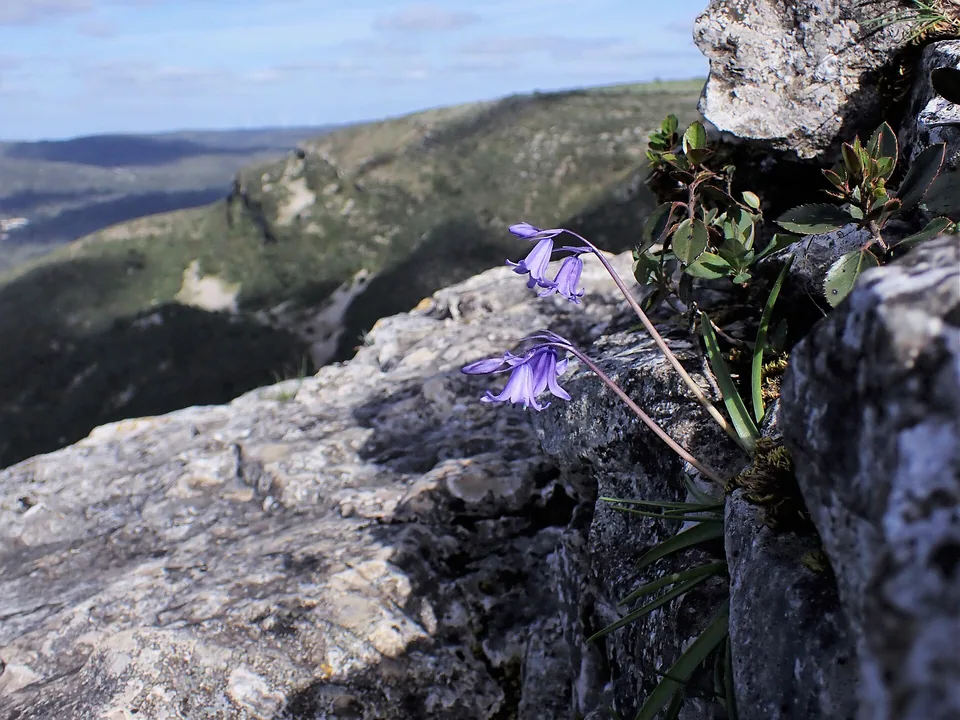


How to Grow and Care for Spanish Bluebell
Hyacinthoides hispanica
Written by Emilio Marruso · last checked
Toxic to: People · Why
At a glance
Spanish bluebell is an easygoing perennial bulb: plant it in fall and it comes back year after year. It is happiest in part sun or partial shade, but it tolerates everything from full sun to full shade, and it grows in containers too. It spreads on its own by offsets and seeds, so simply lift and divide crowded clumps.
- Sun
Part sun or part shade is best; in hot climates, morning sun and afternoon shade
What the sources say (3)
Light: Part sun or partial shade; tolerates full sun to full shade
According to NC State Extension: This plant prefers moist, well-drained soil and part sun or partial shade but tolerates full sun to full shade.
— Hyacinthoides hispanica (Spanish Bluebell, Wood Hyacinth) | North Carolina Extension Gardener Plant Toolbox [1] hot Southern climate: In our hot Southern climate, wood hyacinths are best planted where they get morning sun and shade in the afternoon
— Wood Hyacinth | Home & Garden Information Center [2] This plant prefers moist, well-drained soil and part sun or partial shade but tolerates full sun to full shade.
— Hyacinthoides hispanica (Spanish Bluebell, Wood Hyacinth) | North Carolina Extension Gardener Plant Toolbox [1] - Cold
Survives winters down to −40 °F (−40 °C)
Very hardy · USDA 3a · RHS H7 · Z3
What the sources say (2)
Hardiness, coldest zone: 3a [winter low −40 to −37.2 °C (−40 to −35 °F)]
3a, 3b, 4a, 4b, 5a, 5b, 6a, 6b, 7a, 7b, 8a, 8b
— Hyacinthoides hispanica (Spanish Bluebell, Wood Hyacinth) | North Carolina Extension Gardener Plant Toolbox [1] Hardiness, warmest zone: 8b [winter low −9.4 to −6.7 °C (15 to 20 °F)]
3a, 3b, 4a, 4b, 5a, 5b, 6a, 6b, 7a, 7b, 8a, 8b
— Hyacinthoides hispanica (Spanish Bluebell, Wood Hyacinth) | North Carolina Extension Gardener Plant Toolbox [1] - Spacing
4–6 in between bulbs
What the sources say (1)
Spacing: 10.2-15.2 cm (4-6 in)
Plant them 3 inches deep and 4 to 6 inches apart in moist, well-drained, organically rich soil.
— Wood Hyacinth | Home & Garden Information Center [2] - Planting
Plant the bulbs in fall
What the sources say (1)
Planting: Fall
Similar to daffodils, wood hyacinths are planted in the fall.
— Wood Hyacinth | Home & Garden Information Center [2] - Watch out
Spreads easily and can become weedy; lift and divide crowded bulbs while dormant
- Size
6 in to 1.5 ft tall and 6 in to 1 ft wide
What the sources say (2)
Mature height: 15.2-45.7 cm (6 in - 1 ft 6 in)
Height: 0 ft. 6 in. - 1 ft. 6 in. Width: 0 ft. 6 in. - 1 ft. 0 in.
— Hyacinthoides hispanica (Spanish Bluebell, Wood Hyacinth) | North Carolina Extension Gardener Plant Toolbox [1] Mature width: 15.2-30.5 cm (6 in - 1 ft)
Height: 0 ft. 6 in. - 1 ft. 6 in. Width: 0 ft. 6 in. - 1 ft. 0 in.
— Hyacinthoides hispanica (Spanish Bluebell, Wood Hyacinth) | North Carolina Extension Gardener Plant Toolbox [1] - Propagation
Divide crowded bulbs while dormant, replant the small offset bulbs, or sow seed
What the sources say (2)
Propagation: Division of overcrowded bulbs during dormancy; bulb offsets (bulblets); seed
Bulbs must be lifted and divided during dormancy when they become overcrowded
— Hyacinthoides hispanica (Spanish Bluebell, Wood Hyacinth) | North Carolina Extension Gardener Plant Toolbox [1] Give them room to spread, as they will be naturalized by seeds and bulblets.
— Wood Hyacinth | Home & Garden Information Center [2] - Containers
Grows in containers too
What the sources say (1)
In containers: Yes
Use these bulbs to add spring color at the woodland edge, groundcover under deciduous trees, in rock gardens, woodland gardens, borders, beds, or pots.
— Hyacinthoides hispanica (Spanish Bluebell, Wood Hyacinth) | North Carolina Extension Gardener Plant Toolbox [1] - Safety
Highly toxic: never eat the bulbs or any part of the plant
Overview
Spanish bluebell is a bulbous perennial herb with showy, bell-shaped, lavender-blue flowers that blooms in late spring. [1] It is clump-forming, naturalizes easily and can become weedy. [1] All parts of the plant are poisonous if eaten. [2]
This record is incomplete: the sources we read do not cover every field yet.
Not yet covered by our sources: Watering, Pruning
Spanish Bluebell care
How to water Spanish Bluebell
Not stated in the sources we read.
How much light Spanish Bluebell needs
Part sun or partial shade; tolerates full sun to full shade
What each source says
According to NC State Extension: Part sun or partial shade; tolerates full sun to full shade
hot Southern climate: Morning sun and afternoon shade
What the sources say (3)
According to NC State Extension: This plant prefers moist, well-drained soil and part sun or partial shade but tolerates full sun to full shade.hot Southern climate: In our hot Southern climate, wood hyacinths are best planted where they get morning sun and shade in the afternoonThis plant prefers moist, well-drained soil and part sun or partial shade but tolerates full sun to full shade.How much cold Spanish Bluebell can take
Hardiness, coldest zone
3a [winter low −40 to −37.2 °C (−40 to −35 °F)]
What the sources say (1)
3a, 3b, 4a, 4b, 5a, 5b, 6a, 6b, 7a, 7b, 8a, 8bHardiness, warmest zone
8b [winter low −9.4 to −6.7 °C (15 to 20 °F)]
What the sources say (1)
3a, 3b, 4a, 4b, 5a, 5b, 6a, 6b, 7a, 7b, 8a, 8bWhere to grow Spanish Bluebell
In containers
Yes
What the sources say (1)
Use these bulbs to add spring color at the woodland edge, groundcover under deciduous trees, in rock gardens, woodland gardens, borders, beds, or pots.Spacing
10.2-15.2 cm (4-6 in)
What the sources say (1)
Plant them 3 inches deep and 4 to 6 inches apart in moist, well-drained, organically rich soil.How to propagate Spanish Bluebell
Division of overcrowded bulbs during dormancy; bulb offsets (bulblets); seed
What the sources say (2)
Bulbs must be lifted and divided during dormancy when they become overcrowdedGive them room to spread, as they will be naturalized by seeds and bulblets.How to grow Spanish Bluebell
The plant
Life cycle
perennial
What the sources say (1)
Spanish bluebell is a bulbous perennial herb in the asparagus family ( Asparagaceae) native to the Iberian PeninsulaFamily
Asparagaceae
What the sources say (1)
Spanish bluebell is a bulbous perennial herb in the asparagus family ( Asparagaceae) native to the Iberian PeninsulaMature height
15.2-45.7 cm (6 in - 1 ft 6 in)
What the sources say (1)
Height: 0 ft. 6 in. - 1 ft. 6 in.
Width: 0 ft. 6 in. - 1 ft. 0 in.Mature width
15.2-30.5 cm (6 in - 1 ft)
What the sources say (1)
Height: 0 ft. 6 in. - 1 ft. 6 in.
Width: 0 ft. 6 in. - 1 ft. 0 in.Spanish Bluebell pests and problems
Weedy spread
Symptom: Naturalizes easily and can become weedy; spreads by bulb offsets and seeds.
What to do: Lift and divide the bulbs during dormancy when they become overcrowded.
What the sources say (2)
This plant is clump-forming, naturalizes easily, and can become weedy. It spreads by bulb offsets and seeds.
— Hyacinthoides hispanica (Spanish Bluebell, Wood Hyacinth) | North Carolina Extension Gardener Plant Toolbox [1] Bulbs must be lifted and divided during dormancy when they become overcrowded
— Hyacinthoides hispanica (Spanish Bluebell, Wood Hyacinth) | North Carolina Extension Gardener Plant Toolbox [1]
Remedies
Each remedy shows what official sources say about it; traditional remedies without an official source are marked as such. Harmful ones are listed so you know to avoid them.
Getting rid of it
invasive spread
digging out whole clumps Works
All parts of the Spanish bluebell plant are poisonous. When working to remove them, be sure to wear gloves and place all parts of plants in a black plastic bag and dispose of them in the trash.
— ask.extension.org [4] Do not add any part of a Spanish bluebell plant to a compost pile.
— ask.extension.org [4] How: Use a spade or garden fork to dig up clumps and remove all the bulbs.
Dig out whole clumps – use a spade or garden fork to dig up clumps and remove all the bulbs
— rhs.org.uk [3] What the evidence says Research says that the best way to control them is by digging them out.
— ask.extension.org [4] forking out single shoots Official source, not independently tested
All parts of the plant are toxic and the sap can cause skin irritation, so it is advisable to wear gloves when handling bluebells.
— rhs.org.uk [3] How: Where single, or just a few, shoots appear among other plants, insert a hand fork to its full depth close to the shoot.
Fork out individual plants – where single, or just a few, bluebell shoots appear among clumps of other garden plants, carefully insert a hand fork to its full depth close to the shoot.
— rhs.org.uk [3] cutting off the leaves to starve the bulbs Partly works
All parts of the Spanish bluebell plant are poisonous. When working to remove them, be sure to wear gloves and place all parts of plants in a black plastic bag and dispose of them in the trash.
— ask.extension.org [4] How: Cut the leaves off every couple of weeks; over a year or two the plant starves.
In this case when the leaves appear, cut them off every couple of weeks. Over a period of time, which can take up to a year or two, the plant will starve.
— ask.extension.org [4] What the evidence says The other option is to cut all of the foliage off the plants to deprive them of nutrients and slowly starve the plants over time.
— ask.extension.org [5] turfing over and regular mowing Official source, not independently tested
How: Regularly mow lawns containing bluebells in spring and summer to weaken bulbs and prevent flowering and self-seeding.
Turf and mow – regularly mow lawns containing bluebells in spring and summer to weaken bulbs, prevent flowering and self-seeding, and eventually eradicate them.
— rhs.org.uk [3] drying the dug bulbs in the sun Not verified
Traditional remedy, not verified by an official source.
Do not add any part of a Spanish bluebell plant to a compost pile.
— ask.extension.org [4] How: Lay the bulbs on cardboard in full sunlight for a month, then keep them in a black plastic bag until next spring.
self-seeding
picking and deadheading the flowers Official source, not independently tested
How: Picking and deadheading some of the flowers prevents self-seeding and helps control spread.
Picking and deadheading some of the flowers from your garden will prevent self-seeding and help control their spread.
— rhs.org.uk [3]
Is Spanish Bluebell poisonous?
Reported by the source, quoted verbatim. This is not medical or veterinary advice: if a person or an animal may have eaten this plant, contact a poison control centre or a veterinarian.
HIGHLY TOXIC, MAY BE FATAL IF EATEN! SKIN IRRITATION MINOR, OR LASTING ONLY FOR A FEW MINUTES.
[1]Bulbs or plant parts should never be eaten as they are highly poisonous.
[2]- Poisonous parts
Bulbs or plant parts should never be eaten as they are highly poisonous.
[2]- Toxic principle
Poison Toxic Principle: Cardiac glycosides
[1]- Symptoms
The most common is skin irritation, so wear gloves when planting the bulbs if you have sensitive skin.
[2]- Severity
Bulbs or plant parts should never be eaten as they are highly poisonous.
[2]
Calendar
Planting
Fall
What the sources say (1)
Similar to daffodils, wood hyacinths are planted in the fall.Pruning
Not stated in the sources we read.
Months as given by the sources, which are mostly from the United States (northern hemisphere). In the southern hemisphere they shift by about six months.
Indicative values
Values from a secondary source, not checked word for word like the rest of this page. Use them as a starting point.
- Watering
- AverageIndicative value, adapt it to your climate · Secondary source
- Soil pH
- 6-7Indicative value, adapt it to your climate · Secondary source
- Care level
- MediumIndicative value, adapt it to your climate · Secondary source
- Growth rate
- LowIndicative value, adapt it to your climate · Secondary source
- Pruning
- March, April, March, AprilIndicative value, adapt it to your climate · Secondary source
Similar plants
- Common Bluebell Hyacinthoides non-scripta
- Adam's Needle Yucca flaccida
- American Agave Agave virginica
- Asparagus Asparagus officinalis
- Asparagus Fern Asparagus setaceus
- Beaked Yucca Yucca rostrata
- Beschorneria Beschorneria yuccoides
- Brodiaea Triteleia laxa
Sources
Every value above is quoted from these documents. Links lead to the original publisher.
- Hyacinthoides hispanica (Spanish Bluebell, Wood Hyacinth) | North Carolina Extension Gardener Plant Toolbox · plants.ces.ncsu.edu, consulted
- Wood Hyacinth | Home & Garden Information Center · hgic.clemson.edu, consulted
- rhs.org.uk · rhs.org.uk
- ask.extension.org · ask.extension.org
- ask.extension.org · ask.extension.org
Written by Emilio Marruso · last checked