
How to Grow and Care for Garden lovage
Levisticum officinale
Written by Emilio Marruso · last checked
Toxic to: Cats, Dogs, Horses, People · Why
At a glance
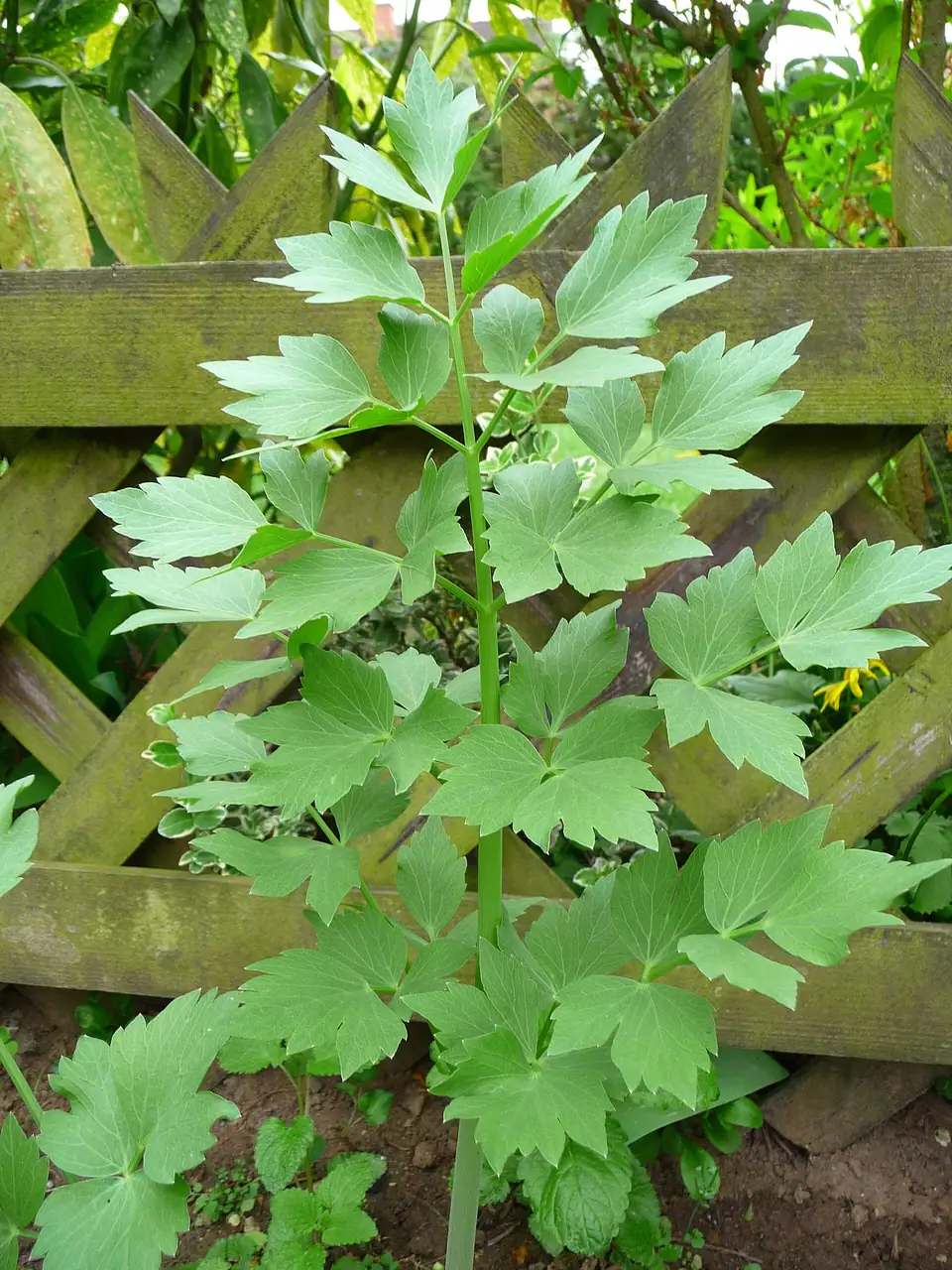
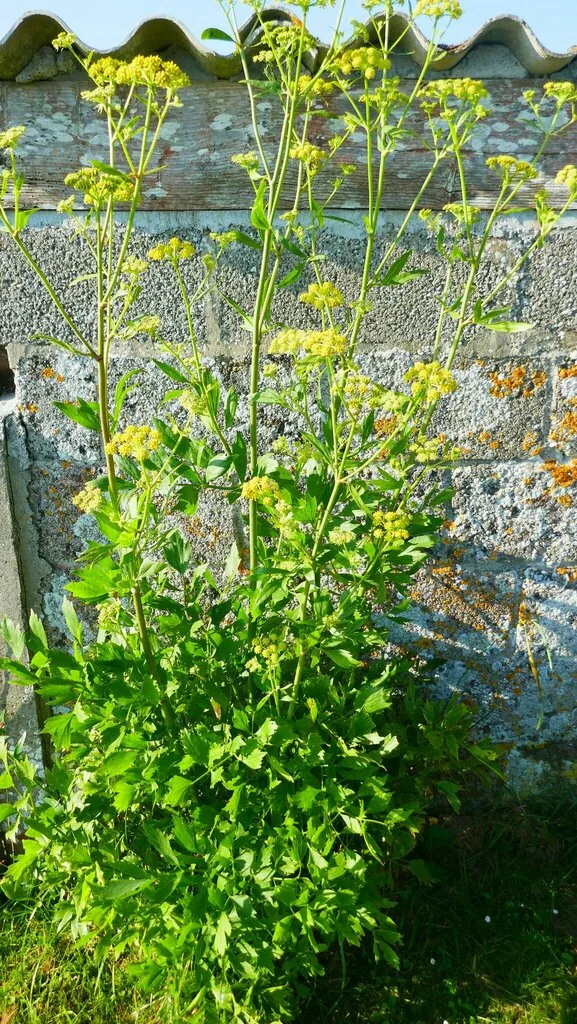
Lovage is a tall, vigorous perennial whose leaves and stems you can pick whenever you need them for soups, salads and chicken dishes. It grows 3 to 6 feet tall in full sun or partial shade, and once established it needs no regular feeding, just compost each spring. Every part is edible: leaves, seeds, flowers and even the roots.
- Sun
Full sun to partial shade
What the sources say (1)
Light: Full sun to partial shade
Lovage does best in moist, well-drained deep fertile soil in full sun to part shade.
— Levisticum officinale (Bladder seed, Garden Lovage, Lovage, Maggi plant) | North Carolina Extension Gardener Plant Toolbox [1] - Water
Keep the soil moist, but make sure water drains away
What the sources say (2)
Watering notes: Does best in moist, well-drained deep fertile soil
Lovage does best in moist, well-drained deep fertile soil in full sun to part shade.
— Levisticum officinale (Bladder seed, Garden Lovage, Lovage, Maggi plant) | North Carolina Extension Gardener Plant Toolbox [1] It likes a fairly rich, moist soil and light shade improves its quality.
— Lovage | Herbs | Illinois Extension | Illinois [2] - Cold
Survives winters down to −30 °F (−34.4 °C)
Very hardy · USDA 4a · RHS H7 · Z4
What the sources say (2)
Hardiness, coldest zone: 4a [winter low −34.4 to −31.7 °C (−30 to −25 °F)]
4a, 4b, 5a, 5b, 6a, 6b, 7a, 7b, 8a, 8b, 9a, 9b
— Levisticum officinale (Bladder seed, Garden Lovage, Lovage, Maggi plant) | North Carolina Extension Gardener Plant Toolbox [1] Hardiness, warmest zone: 9b [winter low −3.9 to −1.1 °C (25 to 30 °F)]
4a, 4b, 5a, 5b, 6a, 6b, 7a, 7b, 8a, 8b, 9a, 9b
— Levisticum officinale (Bladder seed, Garden Lovage, Lovage, Maggi plant) | North Carolina Extension Gardener Plant Toolbox [1] - Soil
Deep, fertile soil that drains well
What the sources say (2)
Watering notes: Does best in moist, well-drained deep fertile soil
Lovage does best in moist, well-drained deep fertile soil in full sun to part shade.
— Levisticum officinale (Bladder seed, Garden Lovage, Lovage, Maggi plant) | North Carolina Extension Gardener Plant Toolbox [1] It likes a fairly rich, moist soil and light shade improves its quality.
— Lovage | Herbs | Illinois Extension | Illinois [2] - Feeding
A bucket of compost or rotted manure at planting, then a thick layer at its base each spring
What the sources say (5)
When: At planting and each spring (organic mulch at the base of the clump)
No soil preparation is necessary, just dig a bucketful of garden compost or well-rotted manure into the soil you remove from your planting hole and use this to backfill after planting.
— [4] lovage growing in the ground each spring, spreading a thick layer of organic matter, such as garden compost
— [4] Natural fertilizers: A bucketful of garden compost or well-rotted manure mixed into the planting-hole soil; a thick mulch of garden compost or well-rotted manure at the base of the plant each spring
No soil preparation is necessary, just dig a bucketful of garden compost or well-rotted manure into the soil you remove from your planting hole and use this to backfill after planting.
— [4] lovage growing in the ground each spring, spreading a thick layer of organic matter, such as garden compost
— [4] How often: No regular feeding needed once established: the plant is robust and vigorous
Once established, lovage needs little maintenance, although it may need watering in prolonged dry spells. It’s usually robust and vigorous, so feeding and weeding isn’t required.
— [4] - Pruning
Cut from late spring to early fall for fresh leaves; remove old leaves in late fall
What the sources say (1)
Pruning: During the growing season (late spring to early fall) for fresh new leaves; old foliage can be removed in late fall
The plant requires pruning during the growing season (late spring to early fall) to encourage a supply of fresh, new leaves and old foliage can be removed in late fall.
— Levisticum officinale (Bladder seed, Garden Lovage, Lovage, Maggi plant) | North Carolina Extension Gardener Plant Toolbox [1] - Harvest
Pick leaves and stems anytime, young leaves are most tender; pick seed heads when they turn brown
What the sources say (3)
Harvest: Leaves and stems anytime they are needed; seed heads when they start to turn brown
Leaves and stems can be used fresh anytime they are needed.
— Lovage | Herbs | Illinois Extension | Illinois [2] Seed heads can be picked when they start to turn brown.
— Lovage | Herbs | Illinois Extension | Illinois [2] How to harvest: Use leaves and stems fresh whenever needed, picking young leaves as they are more tender; pick seed heads when they start to turn brown; roots can be dug and washed.
Leaves and stems can be used fresh anytime they are needed. Harvest young leaves as they are more tender. Seed heads can be picked when they start to turn brown.
— Lovage | Herbs | Illinois Extension | Illinois [2] - Pests
Plant bugs, celery worms and leafminers; also blights and leaf spots
What the sources say (2)
Pests: tarnished plant bug, celery worm, leafminer
Susceptible to tarnished plant bug, celery worm and leafminer, early blight, late blight and leaf spots.
— Levisticum officinale (Bladder seed, Garden Lovage, Lovage, Maggi plant) | North Carolina Extension Gardener Plant Toolbox [1] Diseases: early blight, late blight, leaf spots
Susceptible to tarnished plant bug, celery worm and leafminer, early blight, late blight and leaf spots.
— Levisticum officinale (Bladder seed, Garden Lovage, Lovage, Maggi plant) | North Carolina Extension Gardener Plant Toolbox [1] - Watch out
It can spread beyond the garden: pick the seeds regularly
- Size
3 to 6 ft tall and 2 to 3 ft wide
What the sources say (2)
Mature height: 91-183 cm (3 to 6 ft)
Height: 3 ft. 0 in. - 6 ft. 0 in. Width: 2 ft. 0 in. - 3 ft. 0 in.
— Levisticum officinale (Bladder seed, Garden Lovage, Lovage, Maggi plant) | North Carolina Extension Gardener Plant Toolbox [1] Mature width: 61-91 cm (2 to 3 ft)
Height: 3 ft. 0 in. - 6 ft. 0 in. Width: 2 ft. 0 in. - 3 ft. 0 in.
— Levisticum officinale (Bladder seed, Garden Lovage, Lovage, Maggi plant) | North Carolina Extension Gardener Plant Toolbox [1] - Propagation
Divide the clump or grow it from seed
What the sources say (1)
Propagation: Division, seed
Lovage is grown from either division or seed planted in the spring or fall.
— Lovage | Herbs | Illinois Extension | Illinois [2] - Sowing
Sow in spring or fall
What the sources say (1)
Sowing: Spring or fall
Lovage is grown from either division or seed planted in the spring or fall.
— Lovage | Herbs | Illinois Extension | Illinois [2] - Safety
It makes people urinate more; it can harm dogs, cats and horses
Overview
Lovage is a perennial herb of the carrot family grown for its edible leaves, stems, roots, seeds and flowers. [1][2] It does best in moist, well-drained, deep fertile soil in full sun to part shade. [1] It can be grown from division or seed and has been known to escape cultivation. [2][1]
This record is incomplete: the sources we read do not cover every field yet.
Not yet covered by our sources: Watering
Garden lovage care
How to water Garden lovage
Watering
Not stated in the sources we read.
Watering notes
Does best in moist, well-drained deep fertile soil
What the sources say (2)
Lovage does best in moist, well-drained deep fertile soil in full sun to part shade.It likes a fairly rich, moist soil and light shade improves its quality.How much light Garden lovage needs
Full sun to partial shade
What the sources say (1)
Lovage does best in moist, well-drained deep fertile soil in full sun to part shade.How much cold Garden lovage can take
Hardiness, coldest zone
4a [winter low −34.4 to −31.7 °C (−30 to −25 °F)]
What the sources say (1)
4a, 4b, 5a, 5b, 6a, 6b, 7a, 7b, 8a, 8b, 9a, 9bHardiness, warmest zone
9b [winter low −3.9 to −1.1 °C (25 to 30 °F)]
What the sources say (1)
4a, 4b, 5a, 5b, 6a, 6b, 7a, 7b, 8a, 8b, 9a, 9bHow to propagate Garden lovage
Division, seed
What the sources say (1)
Lovage is grown from either division or seed planted in the spring or fall.How to grow Garden lovage
The plant
Life cycle
perennial
What the sources say (1)
Genus:
Levisticum
Species:
officinale
Family:
Apiaceae
Life Cycle:
PerennialFamily
Apiaceae
What the sources say (1)
Genus:
Levisticum
Species:
officinale
Family:
Apiaceae
Life Cycle:
PerennialMature height
91-183 cm (3 to 6 ft)
What the sources say (1)
Height: 3 ft. 0 in. - 6 ft. 0 in.
Width: 2 ft. 0 in. - 3 ft. 0 in.Mature width
61-91 cm (2 to 3 ft)
What the sources say (1)
Height: 3 ft. 0 in. - 6 ft. 0 in.
Width: 2 ft. 0 in. - 3 ft. 0 in.Harvest and storage
How to harvest
Use leaves and stems fresh whenever needed, picking young leaves as they are more tender; pick seed heads when they start to turn brown; roots can be dug and washed.
What the sources say (1)
Leaves and stems can be used fresh anytime they are needed. Harvest young leaves as they are more tender. Seed heads can be picked when they start to turn brown.Storage
Store seeds in sealed containers; leaves can be dried for later use; roots can be dug, washed and stored cool until needed.
What the sources say (1)
Store in sealed containers. Leaves can be dried for later use. Roots can be dug, washed and stored cool until needed.Saving seeds
Pick seed heads when they start to turn brown, dry them in paper bags, roll the seeds between the hands to clear them from the stems, and store in sealed containers.
What the sources say (1)
Seed heads can be picked when they start to turn brown. Put seed heads in paper bags to dry and then roll the seeds between your hands to clear them from the stems. Store in sealed containers.Pests and diseases
Pests
tarnished plant bug, celery worm, leafminer
What the sources say (1)
Susceptible to tarnished plant bug, celery worm and leafminer, early blight, late blight and leaf spots.Diseases
early blight, late blight, leaf spots
What the sources say (1)
Susceptible to tarnished plant bug, celery worm and leafminer, early blight, late blight and leaf spots.Fertilizing
When
At planting and each spring (organic mulch at the base of the clump)
What the sources say (2)
No soil preparation is necessary, just dig a bucketful of garden compost or well-rotted manure into the soil you remove from your planting hole and use this to backfill after planting.lovage growing in the ground each spring, spreading a thick layer of organic matter, such as garden compostHow often
No regular feeding needed once established: the plant is robust and vigorous
What the sources say (1)
Once established, lovage needs little maintenance, although it may need watering in prolonged dry spells. It’s usually robust and vigorous, so feeding and weeding isn’t required.Natural fertilizers
A bucketful of garden compost or well-rotted manure mixed into the planting-hole soil; a thick mulch of garden compost or well-rotted manure at the base of the plant each spring
What the sources say (2)
No soil preparation is necessary, just dig a bucketful of garden compost or well-rotted manure into the soil you remove from your planting hole and use this to backfill after planting.lovage growing in the ground each spring, spreading a thick layer of organic matter, such as garden compostGarden lovage pests and problems
Insect pests and diseases
Symptom: Susceptible to tarnished plant bug, celery worm and leafminer, early blight, late blight and leaf spots.
What to do: Not stated in the sources.
What the sources say (1)
Susceptible to tarnished plant bug, celery worm and leafminer, early blight, late blight and leaf spots.
— Levisticum officinale (Bladder seed, Garden Lovage, Lovage, Maggi plant) | North Carolina Extension Gardener Plant Toolbox [1] Escape from cultivation
Symptom: Spreads beyond the garden and is considered invasive in New England.
What to do: Harvest seeds from the plant at regular intervals.
What the sources say (1)
To prevent the plant from spreading, you should harvest seeds from the plant at regular intervals.
— Levisticum officinale (Bladder seed, Garden Lovage, Lovage, Maggi plant) | North Carolina Extension Gardener Plant Toolbox [1]
Remedies
Each remedy shows what official sources say about it; traditional remedies without an official source are marked as such. Harmful ones are listed so you know to avoid them.
Treating the plant
early blight
baking soda and water spray Not verified
Traditional remedy, not verified by an official source.
How: Spray a solution of water and baking soda on the leaves as a preventative measure.
leaf spots
baking soda solution spray Not verified
Traditional remedy, not verified by an official source.
How: Prevent leaf spots by mulching and spraying a baking soda solution on the leaves.
late blight
compost tea Not verified
Traditional remedy, not verified by an official source.
How: Applications of compost tea may also help prevent the disease; keep leaves as free of moisture as possible.
aphids
strong stream of water Not verified
Traditional remedy, not verified by an official source.
How: Spray the aphids off with a strong stream of water.
soapy water spray Harmful
just remember to rinse your herbs thoroughly before use.
— cultivatedearth.com [5] How: A mild soap and water spray (about one teaspoon of mild liquid soap per liter of water) can suppress soft-bodied pests like aphids and spider mites.
Homemade remedies, such as a mild soap and water spray (about one teaspoon of mild liquid soap per liter of water), can also suppress soft-bodied pests like aphids and spider mites; just remember to rinse your herbs thoroughly before use.
— cultivatedearth.com [5] What the evidence says Most dish soaps are not naturally occurring substances nor are they biodegradable. They can contain detergents and degreasers that are harmful to groundwater and aquatic and soil organisms.
— ucanr.edu [6] neem oil spray Partly works
avoid spraying in direct sun or on very young seedlings.
— cultivatedearth.com [5] How: Neem oil, derived from the neem tree, applied according to label directions.
Neem oil, derived from the neem tree, is a reliable, broad-spectrum option that disrupts pest life cycles while remaining safe for herbs when applied according to label directions—avoid spraying in direct sun or on very young seedlings.
— cultivatedearth.com [5] What the evidence says However, neem oil is not effective against every insect and disease, and often must be frequently reapplied to reach the desired outcome.
— extension.unh.edu [7] attracting ladybugs and lacewings Works
How: Introduce beneficial insects like ladybugs and lacewings, which feed on aphids and small caterpillars.
Introducing beneficial insects, like ladybugs and lacewings, is a smart way to combat aphids and small caterpillars, as these predators feed on common garden pests without harming your lovage.
— cultivatedearth.com [5] What the evidence says Beneficial insects such as ladybugs eat aphids, which are pests.
— extension.psu.edu [8] marigolds and nasturtiums companion planting Not verified
Traditional remedy, not verified by an official source.
How: Marigolds and nasturtiums deter aphids while attracting ladybugs.
hand-picking Works
How: Hand-picking visible pests such as caterpillars, beetles, and aphids; early morning is best since insects are sluggish.
Start with the simplest methods, like hand-picking visible pests such as caterpillars, beetles, and aphids off your plants.
— cultivatedearth.com [5] What the evidence says Many insect and disease issues can be solved in the home garden by hand-picking insects or clipping and disposing of diseased plant parts.
— extension.unh.edu [7]
slugs
hand-picking at dusk Works
How: Slugs and snails can be controlled with hand-picking at dusk.
Slugs and snails—drawn to moist soil around lovage—can be controlled with hand-picking at dusk or organic iron phosphate baits.
— cultivatedearth.com [5] What the evidence says Many insect and disease issues can be solved in the home garden by hand-picking insects or clipping and disposing of diseased plant parts.
— extension.unh.edu [7]
leaf miners
clipping infested leaves Works
How: Remove infested leaves promptly and dispose of them far from your garden.
For leaf miners, remove infested leaves promptly and dispose of them far from your garden.
— cultivatedearth.com [5] What the evidence says Many insect and disease issues can be solved in the home garden by hand-picking insects or clipping and disposing of diseased plant parts.
— extension.unh.edu [7]
Is Garden lovage toxic to pets?
Reported by the source, quoted verbatim. This is not medical or veterinary advice: if a person or an animal may have eaten this plant, contact a poison control centre or a veterinarian.
Animals
#problem for dogs #problem for horses #problem for cats #herb garden
[1]The source flags the risk for this animal but does not explain why.
People
Poison Symptoms: Diuretic, increased urination Poison Toxic Principle: Volatile oils, especially phthalide
[1]
Calendar
Sowing
Spring or fall
What the sources say (1)
Lovage is grown from either division or seed planted in the spring or fall.Harvest
Leaves and stems anytime they are needed; seed heads when they start to turn brown
Pruning
During the growing season (late spring to early fall) for fresh new leaves; old foliage can be removed in late fall
What the sources say (1)
The plant requires pruning during the growing season (late spring to early fall) to encourage a supply of fresh, new leaves and old foliage can be removed in late fall.Months as given by the sources, which are mostly from the United States (northern hemisphere). In the southern hemisphere they shift by about six months.
Edibility
Reported by the source, quoted verbatim. Do not eat a plant on the basis of this page alone: identification mistakes can be dangerous.
Indicative values
Values from a secondary source, not checked word for word like the rest of this page. Use them as a starting point.
- Watering
- AverageIndicative value, adapt it to your climate · Secondary source
- Drought tolerant
- yesIndicative value, adapt it to your climate · Secondary source
- Soil
- Well-drainedIndicative value, adapt it to your climate · Secondary source
- Soil pH
- 6-7Indicative value, adapt it to your climate · Secondary source
- Care level
- MediumIndicative value, adapt it to your climate · Secondary source
- Growth rate
- HighIndicative value, adapt it to your climate · Secondary source
Similar plants
- Alexanders Smyrnium olusatrum
- Angelica Angelica archangelica
- Anise burnet saxifrage Pimpinella anisum
- Appalachian Angelica Angelica triquinata
- Asiatic pennywort Centella asiatica
- Bishop's Weed Ammi majus
- Caraway Carum carvi
- Coriander Coriandrum sativum
Sources
Every value above is quoted from these documents. Links lead to the original publisher.
- Levisticum officinale (Bladder seed, Garden Lovage, Lovage, Maggi plant) | North Carolina Extension Gardener Plant Toolbox · plants.ces.ncsu.edu, consulted
- Lovage | Herbs | Illinois Extension | Illinois · extension.illinois.edu, consulted
- Lovage - Levisticum officinale | North Carolina Extension Gardener Plant Toolbox · plants.ces.ncsu.edu, consulted
- rhs.org.uk · rhs.org.uk
- cultivatedearth.com · cultivatedearth.com
- ucanr.edu · ucanr.edu
- extension.unh.edu · extension.unh.edu
- extension.psu.edu · extension.psu.edu
Written by Emilio Marruso · last checked