
How to Grow and Care for Lysichiton camtschatcensis
Lysichiton camtschatcensis
Written by Emilio Marruso · last checked
At a glance
This plant gives you three simple ways to get more of it: sow its seeds, divide its underground stems, or separate the small side plants it makes on its own. With a little patience, one plant can become a whole group, ready to fill more corners of your garden or to give to friends. Start with just one and watch it multiply.
- Cold
Survives winters down to −20 °F (−28.9 °C)
Very hardy · USDA 5 · RHS H7 · Z5
- Propagation
Grows from seed, by dividing its underground stems, or from the small side plants it makes
What the sources say (1)
Propagation: Seeds, divisions of rhizomes, offsets
Propagation Remove offsets in spring or summer.
— White skunk cabbage - Fine Gardening [1]
Overview
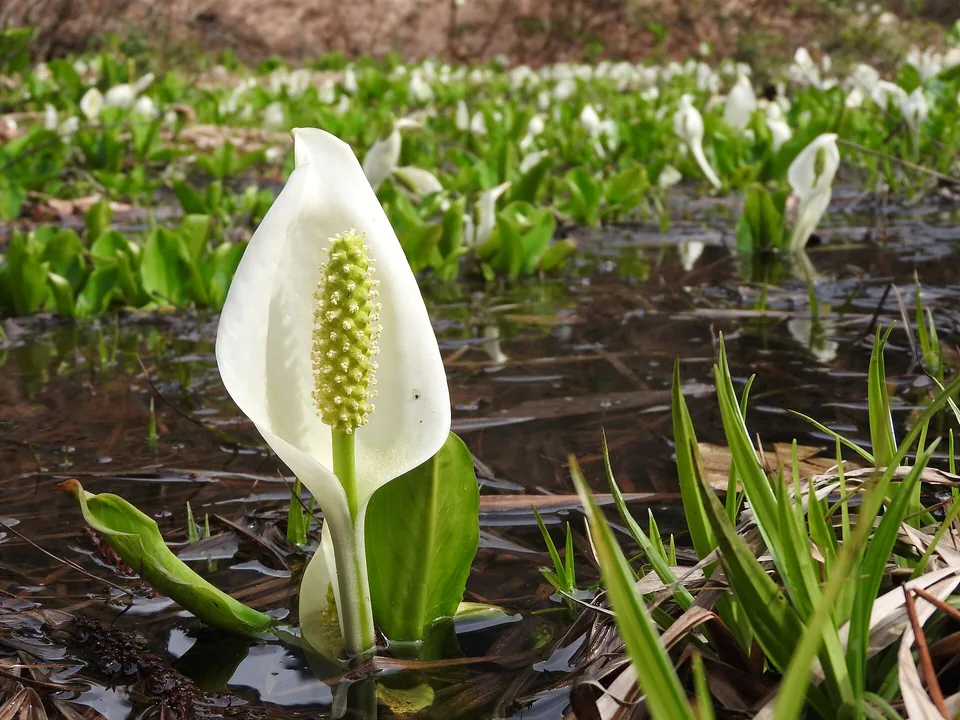
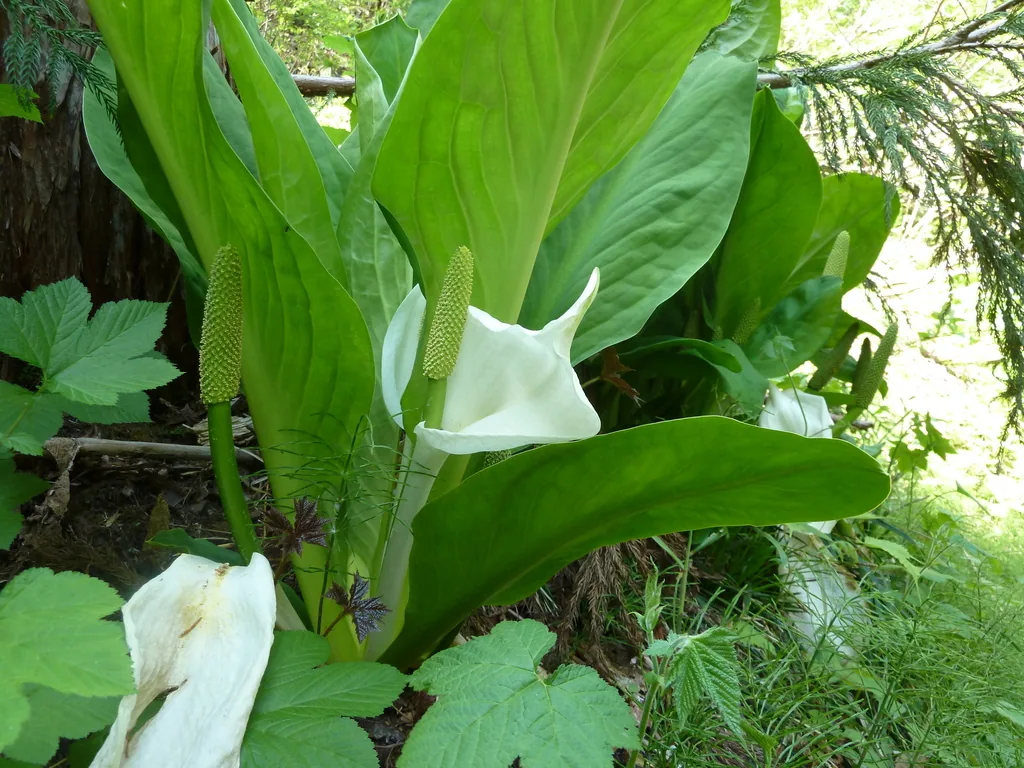
White skunk cabbage is an aquatic perennial grown along pond margins and in boggy ground. [1]
This record is incomplete: the sources we read do not cover every field yet.
Not yet covered by our sources: Watering, Light, Hardiness, warmest zone, Pruning
Lysichiton camtschatcensis care
How to water Lysichiton camtschatcensis
Not stated in the sources we read.
How much light Lysichiton camtschatcensis needs
The sources give different values depending on region, zone or growing conditions.
What each source says
According to Fine Gardening: Full shade
What the sources say (1)
According to Fine Gardening: Light :
Full ShadeHow much cold Lysichiton camtschatcensis can take
Hardiness, coldest zone
5 [winter low −28.9 to −23.3 °C (−20 to −10 °F)]
What the sources say (1)
Zones :
5, 6, 7, 8, 9Hardiness, warmest zone
The sources give different values depending on region, zone or growing conditions.
What each source says
According to Fine Gardening: 9 [winter low −6.7 to −1.1 °C (20 to 30 °F)]
What the sources say (1)
According to Fine Gardening: Zones :
5, 6, 7, 8, 9How to propagate Lysichiton camtschatcensis
Seeds, divisions of rhizomes, offsets
What the sources say (1)
Propagation Remove offsets in spring or summer.Remedies
Each remedy shows what official sources say about it; traditional remedies without an official source are marked as such. Harmful ones are listed so you know to avoid them.
First aid
First aid: not a substitute for a doctor
contact dermatitis from sap
washing skin with soap and warm water Official source, not independently tested
If the pain continues, contact your child's physician.
— chop.edu [2] Minimize unfortunate incidents by handling this plant with gloves.
— pondinformer.com [3] How: lather the exposed area repeatedly with soap and rinse with warm running water
When the juices of the plant come in contact with the skin, burning, pain and swelling may occur. Lather the exposed area repeatedly with soap and rinse with warm running water to ease the irritation.
— chop.edu [2]
calcium oxalate ingestion
wiping out the mouth and offering a cool drink Official source, not independently tested
If there is swelling that prevents the child taking anything by mouth or causes difficulty breathing, go to the nearest emergency department immediately.
— chop.edu [2] How: wipe out the residue of the plant from the mouth and offer a cool drink or snack
If a child eats any part of an oxalate-containing plant, wipe out the residue of the plant from the mouth and offer a cool drink or snack such as a popsicle, applesauce or yogurt.
— chop.edu [2]
Calendar
Pruning
Not stated in the sources we read.
Months as given by the sources, which are mostly from the United States (northern hemisphere). In the southern hemisphere they shift by about six months.
Indicative values
Values from a secondary source, not checked word for word like the rest of this page. Use them as a starting point.
- Life cycle
- Herbaceous PerennialIndicative value, adapt it to your climate · Secondary source
- Mature height
- 61-91.4 cm (2-3 ft)Indicative value, adapt it to your climate · Secondary source
- Watering
- FrequentIndicative value, adapt it to your climate · Secondary source
- Soil pH
- 5.5-7Indicative value, adapt it to your climate · Secondary source
- Care level
- MediumIndicative value, adapt it to your climate · Secondary source
- Growth rate
- LowIndicative value, adapt it to your climate · Secondary source
- Pruning
- February, March, AprilIndicative value, adapt it to your climate · Secondary source
Similar plants
- Aaron's Beard Hypericum calycinum
- Abies grandis Abies grandis
- Abraham Trachystemon orientalis
- Abyssinian banana Ensete ventricosum
- Acacia longifolia Acacia longifolia
- Acacia retinodes Acacia retinodes
- Acanthus hungaricus Acanthus hungaricus
- Achlys triphylla Achlys triphylla
Sources
Every value above is quoted from these documents. Links lead to the original publisher.
- White skunk cabbage - Fine Gardening · finegardening.com, consulted
- chop.edu · chop.edu
- pondinformer.com · pondinformer.com
Written by Emilio Marruso · last checked