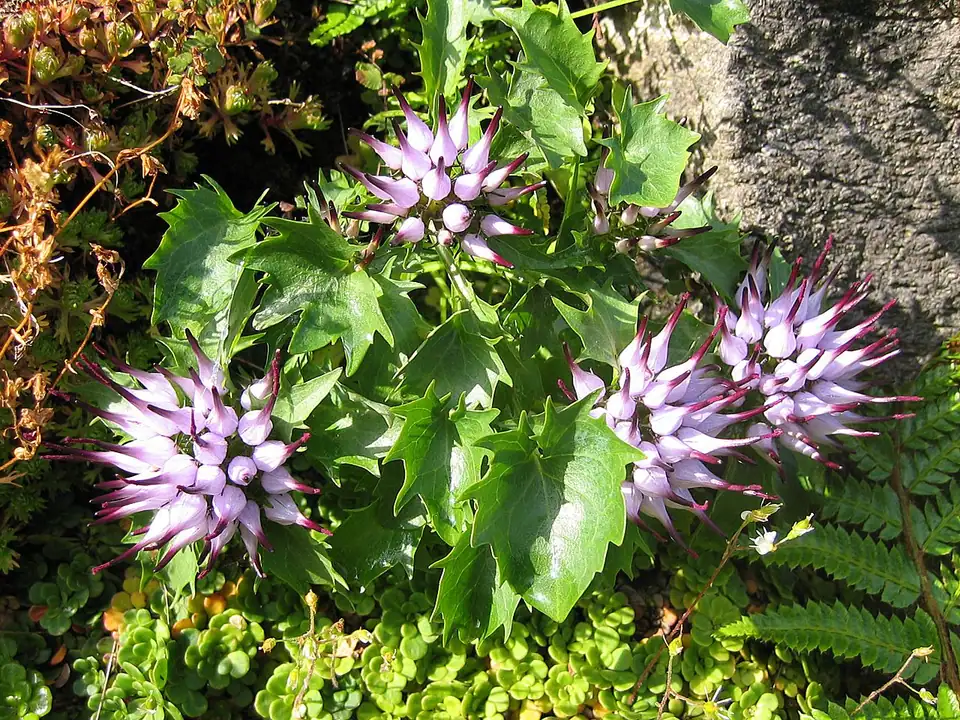
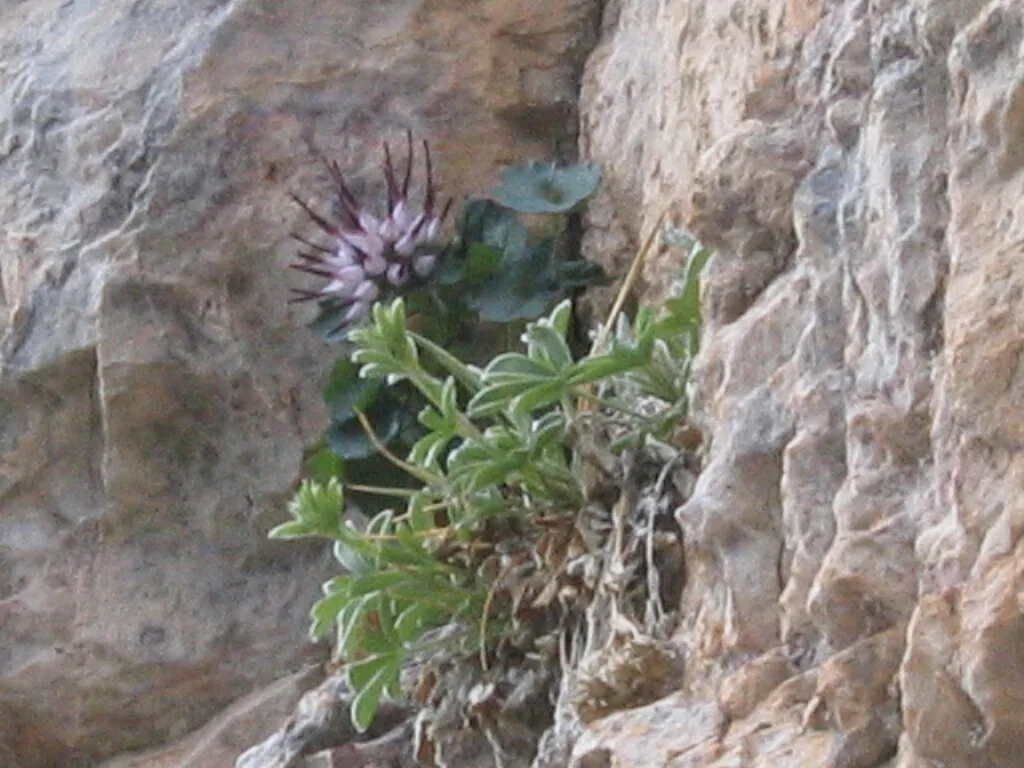

How to Grow and Care for Tufted horned rampion
Physoplexis comosa
Written by Emilio Marruso · last checked
At a glance
This perennial loves full sun, though a little midday shade keeps its leaves from scorching. Give it soil that never gets waterlogged and protect it from winter wet, clearing away autumn leaves so it can't rot. It grows happily in containers, and you can raise new plants from seed or from cuttings taken at the base in spring.
- Sun
Full sun; a little midday shade keeps it from scorching
What the sources say (1)
Light: Full sun; some midday shade may be useful as it can be prone to scorch
Physoplexis comosa will perform best in full sun however be aware that can be prone to scorch so some midday shade may be useful.
— HOW TO GROW PHYSOPLEXIS COMOSA |The Garden of Eaden [4] - Water
Keep it out of winter wet and avoid soil that gets waterlogged
What the sources say (1)
Watering notes: Protect from winter wet; avoid soil prone to waterlogging
Protect from too much winter wetness and completely avoid soil that may be prone to waterlogging.
— HOW TO GROW PHYSOPLEXIS COMOSA |The Garden of Eaden [4] - Watch out
Clear away fallen autumn leaves around it, or it can rot
- Propagation
From seed, or from cuttings taken at the base in spring
What the sources say (1)
Propagation: Seed; basal cuttings in spring
seed in winter, uncovered, light, germ. 1-3 months, 16-21°C basal cuttings in spring
— Physoplexis comosa (L.) Schur [6] - Containers
Grows in containers too
What the sources say (1)
In containers: Yes
Physoplexis comosa can be successfully grown outside under suitable conditions or keep as a container grown specimen in an alpine house.
— HOW TO GROW PHYSOPLEXIS COMOSA FROM SEED |The Garden of Eaden [5]
Overview
Physoplexis comosa is a true alpine that needs a gritty, sharply drained, preferably alkaline soil of poor to moderate fertility. [4] It performs best in full sun, needs protection from winter wet, and is best kept in an alpine house. [4] It is propagated from seed and by basal cuttings. [6]
This record is incomplete: the sources we read do not cover every field yet.
Not yet covered by our sources: Watering, Hardiness, coldest zone, Hardiness, warmest zone, Pruning
Tufted horned rampion care
How to water Tufted horned rampion
Watering
Not stated in the sources we read.
Watering notes
Protect from winter wet; avoid soil prone to waterlogging
What the sources say (1)
Protect from too much winter wetness and completely avoid soil that may be prone to waterlogging.How much light Tufted horned rampion needs
Full sun; some midday shade may be useful as it can be prone to scorch
What the sources say (1)
Physoplexis comosa will perform best in full sun however be aware that can be prone to scorch so some midday shade may be useful.How much cold Tufted horned rampion can take
Hardiness, coldest zone
Not stated in the sources we read.
Hardiness, warmest zone
Not stated in the sources we read.
Where to grow Tufted horned rampion
Yes
What the sources say (1)
Physoplexis comosa can be successfully grown outside under suitable conditions or keep as a container grown specimen in an alpine house.How to propagate Tufted horned rampion
Seed; basal cuttings in spring
What the sources say (1)
seed in winter, uncovered, light, germ. 1-3 months, 16-21°C basal cuttings in springHow to grow Tufted horned rampion
The plant
Life cycle
perennial
What the sources say (1)
The native range of this species is N. Italy to Slovenia. It is a perennial and grows primarily in the temperate biome.Tufted horned rampion pests and problems
Rot from winter wet and fallen leaves
Symptom: Plants rot off when autumn leaves build up around them or soil stays wet in winter
What to do: Do not let autumn leaves build up around the plant; protect from winter wetness
What the sources say (1)
When grown outside do not allow autumn leaves to build up around alpine plants as this can quickly cause them to rot off.
— HOW TO GROW PHYSOPLEXIS COMOSA |The Garden of Eaden [4]
Remedies
The sources we checked give no remedies for this plant.
Calendar
Pruning
Not stated in the sources we read.
Months as given by the sources, which are mostly from the United States (northern hemisphere). In the southern hemisphere they shift by about six months.
Similar plants
- Abies grandis Abies grandis
- Abraham Trachystemon orientalis
- Abyssinian banana Ensete ventricosum
- Acacia longifolia Acacia longifolia
- Acanthus hungaricus Acanthus hungaricus
- Aconite Aconitum napellus
- Adam's Needle Yucca flaccida
- Adriatic lizard orchid Himantoglossum adriaticum
Sources
Every value above is quoted from these documents. Links lead to the original publisher.
- Physoplexis comosa (L.) Schur - Portale alla Flora del Massiccio del Grappa · dryades.units.it, consulted
- Physoplexis comosa (L.) Schur · infoflora.ch, consulted
- Physoplexis comosa (L.) Schur | Plants of the World Online | Kew Science · powo.science.kew.org, consulted
- HOW TO GROW PHYSOPLEXIS COMOSA |The Garden of Eaden · gardenofeaden.blogspot.com.au, consulted
- HOW TO GROW PHYSOPLEXIS COMOSA FROM SEED |The Garden of Eaden · gardenofeaden.blogspot.no, consulted
- Physoplexis comosa (L.) Schur · flora.kadel.cz, consulted
Written by Emilio Marruso · last checked