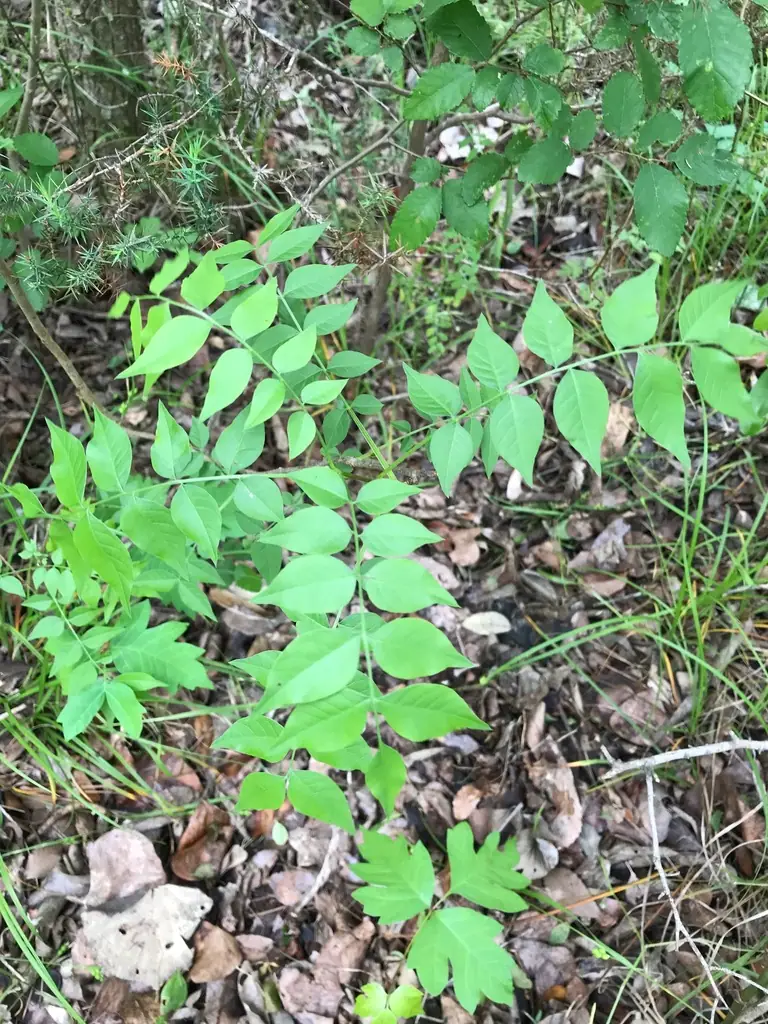
How to Grow and Care for Chinese Pistache
Pistacia chinensis
Written by Emilio Marruso · last checked
At a glance
Chinese pistache is a tough tree that loves full sun and, once settled in, handles dry spells with ease. Plant it in fall and it grows 30 to 35 feet tall, with a rounded crown that fills out over the years. In October, female trees fill with colorful fruit that birds love, and once established it has no serious pest problems.
- Sun
Full sun: 6 or more hours a day
What the sources say (2)
Light: Full sun (6 or more hours of direct sunlight a day)
Light: Full sun (6 or more hours of direct sunlight a day)
— Pistacia chinensis (Chinese Pistache, Chinese Pistachio) | North Carolina Extension Gardener Plant Toolbox [1] Plant Needs Zone: 6b to 9 Light: Full sun
— Chinese Pistache, Pistacia chinensis | VCE Publications | Virginia Tech [2] - Water
Average to dry soil; very drought tolerant once established
What the sources say (2)
Watering: Average to dry moisture; very drought tolerant once established
Moisture: Average to dry Soil type: Most soils pH range: Acid to alkaline
— Chinese Pistache, Pistacia chinensis | VCE Publications | Virginia Tech [2] Once established, pistache makes an excellent, drought tolerant shade tree.
— Chinese Pistache | Home & Garden Information Center [5] - Planting
Plant in fall
What the sources say (1)
Planting: Fall
The fall is the best time to plant one or more of these magnificent trees in your landscape.
— Chinese Pistache | Home & Garden Information Center [5] - Pruning
Prune young trees to build good branches; they look gangly at first
- Harvest
Fruit is not edible for people, but birds love it; it ripens in October on female trees
- Pests
Can get verticillium wilt; otherwise no serious problems once established
What the sources say (1)
Diseases: verticillium wilt
Once established, it becomes carefree with no serious pest or disease problems. It may be susceptible to verticillium wilt.
— Pistacia chinensis (Chinese Pistache, Chinese Pistachio) | North Carolina Extension Gardener Plant Toolbox [1] - Watch out
Seedlings can spread like weeds: choose male trees, which make no seeds
- Size
30–35 ft tall and 20–30 ft wide
What the sources say (2)
Mature height: 914-1067 cm (30 to 35 feet)
Height: 30 ft. 0 in. - 35 ft. 0 in. Width: 20 ft. 0 in. - 30 ft. 0 in.
— Pistacia chinensis (Chinese Pistache, Chinese Pistachio) | North Carolina Extension Gardener Plant Toolbox [1] Mature width: 610-914 cm (20 to 30 feet)
Height: 30 ft. 0 in. - 35 ft. 0 in. Width: 20 ft. 0 in. - 30 ft. 0 in.
— Pistacia chinensis (Chinese Pistache, Chinese Pistachio) | North Carolina Extension Gardener Plant Toolbox [1] - Propagation
From seed; male trees are grafted
What the sources say (2)
Propagation: Seed; male trees are propagated by grafting
Recommended Propagation Strategy: Seed Country Or Region Of Origin:
— Pistacia chinensis (Chinese Pistache, Chinese Pistachio) | North Carolina Extension Gardener Plant Toolbox [1] Male trees are preferred for the home landscape, as they do not produce seeds. Male trees are propagated by grafting.
— Pistacia chinensis (Chinese Pistache, Chinese Pistachio) | North Carolina Extension Gardener Plant Toolbox [1]
Overview
Chinese pistache is a deciduous, medium-sized shade and street tree known for orange and red autumn foliage. [1][5] It grows in full sun and is drought tolerant once established, with separate male and female trees. [2][5] The tree can escape cultivation and become weedy. [1]
Chinese Pistache care
How to water Chinese Pistache
Watering
Average to dry moisture; very drought tolerant once established
What the sources say (2)
Moisture: Average to dry
Soil type: Most soils
pH range: Acid to alkalineOnce established, pistache makes an excellent, drought tolerant shade tree.Watering notes
The sources give different values depending on region, zone or growing conditions.
What each source says
According to University of Arkansas Extension: Moist is best
According to Virginia Cooperative Extension: Average to dry
What the sources say (3)
According to University of Arkansas Extension: Watering : moist best
- When to prune : as needed
- Suggested use : street tree, parking lot, small lawn treeAccording to Virginia Cooperative Extension: Moisture: Average to dry
Soil type: Most soils
pH range: Acid to alkalineExposure : sun
- Soil : tolerant
- Watering : moist bestHow much light Chinese Pistache needs
Full sun (6 or more hours of direct sunlight a day)
What the sources say (2)
Light:
Full sun (6 or more hours of direct sunlight a day)Plant Needs Zone: 6b to 9 Light: Full sunHow much cold Chinese Pistache can take
Hardiness, coldest zone
The sources give different values depending on region, zone or growing conditions.
What each source says
According to NC State Extension: 6a [winter low −23.3 to −20.6 °C (−10 to −5 °F)]
According to Virginia Cooperative Extension: 6b [winter low −20.6 to −17.8 °C (−5 to 0 °F)]
According to Utah State University Extension: 6 [winter low −23.3 to −17.8 °C (−10 to 0 °F)]
What the sources say (4)
According to NC State Extension: USDA Plant Hardiness Zone:
6a, 6b, 7a, 7b, 8a, 8b, 9a, 9bAccording to Virginia Cooperative Extension: Plant Needs Zone: 6b to 9 Light: Full sunAccording to Utah State University Extension: Used as an understock for grafted commercial pistachios. Zones 6-9.USDA Plant Hardiness Zone:
6a, 6b, 7a, 7b, 8a, 8b, 9a, 9bHardiness, warmest zone
9b [winter low −3.9 to −1.1 °C (25 to 30 °F)]
What each source says
According to NC State Extension: 9b [winter low −3.9 to −1.1 °C (25 to 30 °F)]
According to Virginia Cooperative Extension: 9 [winter low −6.7 to −1.1 °C (20 to 30 °F)]
According to Utah State University Extension: 9 [winter low −6.7 to −1.1 °C (20 to 30 °F)]
What the sources say (4)
According to NC State Extension: USDA Plant Hardiness Zone:
6a, 6b, 7a, 7b, 8a, 8b, 9a, 9bAccording to Virginia Cooperative Extension: Plant Needs Zone: 6b to 9 Light: Full sunAccording to Utah State University Extension: Used as an understock for grafted commercial pistachios. Zones 6-9.USDA Plant Hardiness Zone:
6a, 6b, 7a, 7b, 8a, 8b, 9a, 9bHow to propagate Chinese Pistache
Seed; male trees are propagated by grafting
What the sources say (2)
Recommended Propagation Strategy:
Seed
Country Or Region Of Origin:Male trees are preferred for the home landscape, as they do not produce seeds. Male trees are propagated by grafting.How to grow Chinese Pistache
The plant
Life cycle
perennial
What the sources say (1)
Family: Anacardiaceae Life Cycle: Perennial Woody Recommended Propagation Strategy: SeedFamily
Anacardiaceae
What the sources say (1)
Family: Anacardiaceae Life Cycle: Perennial Woody Recommended Propagation Strategy: SeedMature height
914-1067 cm (30 to 35 feet)
What the sources say (1)
Height: 30 ft. 0 in. - 35 ft. 0 in. Width: 20 ft. 0 in. - 30 ft. 0 in.Mature width
610-914 cm (20 to 30 feet)
What the sources say (1)
Height: 30 ft. 0 in. - 35 ft. 0 in. Width: 20 ft. 0 in. - 30 ft. 0 in.Pests and diseases
Diseases
verticillium wilt
What the sources say (1)
Once established, it becomes carefree with no serious pest or disease problems. It may be susceptible to verticillium wilt.Chinese Pistache pests and problems
Weediness
Symptom: Seedlings can spread; considered a potential weed tree in the Southeast.
What to do: Male trees are preferred for the home landscape as they do not produce seeds.
What the sources say (2)
Male trees are preferred for the home landscape, as they do not produce seeds.
— Pistacia chinensis (Chinese Pistache, Chinese Pistachio) | North Carolina Extension Gardener Plant Toolbox [1] It is now considered to be a potential weed tree for the Southeast.
— Pistacia chinensis (Chinese Pistache, Chinese Pistachio) | North Carolina Extension Gardener Plant Toolbox [1] Verticillium wilt
Symptom: May be susceptible to verticillium wilt; otherwise no serious pest or disease problems once established.
What to do: No management given in the source.
What the sources say (1)
Once established, it becomes carefree with no serious pest or disease problems. It may be susceptible to verticillium wilt.
— Pistacia chinensis (Chinese Pistache, Chinese Pistachio) | North Carolina Extension Gardener Plant Toolbox [1] Gangly young growth
Symptom: Gangly and irregular when young; the rounded crown takes years to develop.
What to do: Prune young trees to develop a good branch structure.
What the sources say (1)
Chinese pistache is kind of gangly when young. It typically takes five to seven years for the desirable rounded crown to fully develop.
— Chinese Pistache (Pistacia chinenesis) [4]
Remedies
Each remedy shows what official sources say about it; traditional remedies without an official source are marked as such. Harmful ones are listed so you know to avoid them.
Treating the plant
aphids and scale
soapy water wash Harmful
For example, spraying home remedies that contain dish detergent on plants on a sunny day can injure the plant, essentially burning it.
— extension.psu.edu [8] How: Wash off the pests with soapy water or non-toxic products.
Wash off the pests with soapy water or non-toxic products.
— gardeningknowhow.com [6] What the evidence says Most dish soaps are not naturally occurring substances nor are they biodegradable. They can contain detergents and degreasers that are harmful to groundwater and aquatic and soil organisms.
— ucanr.edu [7]
Calendar
Planting
Fall
What the sources say (1)
The fall is the best time to plant one or more of these magnificent trees in your landscape.Pruning
The sources give different values depending on region, zone or growing conditions.
What each source says
According to NC State Extension: When the tree is young
According to University of Arkansas Extension: As needed
What the sources say (3)
According to NC State Extension: Proper pruning when the tree is young is essential to create a symmetrical tree.According to University of Arkansas Extension: Watering : moist best
- When to prune : as needed
- Suggested use : street tree, parking lot, small lawn treeYoung trees tend to have an irregular branch structure that gives trees an irregular appearance, but this trait is not evident when trees mature; pruning young trees to develop a good branch structure will improve the future appearance.Months as given by the sources, which are mostly from the United States (northern hemisphere). In the southern hemisphere they shift by about six months.
Edibility
Reported by the source, quoted verbatim. Do not eat a plant on the basis of this page alone: identification mistakes can be dangerous.
Indicative values
Values from a secondary source, not checked word for word like the rest of this page. Use them as a starting point.
- Drought tolerant
- yesIndicative value, adapt it to your climate · Secondary source
- Soil pH
- 6-7.5Indicative value, adapt it to your climate · Secondary source
- Care level
- MediumIndicative value, adapt it to your climate · Secondary source
- Growth rate
- HighIndicative value, adapt it to your climate · Secondary source
Similar plants
- Terebinth Pistacia terebinthus
- Lentisk Pistacia lentiscus
- Pistachio Pistacia vera
- American pepper Schinus molle
- American Smoketree Cotinus obovatus
- Chinese Sumac Rhus chinensis
- Michaux's Sumac Rhus michauxii
- Poison oak Toxicodendron diversilobum
Sources
Every value above is quoted from these documents. Links lead to the original publisher.
- Pistacia chinensis (Chinese Pistache, Chinese Pistachio) | North Carolina Extension Gardener Plant Toolbox · plants.ces.ncsu.edu, consulted
- Chinese Pistache, Pistacia chinensis | VCE Publications | Virginia Tech · pubs.ext.vt.edu, consulted
- Pistache, Chinese | TreeBrowser | USU · extension.usu.edu, consulted
- Chinese Pistache (Pistacia chinenesis) · uaex.uada.edu, consulted
- Chinese Pistache | Home & Garden Information Center · hgic.clemson.edu, consulted
- gardeningknowhow.com · gardeningknowhow.com
- ucanr.edu · ucanr.edu
- extension.psu.edu · extension.psu.edu
Written by Emilio Marruso · last checked