
How to Grow and Care for Elephant bush
Portulacaria afra
Written by Emilio Marruso · last checked
At a glance
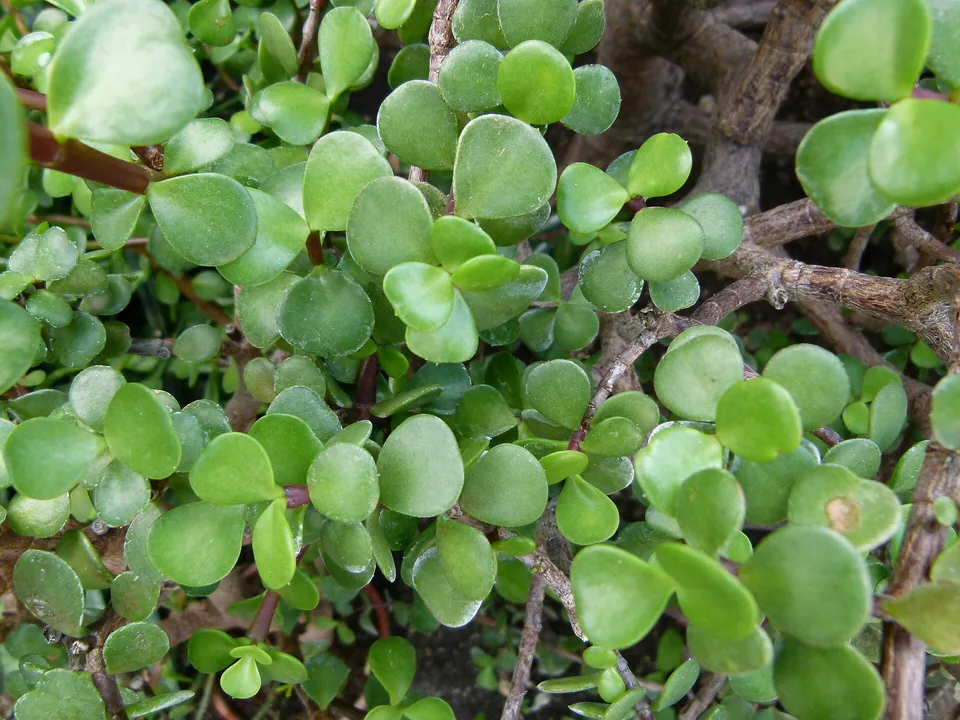
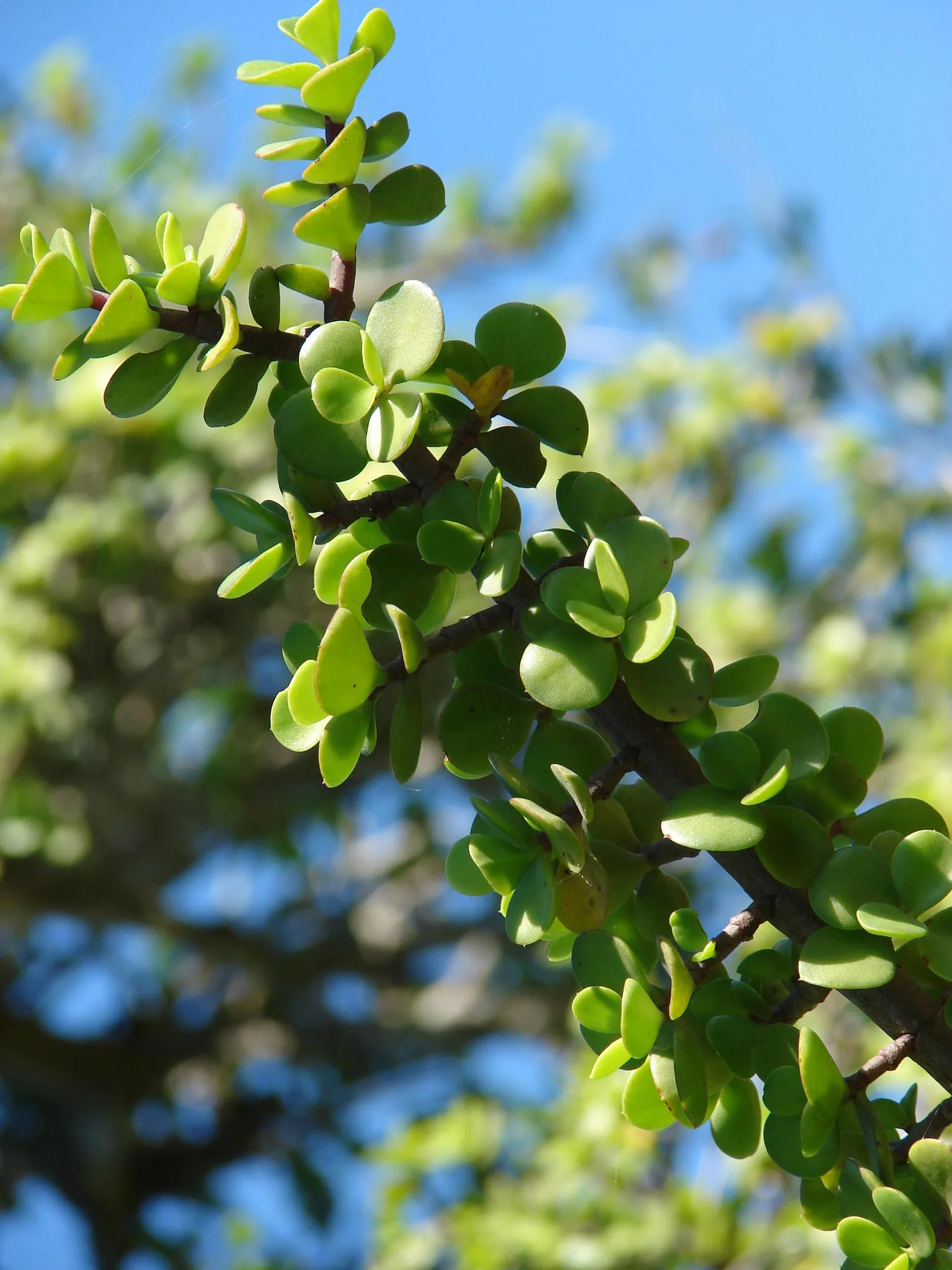
Portulacaria afra is a tough, easygoing succulent that shrugs off drought and happily lives indoors by a bright window or in a pot. Its leaves are even edible, commonly eaten in southern Africa in salads or soups. Making new plants is easy: stem cuttings root in 4 to 6 weeks, best taken in spring or summer.
- Sun
Bright light, like a south-facing window; too much direct sun can burn the leaves
What the sources say (2)
Light: Bright light (south-facing window indoors; east or west acceptable); too much direct sun can yellow or burn leaves
Portulacaria afra needs bright light and very well-drained soil to thrive.
— Elephant Bush, Portulacaria afra – Wisconsin Horticulture [1] The ideal indoor location is usually a south-facing window, but eastern or western exposures are acceptable, too.
— Elephant Bush, Portulacaria afra – Wisconsin Horticulture [1] - Water
Let the top inch of soil dry before watering; water little in winter and never keep it soggy
What the sources say (3)
Watering: Very drought tolerant but grows faster with adequate water; avoid overwatering (root rot in consistently moist soil); restrict watering in winter
Although elephant bush is very drought tolerant it grows more quickly and the foliage is lusher with adequate water.
— Elephant Bush, Portulacaria afra – Wisconsin Horticulture [1] Be careful not to overwater, as it is susceptible to root rot in consistently moist soil. Restrict watering in the winter.
— Elephant Bush, Portulacaria afra – Wisconsin Horticulture [1] Watering notes: Resume sparingly once daylength increases in spring, letting soil dry to a depth of an inch (2.5 cm) before watering again
Resume watering sparingly once daylength increases in spring, allowing the soil to dry to a depth of an inch before watering again.
— Elephant Bush, Portulacaria afra – Wisconsin Horticulture [1] - Cold
Survives winters down to 20 °F (−6.7 °C)
Hardy in average winters · USDA 9 · RHS H4 · Z9
What the sources say (2)
Hardiness, coldest zone: 9 [winter low −6.7 to −1.1 °C (20 to 30 °F)]
can grow 8 to 15 feet tall in the ground in mild climates (hardy in zones 9- 11)
— Elephant Bush, Portulacaria afra – Wisconsin Horticulture [1] Hardiness, warmest zone: 11 [winter low 4.4 to 10 °C (40 to 50 °F)]
can grow 8 to 15 feet tall in the ground in mild climates (hardy in zones 9- 11)
— Elephant Bush, Portulacaria afra – Wisconsin Horticulture [1] - Harvest
The leaves are edible, eaten in salads or soups
- Pests
Watch for mealybugs, especially indoors; soggy soil causes root rot
What the sources say (2)
Pests: mealybugs
This plant has few pests, but mealybugs can be a problem, especially indoors.
— Elephant Bush, Portulacaria afra – Wisconsin Horticulture [1] Diseases: root rot
Be careful not to overwater, as it is susceptible to root rot in consistently moist soil.
— Elephant Bush, Portulacaria afra – Wisconsin Horticulture [1] - Size
8–15 ft tall when planted in the ground in mild climates
What the sources say (1)
Mature height: 243.84-457.2 cm (8-15 ft, in the ground in mild climates)
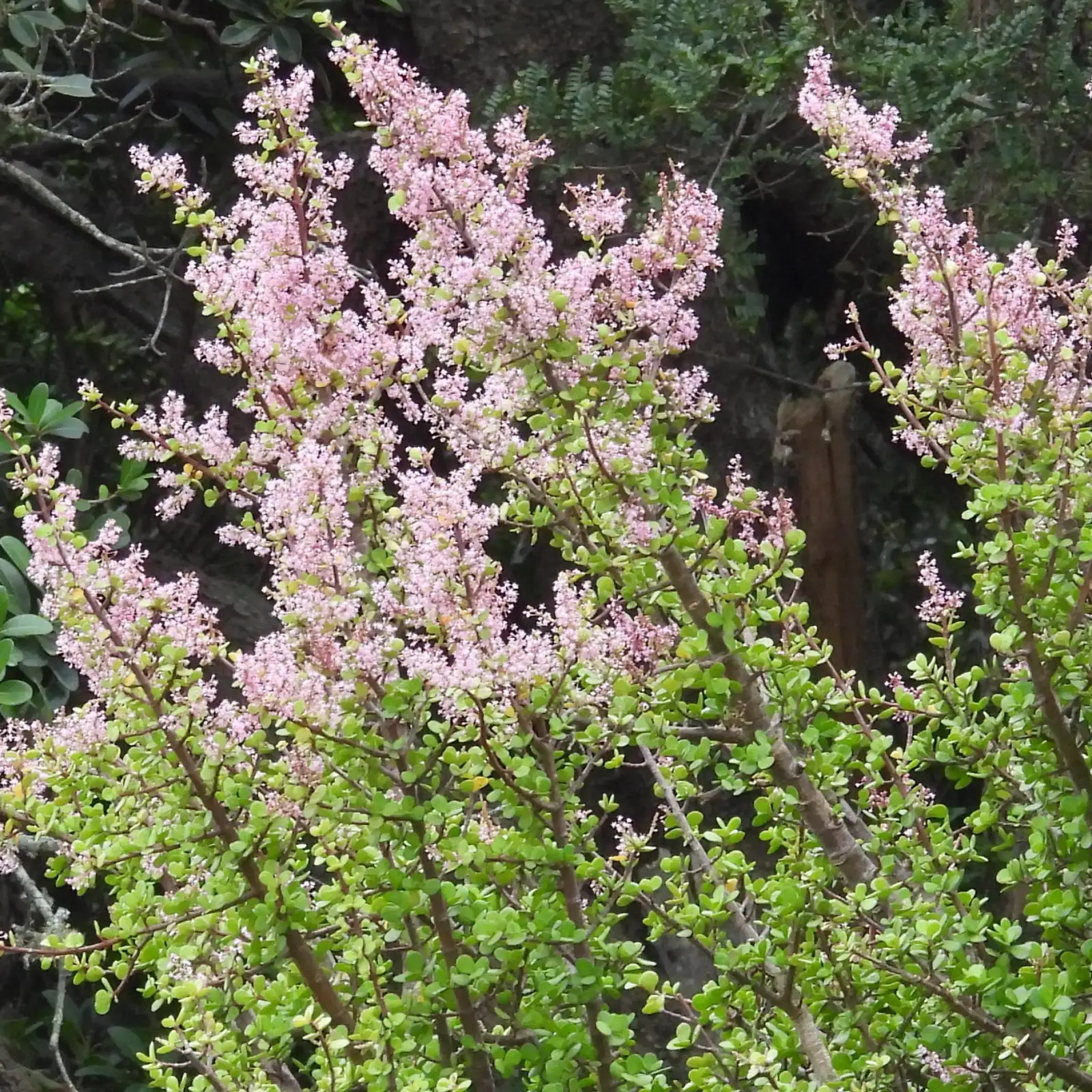
This is a soft-wooded, semi-evergreen upright multi-stemmed shrub or small tree that can grow 8 to 15 feet tall in the ground in mild climates
— Elephant Bush, Portulacaria afra – Wisconsin Horticulture [1] - Propagation
Stem cuttings root in 4–6 weeks, best taken in spring or summer; also grows from seed
What the sources say (2)
Propagation: Stem cuttings (rooted in 4 to 6 weeks, best taken in spring or summer); also from seed
Although it can be grown from seed, this plant is most often propagated from cuttings. Stem cuttings are easily rooted within 4 to 6 weeks in any type of potting medium in warm temperatures.
— Elephant Bush, Portulacaria afra – Wisconsin Horticulture [1] Cuttings are best taken in spring or summer, allowing the cut portions to dry and callus for a couple of days before putting in the rooting medium.
— Elephant Bush, Portulacaria afra – Wisconsin Horticulture [1] - Containers
Grows well in pots and indoors
What the sources say (2)
In containers: Yes
Elephant bush is well suited to growing in a hanging or elevated container.
— Elephant Bush, Portulacaria afra – Wisconsin Horticulture [1] Indoors: Yes
It is easily grown as a seasonal accent plant or low maintenance houseplant in our part of the world.
— Elephant Bush, Portulacaria afra – Wisconsin Horticulture [1]
Overview
Elephant bush is a succulent shrub that needs bright light and very well-drained soil. [1] It is drought tolerant, is susceptible to root rot in consistently moist soil, and is mostly propagated from cuttings. [1]
Elephant bush care
How to water Elephant bush
Watering
Very drought tolerant but grows faster with adequate water; avoid overwatering (root rot in consistently moist soil); restrict watering in winter
What the sources say (2)
Although elephant bush is very drought tolerant it grows more quickly and the foliage is lusher with adequate water.Be careful not to overwater, as it is susceptible to root rot in consistently moist soil. Restrict watering in the winter.Watering notes
Resume sparingly once daylength increases in spring, letting soil dry to a depth of an inch (2.5 cm) before watering again
What the sources say (1)
Resume watering sparingly once daylength increases in spring, allowing the soil to dry to a depth of an inch before watering again.How much light Elephant bush needs
Bright light (south-facing window indoors; east or west acceptable); too much direct sun can yellow or burn leaves
What the sources say (2)
Portulacaria afra needs bright light and very well-drained soil to thrive.The ideal indoor location is usually a south-facing window, but eastern or western exposures are acceptable, too.How much cold Elephant bush can take
Hardiness, coldest zone
9 [winter low −6.7 to −1.1 °C (20 to 30 °F)]
What the sources say (1)
can grow 8 to 15 feet tall in the ground in mild climates (hardy in zones 9- 11)Hardiness, warmest zone
11 [winter low 4.4 to 10 °C (40 to 50 °F)]
What the sources say (1)
can grow 8 to 15 feet tall in the ground in mild climates (hardy in zones 9- 11)Where to grow Elephant bush
Indoors
Yes
What the sources say (1)
It is easily grown as a seasonal accent plant or low maintenance houseplant in our part of the world.In containers
Yes
What the sources say (1)
Elephant bush is well suited to growing in a hanging or elevated container.How to propagate Elephant bush
Stem cuttings (rooted in 4 to 6 weeks, best taken in spring or summer); also from seed
What the sources say (2)
Although it can be grown from seed, this plant is most often propagated from cuttings. Stem cuttings are easily rooted within 4 to 6 weeks in any type of potting medium in warm temperatures.Cuttings are best taken in spring or summer, allowing the cut portions to dry and callus for a couple of days before putting in the rooting medium.How to grow Elephant bush
The plant
Life cycle
perennial
What the sources say (1)
Elephant bush, Portulacaria afra , is a perennial succulent shrub from South Africa that is a popular succulent garden plant around the world.Mature height
243.84-457.2 cm (8-15 ft, in the ground in mild climates)
What the sources say (1)
This is a soft-wooded, semi-evergreen upright multi-stemmed shrub or small tree that can grow 8 to 15 feet tall in the ground in mild climatesPests and diseases
Pests
mealybugs
What the sources say (1)
This plant has few pests, but mealybugs can be a problem, especially indoors.Diseases
root rot
What the sources say (1)
Be careful not to overwater, as it is susceptible to root rot in consistently moist soil.Fertilizing
When
The sources give different values depending on region, zone or growing conditions.
What each source says
in containers: During the growing season
What the sources say (1)
in containers: Fertilize plants in containers monthly during the growing season (or more frequently if pruning a lot to grow a dense plant in a small container).How often
The sources give different values depending on region, zone or growing conditions.
What each source says
in containers: Monthly; more often when pruned hard to keep a dense plant in a small container
What the sources say (1)
in containers: Fertilize plants in containers monthly during the growing season (or more frequently if pruning a lot to grow a dense plant in a small container).Elephant bush pests and problems
Mealybugs
Symptom: Pest problem, especially indoors
What to do: Avoid petroleum-based chemicals, or test first on a few leaves
What the sources say (2)
This plant has few pests, but mealybugs can be a problem, especially indoors.
— Elephant Bush, Portulacaria afra – Wisconsin Horticulture [1] Petroleum-based chemicals should be avoided, or test first on a few leaves to be sure the material will not damage the leaves.
— Elephant Bush, Portulacaria afra – Wisconsin Horticulture [1]
Remedies
Each remedy shows what official sources say about it; traditional remedies without an official source are marked as such. Harmful ones are listed so you know to avoid them.
Treating the plant
mealybugs
pruning out infested parts Partly works
How: Mechanical pest control methods like pruning the infested parts are the best methods for managing these pests in the short term; resolving the underlying problem prevents them in the long term.
Mechanical pest control methods like pruning the infested parts are the best methods for managing these pests in the short term.
— gardeningsg.nparks.gov.sg [2] What the evidence says It may be helpful to prune out heavily infested plant parts when such pruning won’t damage the appearance of the plant.
— hort.extension.wisc.edu [3]
root rot
sandy soil with inorganic amendments and bottom watering Official source, not independently tested
How: Grow the plant in sandy soil with plenty of inorganic soil amendments; plants can also be bottom watered once a week or less to keep the soil airy.
To prevent rot, grow the plant in sandy soil with plenty of inorganic soil amendments . Plants can also be bottom watered once a week or less to keep the soil airy.
— gardeningsg.nparks.gov.sg [2]
Edibility
Reported by the source, quoted verbatim. Do not eat a plant on the basis of this page alone: identification mistakes can be dangerous.
The foliage is edible – and is commonly eaten in southern Africa, usually in salads or soups
[1]
Similar plants
- Aaron's Beard Hypericum calycinum
- Abies grandis Abies grandis
- Abraham Trachystemon orientalis
- Abyssinian banana Ensete ventricosum
- Acacia longifolia Acacia longifolia
- Acacia retinodes Acacia retinodes
- Acanthus hungaricus Acanthus hungaricus
- Achlys triphylla Achlys triphylla
Sources
Every value above is quoted from these documents. Links lead to the original publisher.
- Elephant Bush, Portulacaria afra – Wisconsin Horticulture · hort.extension.wisc.edu, consulted
- gardeningsg.nparks.gov.sg · gardeningsg.nparks.gov.sg
- hort.extension.wisc.edu · hort.extension.wisc.edu
Written by Emilio Marruso · last checked