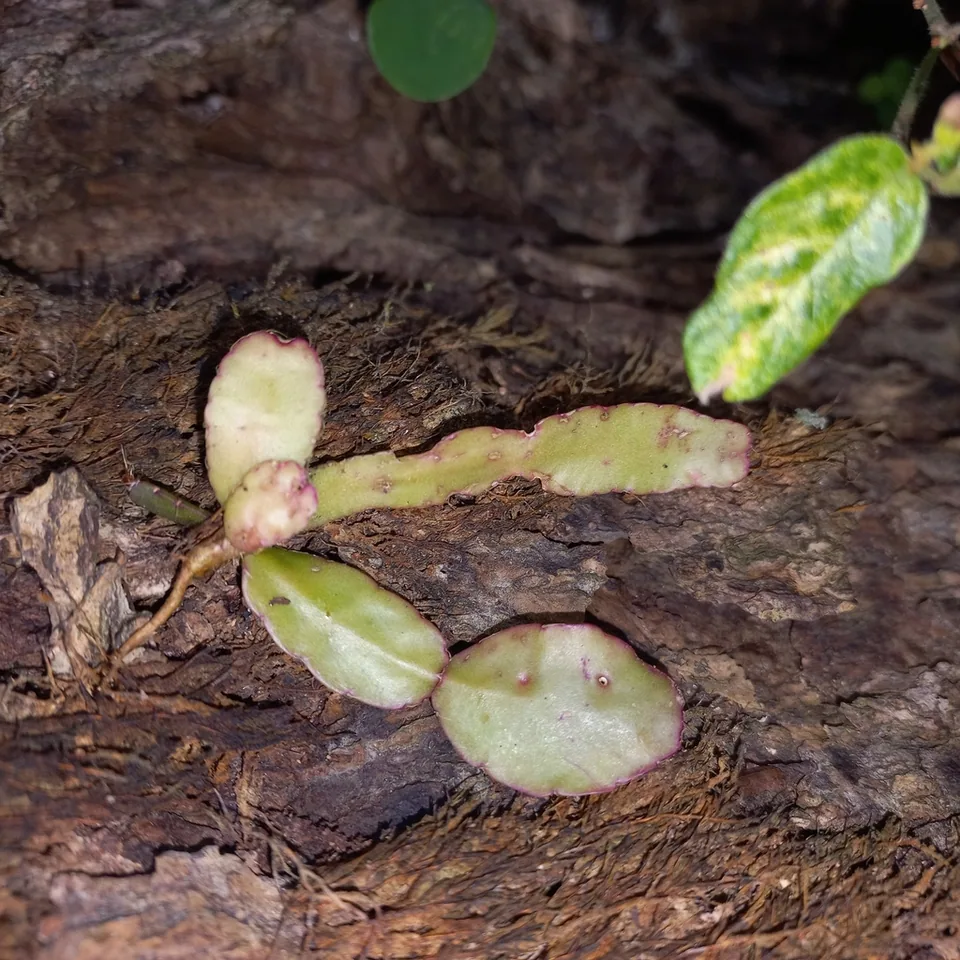
How to Grow and Care for Easter Cactus
Rhipsalidopsis gaertneri
Written by Emilio Marruso · last checked
Not toxic to cats and dogs, according to the sources · Sources
At a glance
This cactus is a cheerful houseplant: it grows happily indoors and in pots, asking only for bright, indirect light. Feed it once a month from spring through late summer, pinch the stems in June for a bushier plant, and let it rest with less water in winter. Best of all, it's safe around cats and dogs.
- Sun
Bright, indirect light
What the sources say (2)
Light: Bright, indirect light
This plant prefers bright, indirect light and moist, well-drained, cactus potting mix.
— Rhipsalidopsis gaertneri (Easter Cactus, Holiday Cactus, Whitesun) | North Carolina Extension Gardener Plant Toolbox [1] Place your holiday cactus in bright, indirect light.
— A Guide to Holiday Cacti Care - The Basics Pt. 1 - UF/IFAS Extension Flagler County [3] - Water
Water less during its winter rest
What the sources say (1)
Watering notes: Reduce watering during the dormant months of winter
It is best to keep the soil moist but avoid overwatering. Reduce watering during the dormant months of winter.
— Rhipsalidopsis gaertneri (Easter Cactus, Holiday Cactus, Whitesun) | North Carolina Extension Gardener Plant Toolbox [1] - Cold
Survives winters down to 30 °F (−1.1 °C)
Half hardy: mild winters or an unheated greenhouse · USDA 10a · RHS H3 · Z10
What the sources say (2)
Hardiness, coldest zone: 10a [winter low −1.1 to 1.7 °C (30 to 35 °F)]
USDA Plant Hardiness Zone: 10a, 10b, 11a, 11b, 12a, 12b
— Rhipsalidopsis gaertneri (Easter Cactus, Holiday Cactus, Whitesun) | North Carolina Extension Gardener Plant Toolbox [1] Hardiness, warmest zone: 12b [winter low 12.8 to 15.6 °C (55 to 60 °F)]
USDA Plant Hardiness Zone: 10a, 10b, 11a, 11b, 12a, 12b
— Rhipsalidopsis gaertneri (Easter Cactus, Holiday Cactus, Whitesun) | North Carolina Extension Gardener Plant Toolbox [1] - Feeding
Houseplant fertilizer once a month from spring to late summer; none in fall and winter
What the sources say (6)
When: From spring through late summer, while the plant is actively growing
Fertilize plants with a complete house plant fertilizer once growth resumes in the spring through late summer.
— How to identify and care for holiday cacti and get them to rebloom | Good Growing | Illinois Extension | Illinois [2] Feed your holiday cactus with a balanced, slow-release fertilizer during the growing season (spring and summer).
— A Guide to Holiday Cacti Care - The Basics Pt. 1 - UF/IFAS Extension Flagler County [3] How often: Once a month while actively growing
When it is actively growing, fertilize the plant once a month.
— Rhipsalidopsis gaertneri (Easter Cactus, Holiday Cactus, Whitesun) | North Carolina Extension Gardener Plant Toolbox [1] Mineral fertilizers: Complete houseplant fertilizer, or a balanced slow-release fertilizer
Fertilize plants with a complete house plant fertilizer once growth resumes in the spring through late summer.
— How to identify and care for holiday cacti and get them to rebloom | Good Growing | Illinois Extension | Illinois [2] Feed your holiday cactus with a balanced, slow-release fertilizer during the growing season (spring and summer).
— A Guide to Holiday Cacti Care - The Basics Pt. 1 - UF/IFAS Extension Flagler County [3] Avoid: Feeding in fall and winter, when the plant is dormant
Reduce or cease fertilization during the fall and winter when the plant is dormant.
— A Guide to Holiday Cacti Care - The Basics Pt. 1 - UF/IFAS Extension Flagler County [3] - Pruning
In June, pinch the stems back so it branches more
What the sources say (1)
Pruning: June (pinching stems back to promote branching)
Pinching stems back in June will promote branching, which can lead to more flowers being produced.
— How to identify and care for holiday cacti and get them to rebloom | Good Growing | Illinois Extension | Illinois [2] - Pests
Spider mites, aphids, mealybugs and scale; root rot and gray mold
What the sources say (2)
Pests: spider mites, aphids, mealybugs, scale
This plant may be susceptible to spider mites, aphids, mealybugs, and scale.
— Rhipsalidopsis gaertneri (Easter Cactus, Holiday Cactus, Whitesun) | North Carolina Extension Gardener Plant Toolbox [1] Diseases: root rot, gray mold
Root rot and gray mold can occur. It is important to have good air circulation and humidity control.
— Rhipsalidopsis gaertneri (Easter Cactus, Holiday Cactus, Whitesun) | North Carolina Extension Gardener Plant Toolbox [1] - Watch out
Direct sun scorches the leaves; heat, drafts and too much or too little water make buds drop
- Size
6–12 in tall and 18–24 in wide
What the sources say (2)
Mature height: 15.24-30.48 cm (6-12 in)
It grows 6 to 12 inches tall and 18 to 24 inches wide.
— Rhipsalidopsis gaertneri (Easter Cactus, Holiday Cactus, Whitesun) | North Carolina Extension Gardener Plant Toolbox [1] Mature width: 45.72-60.96 cm (18-24 in)
It grows 6 to 12 inches tall and 18 to 24 inches wide.
— Rhipsalidopsis gaertneri (Easter Cactus, Holiday Cactus, Whitesun) | North Carolina Extension Gardener Plant Toolbox [1] - Propagation
From stem cuttings
What the sources say (1)
Propagation: Stem cutting
Life Cycle: Perennial Recommended Propagation Strategy: Stem Cutting
— Rhipsalidopsis gaertneri (Easter Cactus, Holiday Cactus, Whitesun) | North Carolina Extension Gardener Plant Toolbox [1] - Containers
Grows well in pots and indoors
What the sources say (2)
In containers: Yes
This plant will provide vibrant blooms in the spring as a houseplant or container plant on your patio.
— Rhipsalidopsis gaertneri (Easter Cactus, Holiday Cactus, Whitesun) | North Carolina Extension Gardener Plant Toolbox [1] Indoors: Yes
Easter cactus is an epiphytic house plant that is native to the coastal mountains of southern Brazil
— Rhipsalidopsis gaertneri (Easter Cactus, Holiday Cactus, Whitesun) | North Carolina Extension Gardener Plant Toolbox [1] - Safety
Not toxic to cats or dogs
Overview
Easter cactus is an epiphytic house plant native to the coastal mountains of southern Brazil, with star-shaped flowers in spring. [1] It prefers bright, indirect light and moist, well-drained cactus potting mix, and can be grown as a houseplant or container plant. [1] It is listed as non-toxic for cats and dogs. [1]
Easter Cactus care
How to water Easter Cactus
Watering
The sources give different values depending on region, zone or growing conditions.
What each source says
while plants are blooming: Keep the soil moist, without sitting in water
after flowering until new growth appears: Cut back on watering slightly; keep plants on the dry side
What the sources say (3)
while plants are blooming: Soil should be kept moist, but make sure they aren’t sitting in water.after flowering until new growth appears: Cut back on watering slightly until new growth begins to appear (keep plants on the dry side).It is best to keep the soil moist but avoid overwatering.Watering notes
Reduce watering during the dormant months of winter
What the sources say (1)
It is best to keep the soil moist but avoid overwatering. Reduce watering during the dormant months of winter.How much light Easter Cactus needs
Bright, indirect light
What the sources say (2)
This plant prefers bright, indirect light and moist, well-drained, cactus potting mix.Place your holiday cactus in bright, indirect light.How much cold Easter Cactus can take
Hardiness, coldest zone
10a [winter low −1.1 to 1.7 °C (30 to 35 °F)]
What the sources say (1)
USDA Plant Hardiness Zone:
10a, 10b, 11a, 11b, 12a, 12bHardiness, warmest zone
12b [winter low 12.8 to 15.6 °C (55 to 60 °F)]
What the sources say (1)
USDA Plant Hardiness Zone:
10a, 10b, 11a, 11b, 12a, 12bWhere to grow Easter Cactus
Indoors
Yes
What the sources say (1)
Easter cactus is an epiphytic house plant that is native to the coastal mountains of southern BrazilIn containers
Yes
What the sources say (1)
This plant will provide vibrant blooms in the spring as a houseplant or container plant on your patio.How to propagate Easter Cactus
Stem cutting
What the sources say (1)
Life Cycle:
Perennial
Recommended Propagation Strategy:
Stem CuttingHow to grow Easter Cactus
The plant
Life cycle
perennial
What the sources say (1)
Family: Cactaceae Life Cycle: Perennial Recommended Propagation Strategy: Stem Cutting Country Or Region Of Origin: Southern BrazilFamily
Cactaceae
What the sources say (1)
Family: Cactaceae Life Cycle: Perennial Recommended Propagation Strategy: Stem Cutting Country Or Region Of Origin: Southern BrazilMature height
15.24-30.48 cm (6-12 in)
What the sources say (1)
It grows 6 to 12 inches tall and 18 to 24 inches wide.Mature width
45.72-60.96 cm (18-24 in)
What the sources say (1)
It grows 6 to 12 inches tall and 18 to 24 inches wide.Pests and diseases
Pests
spider mites, aphids, mealybugs, scale
What the sources say (1)
This plant may be susceptible to spider mites, aphids, mealybugs, and scale.Diseases
root rot, gray mold
What the sources say (1)
Root rot and gray mold can occur. It is important to have good air circulation and humidity control.Fertilizing
When
From spring through late summer, while the plant is actively growing
What the sources say (2)
Fertilize plants with a complete house plant fertilizer once growth resumes in the spring through late summer.Feed your holiday cactus with a balanced, slow-release fertilizer during the growing season (spring and summer).How often
Once a month while actively growing
What the sources say (1)
When it is actively growing, fertilize the plant once a month.Mineral fertilizers
Complete houseplant fertilizer, or a balanced slow-release fertilizer
What the sources say (2)
Fertilize plants with a complete house plant fertilizer once growth resumes in the spring through late summer.Feed your holiday cactus with a balanced, slow-release fertilizer during the growing season (spring and summer).Avoid
Feeding in fall and winter, when the plant is dormant
What the sources say (1)
Reduce or cease fertilization during the fall and winter when the plant is dormant.Easter Cactus pests and problems
Pests and rot
Symptom: Susceptible to spider mites, aphids, mealybugs and scale; root rot and gray mold can occur.
What to do: Good air circulation and humidity control.
What the sources say (1)
This plant may be susceptible to spider mites, aphids, mealybugs, and scale. Root rot and gray mold can occur. It is important to have good air circulation and humidity control.
— Rhipsalidopsis gaertneri (Easter Cactus, Holiday Cactus, Whitesun) | North Carolina Extension Gardener Plant Toolbox [1] Scorched leaves
Symptom: Scorched leaves from direct sunlight, especially in the hottest parts of the day.
What the sources say (1)
Scorched leaves can result from direct sunlight, especially during the hottest parts of the day.
— Rhipsalidopsis gaertneri (Easter Cactus, Holiday Cactus, Whitesun) | North Carolina Extension Gardener Plant Toolbox [1] Bud drop
Symptom: Flower buds drop.
What to do: Avoid high temperatures, drafts, insufficient light, under or overwatering and low humidity.
What the sources say (1)
exposure to drafts, insufficient lighting, under or overwatering, and low humidity.
— How to identify and care for holiday cacti and get them to rebloom | Good Growing | Illinois Extension | Illinois [2]
Remedies
Each remedy shows what official sources say about it; traditional remedies without an official source are marked as such. Harmful ones are listed so you know to avoid them.
Treating the plant
mealybugs
alcohol on a cotton ball or in a spray bottle Not verified
Traditional remedy, not verified by an official source.
How: Seclude the plant and treat the aphids, mealybugs, scale or spider mites with alcohol in a spray bottle or on a cotton ball; it can take several days until all pests are removed.
Is Easter Cactus poisonous?
Reported by the source, quoted verbatim. This is not medical or veterinary advice: if a person or an animal may have eaten this plant, contact a poison control centre or a veterinarian.
#non-toxic for cats #succulent #herbaceous perennial #non-toxic for dogs
[1]The source flags the risk for this animal but does not explain why.
Calendar
June (pinching stems back to promote branching)
What the sources say (1)
Pinching stems back in June will promote branching, which can lead to more flowers being produced.Months as given by the sources, which are mostly from the United States (northern hemisphere). In the southern hemisphere they shift by about six months.
Similar plants
- Pink Star Cactus Rhipsalidopsis rosea
- Bunny Ears Opuntia microdasys
- Devil's Tongue Opuntia humifusa
- Dragon Fruit Selenicereus undatus
- Easter Lily Cactus Echinopsis oxygona
- Erect Prickly Pear Opuntia stricta
- Eve's Needle Austrocylindropuntia subulata
- Mistletoe Cactus Rhipsalis baccifera
Sources
Every value above is quoted from these documents. Links lead to the original publisher.
- Rhipsalidopsis gaertneri (Easter Cactus, Holiday Cactus, Whitesun) | North Carolina Extension Gardener Plant Toolbox · plants.ces.ncsu.edu, consulted
- How to identify and care for holiday cacti and get them to rebloom | Good Growing | Illinois Extension | Illinois · extension.illinois.edu, consulted
- A Guide to Holiday Cacti Care - The Basics Pt. 1 - UF/IFAS Extension Flagler County · blogs.ifas.ufl.edu, consulted
Written by Emilio Marruso · last checked