
How to Grow and Care for Dog rose
Rosa canina
Written by Emilio Marruso · last checked
Toxic to: People · Why
At a glance
Dog rose is a tough, generous shrub that grows in full sun or partial shade and reaches 3 to 10 feet tall. Its hips, picked from early October and sweetened by the first frost, make excellent jams, jellies and syrups, with 20 times more vitamin C than oranges. Water it well after planting and feed it once each spring.
- Sun
Full sun to partial shade
What the sources say (1)
Light: Full sun to partial shade
Dog roses put on their best display in full sun in moist but well-drained soil, but they can tolerate some shade and poor soil.
— How to Grow and Care for Dog Rose | BBC Gardeners World Magazine [3] - Water
Water well at planting, then mulch; water young plants in summer until established
What the sources say (1)
Watering notes: Water new plants in summer until established; water abundantly immediately after planting, then mulch
Water new roses in summer until they are established.
— How to Grow and Care for Dog Rose | BBC Gardeners World Magazine [3] - Cold
Survives winters down to −40 °F (−40 °C)
Very hardy · USDA 3a · RHS H7 · Z3
- Feeding
Once a year in early spring, 1/2 to 1 cup of all-purpose fertilizer; no nitrogen in late summer
What the sources say (7)
When: Early spring, before growth starts
as an alternative, in fall: Roses can be fall fertilized after the plants have gone dormant. Applying fertilizer at this time will not encourage growth but will be available as the plants start to grow in the spring.
— [6] If you decide to fertilize, the best time to fertilize roses is in the early spring before growth starts to appear.
— [7] For species roses, a spring application of general-purpose fertilizer is usually adequate for the season.
— [6] How often: Once a year, in spring
For species roses, a spring application of general-purpose fertilizer is usually adequate for the season.
— [6] Mineral fertilizers: General-purpose fertilizer such as 10-10-10 or 12-12-12, 119 to 237 mL per plant
For species roses, a spring application of general-purpose fertilizer is usually adequate for the season. General-purpose fertilizers such as 10-10-10 or 12-12-12 are used at about one-half to one cup per plant.
— [6] Avoid: High-nitrogen fertilizer late in summer; stop fertilizing in late summer as the plants go dormant
Be careful not to fertilize your roses with high nitrogen formulas late in the summer (end of August/September).
— [7] You can fertilize every four to six weeks during the growing season, but stop fertilization in late summer (late August or early September) as the roses begin to go dormant.
— [8] - Pruning
Prune from late fall to early spring, after flowering
What the sources say (1)
Pruning: Late autumn to early spring, after flowering
Prune dog roses once flowering is over, from late autumn through to early spring
— How to Grow and Care for Dog Rose | BBC Gardeners World Magazine [3] - Harvest
Pick hips from early October, best after frost; without seeds and hairs they make jams and syrups
What the sources say (1)
Harvest: Hips from early October onwards; after the first frost, mid-autumn to early winter
The scarlet hips should be picked from the beginning of October onwards.
— Dog Rose - How to Grow from Seed [4] - Pests
Powdery mildew on young plants: keep things clean and treat it quickly if it appears
- Size
3 to 10 ft tall
What the sources say (1)
Mature height: 100-300 cm (1-3 m)
Habit: Deciduous woody shrub, 1–3 m tall. Stems: The main stems are robust, while the secondary ones are green.
— Rosa canina L. – Giardino della Flora Appenninica [1] - Propagation
Hardwood cuttings in fall, or seed
What the sources say (2)
Propagation: Hardwood cuttings (autumn); seed (deeply dormant, sown the second spring after collection)
The best way to make more dog rose plants is to take hardwood cuttings . This can be done in autumn.
— How to Grow and Care for Dog Rose | BBC Gardeners World Magazine [3] dog rose seed is deeply dormant and needs this long before it will grow.
— Dog Rose - How to Grow from Seed [4] - Sowing
Sow chilled seed in late February to early March, the second year after collecting it
What the sources say (3)
Sowing: Late February to early March of the second year after seed collection (stratified seed)
In late February or early March of the second year after collection (February 2020 if you collect your seeds in October 2018) check for signs of germination. If about 10% are showing signs of germination, they are ready to sow.
— Dog Rose - How to Grow from Seed [4] Propagation: Hardwood cuttings (autumn); seed (deeply dormant, sown the second spring after collection)
The best way to make more dog rose plants is to take hardwood cuttings . This can be done in autumn.
— How to Grow and Care for Dog Rose | BBC Gardeners World Magazine [3] dog rose seed is deeply dormant and needs this long before it will grow.
— Dog Rose - How to Grow from Seed [4] - Safety
No toxic effects reported, but the seeds inside the hips have irritating hairs
Overview
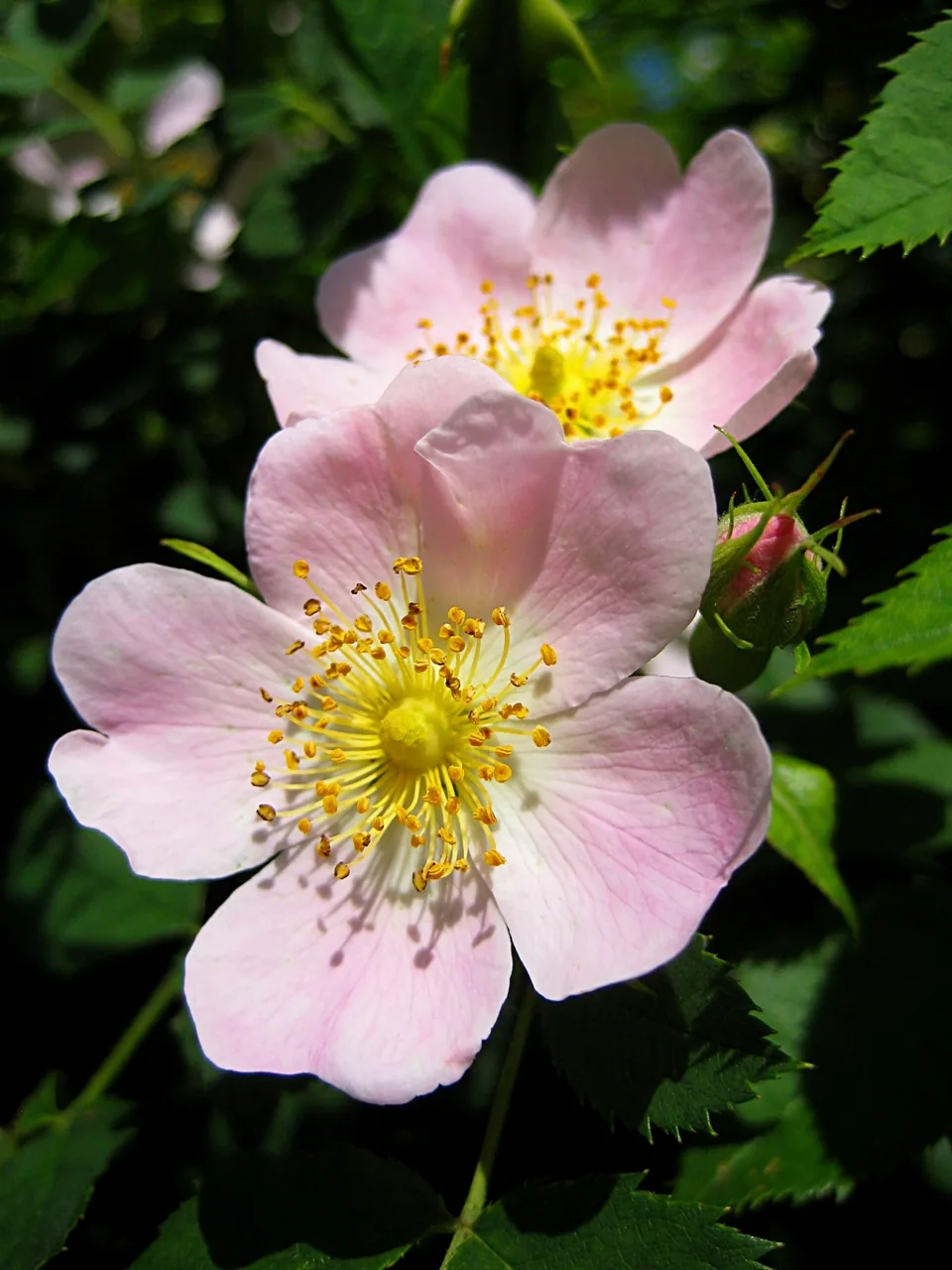
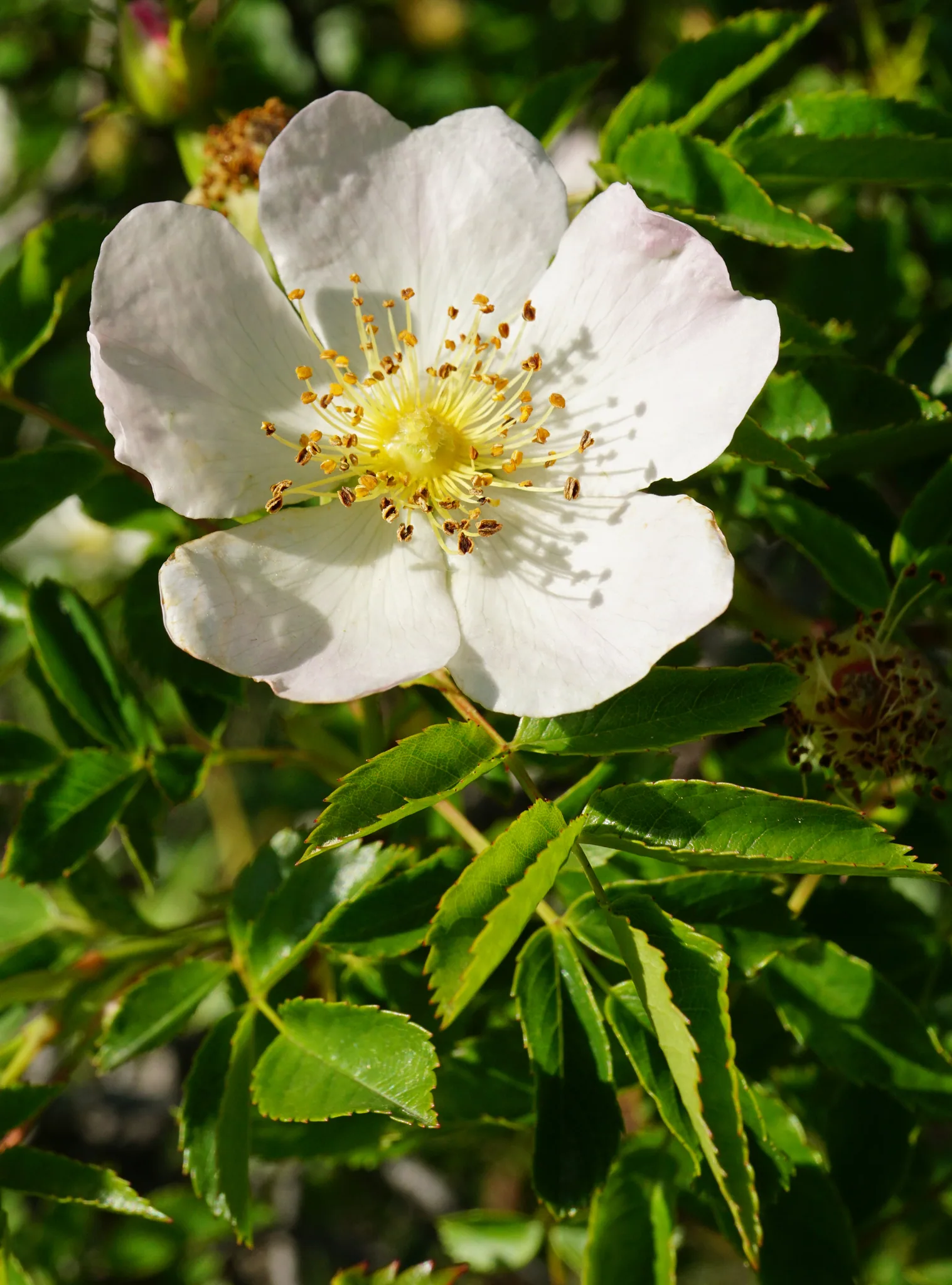
Rosa canina is a deciduous prickly shrub found throughout Italy from coastal areas to the mountains. [1] It grows best in full sun in moist but well-drained soil and is used as a hedging plant or border shrub. [3] The hips are used for jams and jellies, and the species has long served as rootstock for cultivated roses. [3][1]
This record is incomplete: the sources we read do not cover every field yet.
Not yet covered by our sources: Watering
Dog rose care
How to water Dog rose
Watering
Not stated in the sources we read.
Watering notes
Water new plants in summer until established; water abundantly immediately after planting, then mulch
What the sources say (1)
Water new roses in summer until they are established.How much light Dog rose needs
Full sun to partial shade
What the sources say (1)
Dog roses put on their best display in full sun in moist but well-drained soil, but they can tolerate some shade and poor soil.How much cold Dog rose can take
Hardiness, coldest zone
3a [winter low −40 to −37.2 °C (−40 to −35 °F)]
What the sources say (1)
USDA Hardiness Zone | 3a to 8bHardiness, warmest zone
8b [winter low −9.4 to −6.7 °C (15 to 20 °F)]
What the sources say (1)
USDA Hardiness Zone | 3a to 8bHow to propagate Dog rose
Hardwood cuttings (autumn); seed (deeply dormant, sown the second spring after collection)
What the sources say (2)
The best way to make more dog rose plants is to take hardwood cuttings . This can be done in autumn.dog rose seed is deeply dormant and needs this long before it will grow.How to grow Dog rose
The plant
Family
Rosaceae
What the sources say (1)
Scientific name: Rosa canina L. Common name: Dog Rose Family: Rosaceae Biological form: Nano-FanerofitaMature height
100-300 cm (1-3 m)
What the sources say (1)
Habit: Deciduous woody shrub, 1–3 m tall. Stems: The main stems are robust, while the secondary ones are green.Fertilizing
When
Early spring, before growth starts
What each source says
as an alternative, in fall: After the plants have gone dormant; the nutrients are available when growth resumes in spring
What the sources say (3)
as an alternative, in fall: Roses can be fall fertilized after the plants have gone dormant. Applying fertilizer at this time will not encourage growth but will be available as the plants start to grow in the spring.If you decide to fertilize, the best time to fertilize roses is in the early spring before growth starts to appear.For species roses, a spring application of general-purpose fertilizer is usually adequate for the season.How often
Once a year, in spring
What the sources say (1)
For species roses, a spring application of general-purpose fertilizer is usually adequate for the season.Mineral fertilizers
General-purpose fertilizer such as 10-10-10 or 12-12-12, 119 to 237 mL per plant
What the sources say (1)
For species roses, a spring application of general-purpose fertilizer is usually adequate for the season. General-purpose fertilizers such as 10-10-10 or 12-12-12 are used at about one-half to one cup per plant.Avoid
High-nitrogen fertilizer late in summer; stop fertilizing in late summer as the plants go dormant
What the sources say (2)
Be careful not to fertilize your roses with high nitrogen formulas late in the summer (end of August/September).You can fertilize every four to six weeks during the growing season, but stop fertilization in late summer (late August or early September) as the roses begin to go dormant.Dog rose pests and problems
Mildew
Symptom: Powdery mildew on young plants
What to do: Good hygiene reduces the risk; if mildew appears, treat quickly with a fungicide, preferably organic
What the sources say (1)
If mildew does appear, treat quickly with a fungicide, preferably organic.
— Dog Rose - How to Grow from Seed [4]
Remedies
Each remedy shows what official sources say about it; traditional remedies without an official source are marked as such. Harmful ones are listed so you know to avoid them.
Getting rid of it
dog rose thickets
hand removal and grubbing Not verified
Traditional remedy, not verified by an official source.
How: Smaller plants can be removed by hand or grubbed; the crown of larger plants should be fully removed to prevent regrowth.
goat grazing Not verified
Traditional remedy, not verified by an official source.
How: Goats and sheep can be used on larger infestations.
Is Dog rose poisonous?
Reported by the source, quoted verbatim. This is not medical or veterinary advice: if a person or an animal may have eaten this plant, contact a poison control centre or a veterinarian.
Calendar
Late February to early March of the second year after seed collection (stratified seed)
What the sources say (1)
In late February or early March of the second year after collection (February 2020 if you collect your seeds in October 2018) check for signs of germination. If about 10% are showing signs of germination, they are ready to sow.The sources give different values depending on region, zone or growing conditions.
What each source says
According to BBC Gardeners World (bare-root plants): November to April
What the sources say (1)
According to BBC Gardeners World (bare-root plants): The most economical way to buy dog roses is to buy bare-root plants, which can be planted between November and April.Hips from early October onwards; after the first frost, mid-autumn to early winter
What the sources say (1)
The scarlet hips should be picked from the beginning of October onwards.Late autumn to early spring, after flowering
What the sources say (1)
Prune dog roses once flowering is over, from late autumn through to early springMonths as given by the sources, which are mostly from the United States (northern hemisphere). In the southern hemisphere they shift by about six months.
Edibility
Reported by the source, quoted verbatim. Do not eat a plant on the basis of this page alone: identification mistakes can be dangerous.
In cooking, the fruits, once deprived of seeds and internal hairs, are used to produce excellent jams, jellies, and liqueurs, especially when harvested after the first winter frosts, which sweeten the pulp.
[1]Rosehips are a good source of vitamin C, with 20 times more vitamin C than oranges (weight for weight), and can be made into syrups or jellies.
[3]
Similar plants
- Apple Rose Rosa villosa
- Burnet Rose Rosa spinosissima
- Carolina Rose Rosa carolina
- Cherokee Rose Rosa laevigata
- Climbing Prairie Rose Rosa setigera
- Lady Banks Rosa banksiae
- Memorial Rose Rosa lucieae
- Musk rose Rosa moschata
Sources
Every value above is quoted from these documents. Links lead to the original publisher.
- Rosa canina L. – Giardino della Flora Appenninica · giardinocapracotta.unimol.it, consulted
- Rosa canina | BBC Gardeners World Magazine · gardenersworld.com, consulted
- How to Grow and Care for Dog Rose | BBC Gardeners World Magazine · gardenersworld.com, consulted
- Dog Rose - How to Grow from Seed · treegrowing.tcv.org.uk, consulted
- World Plants · worldplants.ca, consulted
- extension.illinois.edu · extension.illinois.edu
- ask.extension.org · ask.extension.org
- extension.oregonstate.edu · extension.oregonstate.edu
Written by Emilio Marruso · last checked