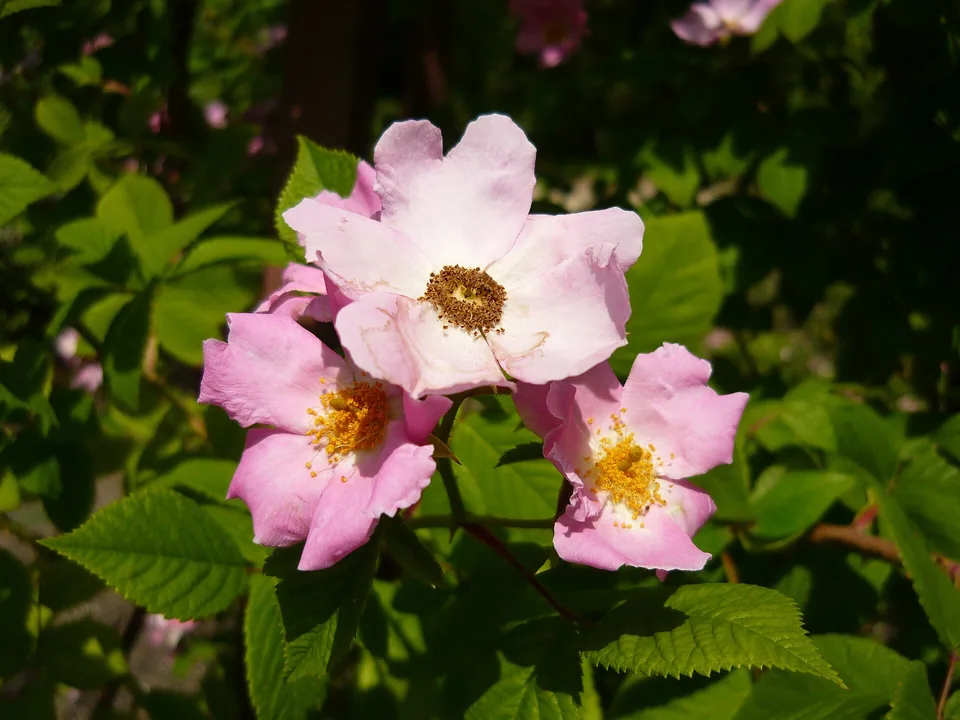


How to Grow and Care for Climbing Prairie Rose
Rosa setigera
Written by Emilio Marruso · last checked
At a glance
This rose is a generous, easygoing shrub: it grows 3 to 15 feet tall and 6 to 10 feet wide, and it resists diseases better than most hybrid roses. Give it full sun and moist soil that drains well, feed it once a year in spring, and prune it in late winter or early spring.
- Sun
Full sun; in partial shade it flowers less and gets sick more
What the sources say (1)
Light: Full sun
It prefers full sun, moist, and well-drained soils. It is intolerant of standing water and drought conditions. If grown in partial shade, there is decreased flower production
— Rosa setigera (Climbing Prairie Rose, Climbing Rose, Climbing Wild Rose, Prairie Rose) | North Carolina Extension Gardener Plant Toolbox [1] - Water
Keep the soil moist: it dislikes both drought and standing water
What the sources say (1)
Watering notes: Prefers moist, well-drained soils; intolerant of standing water and drought conditions
It prefers full sun, moist, and well-drained soils. It is intolerant of standing water and drought conditions.
— Rosa setigera (Climbing Prairie Rose, Climbing Rose, Climbing Wild Rose, Prairie Rose) | North Carolina Extension Gardener Plant Toolbox [1] - Cold
Survives winters down to −30 °F (−34.4 °C)
Very hardy · USDA 4a · RHS H7 · Z4
What the sources say (2)
Hardiness, coldest zone: 4a [winter low −34.4 to −31.7 °C (−30 to −25 °F)]
USDA Plant Hardiness Zone: 4a, 4b, 5a, 5b, 6a, 6b, 7a, 7b, 8a, 8b
— Rosa setigera (Climbing Prairie Rose, Climbing Rose, Climbing Wild Rose, Prairie Rose) | North Carolina Extension Gardener Plant Toolbox [1] Hardiness, warmest zone: 8b [winter low −9.4 to −6.7 °C (15 to 20 °F)]
USDA Plant Hardiness Zone: 4a, 4b, 5a, 5b, 6a, 6b, 7a, 7b, 8a, 8b
— Rosa setigera (Climbing Prairie Rose, Climbing Rose, Climbing Wild Rose, Prairie Rose) | North Carolina Extension Gardener Plant Toolbox [1] - Soil
Moist soil that drains well
What the sources say (1)
Watering notes: Prefers moist, well-drained soils; intolerant of standing water and drought conditions
It prefers full sun, moist, and well-drained soils. It is intolerant of standing water and drought conditions.
— Rosa setigera (Climbing Prairie Rose, Climbing Rose, Climbing Wild Rose, Prairie Rose) | North Carolina Extension Gardener Plant Toolbox [1] - Feeding
Once a year in early spring, ½–1 cup of all-purpose fertilizer; stop in late summer
What the sources say (7)
When: Early spring, before growth starts
as an alternative, in fall: Roses can be fall fertilized after the plants have gone dormant. Applying fertilizer at this time will not encourage growth but will be available as the plants start to grow in the spring.
— [3] If you decide to fertilize, the best time to fertilize roses is in the early spring before growth starts to appear.
— [4] For species roses, a spring application of general-purpose fertilizer is usually adequate for the season.
— [3] How often: Once a year, in spring
For species roses, a spring application of general-purpose fertilizer is usually adequate for the season.
— [3] Mineral fertilizers: General-purpose fertilizer such as 10-10-10 or 12-12-12, 119 to 237 mL per plant
For species roses, a spring application of general-purpose fertilizer is usually adequate for the season. General-purpose fertilizers such as 10-10-10 or 12-12-12 are used at about one-half to one cup per plant.
— [3] Avoid: High-nitrogen fertilizer late in summer; stop fertilizing in late summer as the plants go dormant
Be careful not to fertilize your roses with high nitrogen formulas late in the summer (end of August/September).
— [4] You can fertilize every four to six weeks during the growing season, but stop fertilization in late summer (late August or early September) as the roses begin to go dormant.
— [5] - Pruning
Prune in late winter or early spring
What the sources say (1)
Pruning: Late winter and early spring
If pruning is required, it is best done in late winter and early spring. The plant reproduces by seeds
— Rosa setigera (Climbing Prairie Rose, Climbing Rose, Climbing Wild Rose, Prairie Rose) | North Carolina Extension Gardener Plant Toolbox [1] - Pests
Aphids, spider mites, black spot, rust and powdery mildew; tougher than most hybrid roses
What the sources say (2)
Pests: flea beetles, aphids, scale, sawflies, borers, rose midges, leafhoppers, spider mites, thrips
The plant is susceptible to flea beetles, aphids, scale, sawflies, borers, rose midges, leafhoppers, spider mites, and thrips.
— Rosa setigera (Climbing Prairie Rose, Climbing Rose, Climbing Wild Rose, Prairie Rose) | North Carolina Extension Gardener Plant Toolbox [1] Diseases: rust, black spot, rose rosette, powdery mildew
Roses are typically susceptible to rust, black spot, rose rosette, and powdery mildew.
— Rosa setigera (Climbing Prairie Rose, Climbing Rose, Climbing Wild Rose, Prairie Rose) | North Carolina Extension Gardener Plant Toolbox [1] - Size
3 to 15 ft tall and 6 to 10 ft wide
What the sources say (2)
Mature height: 91.44-457.2 cm (3 ft - 15 ft)
Dimensions: Height: 3 ft. 0 in. - 15 ft. 0 in. Width: 6 ft. 0 in. - 10 ft. 0 in.
— Rosa setigera (Climbing Prairie Rose, Climbing Rose, Climbing Wild Rose, Prairie Rose) | North Carolina Extension Gardener Plant Toolbox [1] Mature width: 182.88-304.8 cm (6 ft - 10 ft)
Dimensions: Height: 3 ft. 0 in. - 15 ft. 0 in. Width: 6 ft. 0 in. - 10 ft. 0 in.
— Rosa setigera (Climbing Prairie Rose, Climbing Rose, Climbing Wild Rose, Prairie Rose) | North Carolina Extension Gardener Plant Toolbox [1] - Propagation
From seed, cuttings, suckers or grafting
What the sources say (2)
Propagation: Seed, suckering of the stems, cuttings, grafting
The plant reproduces by seeds or by suckering of the stems. Propagated by cuttings and grafting.
— Rosa setigera (Climbing Prairie Rose, Climbing Rose, Climbing Wild Rose, Prairie Rose) | North Carolina Extension Gardener Plant Toolbox [1] Recommended Propagation Strategy: Grafting Seed Stem Cutting
— Rosa setigera (Climbing Prairie Rose, Climbing Rose, Climbing Wild Rose, Prairie Rose) | North Carolina Extension Gardener Plant Toolbox [1]
Overview
The climbing prairie rose is a medium-sized deciduous shrub native to southeast Canada and the central and eastern United States. [1] It prefers full sun and moist, well-drained soils, and is intolerant of standing water and drought. [1]
This record is incomplete: the sources we read do not cover every field yet.
Not yet covered by our sources: Watering
Climbing Prairie Rose care
How to water Climbing Prairie Rose
Watering
Not stated in the sources we read.
Watering notes
Prefers moist, well-drained soils; intolerant of standing water and drought conditions
What the sources say (1)
It prefers full sun, moist, and well-drained soils. It is intolerant of standing water and drought conditions.How much light Climbing Prairie Rose needs
Full sun
What the sources say (1)
It prefers full sun, moist, and well-drained soils. It is intolerant of standing water and drought conditions. If grown in partial shade, there is decreased flower productionHow much cold Climbing Prairie Rose can take
Hardiness, coldest zone
4a [winter low −34.4 to −31.7 °C (−30 to −25 °F)]
What the sources say (1)
USDA Plant Hardiness Zone:
4a, 4b, 5a, 5b, 6a, 6b, 7a, 7b, 8a, 8bHardiness, warmest zone
8b [winter low −9.4 to −6.7 °C (15 to 20 °F)]
What the sources say (1)
USDA Plant Hardiness Zone:
4a, 4b, 5a, 5b, 6a, 6b, 7a, 7b, 8a, 8bHow to propagate Climbing Prairie Rose
Seed, suckering of the stems, cuttings, grafting
What the sources say (2)
The plant reproduces by seeds or by suckering of the stems. Propagated by cuttings and grafting.Recommended Propagation Strategy:
Grafting
Seed
Stem CuttingHow to grow Climbing Prairie Rose
The plant
Family
Rosaceae
What the sources say (1)
The climbing prairie rose is a medium-sized deciduous shrub in the rose family (Rosaceae) native to southeast Canada and the central and eastern United States.Mature height
91.44-457.2 cm (3 ft - 15 ft)
What the sources say (1)
Dimensions:
Height: 3 ft. 0 in. - 15 ft. 0 in.
Width: 6 ft. 0 in. - 10 ft. 0 in.Mature width
182.88-304.8 cm (6 ft - 10 ft)
What the sources say (1)
Dimensions:
Height: 3 ft. 0 in. - 15 ft. 0 in.
Width: 6 ft. 0 in. - 10 ft. 0 in.Pests and diseases
Pests
flea beetles, aphids, scale, sawflies, borers, rose midges, leafhoppers, spider mites, thrips
What the sources say (1)
The plant is susceptible to flea beetles, aphids, scale, sawflies, borers, rose midges, leafhoppers, spider mites, and thrips.Diseases
rust, black spot, rose rosette, powdery mildew
What the sources say (1)
Roses are typically susceptible to rust, black spot, rose rosette, and powdery mildew.Fertilizing
When
Early spring, before growth starts
What each source says
as an alternative, in fall: After the plants have gone dormant; the nutrients are available when growth resumes in spring
What the sources say (3)
as an alternative, in fall: Roses can be fall fertilized after the plants have gone dormant. Applying fertilizer at this time will not encourage growth but will be available as the plants start to grow in the spring.If you decide to fertilize, the best time to fertilize roses is in the early spring before growth starts to appear.For species roses, a spring application of general-purpose fertilizer is usually adequate for the season.How often
Once a year, in spring
What the sources say (1)
For species roses, a spring application of general-purpose fertilizer is usually adequate for the season.Mineral fertilizers
General-purpose fertilizer such as 10-10-10 or 12-12-12, 119 to 237 mL per plant
What the sources say (1)
For species roses, a spring application of general-purpose fertilizer is usually adequate for the season. General-purpose fertilizers such as 10-10-10 or 12-12-12 are used at about one-half to one cup per plant.Avoid
High-nitrogen fertilizer late in summer; stop fertilizing in late summer as the plants go dormant
What the sources say (2)
Be careful not to fertilize your roses with high nitrogen formulas late in the summer (end of August/September).You can fertilize every four to six weeks during the growing season, but stop fertilization in late summer (late August or early September) as the roses begin to go dormant.Climbing Prairie Rose pests and problems
Pests and diseases
Symptom: Susceptible to flea beetles, aphids, scale, sawflies, borers, rose midges, leafhoppers, spider mites and thrips; roses are typically susceptible to rust, black spot, rose rosette and powdery mildew
What to do: This species is more resistant to natural diseases than most hybrid roses
What the sources say (1)
The plant is susceptible to flea beetles, aphids, scale, sawflies, borers, rose midges, leafhoppers, spider mites, and thrips. This species of rose is more resistant to natural diseases than most hybrid roses.
— Rosa setigera (Climbing Prairie Rose, Climbing Rose, Climbing Wild Rose, Prairie Rose) | North Carolina Extension Gardener Plant Toolbox [1] Reduced flowering in shade
Symptom: Decreased flower production and increased risk of disease in partial shade
What to do: Grow in full sun
What the sources say (1)
If grown in partial shade, there is decreased flower production and an increased risk of disease. If pruning is required
— Rosa setigera (Climbing Prairie Rose, Climbing Rose, Climbing Wild Rose, Prairie Rose) | North Carolina Extension Gardener Plant Toolbox [1]
Remedies
Each remedy shows what official sources say about it; traditional remedies without an official source are marked as such. Harmful ones are listed so you know to avoid them.
Treating the plant
aphids
strong stream of water Works
How: blast the leaves from above and below with a firm jet, repeated as needed focusing on new growth
Blast with water first. Use a firm jet from a hose — aim directly at the undersides of leaves and along stems.
— nature-and-garden.com [6] What the evidence says Spray a strong stream of water at leaves, stems, and flowers of infected plants to remove feeding insects.
— solvepestproblems.oregonstate.edu [7] insecticidal soap spray Official source, not independently tested
How: spray onto the aphids, repeated three times at 5 to 7-day intervals
Roses can also be sprayed with insecticidal soap to control aphids. Insecticidal soap must be sprayed onto the aphids to be effective.
— hgic.clemson.edu [8] homemade liquid soap spray Not proven
There aren’t standard safety instructions for homemade insect killers. You could harm yourself, desired plants, or the environment.
— solvepestproblems.oregonstate.edu [7] How: 5 ml of pure liquid soap (not washing-up liquid with additives) per litre of water, repeated after four days
Mix 5ml of pure liquid soap (not washing-up liquid with additives) per litre of water. Spray every part of the plant, focusing on new growth.
— nature-and-garden.com [6] What the evidence says Homemade mixtures with oil, soap, or other ingredients are not recommended for use as an insect killer (insecticide).
— solvepestproblems.oregonstate.edu [7]
spider mites
strong spray of water Works
How: spray lower leaf surfaces and repeat as needed
A strong spray of water is a non-chemical control option that removes eggs, larvae (six-legged immature stage), nymphs (eight-legged immature mites), and adult mites.
— hgic.clemson.edu [8] What the evidence says A strong spray of water is a non-chemical control option that removes eggs, larvae (six-legged immature stage), nymphs (eight-legged immature mites), and adult mites.
— hgic.clemson.edu [8] insecticidal soap spray Works
Foliar injury from soaps and oils may occur on plants under drought stress. Water the plants well before spraying.
— hgic.clemson.edu [8] How: good coverage is critical; reapply as needed
Insecticidal soaps and horticultural oils are effective control options for spider mites
— hgic.clemson.edu [8] What the evidence says Insecticidal soaps and horticultural oils are effective control options for spider mites
— hgic.clemson.edu [8]
japanese beetles
handpicking into soapy water Official source, not independently tested
How: handpick the beetles and drop them into soapy water
They can be handpicked and destroyed by dropping them into soapy water.
— hgic.clemson.edu [8]
rose slugs
handpicking or water spray Official source, not independently tested
How: handpick them or remove them by spraying with water; once dislodged they cannot climb back onto the plant
Rose slugs can be controlled by handpicking. They can also be removed by spraying with water.
— hgic.clemson.edu [8]
black spot
baking soda spray Partly works
If you repeatedly spray leaves with bicarbonate, though, it will eventually reach the soil below, where it can accumulate and lead to slower plant growth.
— depts.washington.edu [9] How: 1 teaspoon baking soda in a quart of water, sprayed on the infected plants; test on a small area first
Make a solution of 1 teaspoon baking soda in a quart of water, and spray the infected plants well.
— depts.washington.edu [9] What the evidence says Baking soda (sodium bicarbonate) is non-toxic, readily available, and very inexpensive. It can be effective against powdery mildew and somewhat useful against black spot.
— depts.washington.edu [9]
powdery mildew
baking soda spray Partly works
If you repeatedly spray leaves with bicarbonate, though, it will eventually reach the soil below, where it can accumulate and lead to slower plant growth.
— depts.washington.edu [9] How: 1 teaspoon baking soda in a quart of water, sprayed on the plants
Make a solution of 1 teaspoon baking soda in a quart of water, and spray the infected plants well.
— depts.washington.edu [9] What the evidence says Baking soda (sodium bicarbonate) is non-toxic, readily available, and very inexpensive. It can be effective against powdery mildew and somewhat useful against black spot.
— depts.washington.edu [9]
Calendar
Pruning
Late winter and early spring
What the sources say (1)
If pruning is required, it is best done in late winter and early spring. The plant reproduces by seedsMonths as given by the sources, which are mostly from the United States (northern hemisphere). In the southern hemisphere they shift by about six months.
Indicative values
Values from a secondary source, not checked word for word like the rest of this page. Use them as a starting point.
- Life cycle
- PerennialIndicative value, adapt it to your climate · Secondary source
- Hours of sun
- 6-8 hoursIndicative value, adapt it to your climate · Secondary source
- Watering
- FrequentIndicative value, adapt it to your climate · Secondary source
- Soil
- Sandy Loamy ClayIndicative value, adapt it to your climate · Secondary source
- Soil pH
- 6-7Indicative value, adapt it to your climate · Secondary source
- Care level
- MediumIndicative value, adapt it to your climate · Secondary source
- Growth rate
- HighIndicative value, adapt it to your climate · Secondary source
Similar plants
- Apple Rose Rosa villosa
- Burnet Rose Rosa spinosissima
- Carolina Rose Rosa carolina
- Cherokee Rose Rosa laevigata
- Dog rose Rosa canina
- Lady Banks Rosa banksiae
- Memorial Rose Rosa lucieae
- Musk rose Rosa moschata
Sources
Every value above is quoted from these documents. Links lead to the original publisher.
- Rosa setigera (Climbing Prairie Rose, Climbing Rose, Climbing Wild Rose, Prairie Rose) | North Carolina Extension Gardener Plant Toolbox · plants.ces.ncsu.edu, consulted
- Climbing Prairie Rose - Rosa setigera | North Carolina Extension Gardener Plant Toolbox · plants.ces.ncsu.edu, consulted
- extension.illinois.edu · extension.illinois.edu
- ask.extension.org · ask.extension.org
- extension.oregonstate.edu · extension.oregonstate.edu
- nature-and-garden.com · nature-and-garden.com
- solvepestproblems.oregonstate.edu · solvepestproblems.oregonstate.edu
- hgic.clemson.edu · hgic.clemson.edu
- depts.washington.edu · depts.washington.edu
Written by Emilio Marruso · last checked