
How to Grow and Care for Chia
Salvia hispanica
Written by Emilio Marruso · last checked
At a glance
Chia is the annual behind the tiny seeds that end up in snacks, drink mixes, cereals and even flour. Sow it in May or June, keep the soil moist while the seedlings settle in, and watch it grow a little more than 3 feet tall. Pull weeds early, avoid soggy ground, and harvest the seeds in October.
- Water
Keep the soil moist while seedlings settle in; it hates wet, soggy soil
What the sources say (1)
Watering notes: Moisture is necessary for seedling establishment; highly intolerant of wet soils
While moisture is necessary for seedling establishment, this crop is highly intolerant of wet soils.
— Introduction [2] - Cold
In temperate climates, frost often kills it before the seeds ripen
- Harvest
Harvest in October; eat the seeds in snacks, drinks, cereals or as flour
What the sources say (2)
- Watch out
Pull weeds while the plants are young; it matters less once the leaves cover the ground
- Size
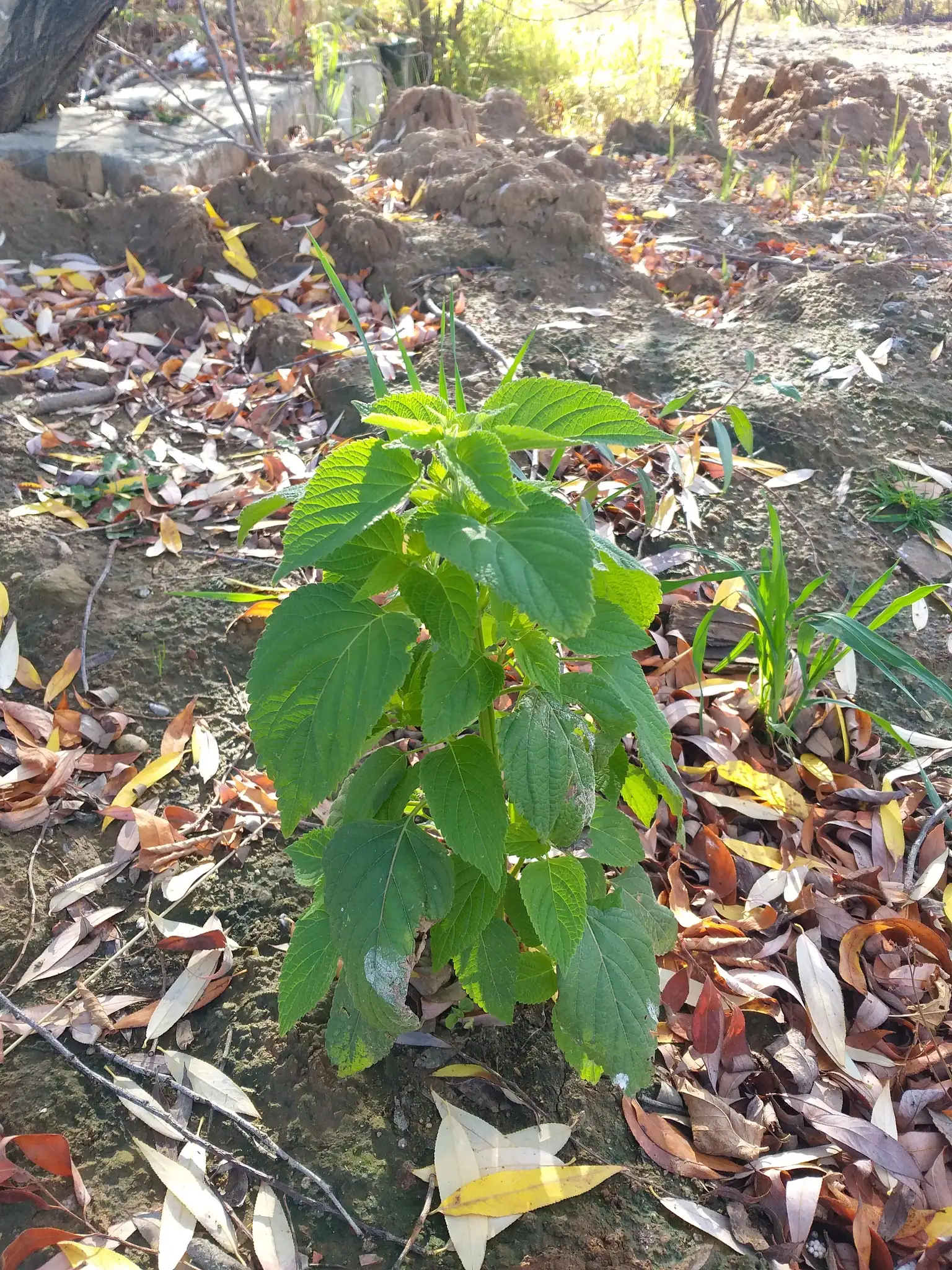
A little more than 3 ft tall
What the sources say (1)
Mature height: more than 91 (a little more than 3 ft [91 cm])
plants reach a height of a little more than 3 feet at maturity. High planting density can result in 5- to 6-foot-tall plants.
— Introduction [2] - Propagation
Grows from seed
What the sources say (1)
Propagation: Seed
Seeds are planted into a fully tilled seed bed using a standard grain drill or planter with small seed metering capability
— Introduction [2]
Overview
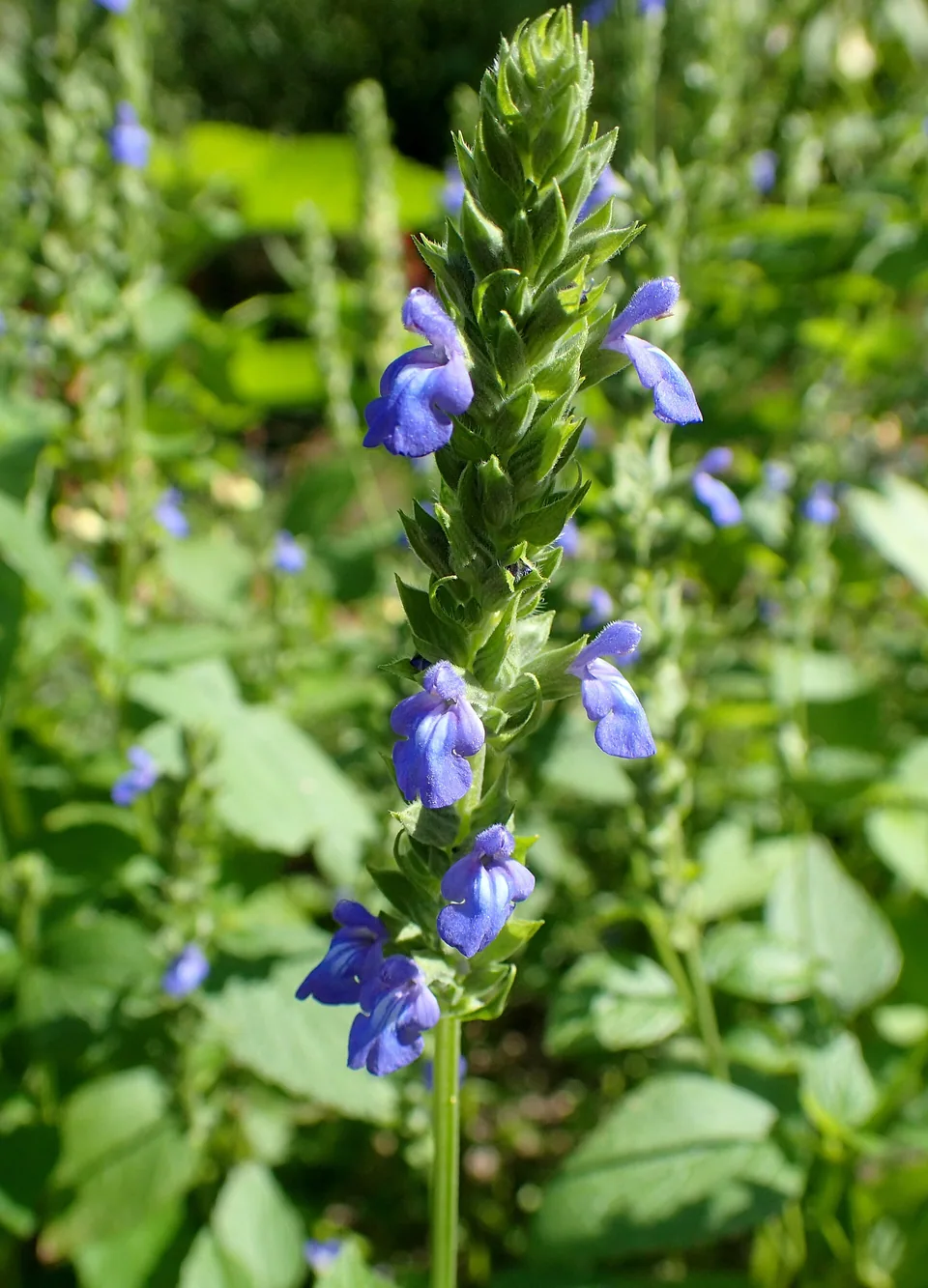
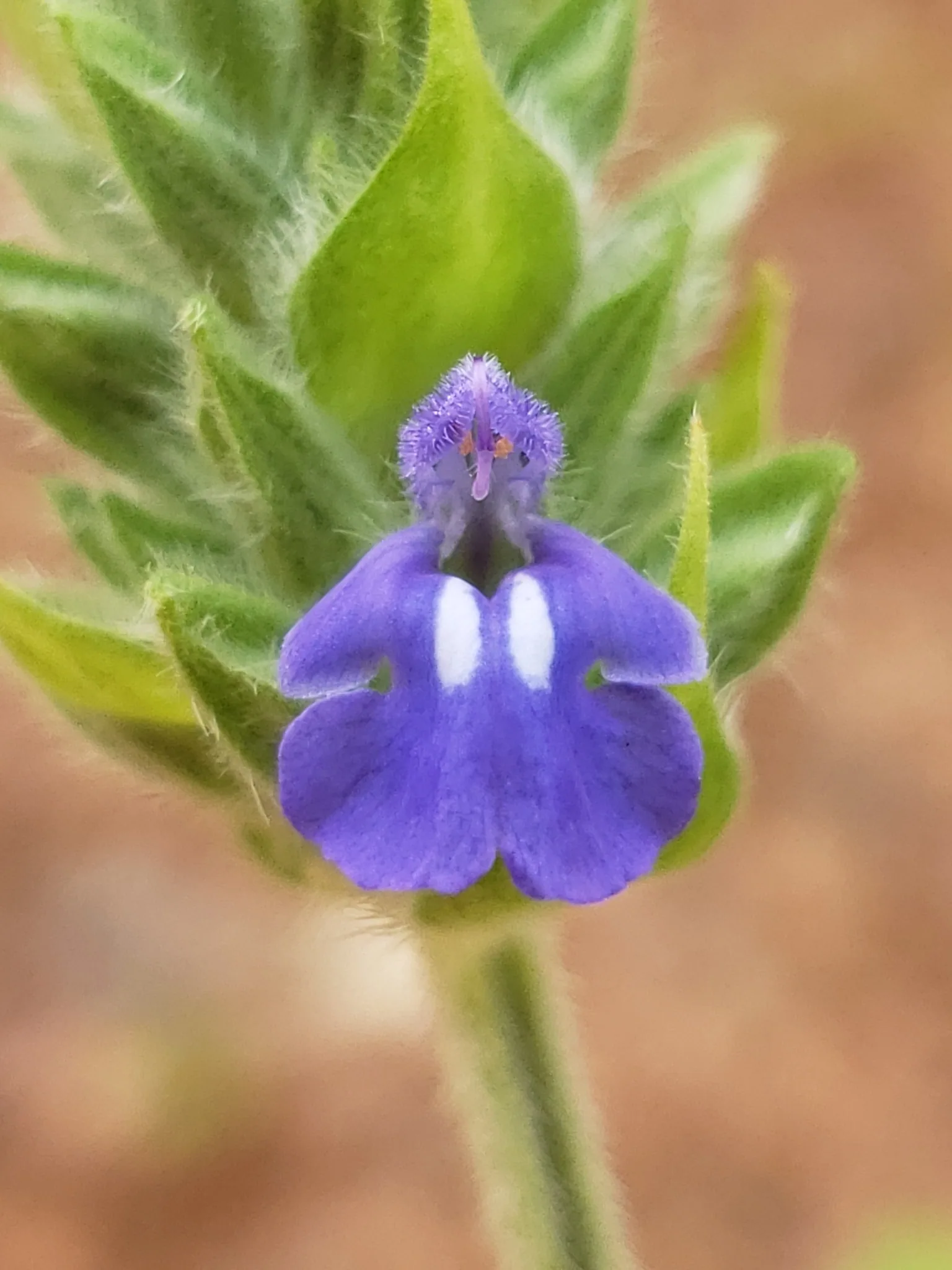
Chia is an annual in the mint family grown commercially for its seeds. [2] It is a low-maintenance crop that prefers moderately fertile, well-drained soils and is highly intolerant of wet soils. [2] Kew gives its native range as Mexico to Guatemala and lists it as used for food. [1]
This record is incomplete: the sources we read do not cover every field yet.
Not yet covered by our sources: Watering, Light, Spacing
Chia care
How to water Chia
Watering
Not stated in the sources we read.
Watering notes
Moisture is necessary for seedling establishment; highly intolerant of wet soils
What the sources say (1)
While moisture is necessary for seedling establishment, this crop is highly intolerant of wet soils.How much light Chia needs
Not stated in the sources we read.
Where to grow Chia
Not stated in the sources we read.
How to propagate Chia
Seed
What the sources say (1)
Seeds are planted into a fully tilled seed bed using a standard grain drill or planter with small seed metering capabilityHow to grow Chia
The plant
Life cycle
annual
What the sources say (1)
Chia (Salvia hispanica) is an annual plant in the mint family that is grown commercially for its seedsFamily
Lamiaceae
What the sources say (1)
Lamiaceae
Salvia
## Salvia hispanica L.
First published in Sp. Pl.: 25 (1753)Mature height
more than 91 (a little more than 3 ft [91 cm])
What the sources say (1)
plants reach a height of a little more than 3 feet at maturity. High planting density can result in 5- to 6-foot-tall plants.Harvest and storage
How to harvest
Mechanically harvested with a standard combine, using small screens similar to those used with other small seed crops.
What the sources say (1)
Chia is mechanically harvested with a standard combine, using small screens similar to those used with other small seed crops (clovers, alfalfa, timothy).Storage
Not stored on-farm: once dry of excess moisture, the crop goes directly to the processor or cleaning plant after harvest.
What the sources say (1)
Unlike other grains that may be stored on-farm immediately following harvest, chia is expected to go directly to the processor/cleaning plant after harvest, once it is dry of excess moisture.Fertilizing
When
The sources give different values depending on region, zone or growing conditions.
What each source says
Salvia in general: Each spring
What the sources say (1)
Salvia in general: Additionally, salvia will do best with an application of a balanced, slow-release fertilizer each spring.How often
The sources give different values depending on region, zone or growing conditions.
What each source says
Salvia in general: Once a year, in spring
What the sources say (1)
Salvia in general: Additionally, salvia will do best with an application of a balanced, slow-release fertilizer each spring.Mineral fertilizers
The sources give different values depending on region, zone or growing conditions.
What each source says
Salvia in general: Balanced, slow-release fertilizer
What the sources say (1)
Salvia in general: Additionally, salvia will do best with an application of a balanced, slow-release fertilizer each spring.Chia pests and problems
Frost and day length
Symptom: Chia plants grown in temperate climates require short days to flower and are normally killed by frost before seeds mature.
What the sources say (1)
While chia plants grow well in temperate climates, they require short days to flower and are normally killed by frost before seeds mature.
— Introduction [2] Weeds at establishment
Symptom: Weed management is most critical during establishment.
What to do: Weeds become less of an issue once the canopy closes.
What the sources say (1)
Weed management is most critical during establishment; however, weeds become less of an issue once the canopy closes.
— Introduction [2]
Remedies
The sources we checked give no remedies for this plant.
Calendar
Months as given by the sources, which are mostly from the United States (northern hemisphere). In the southern hemisphere they shift by about six months.
Edibility
Reported by the source, quoted verbatim. Do not eat a plant on the basis of this page alone: identification mistakes can be dangerous.
Similar plants
- Anise Sage Salvia guaranitica
- Arrowleaf Sage Salvia sagittata
- Autumn Sage Salvia greggii
- Blue Sage Salvia azurea
- Bog Sage Salvia uliginosa
- Cedar Sage Salvia roemeriana
- Clary Sage Salvia sclarea
- Forsythia Sage Salvia madrensis
Sources
Every value above is quoted from these documents. Links lead to the original publisher.
- Salvia hispanica L. | Plants of the World Online | Kew Science · powo.science.kew.org, consulted
- Introduction · publications.ca.uky.edu, consulted
- gardeningsolutions.ifas.ufl.edu · gardeningsolutions.ifas.ufl.edu
Written by Emilio Marruso · last checked