
How to Grow and Care for Rye
Secale cereale
Written by Emilio Marruso · last checked
At a glance
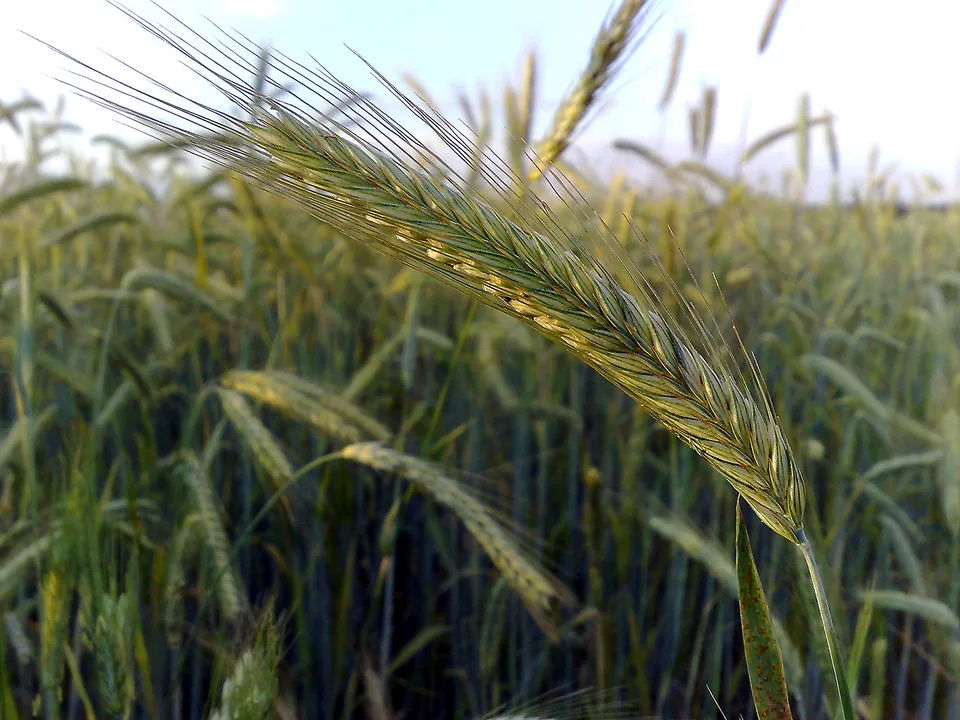
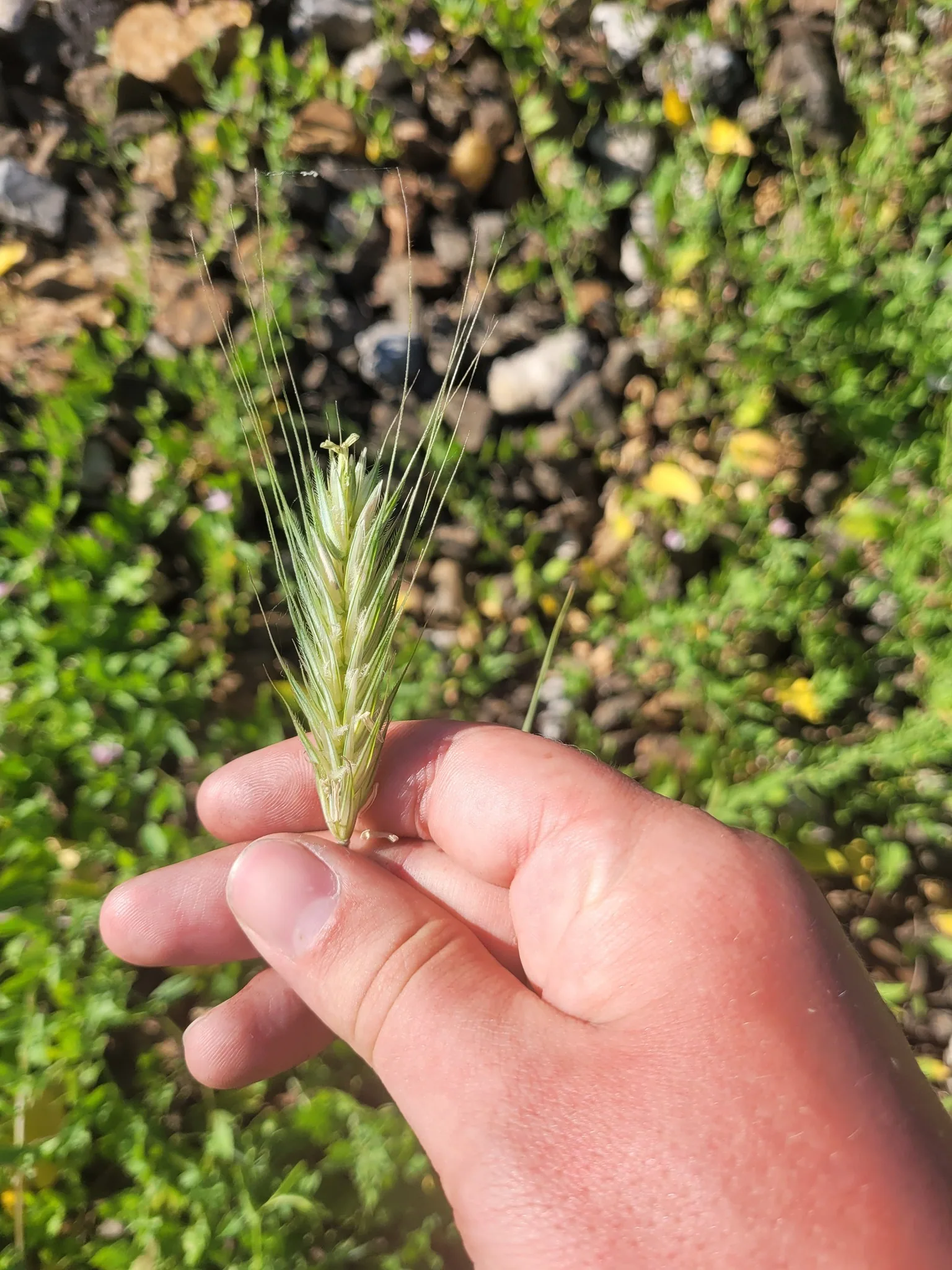
Rye is a hardy, easygoing grain that thrives in full sun and grows even where it's too cold for wheat. Sow the seeds in fall, as early as you can, and watch it rise 2 to 4 feet tall. Its grain makes good bread, so this simple annual can take you from seed to loaf.
- Sun
Full sun
What the sources say (1)
Light: Full sun
Rye grows best in full sun.
— Secale cereale (Cereal Rye, Rye, Winter Rye) | North Carolina Extension Gardener Plant Toolbox [1] - Cold
Grows in places too cold for wheat
- Soil
Well-drained soil, pH 6.0–8.0
What the sources say (3)
Soil pH, minimum: 6.0
Soil pH: Neutral (6.0-8.0)
— Secale cereale (Cereal Rye, Rye, Winter Rye) | North Carolina Extension Gardener Plant Toolbox [1] Soil pH, maximum: 8.0
Soil pH: Neutral (6.0-8.0)
— Secale cereale (Cereal Rye, Rye, Winter Rye) | North Carolina Extension Gardener Plant Toolbox [1] Watering notes: Soil must be well-drained
It is adaptable to a variety of soil types, as long as the soil is well-drained.
— Secale cereale (Cereal Rye, Rye, Winter Rye) | North Carolina Extension Gardener Plant Toolbox [1] - Harvest
The grain can be used to make bread
- Watch out
As it breaks down it locks up soil nitrogen; cut it down when it is 6–18 inches tall
- Size
2 to 4 ft tall and 6 inches to 1 ft wide
What the sources say (2)
Mature height: 60.96-121.92 cm (2-4 ft)
Dimensions: Height: 2 ft. 0 in. - 4 ft. 0 in. Width: 0 ft. 6 in. - 1 ft. 0 in.
— Secale cereale (Cereal Rye, Rye, Winter Rye) | North Carolina Extension Gardener Plant Toolbox [1] Mature width: 15.24-30.48 cm (6 in-1 ft)
Dimensions: Height: 2 ft. 0 in. - 4 ft. 0 in. Width: 0 ft. 6 in. - 1 ft. 0 in.
— Secale cereale (Cereal Rye, Rye, Winter Rye) | North Carolina Extension Gardener Plant Toolbox [1] - Propagation
Grows from seed
What the sources say (1)
Propagation: Seed
Recommended Propagation Strategy: Seed
— Secale cereale (Cereal Rye, Rye, Winter Rye) | North Carolina Extension Gardener Plant Toolbox [1] - Sowing
Sow in fall, as early as possible, up to 2 inches deep
What the sources say (4)
Sowing: Fall
According to NC State Extension: as a fall-sown, winter cover crop.
— Secale cereale (Cereal Rye, Rye, Winter Rye) | North Carolina Extension Gardener Plant Toolbox [1] Illinois: To get the most benefits from planting cereal rye as a cover crop, growers should plant as early as they are able to.
— Cover crop spotlight: Cereal rye | Field Notes | Illinois Extension | Illinois [3] as a fall-sown, winter cover crop.
— Secale cereale (Cereal Rye, Rye, Winter Rye) | North Carolina Extension Gardener Plant Toolbox [1] Sowing depth: up to 5.08 cm (2 in), when drilling
If drilling, plant no deeper than 2 inches at a rate of 60-120 lb/A.
— Cover crop spotlight: Cereal rye | Field Notes | Illinois Extension | Illinois [3]
Overview
Rye is an annual grass grown as a cover crop, forage or grain. [1] It grows best in full sun and is adaptable to many soil types as long as the soil is well-drained. [1] It is sown in the fall and can tie up soil nitrogen as it decomposes. [1][3]
This record is incomplete: the sources we read do not cover every field yet.
Not yet covered by our sources: Watering, Harvest, Spacing
Rye care
How to water Rye
Watering
Not stated in the sources we read.
Watering notes
Soil must be well-drained
What the sources say (1)
It is adaptable to a variety of soil types, as long as the soil is well-drained.How much light Rye needs
Full sun
What the sources say (1)
Rye grows best in full sun.Best soil for Rye
Soil pH, minimum
6.0
What the sources say (1)
Soil pH:
Neutral (6.0-8.0)Soil pH, maximum
8.0
What the sources say (1)
Soil pH:
Neutral (6.0-8.0)Where to grow Rye
Not stated in the sources we read.
How to propagate Rye
Seed
What the sources say (1)
Recommended Propagation Strategy:
SeedHow to grow Rye
The plant
Life cycle
annual
What the sources say (1)
Rye is an annual grass grown as a cover crop, forage, or grain.Family
Poaceae
What the sources say (1)
The home gardener is apt to grow rye, which is a member of the grass family (Poaceae), as a fall-sown, winter cover crop.Mature height
60.96-121.92 cm (2-4 ft)
What the sources say (1)
Dimensions: Height: 2 ft. 0 in. - 4 ft. 0 in. Width: 0 ft. 6 in. - 1 ft. 0 in.Mature width
15.24-30.48 cm (6 in-1 ft)
What the sources say (1)
Dimensions: Height: 2 ft. 0 in. - 4 ft. 0 in. Width: 0 ft. 6 in. - 1 ft. 0 in.Sowing and growth
Sowing depth
up to 5.08 cm (2 in), when drilling
What the sources say (1)
If drilling, plant no deeper than 2 inches at a rate of 60-120 lb/A.Rye pests and problems
Nitrogen tie-up
Symptom: Rye ties up soil nitrogen as it decomposes
What to do: Terminate when plants are 6-18 inches tall
What the sources say (2)
One of the common issues seen with cereal rye is that it ties up soil nitrogen as it decomposes.
— Cover crop spotlight: Cereal rye | Field Notes | Illinois Extension | Illinois [3] It is generally recommended to terminate cereal rye when plants are 6-18 inches tall.
— Cover crop spotlight: Cereal rye | Field Notes | Illinois Extension | Illinois [3]
Remedies
Each remedy shows what official sources say about it; traditional remedies without an official source are marked as such. Harmful ones are listed so you know to avoid them.
Getting rid of it
feral rye
hand roguing Official source, not independently tested
How: For small infestations pull or break off the plants at ground level shortly after heading, before the soft dough stage.
For small infestations prevent seed production by pulling or breaking off the plants at ground level shortly after heading.
— extensionpubs.unl.edu [4] plowing at least 6 inches deep Partly works
How: Plowing buries much of the seed; do not plow every fallow period.
Plowing at least 6 inches deep will bury much of the seed and control as much as 90 percent of the feral rye.
— extensionpubs.unl.edu [4] What the evidence says Plowing at least 6 inches deep will bury much of the seed and control as much as 90 percent of the feral rye.
— extensionpubs.unl.edu [4] crop rotation with late spring-planted crops Works
How: Rotate winter wheat with corn, grain sorghum, sunflower, or proso millet.
Feral rye is best controlled in winter wheat rotations that include late spring-planted crops such as corn, grain sorghum, sunflower, or proso millet.
— extensionpubs.unl.edu [4] What the evidence says Feral rye is best controlled in winter wheat rotations that include late spring-planted crops such as corn, grain sorghum, sunflower, or proso millet.
— extensionpubs.unl.edu [4]
cereal rye cover crop
roller crimping at flowering Partly works
How: Terminate with a roller crimper at or after anthesis (flowering stage).
Research by Mirsky et al. (2009) found that cereal rye control improved when terminated at or after anthesis (flowering stage).
— cropwatch.unl.edu [5] What the evidence says Research by Mirsky et al. (2009) found that cereal rye control improved when terminated at or after anthesis (flowering stage).
— cropwatch.unl.edu [5]
Calendar
Sowing
Fall
What each source says
According to NC State Extension: Fall
Illinois: Fall, as early as possible
What the sources say (3)
According to NC State Extension: as a fall-sown, winter cover crop.Illinois: To get the most benefits from planting cereal rye as a cover crop, growers should plant as early as they are able to.as a fall-sown, winter cover crop.Harvest
Not stated in the sources we read.
Months as given by the sources, which are mostly from the United States (northern hemisphere). In the southern hemisphere they shift by about six months.
Edibility
Reported by the source, quoted verbatim. Do not eat a plant on the basis of this page alone: identification mistakes can be dangerous.
È un cereale panificabile in zone troppo fredde per il frumento.
[2]
Similar plants
- Common barley Hordeum vulgare
- Corn Zea mays
- Giant Cane Arundinaria gigantea
- Oat Avena sativa
- Sorghum Sorghum bicolor
- Wheat Triticum aestivum
- Teff Eragrostis tef
- African lovegrass Eragrostis curvula
Sources
Every value above is quoted from these documents. Links lead to the original publisher.
- Secale cereale (Cereal Rye, Rye, Winter Rye) | North Carolina Extension Gardener Plant Toolbox · plants.ces.ncsu.edu, consulted
- I cereali antichi. · mastergamed.unifi.it, consulted
- Cover crop spotlight: Cereal rye | Field Notes | Illinois Extension | Illinois · extension.illinois.edu, consulted
- extensionpubs.unl.edu · extensionpubs.unl.edu
- cropwatch.unl.edu · cropwatch.unl.edu
Written by Emilio Marruso · last checked